Monday, November 2, 2026 · UX & UI Design
Wildwood’s Handmade Stop-Motion World Makes a Case for the Big Screen
Noted by Tom May · 747 reads
Laika’s Wildwood combines physical puppets and sets with digital effects, creating a richly textured animated world that rewards a cinema screen.
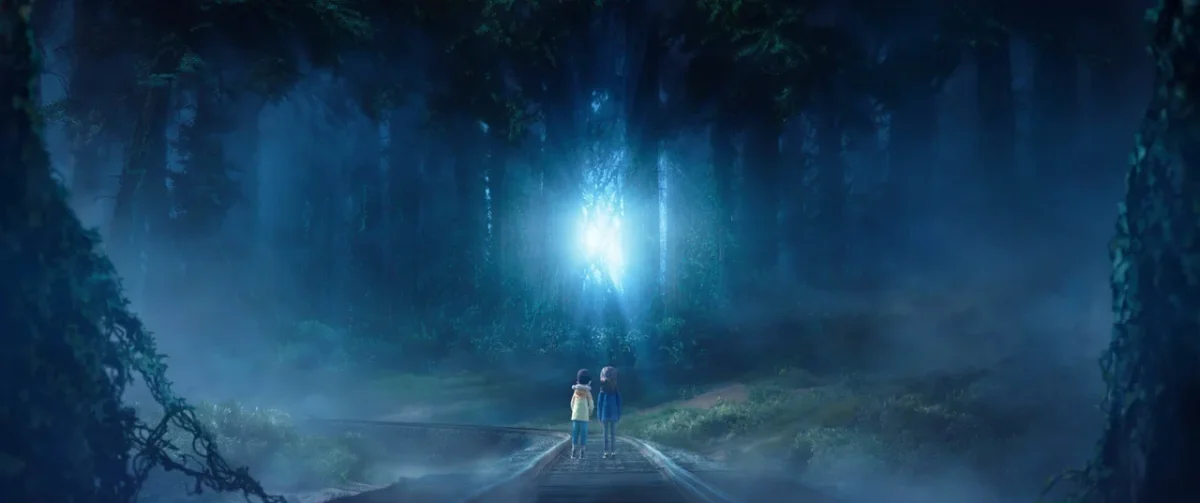
Laika’s Wildwood makes its technical ambition visible in every frame. Physical puppets and sets give the film a tactile foundation, while computer-generated work expands that world without erasing its handmade character. The result is animation with a particular kind of presence: surfaces catch the light, objects seem to carry weight, and the environments invite a closer look. On a cinema screen, those details add up to more than a showcase of craft; they help draw viewers into the story.
The film is Laika’s sixth feature. The Oregon studio, known for Coraline, ParaNorman and Kubo and the Two Strings, made it under director Travis Knight, adapting Colin Meloy’s 2011 novel, illustrated by Carson Ellis. At its centre is a girl named Prue. The story is best approached with little advance knowledge: its shifting, fantastical world is part of the pleasure.
The scale behind that world is striking. More than 1,000 artists worked on the production over six years. The team built more than 230 puppets and 132 sets, and animating a single second could take a day or longer. Those figures describe the labour, but the film’s images show what that labour makes possible.
Digital work that starts with physical objects
Some of the most intricate animation combines computer processes with objects made for the camera. Characters’ facial performances were animated digitally and then 3D printed, with a new face created for each character in every frame. The production made more than 140,000 faces in total. Visual effects artists scanned puppets and sets, using those scans to extend locations and add detail to crowds.
That workflow gives the digital elements a physical reference point. The computer work can enlarge a setting or build out a scene, while the scanned materials carry the character of the original objects into the finished image. The approach doesn’t make every part of the frame by hand; it lets physical craft inform what happens on screen, even when a location needs to reach beyond the set.
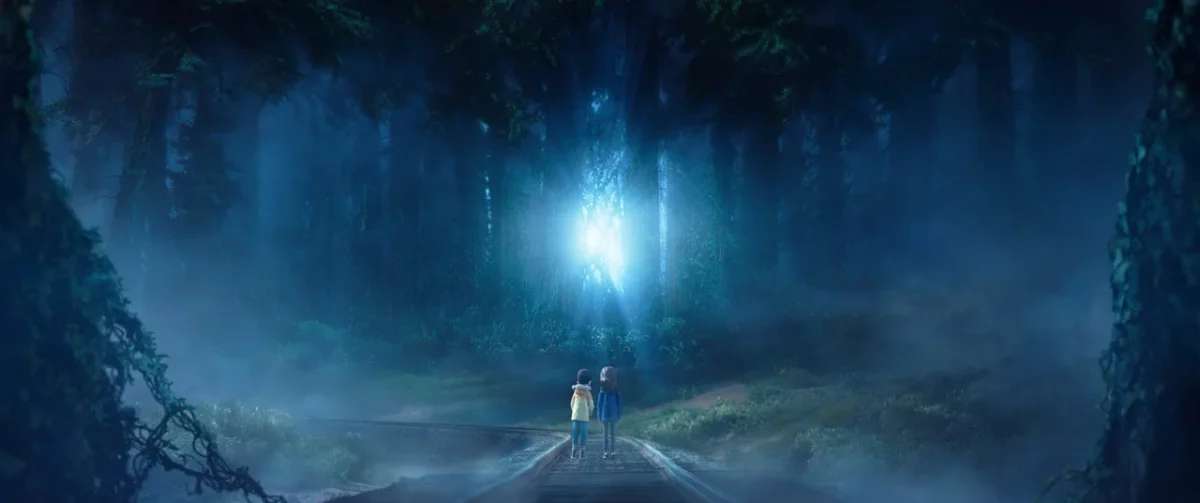
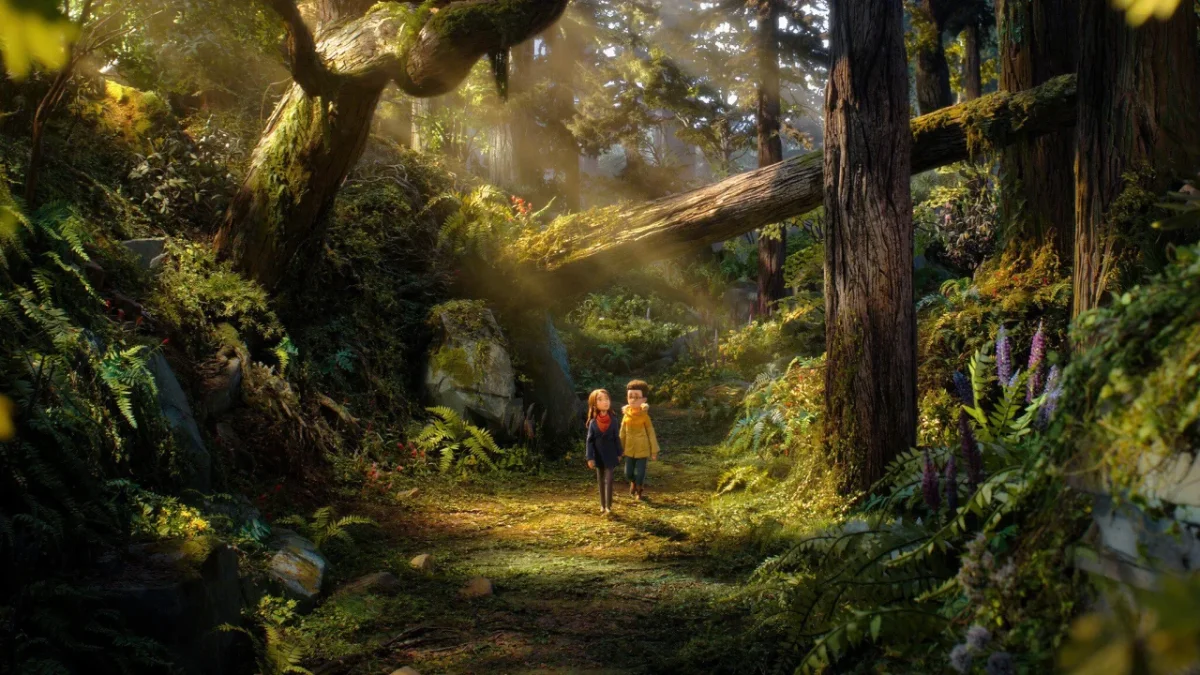
The distinction matters because the film’s visual character depends on more than detail. Wood grain, cloth, moss and shifting light give the environments a sense of material specificity. A digital extension can preserve that feeling when it grows out of a scan of the physical set, rather than asking an entirely synthetic surface to imitate one. The effect is cumulative: viewers may not stop to identify each texture, but the textures help make the world feel inhabitable.
Texture as a storytelling tool
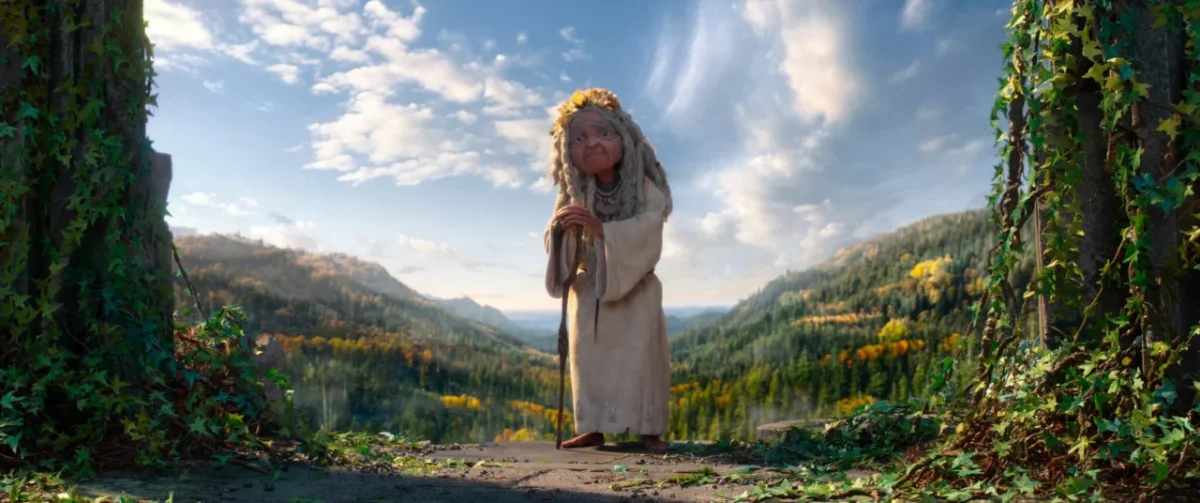
That tactile quality stands out against the polished, pixel-built environments common in many live-action productions. Digital effects can create almost anything, but visual smoothness alone doesn’t necessarily make a place feel convincing. Wildwood builds its credibility through small, legible cues: the fall of light between trees, the grain in a wooden surface, the weight suggested by a costume. Its fantasy feels grounded because the image gives the eye physical things to read.
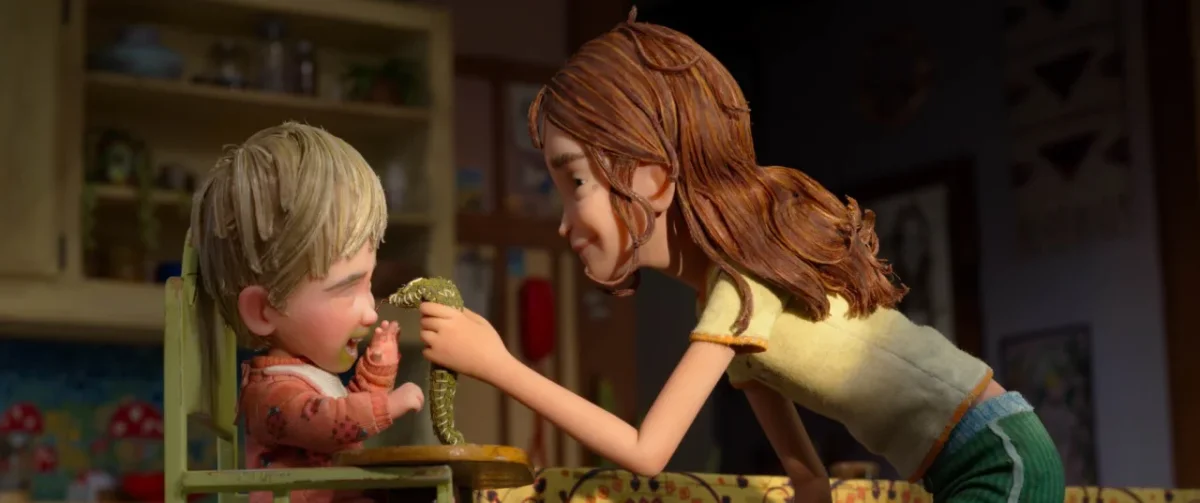
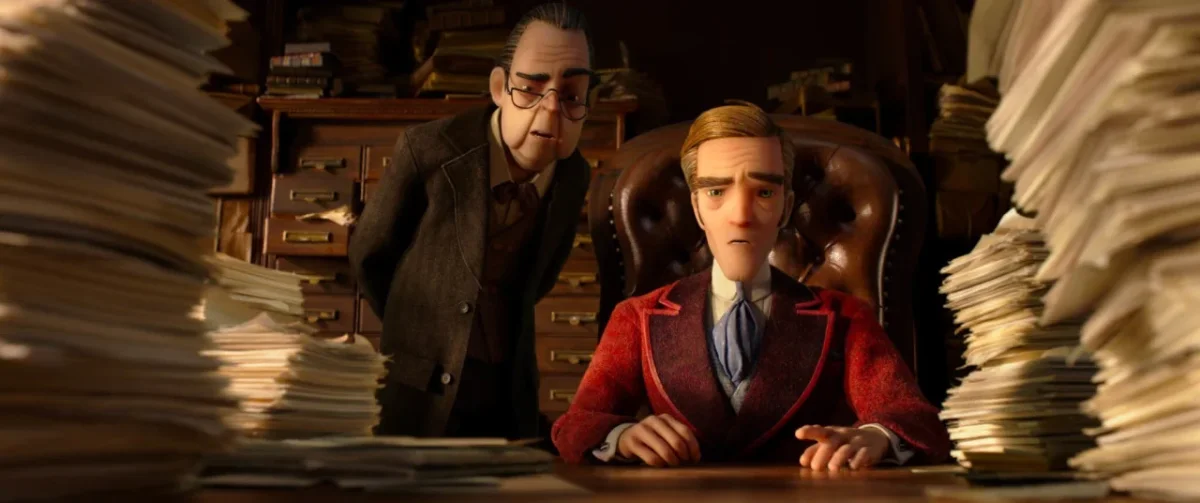
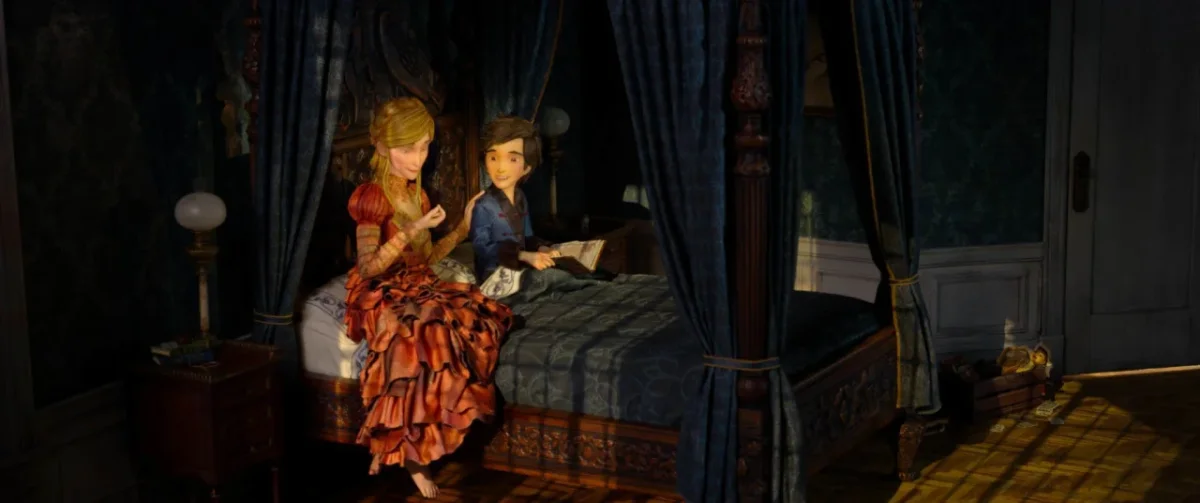
The craft would matter less if the characters and plot couldn’t hold attention. Here, the story has room for complexity, and the characters feel layered rather than built around a single trait. Familiar echoes of Alice in Wonderland, The Wizard of Oz, Labyrinth, The Dark Crystal and The Lion, the Witch and the Wardrobe may surface, but they don’t make the journey feel predictable. The film keeps its own identity and a sense of discovery.
Designed for a larger view
There’s a useful tension between the film’s wealth of detail and its forward momentum. The sets, costumes and props invite close inspection; the story keeps moving before every frame can be studied. That push and pull is part of the experience. On a large screen, it’s possible to follow the action and still register details at the edge of the image, from the shape of a space to the textures that fill it.
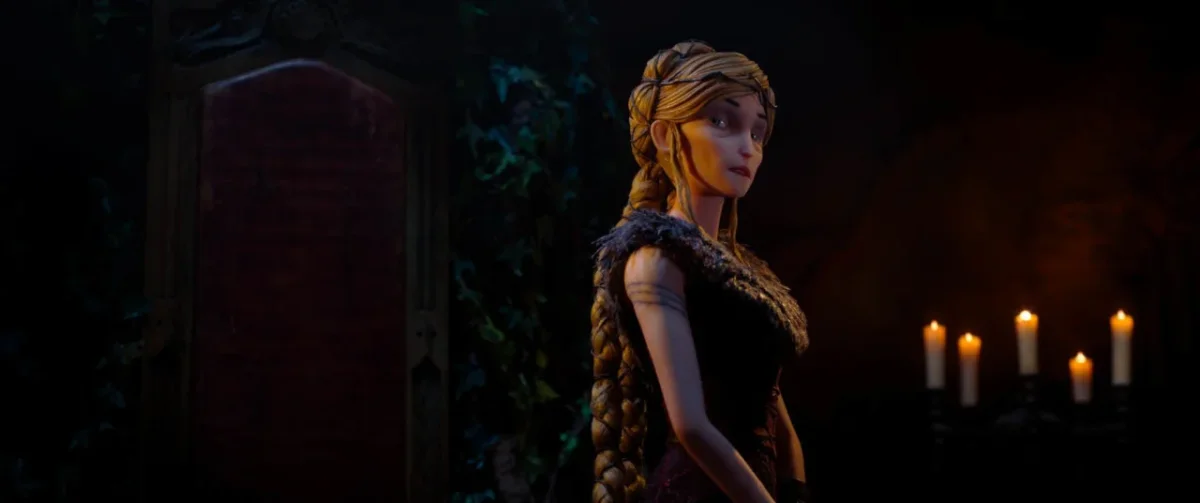
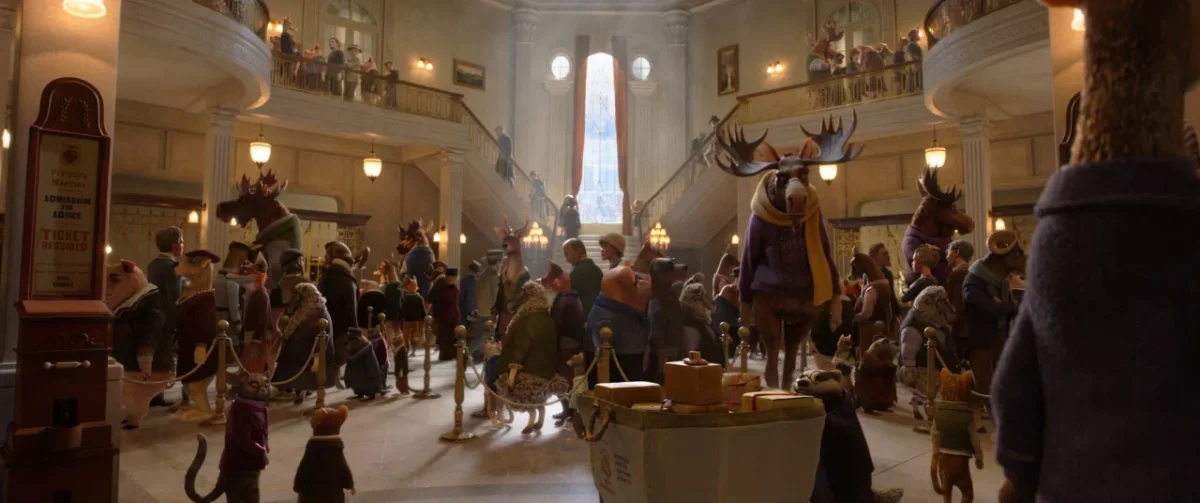
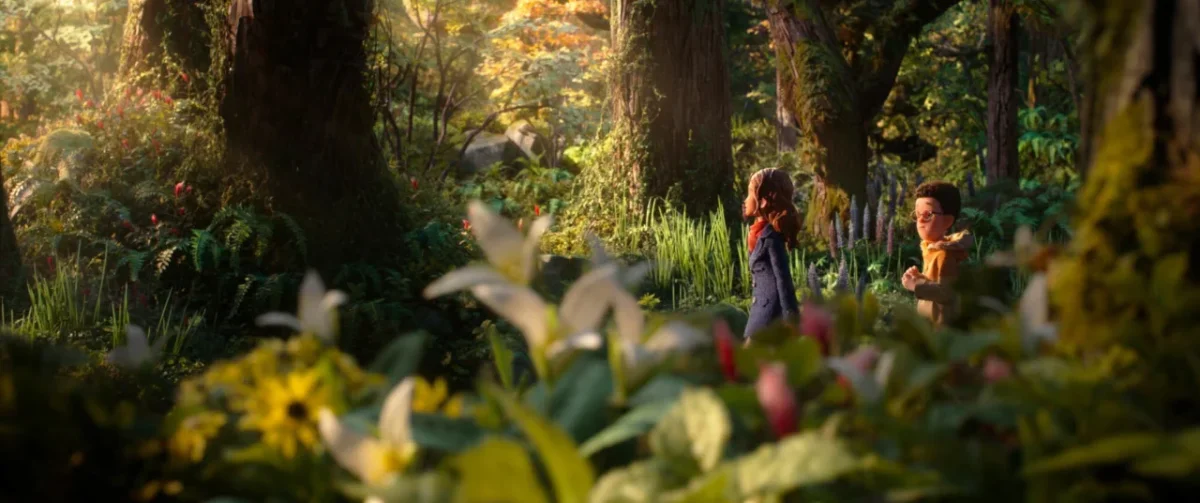
A smaller display can still carry the story, but the dense imagery has less room to register. For designers and other visual creatives, the cinema presentation makes it easier to see how the composition balances movement, environment and minute surface detail. It also clarifies how digital additions can support a crafted look: the effects expand the shot while its physical ingredients remain perceptible.
Wildwood offers a persuasive model for animation built through collaboration between handmade and digital processes. Its production figures are remarkable, yet the more useful measure is what appears on screen: a coherent visual world whose details serve both atmosphere and storytelling. Seeing it at full scale makes that relationship easier to appreciate—and gives the film’s many crafted elements the space they were made to fill.