Monday, November 9, 2026 · UX & UI Design
Matalan’s Be the Occasion films turn luxury fashion cues into everyday Christmas style
Noted by Tom May · 488 reads
Ozo’s Matalan films borrow the drama of luxury fashion, then reveal festive outfits being worn at home.
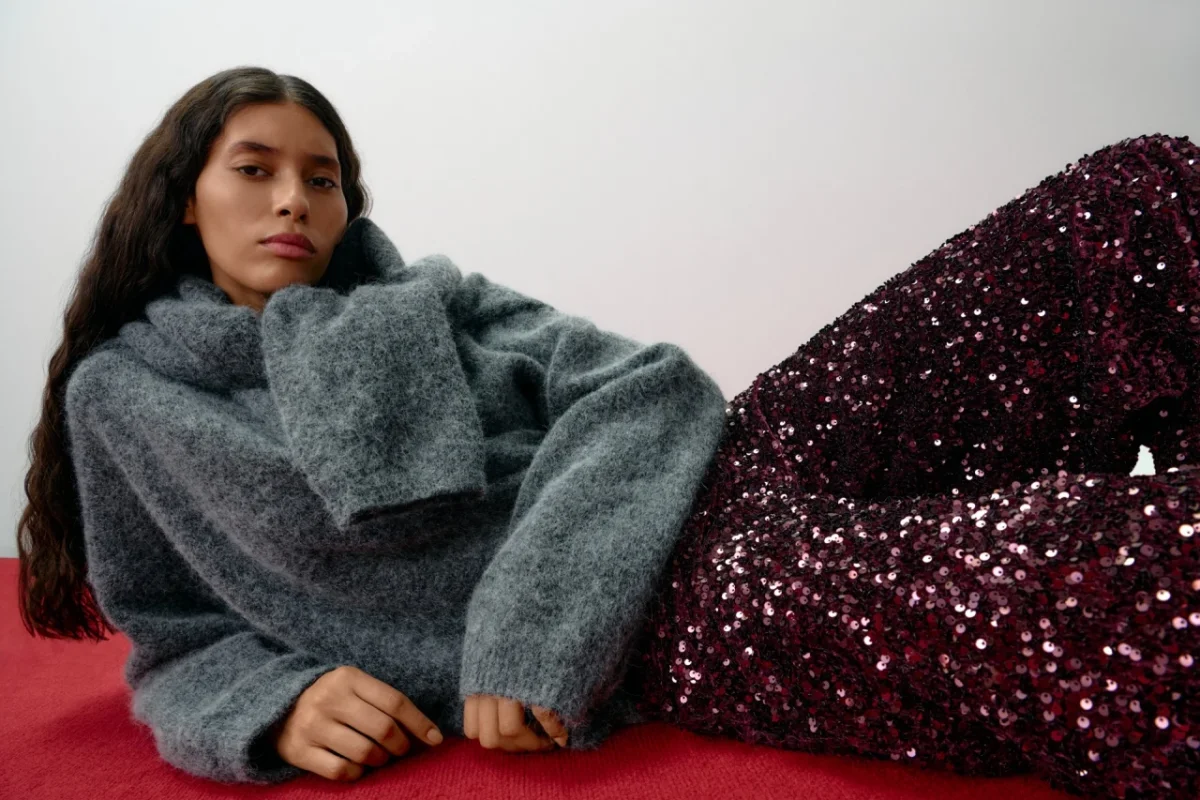
The visual switch in Matalan’s Be the Occasion films does more than set up a joke. It makes the retailer’s value proposition visible: the drama of fashion imagery can belong to clothes worn at home, without the luxury price cues that usually come with it.
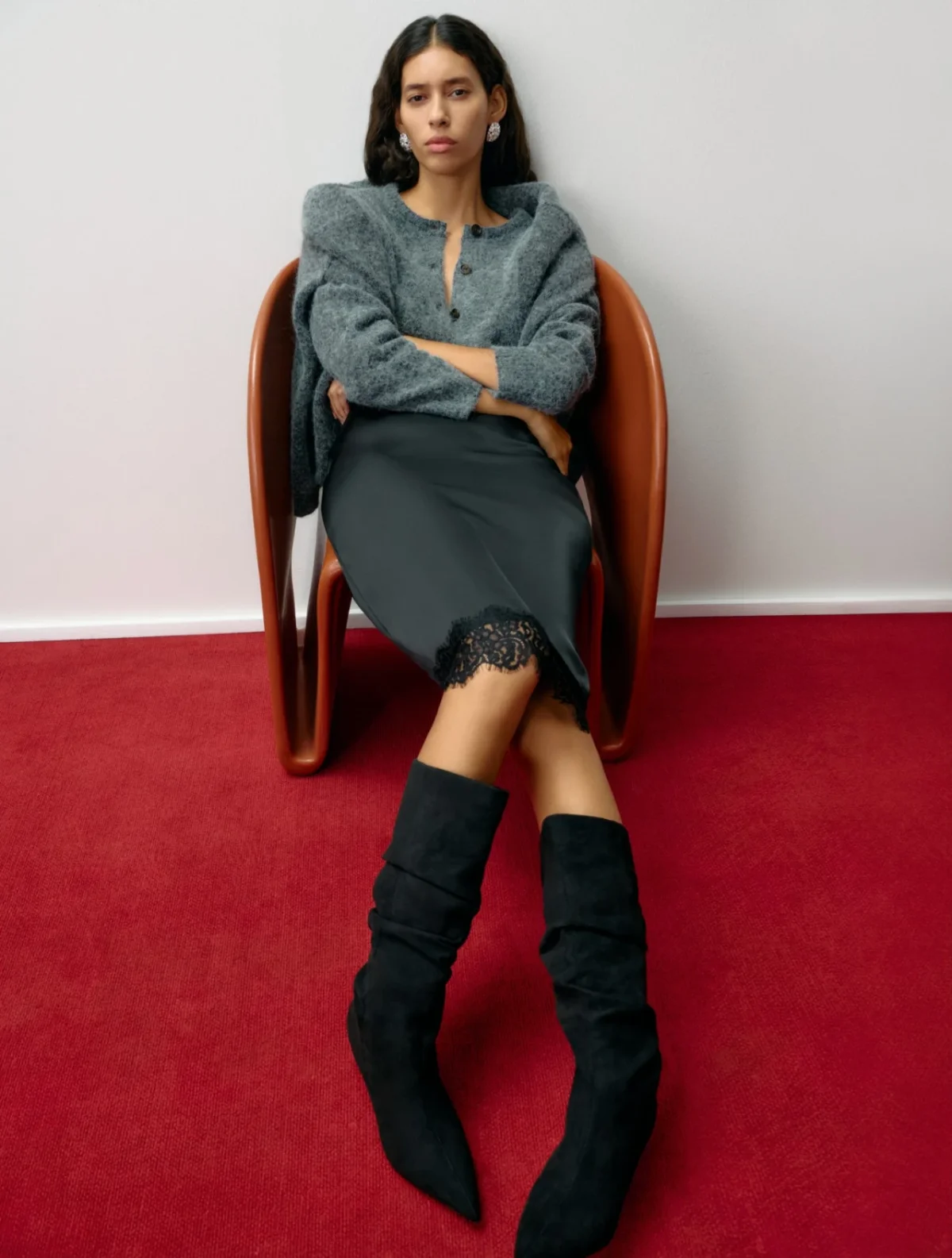
The opening frames invite a familiar reading. Moody light, fabric in close-up and a composed model suggest a high-end fashion film. Then the camera widens. The setting is an ordinary home, and the woman is getting ready for Christmas. The glamour stays; the assumed catwalk disappears.
That change of scale gives the work its point of view. The humour lands on the conventions of fashion advertising, with its grand staging and polished poses, rather than on the person wearing the clothes. For a value retailer seeking to challenge perceptions of its offer, that distinction matters. The viewer is invited to enjoy the spectacle and recognise the outfit as attainable.
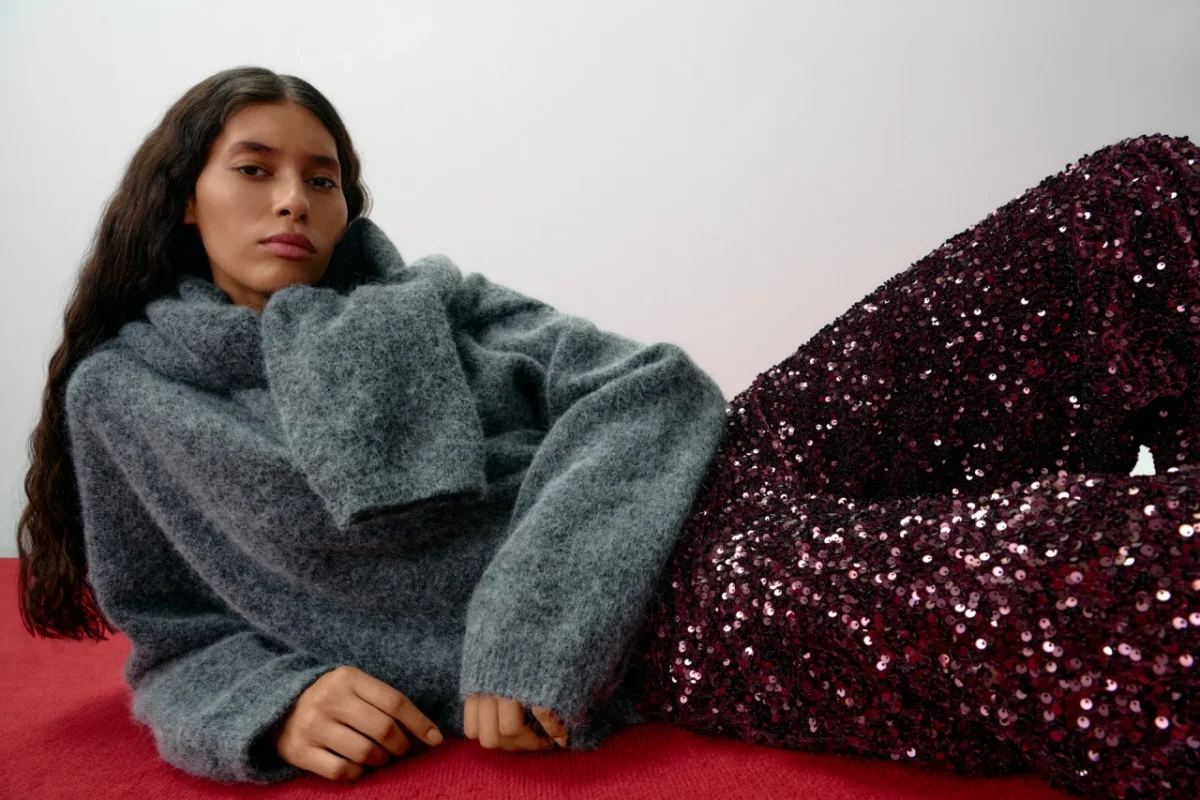
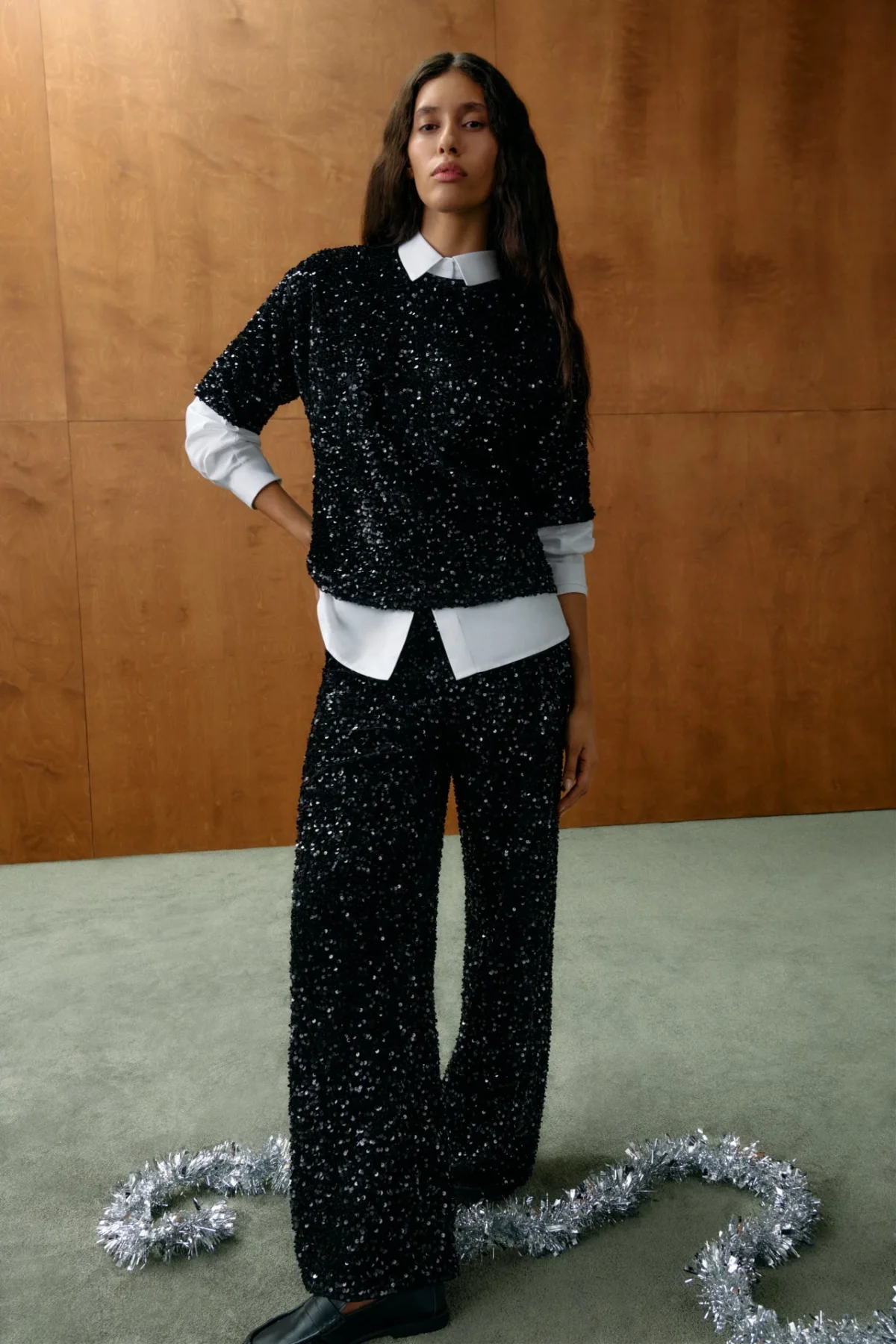
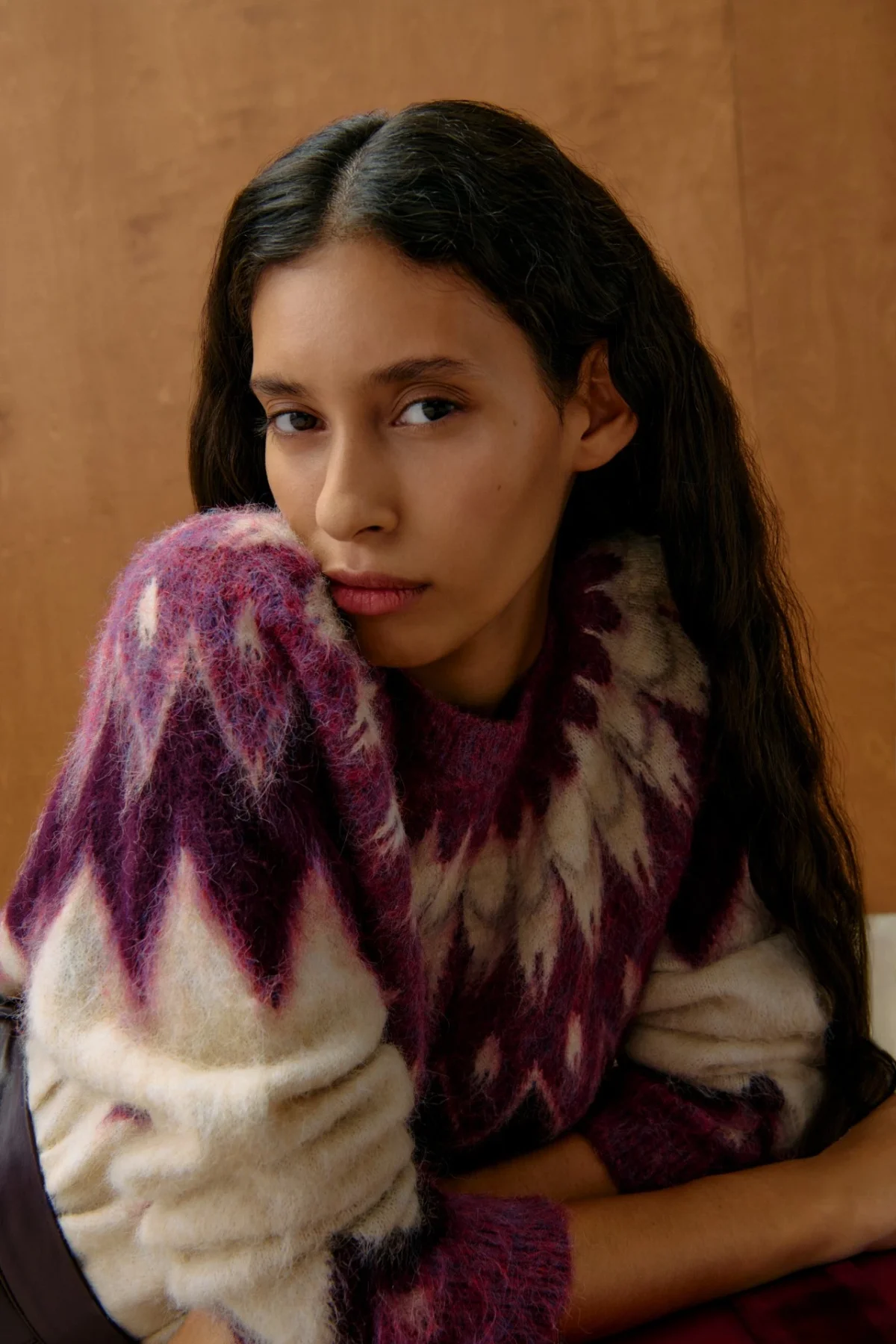
The styling helps bridge those two registers. Sequins and patterned knitwear bring surface and texture for the camera, while jumpers and familiar separates keep the looks grounded in an everyday wardrobe. The clothes are presented as occasionwear, but the images don’t insist that a special occasion requires a special setting. Christmas dressing can happen at home, in pieces that feel expressive without seeming out of reach.
Fashion-film staging, domestic scale
Across films and stills, the visual language keeps playing with that tension. A red gift box and matching backdrop turn a reclining figure in a shimmering burgundy dress into a rich, graphic tableau. Elsewhere, a grey jumper and black trousers sit against an abstract red form, or a sequined dress and cardigan are paired with silver spheres. Red, terracotta and warm brown backgrounds give the clothes a festive frame; the props supply theatricality without requiring a runway.
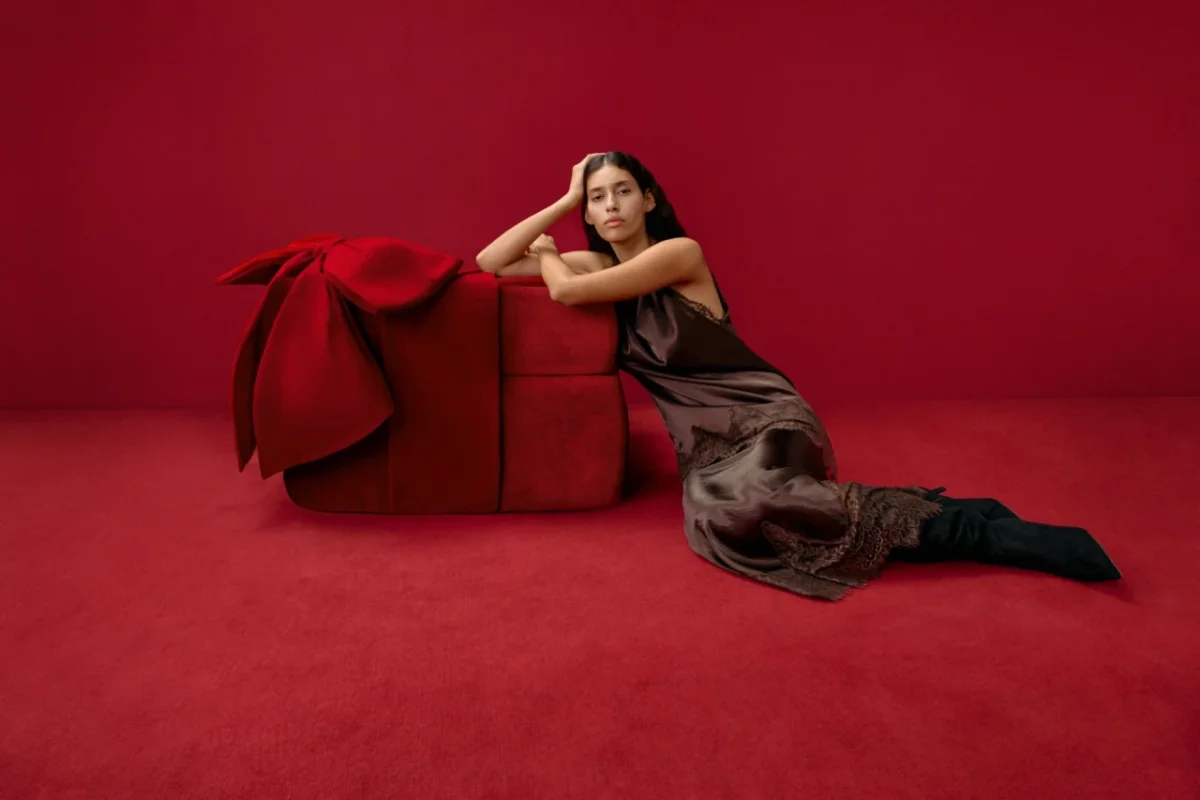
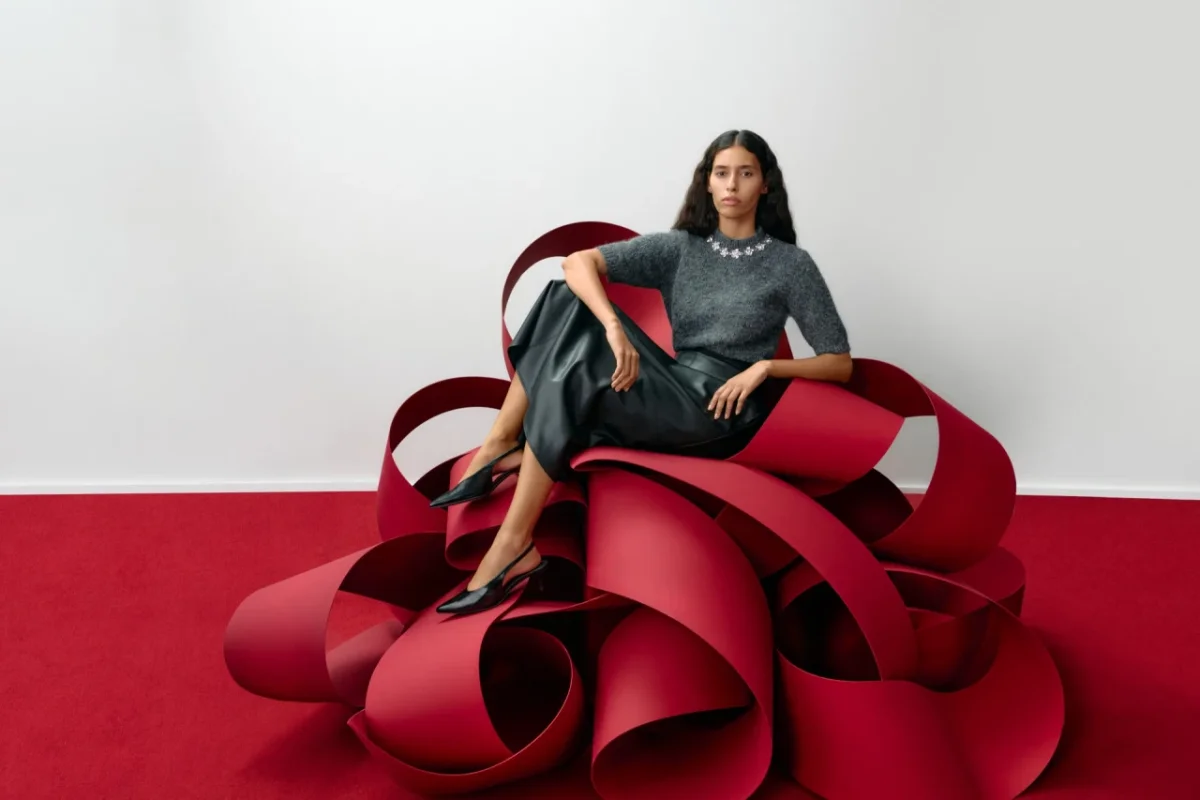
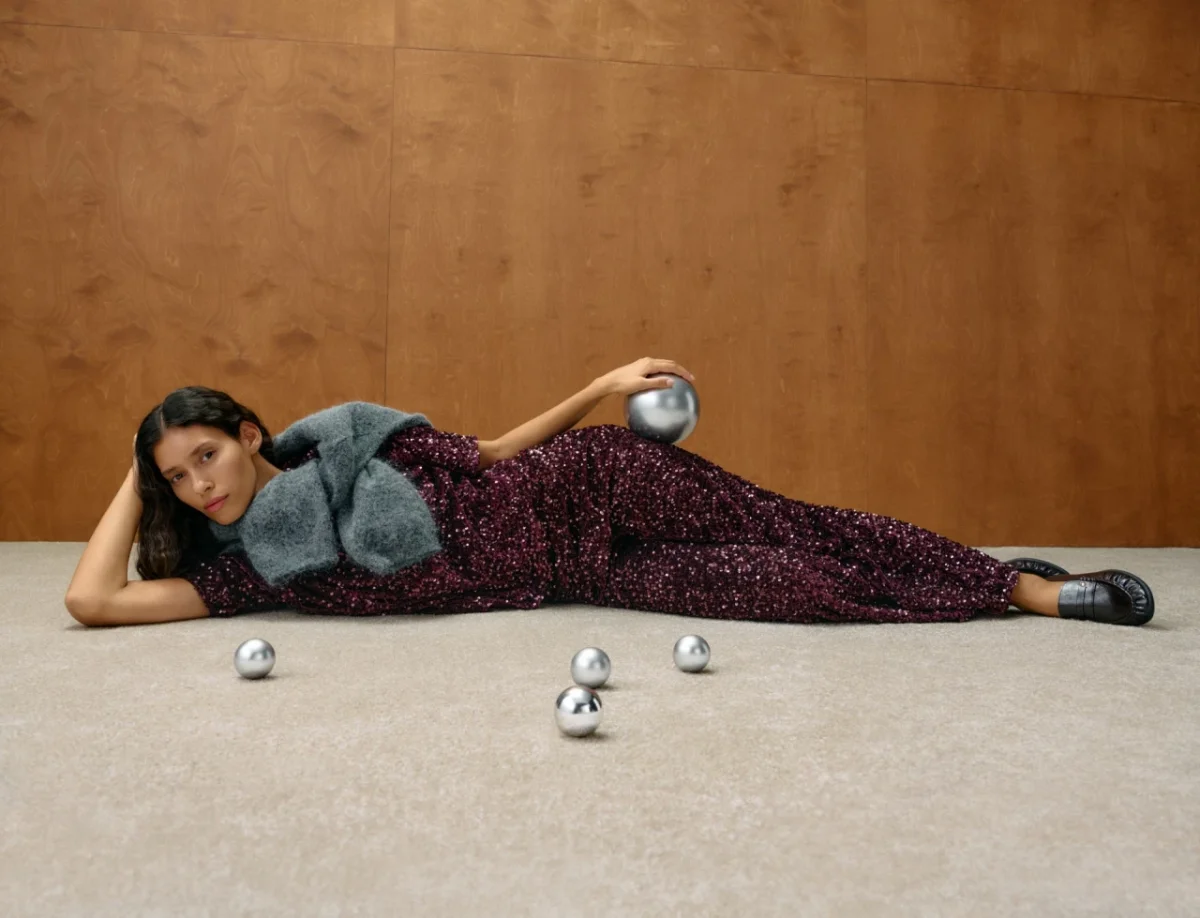
Those choices give the images a useful design lesson: a strong visual idea can be built from contrast between styling and context. Here, close-ups and dramatic poses establish the fashion-film expectation; the wider view changes how the same details read. That structure lets the work communicate its message through the pictures instead of asking a line of copy to explain the gag.
Be the Occasion sits within Matalan’s Believe It’s Matalan brand platform, which is intended to shift perceptions of the retailer as downmarket or cheap. Aisha Jakhura, Matalan’s head of brand, campaigns and PR, said the team wanted to show its latest collection and make festive dressing feel stylish and effortless. She credited Ozo with bringing fun and personality to the work while putting the products in view.
Making production part of the idea
Ozo, a creative company working across London and Paris, has made four campaigns for Matalan. The earlier work covered Denim, Spring and Summer collections. For Be the Occasion, Ozo handled strategy, film and stills in-house, moving from brief to finished work in one month.
The studio describes its working method as the Circular Model. Its premise is that creative and production teams should develop ideas together, with artists, musicians and other creators joining the process where they can push the work further. That approach recalls the shared development between creative and film directors that Ozo associates with advertising in the 1960s and 1970s.
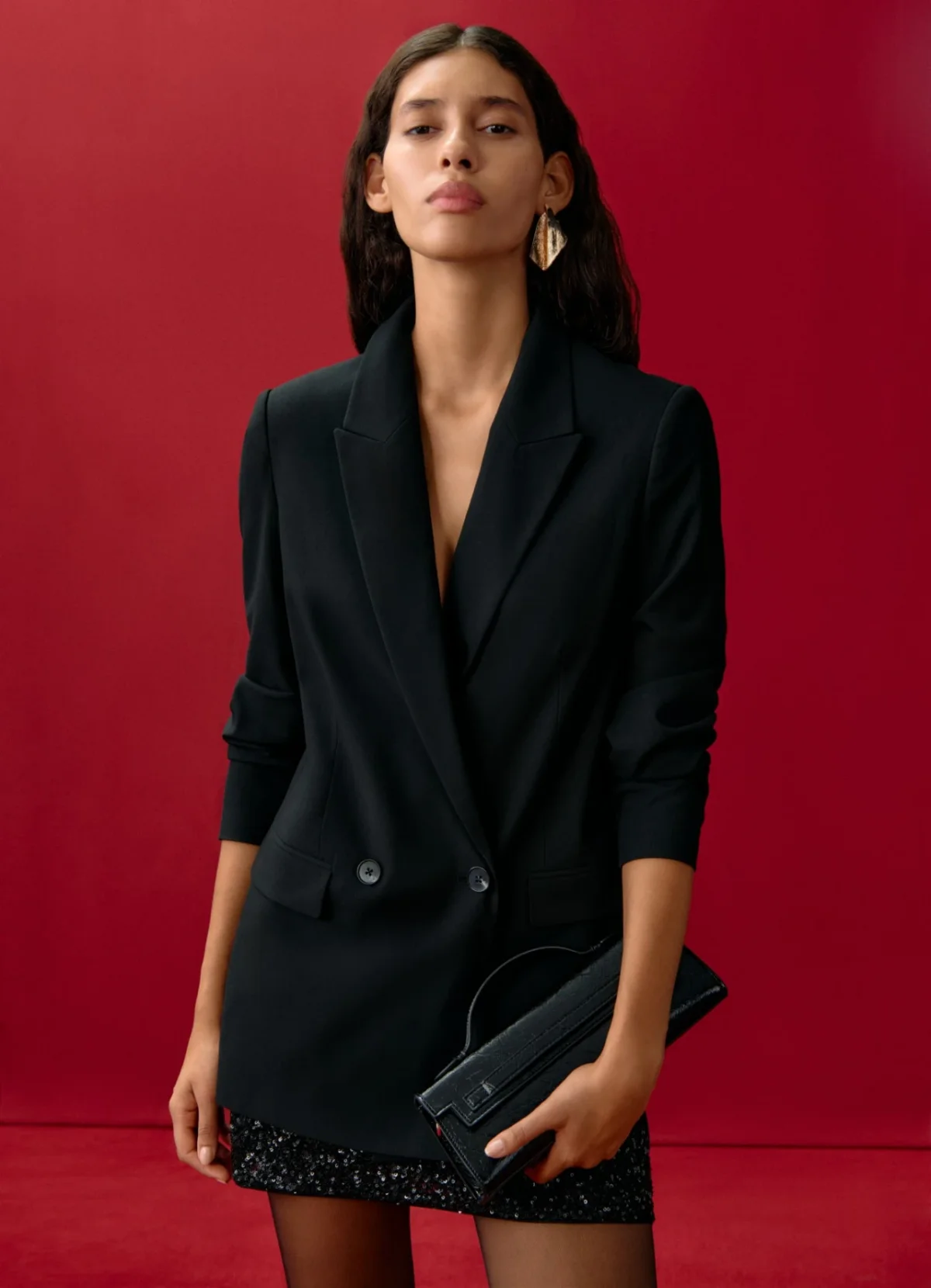

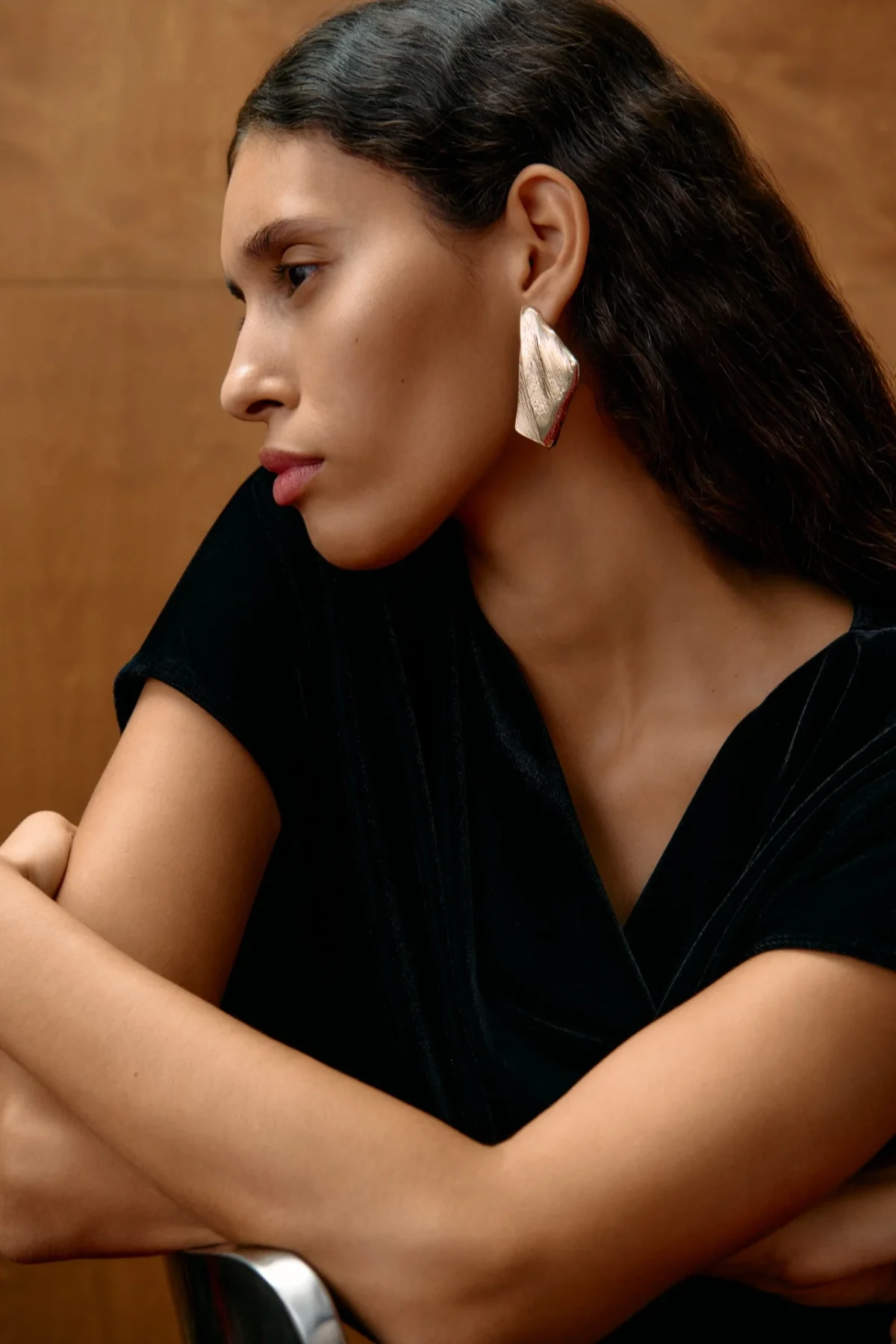
For a fast production schedule, involving makers while the concept is still taking shape can help teams see what’s practical and what it may cost earlier. Ozo says this reduces budget-driven rewrites and speeds the route into production. The method also puts decisions about the finished images in conversation with the idea itself, rather than leaving those decisions until later.
Ozo co-founder Emmanuelle Le Chat summed up the thinking: “The best ideas get better when the people who create them and the people who make them are in the same conversation.” She said the approach helped close the gap between idea and execution, save time, make budgets work harder and raise the quality of the work.
Be the Occasion’s strongest move is how the production supports the message. The polished lighting and composed styling earn the viewer’s expectation of luxury; the reveal makes that visual treatment feel available in a domestic setting. For designers working with value-led products, the takeaway is specific: build the aspiration into the art direction, then let the context show how the product belongs in real life.