Tuesday, November 3, 2026 · Graphic Design
Elie N’Guessan Turns Everyday London Scenes into Cinematic Photography
Noted by Ayla Angelos · 400 reads
The Peckham-born photographer blends familiar locations, relaxed direction and print-scanned texture to make portraits that feel both cinematic and lived in.
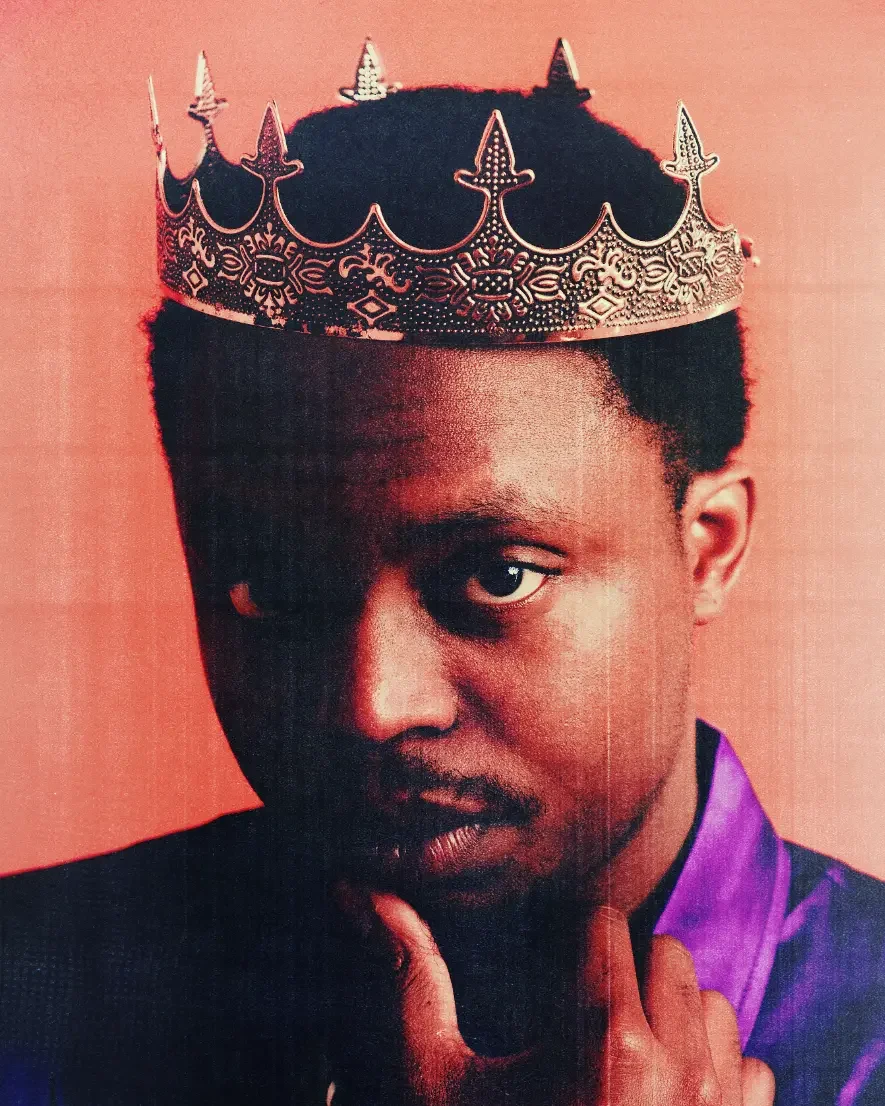
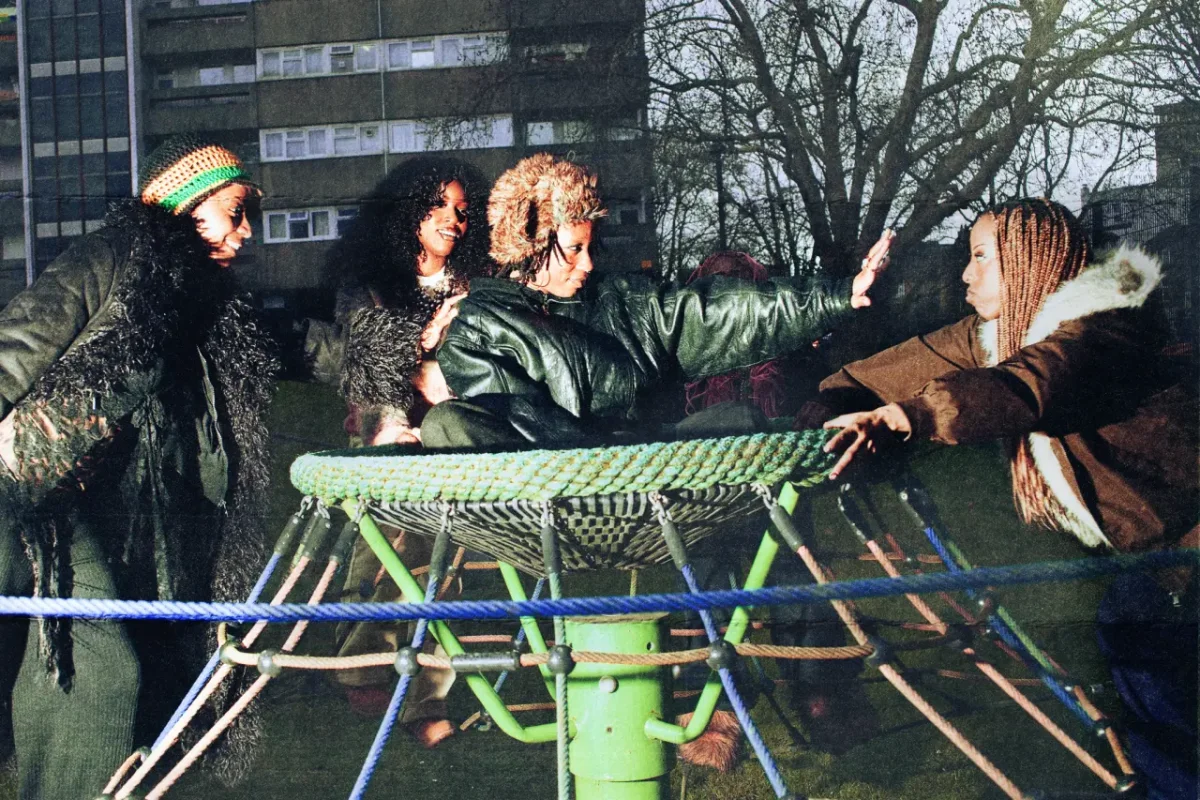
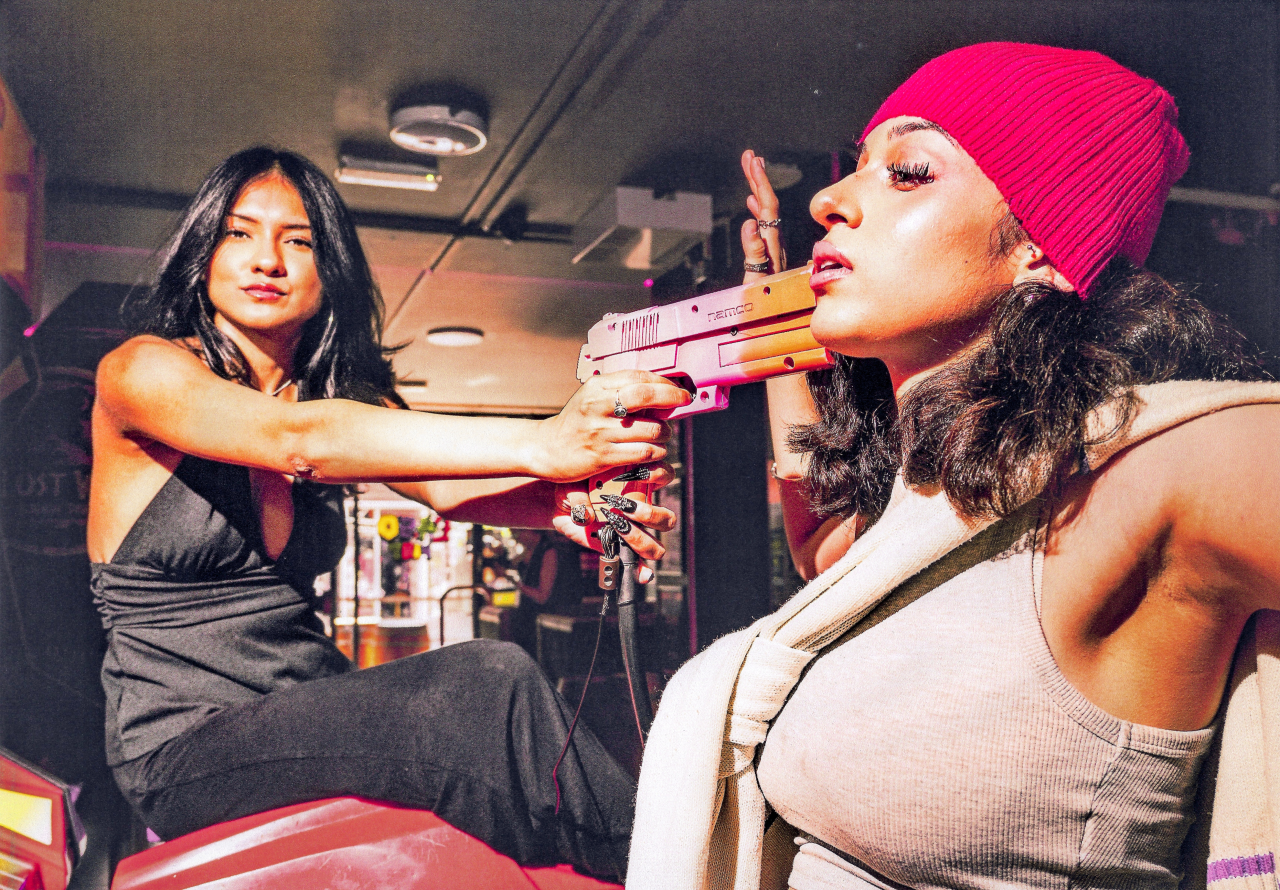
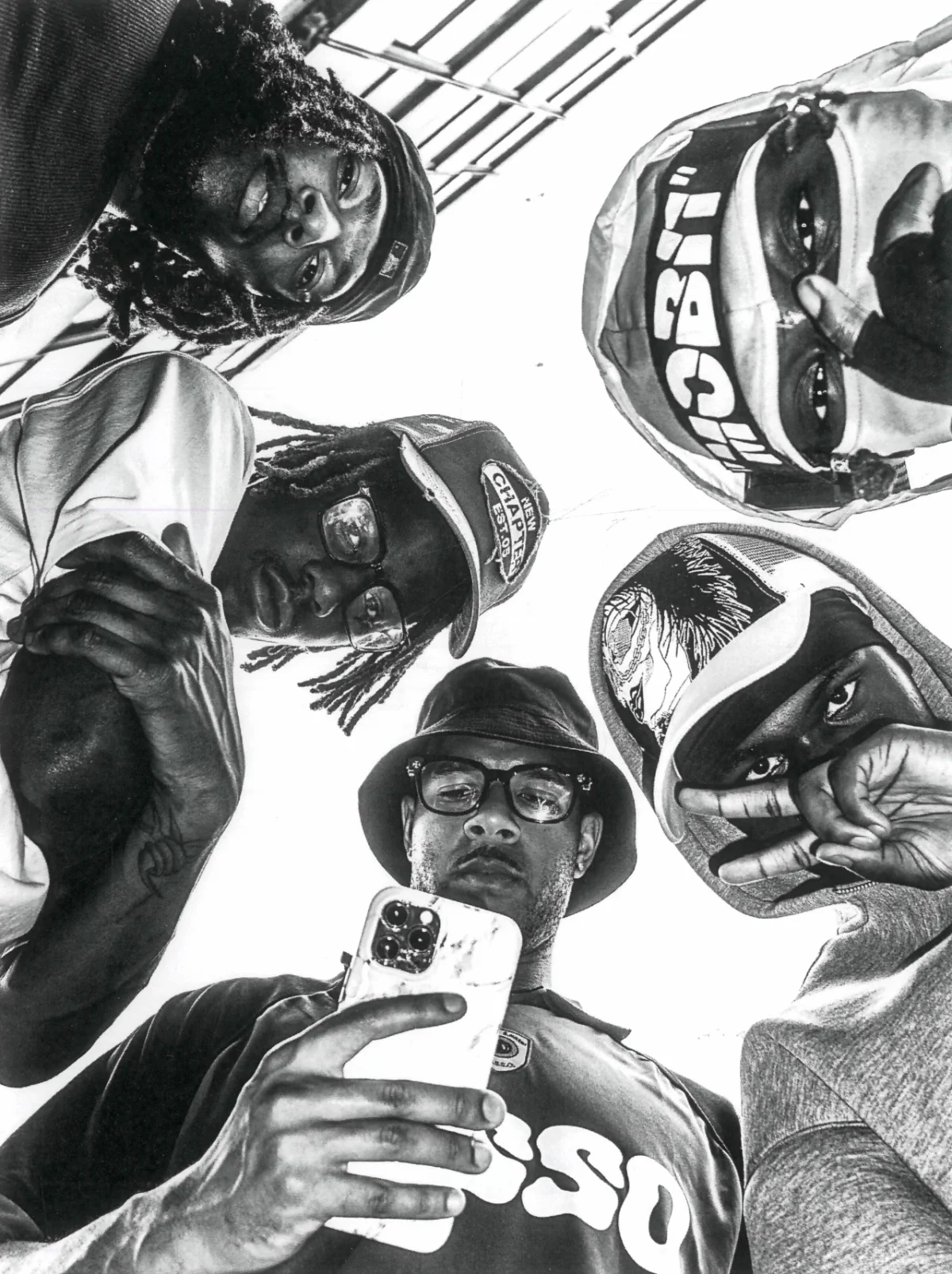
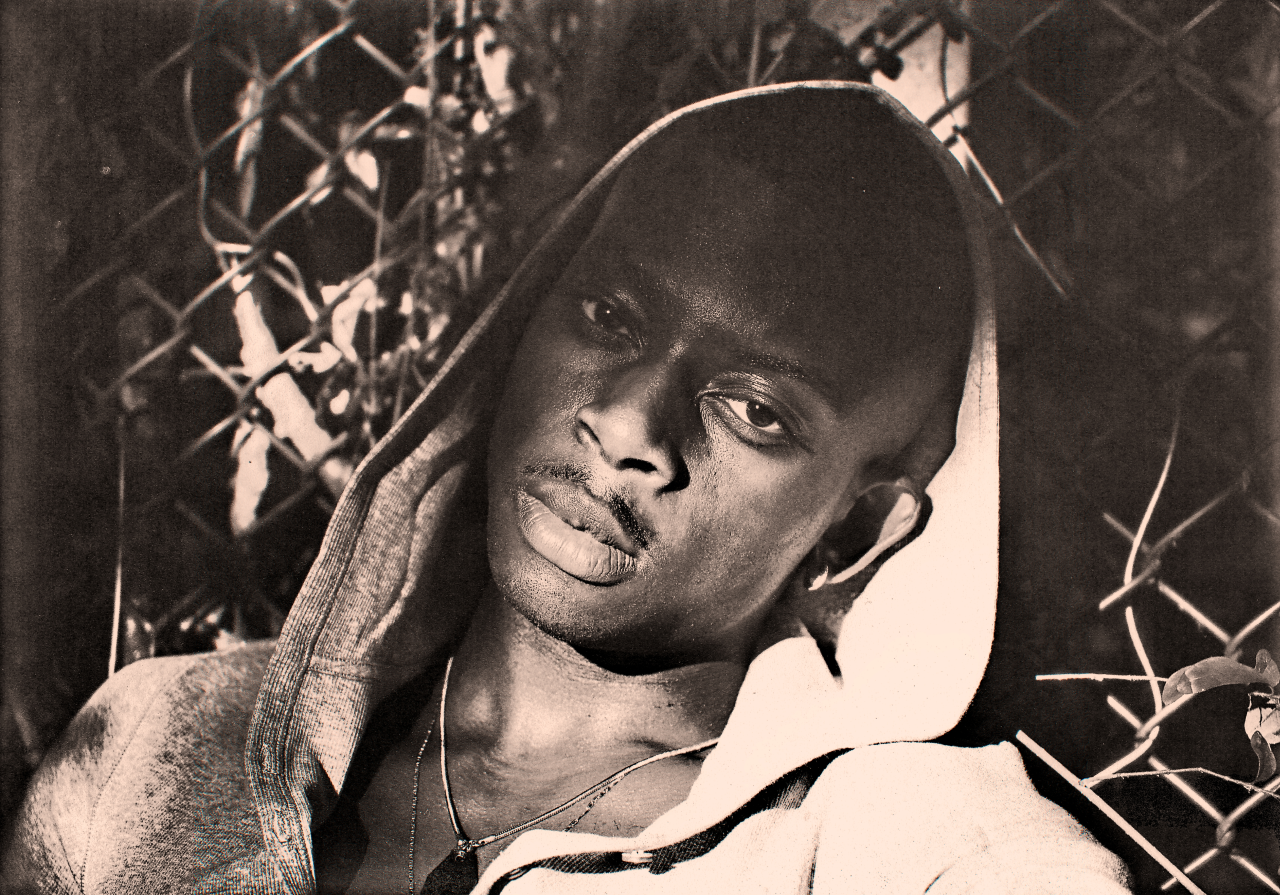
Elie N’Guessan’s photographs make ordinary places feel charged with possibility. A car doorway becomes a set for sportswear; a football crossbar draws a group of children into an improvised shoot. His images keep the details of South East London in view while using rich colour, movement and careful framing to give everyday scenes a cinematic pull.
Born in Peckham, N’Guessan studied Product Design at Central Saint Martins before turning his camera into a way of meeting people and finding his footing socially. Photography began as an outlet alongside his degree, then grew into fashion, editorial and commercial work, with magazine features and exhibitions. Friends came to know him as the one carrying a camera. That recognition helped him see the practice as something he wanted to pursue seriously.
His references include photographer Gabriel Moses and creative collective Cashmere. What connects the work he admires is a mix of film-like atmosphere and believable human detail. London supplies plenty of material: its varied communities, street style and chance conversations can all spark an image. N’Guessan often starts with what’s already around him, then looks for a way to make a familiar person or place register differently.

Familiar settings, a different frame
That approach is clear in Dobs on the Back Seat, a spec project for Adidas. Models in tracksuits gather at a car doorway, framed by a coral-red wall and a glimpse of the three stripes. The everyday location gives the sportswear a different visual context from a conventional studio presentation. N’Guessan set out to bring a more cinematic feeling to the images and use the project to explore the kind of commercial photography he hopes to make more often.
The scene also shows how a location can do more than provide a backdrop. A car suggests a temporary meeting place; the crowded entrance gives the models a shared space to occupy. The bright wall and teal surroundings add strong blocks of colour, while the group arrangement makes the frame feel social rather than like a sequence of isolated product poses. Those choices keep the clothing visible while giving the picture a sense of place.
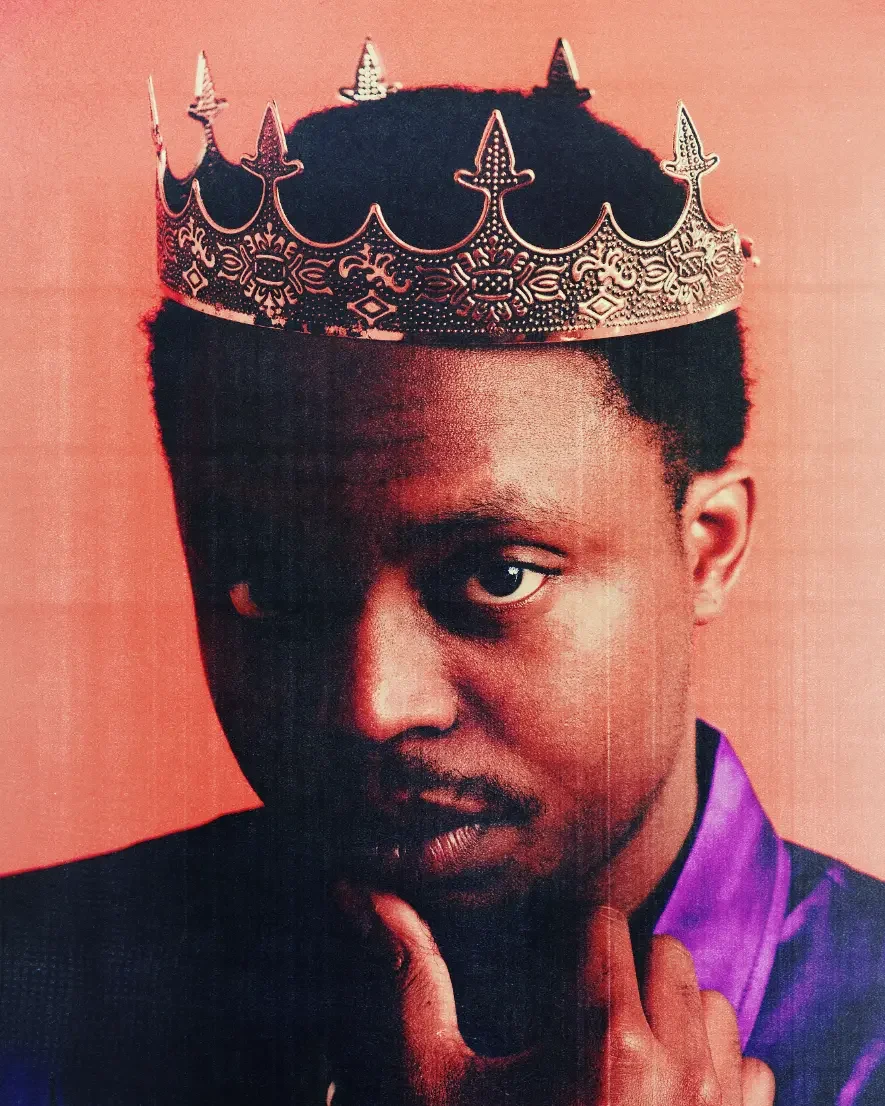
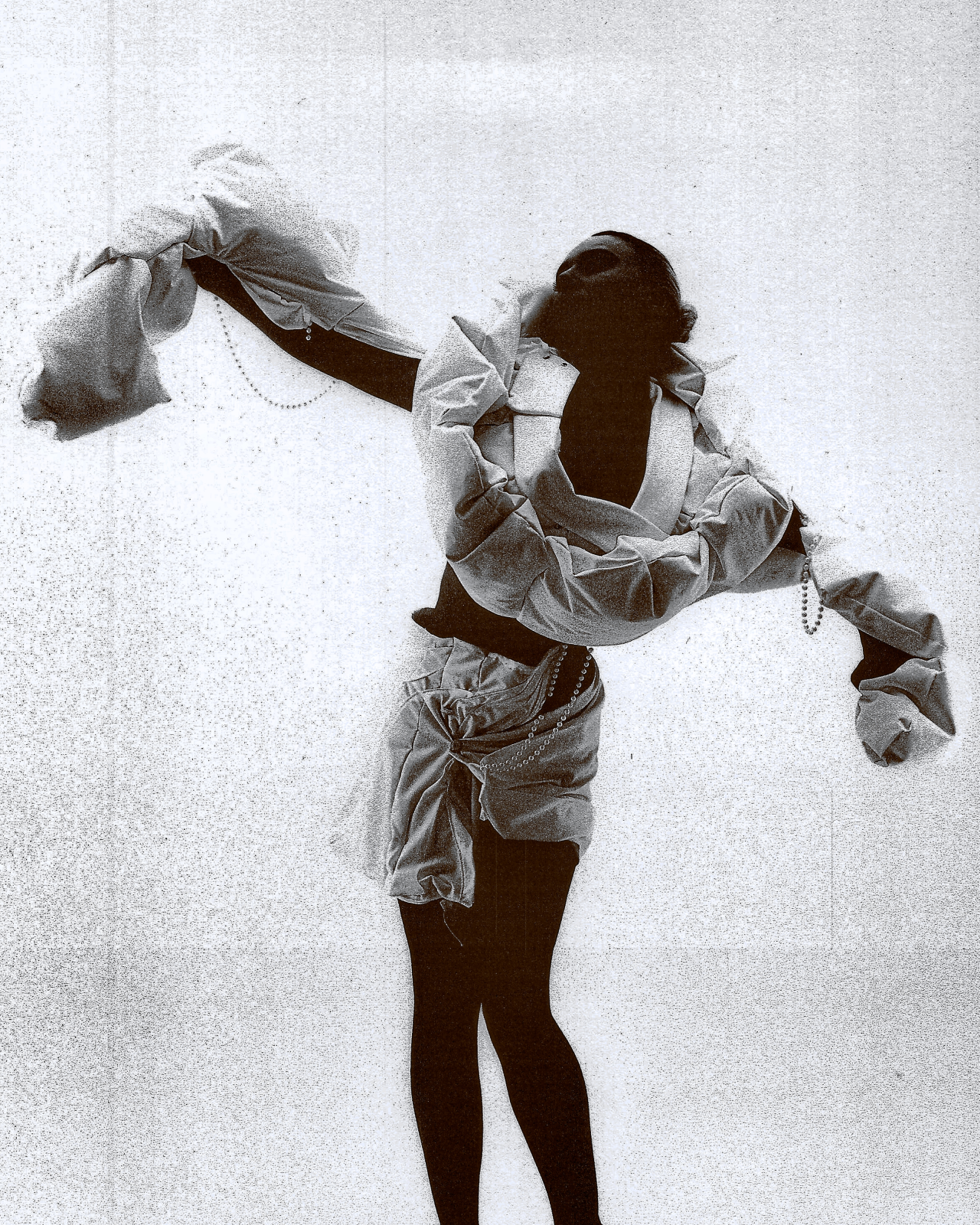
N’Guessan’s finish supports that balance between polish and lived-in detail. After a shoot, he prints his photographs and scans them back in. The paper introduces dust and grain, leaving small imperfections in the final image. He likes that texture because a perfectly clean surface can make a photograph feel too controlled. For image-makers, the process is a practical way to add physical character after the shoot: print, scan, then decide how much of the paper’s marks belongs in the final frame.
Making room for what happens
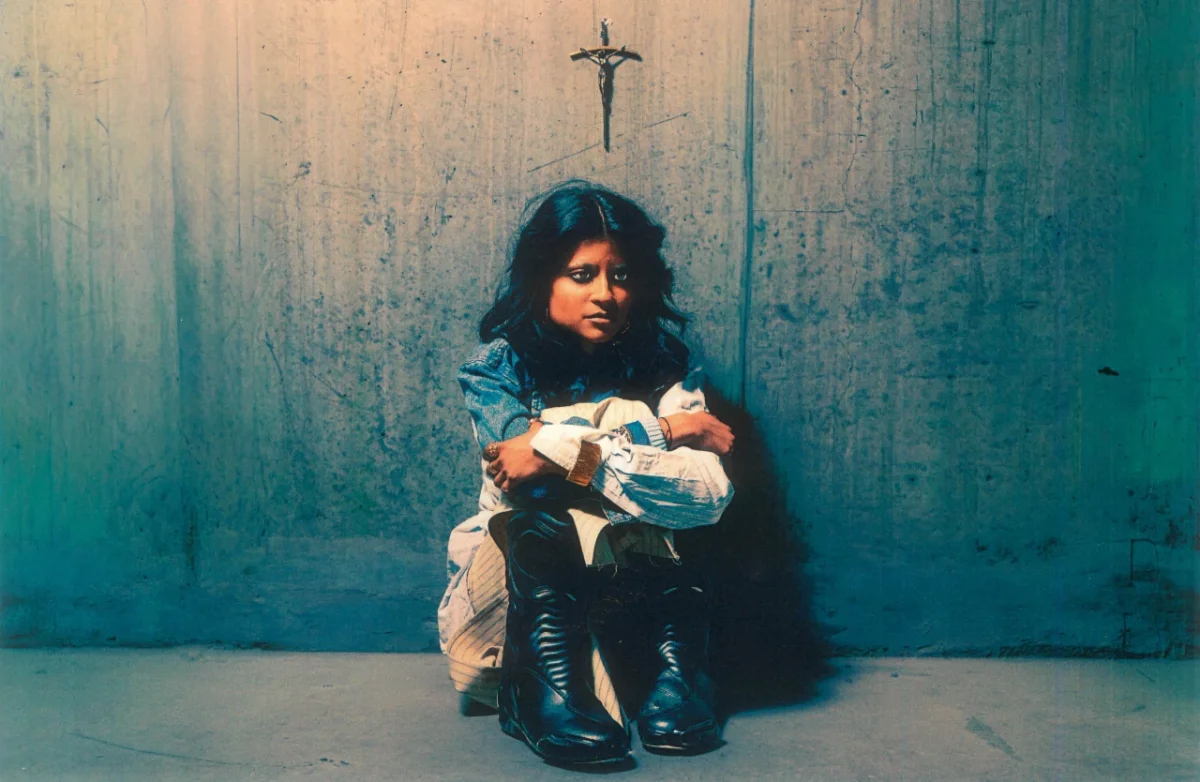
In God Helps Us All, the photographer turns inward. The project reflects on his relationship with faith and a period when he struggled to find purpose, using distraction to dull a sense of emptiness. One photograph places a young woman against a weathered wall, with a small cross above her. Her forward gaze and the sparse surroundings give the image a feeling of searching. The setting carries personal meaning without crowding the portrait with explanation.
A different kind of discovery shaped Daycare’s Over. N’Guessan had arranged a test shoot with two models when four children came over to watch. Their curiosity changed the direction of the session. During a break, he used a football crossbar as a makeshift set: the children played around it while the models took on the roles of tired after-school club workers. The resulting photographs, made in front of a blue brick wall, came from a situation he hadn’t planned.
That openness is part of his working method. N’Guessan aims to keep a shoot relaxed, so people can move and try poses without feeling locked into a single arrangement. A loose environment doesn’t mean the image lacks direction; it gives the photographer more chances to respond to a gesture or interaction that wasn’t on the shot list. For teams working with people rather than objects alone, that can be a useful prompt: set a clear visual idea, then leave space for the subject to affect the picture.
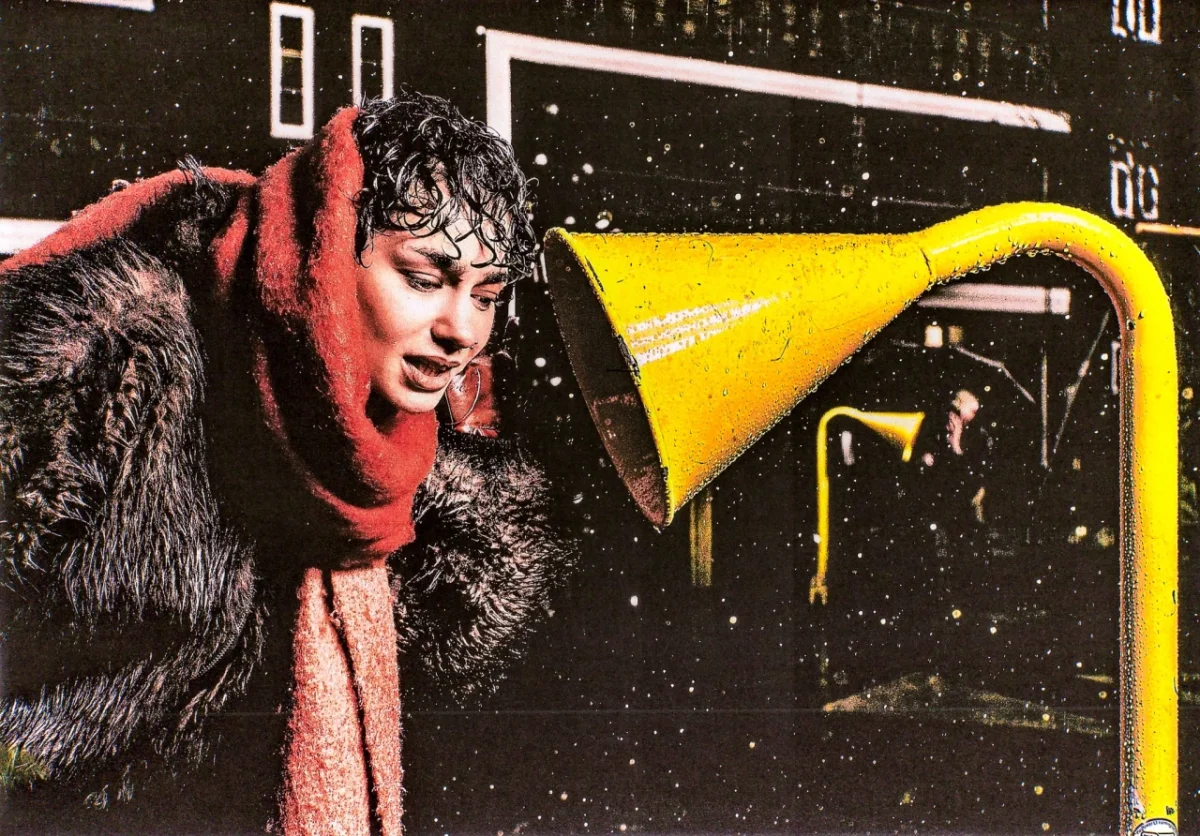
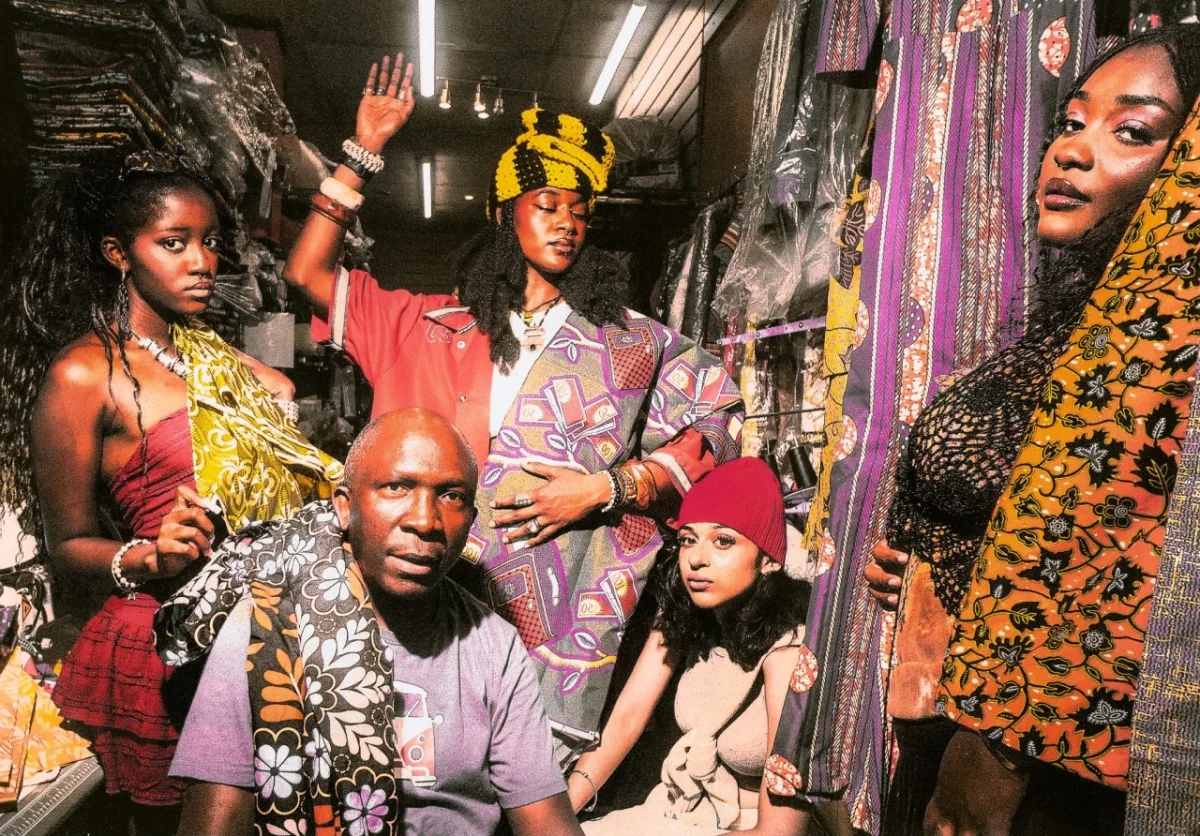
Across the portraits and group scenes, N’Guessan is interested in redirecting attention toward people, locations and clothing that viewers might otherwise pass by. His images don’t need elaborate sets to do that work: a wall, a vehicle or a playground structure can supply the frame. What matters is how he combines those details with colour, human movement and a finish that leaves some texture intact.
He hopes to work with more photographers, stylists, magazines and brands, while continuing to document London through portraiture. Travel to other parts of the UK is harder to manage because of train costs, so his next steps will also depend on what he can make close to home. For now, his practice points to a useful idea for photographers: keep looking at the places and people already within reach, and let the unexpected parts of a shoot become part of the picture.