Tuesday, November 3, 2026 · UX & UI Design
Moho Turns Strangers’ Dreams Into Shimmering, Unsettling Animations
Noted by Ayla Angelos · 519 reads
The Seoul-based artist builds dreamlike scenes from submitted stories, using pearls, sequins and fragile glass textures to hold beauty and unease together.
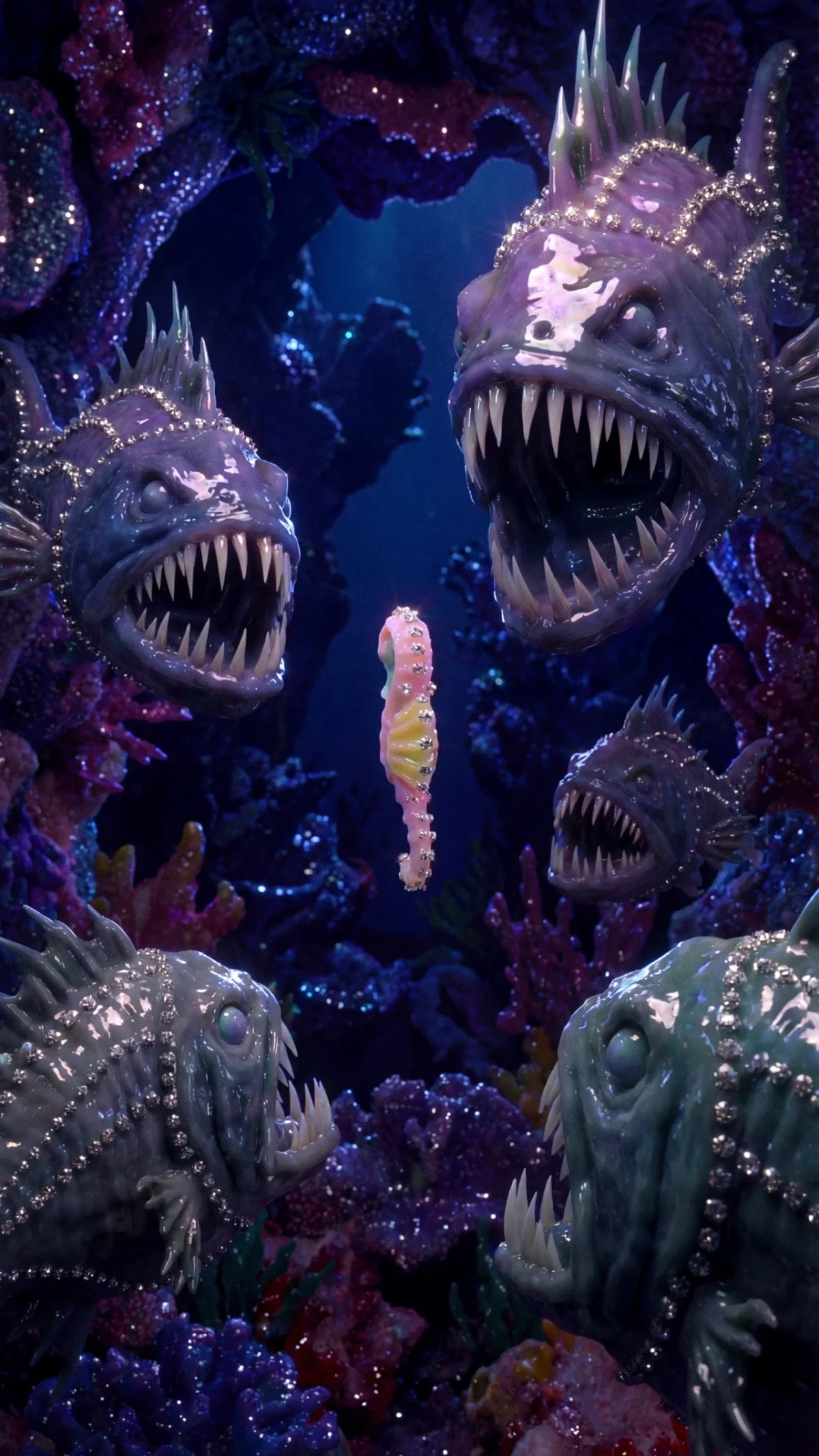
Moho’s dream animations make small details carry two feelings at once: a jeweled seahorse looks delicate, but swims among sharp-toothed fish; a pale bird seems free, while its human counterpart stands trapped in a crowd. The Seoul-based artist builds these scenes from dreams sent by strangers around the world, giving difficult-to-name experiences a vivid, tactile form.
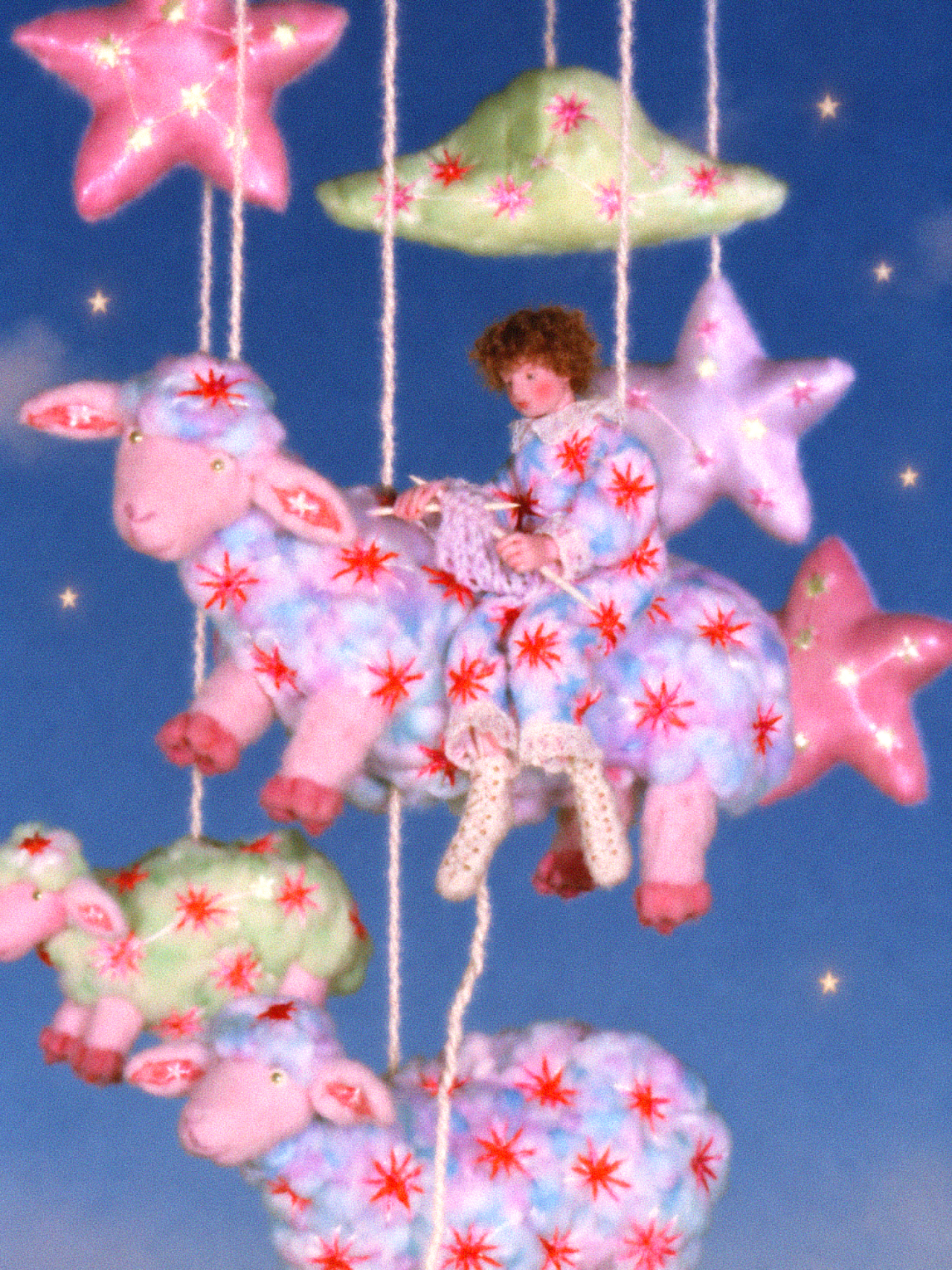
Hundreds of people have shared their dreams through an online form. Their accounts range from a boy discovering an ocean beneath his bed to a shepherd stringing constellations across the night. In another, a mermaid gives away one scale and then weeps gemstones. Moho turns such stories into short videos filled with velvet, pearls and sequins, often set against deep blue skies. The gleam draws the eye; the strange or uneasy detail keeps the images from settling into simple fantasy.
The artist’s name comes from mohohada, a Korean word meaning “to be ambiguous.” Dreams suit that idea because their images and meanings can shift even as we try to recall them. “A dream is something we've experienced, yet it can be difficult to explain, and even the memory of it changes after we wake up,” Moho says. After reading submissions, the artist noticed that beauty and discomfort often appeared together. A lovely image could feel unsettling, while a frightening one might contain tenderness. Moho’s work stays in that overlap.
Building a world from texture
Moho grew up in a small South Korean city and now works in Seoul. A media art degree introduced the artist to technology as a way of expressing an inner world. Later, Moho worked as a new media planner while continuing to develop a personal creative practice. Two lessons from a professor still inform the approach: “Use technology, but don't let the audience notice it. Before their eyes, technology should become magic.” The other was that even lighting a small bulb could create a remarkable world.
That thinking extends to AI, one of the tools Moho uses in the studio. The aim is for the means of making to recede behind the scene, so viewers can feel that its world might exist. This is a useful distinction for designers working with unfamiliar tools: technique matters, but its role in the finished work is to support the experience, not compete with it.
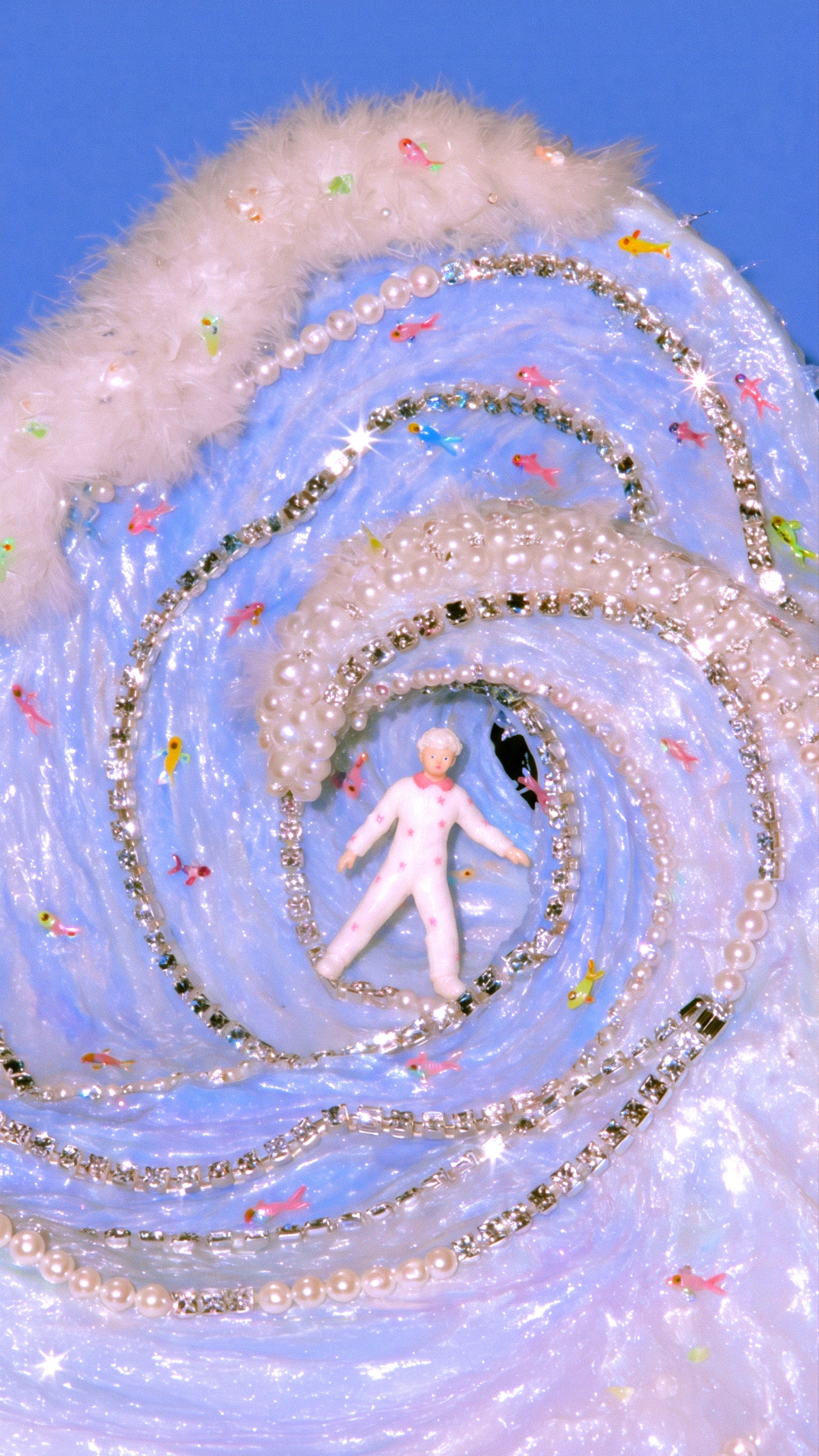
Each piece begins with a dream and a key visual. Moho looks for an image that arrives naturally while reading the account, then works to find the material that fits it. Glass, jewels, tulle and fur can change how the same shape feels. A seahorse rendered as soft fabric would suggest something different from one that seems made of brittle glass.
Once a material and image begin to click, the story develops through making. Moho keeps the plan loose because discoveries in one image can point toward the next. The ongoing check is whether each element belongs to the same world and whether the original feeling that drew the artist to the dream remains present. That process treats texture as part of the storytelling: sheen can signal wonder, while an almost breakable surface can add tension.
Fragility as a visual direction
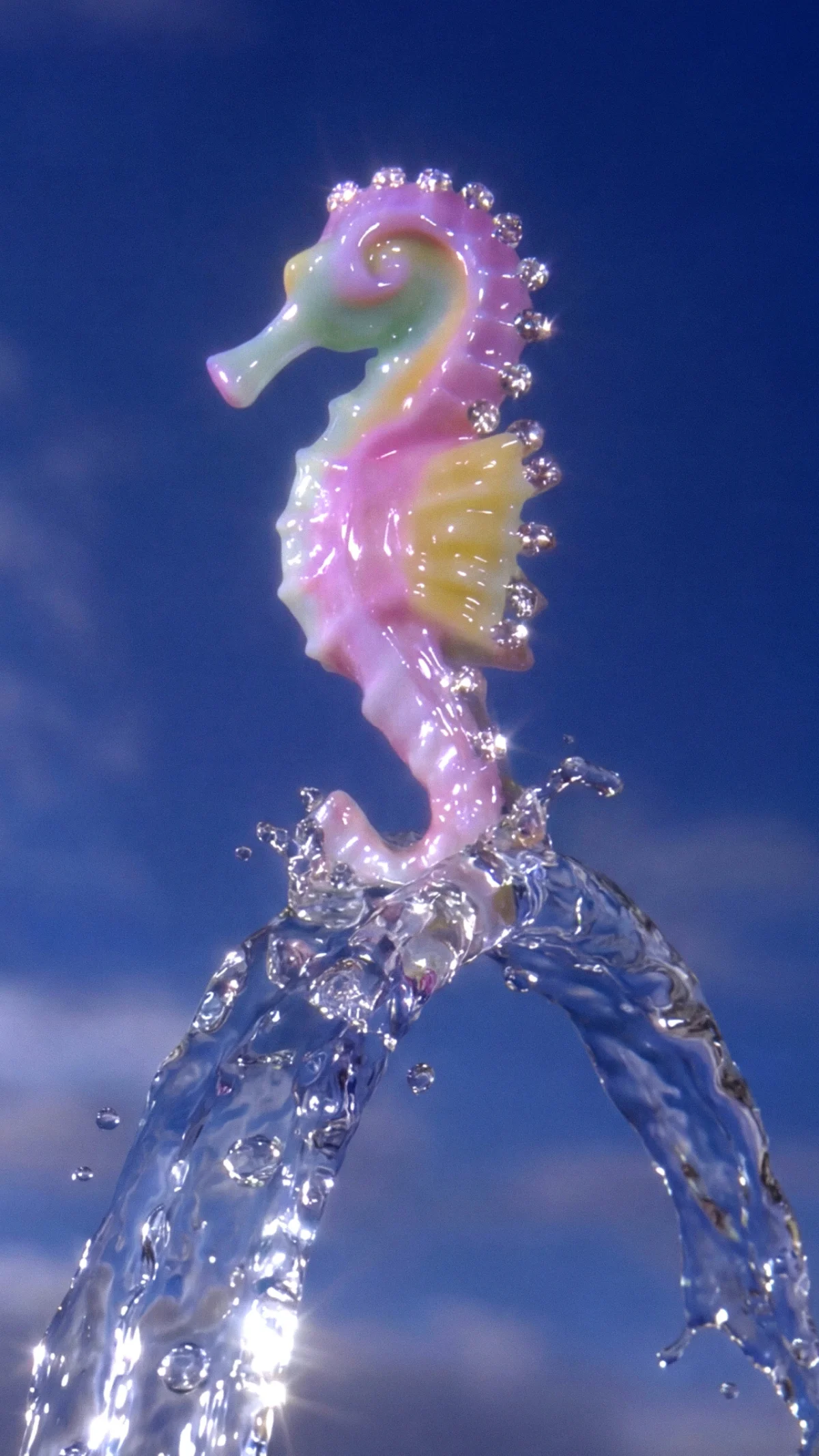
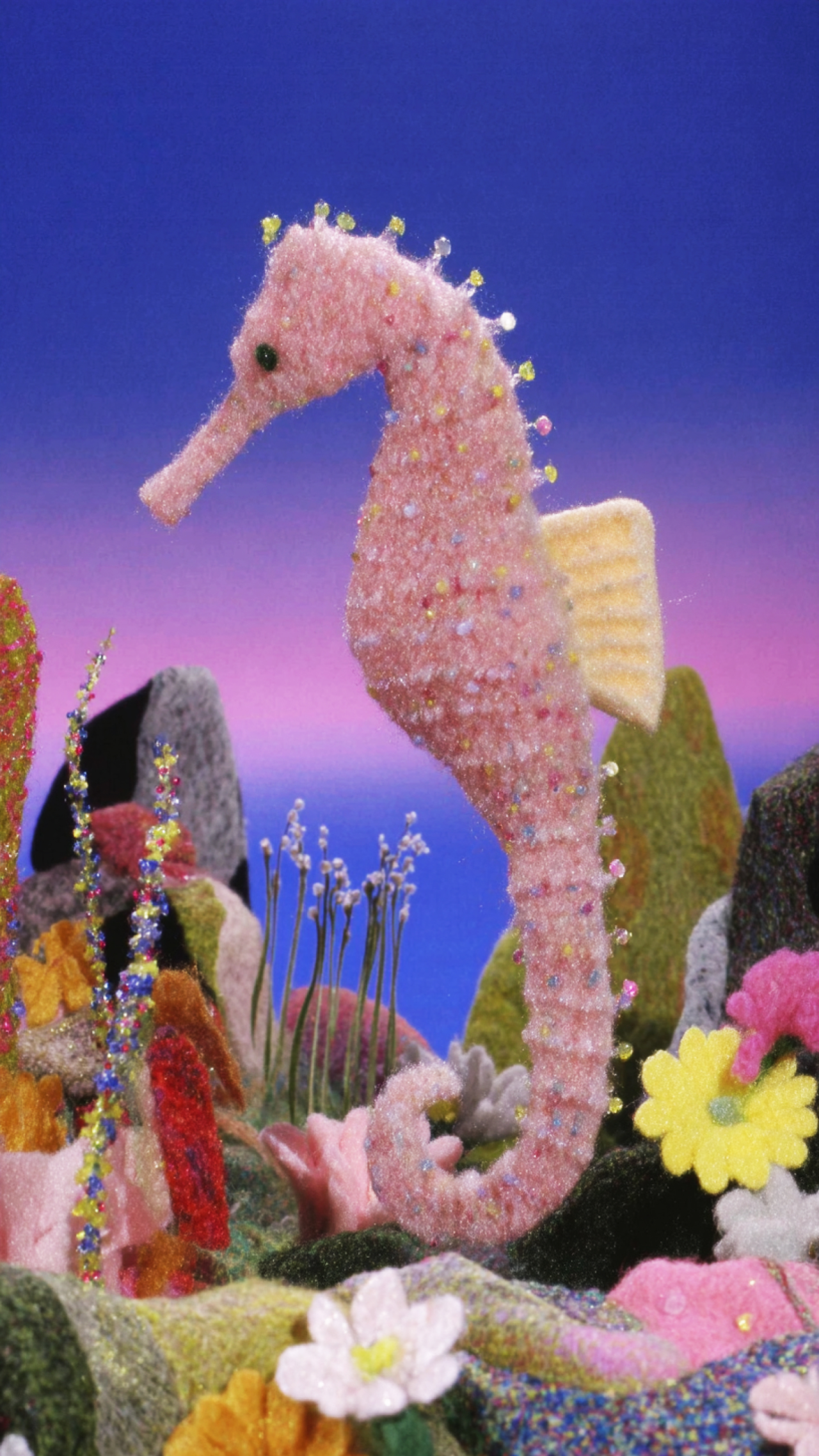
Dream of a Little Seahorse helped Moho bring the practice into focus. The artist wanted a story that could introduce the world of Moho through a single image. Its central creature is fragile and out of place underwater, and longs to fly. In the video, the pink-and-yellow seahorse, studded with pearls, rises from crystal-like water into a blue sky. Another scene places a tiny version of it among snarling fish.
Glass-like textures run through the piece. Moho says their apparent fragility—the sense that an object might break—echoes the uncertain quality of dreams. The work marked a shift from an earlier practice centered mostly on 2D illustration, helping the artist see how well these surfaces could carry dream imagery. It also brought the work to a wider audience.
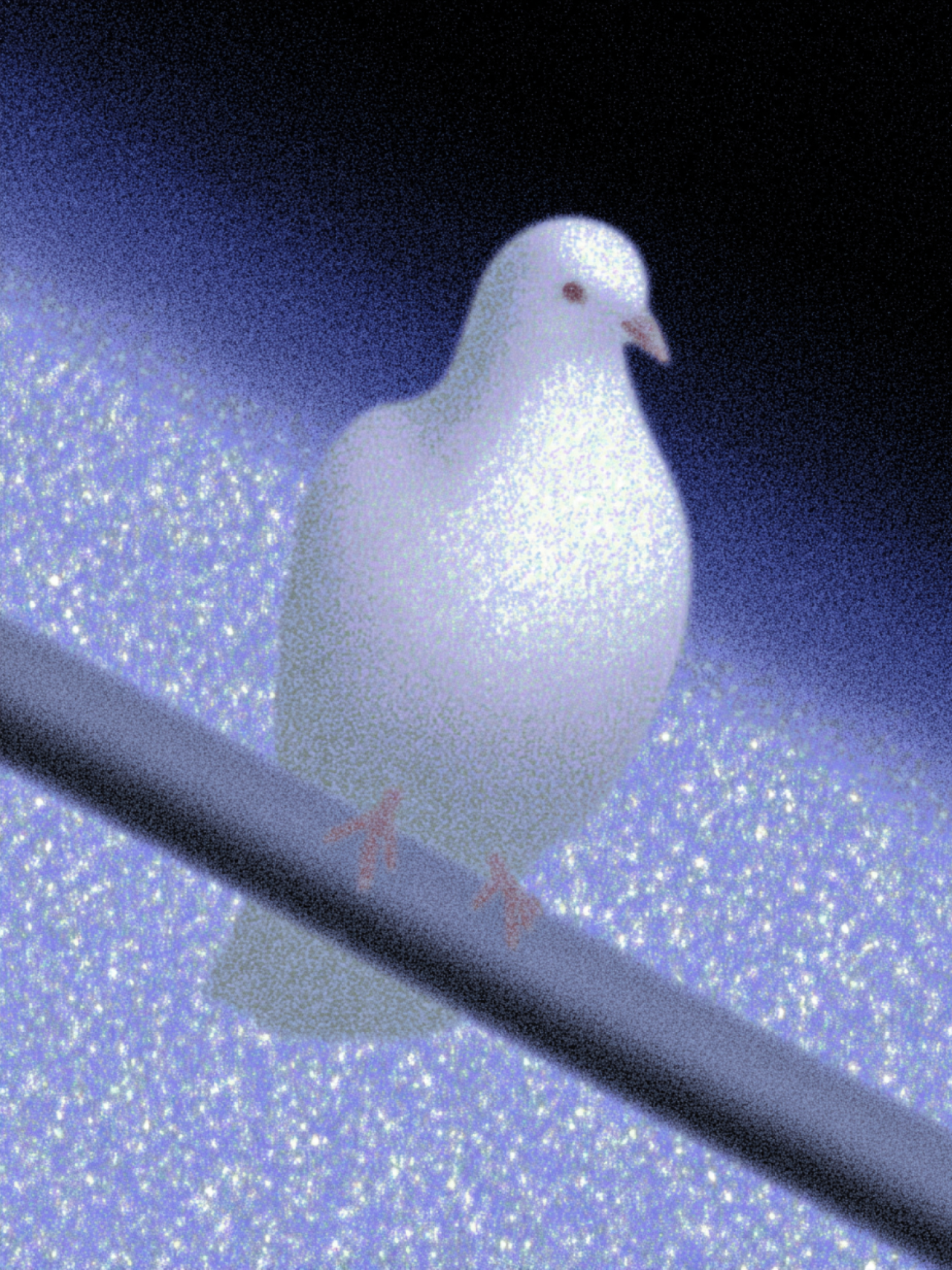
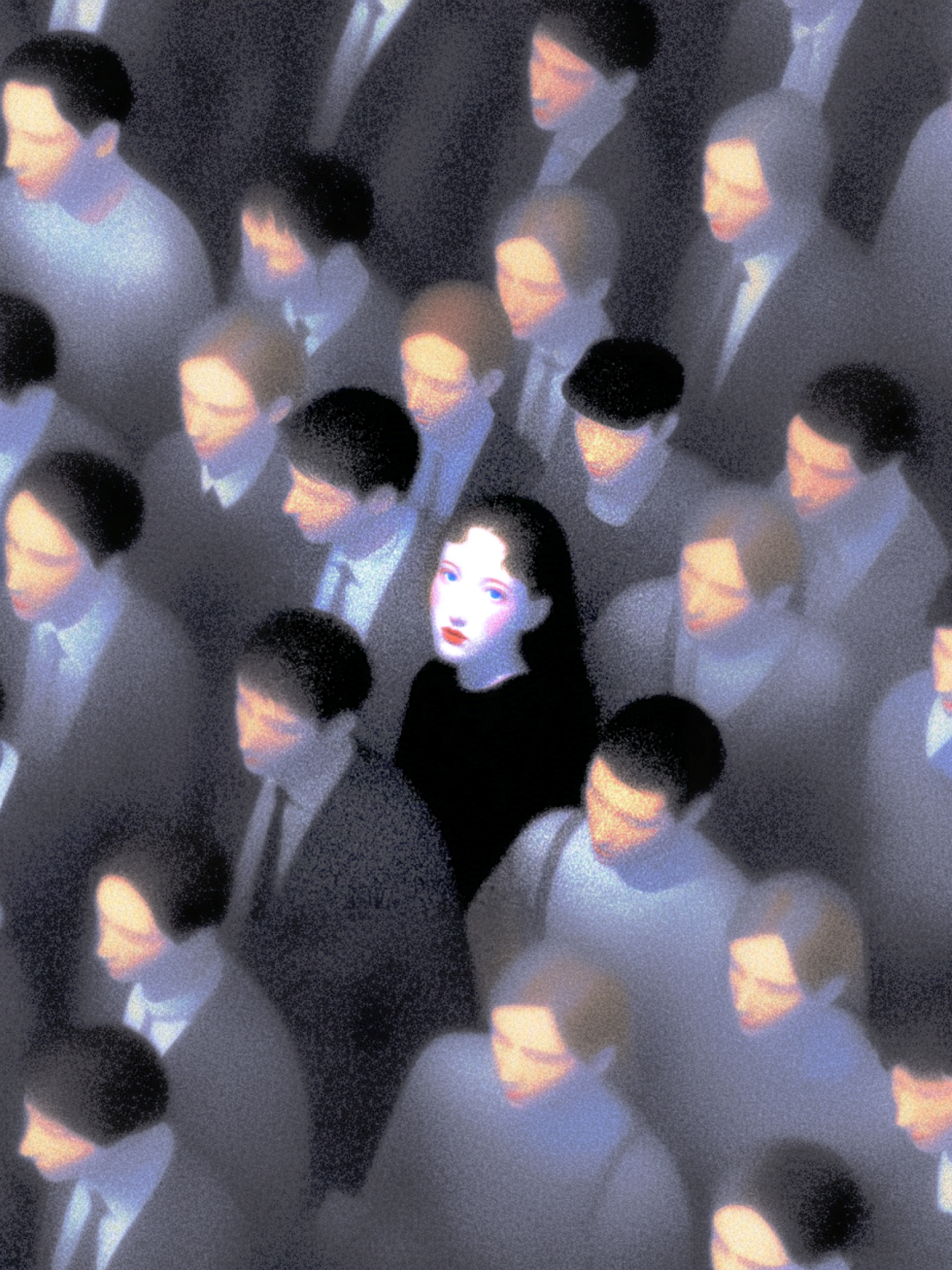
Looking Back at Myself draws on Moho’s own dreams during a period of office work when the artist felt trapped. A bird appeared inside a subway, prompting the thought, “I wish I could be that bird”. Then came the recognition: “I realised the bird was me.” The animation sets a white dove against a dark pole and a subdued crowd of suited commuters, with a pale-faced woman among them. The dream joined the self that felt confined with the self that could be free.
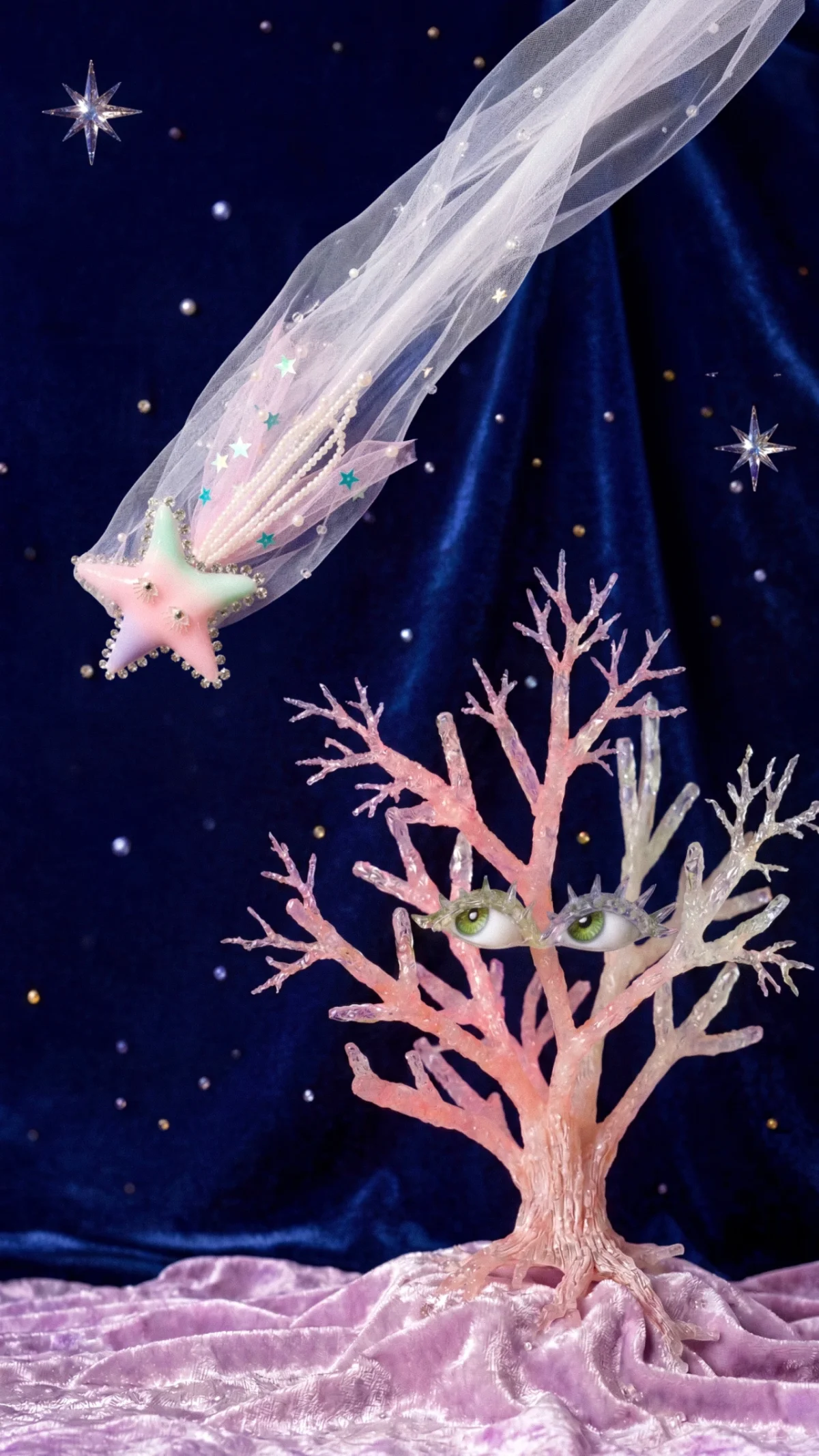
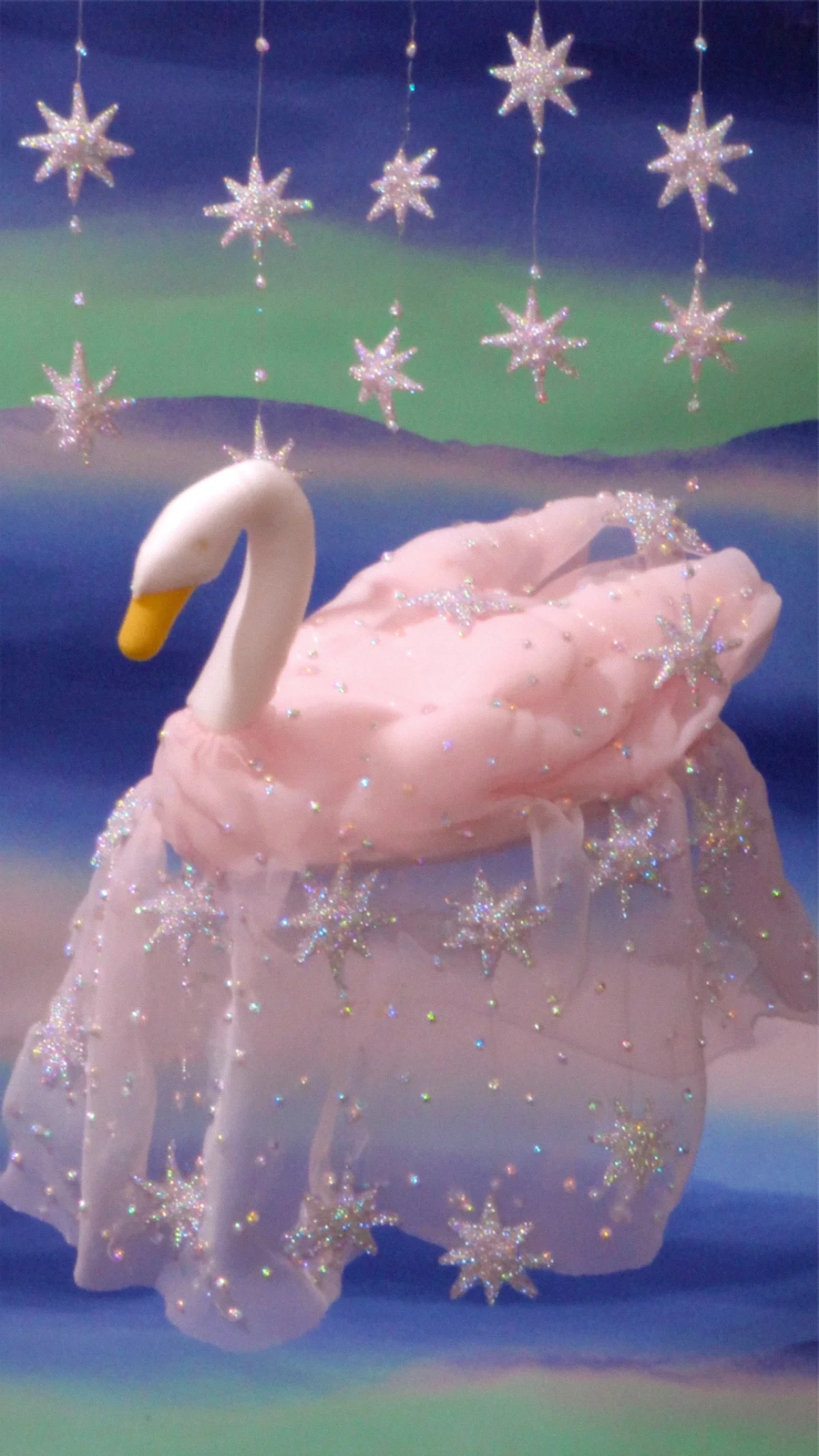
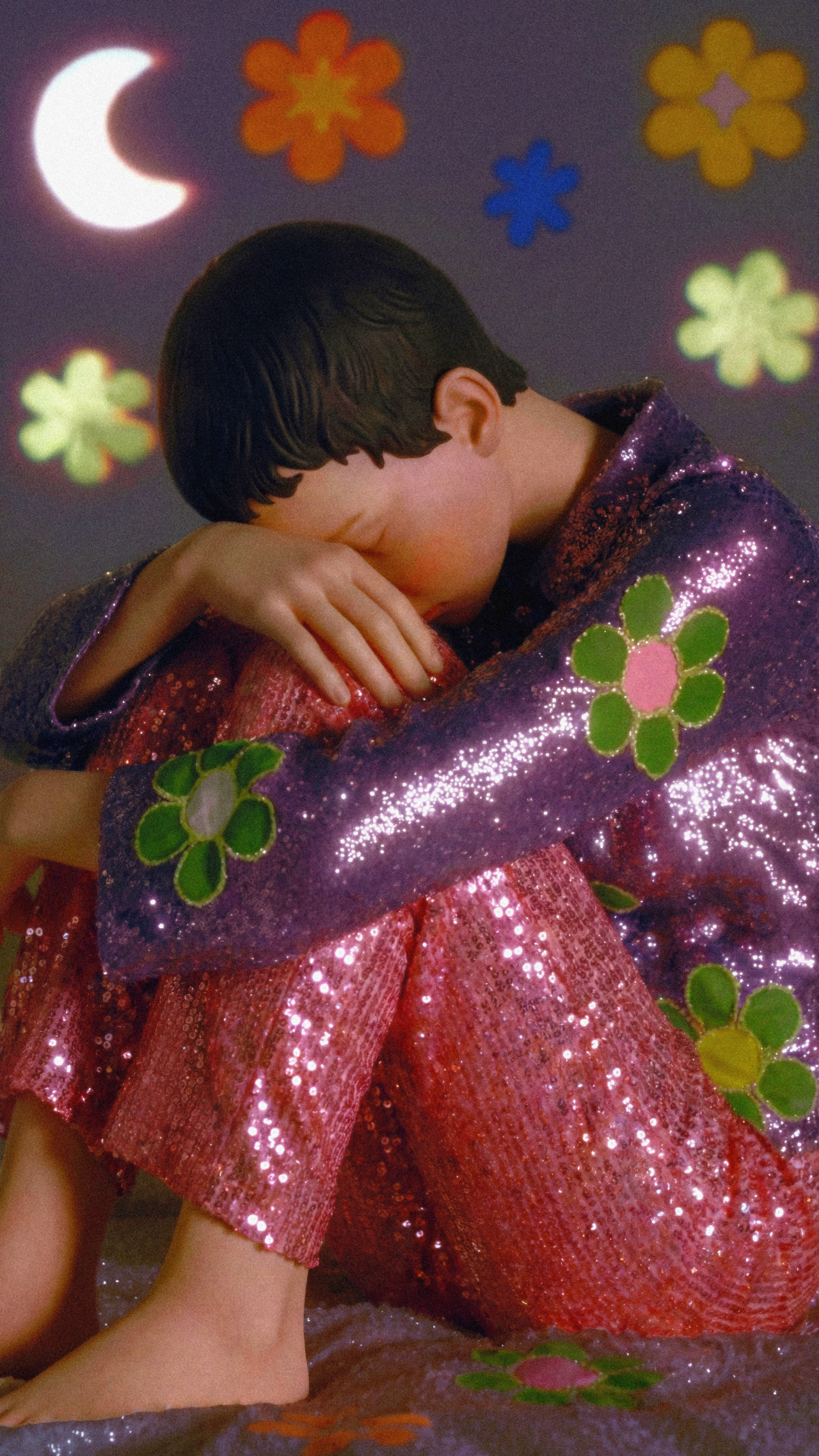
Across the series, a star falls toward an eye-covered coral tree, a swan formed from pink tulle crosses a night sky, and a boy in a sequinned suit curls among flowers. These scenes are recognizable enough to invite a viewer in, yet strange enough to preserve the shifting logic of sleep. Moho hopes someone might meet an unfamiliar image and think, “I know this feeling”. The practical lesson in the work is in that balance: keep the visual language coherent, but leave room for the image to hold conflicting emotions. That gives an unnamed feeling somewhere to stay—and gives viewers a way to recognize one another through different dreams.