Wednesday, November 4, 2026 · UX & UI Design
The Snowman Live With Orchestra: A Film Reframed for Cathedrals and Communities
Noted by Tom May · 361 reads
Carrot Productions pairs The Snowman with live music, local singers and singalong signing, showing how a familiar film can find new audiences.
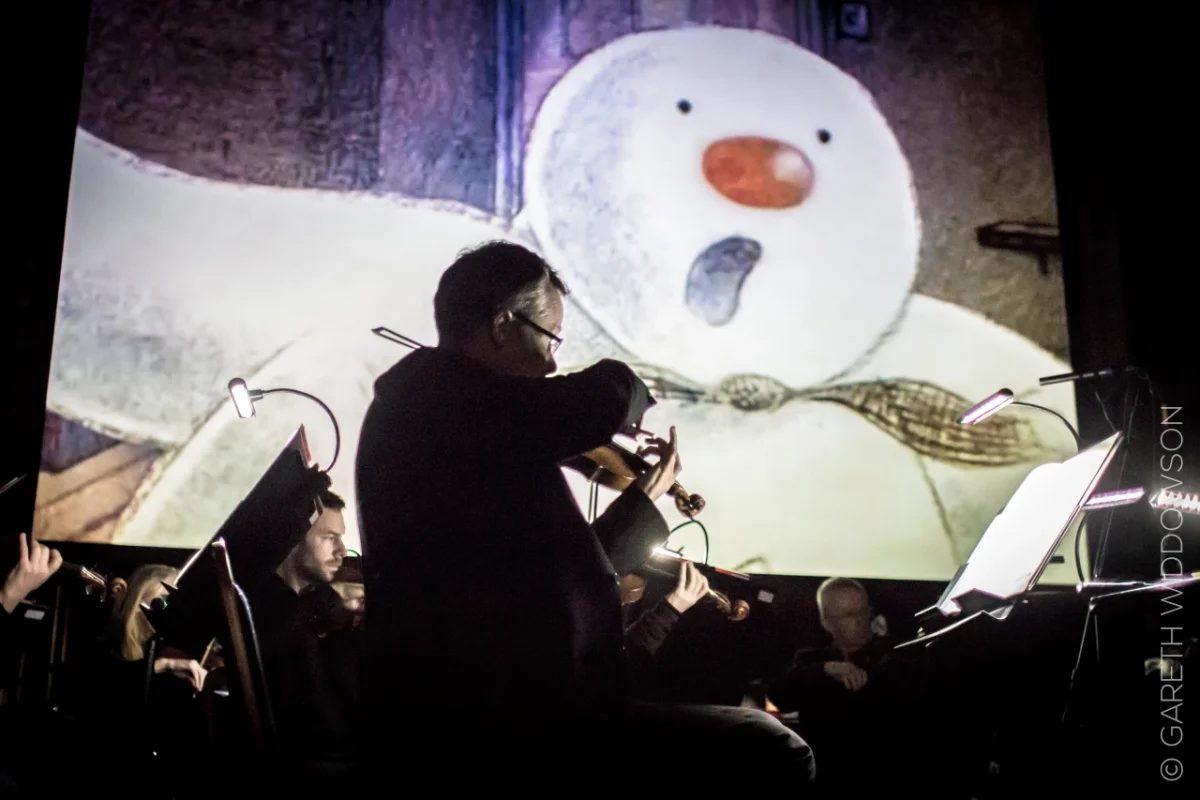
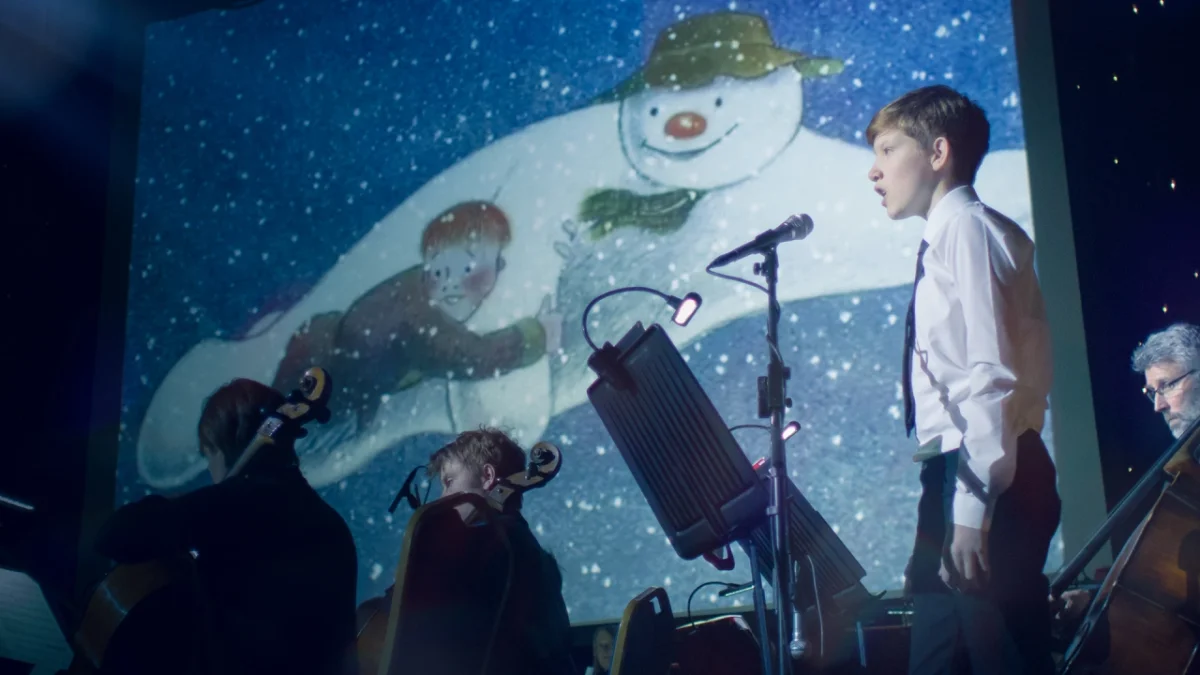
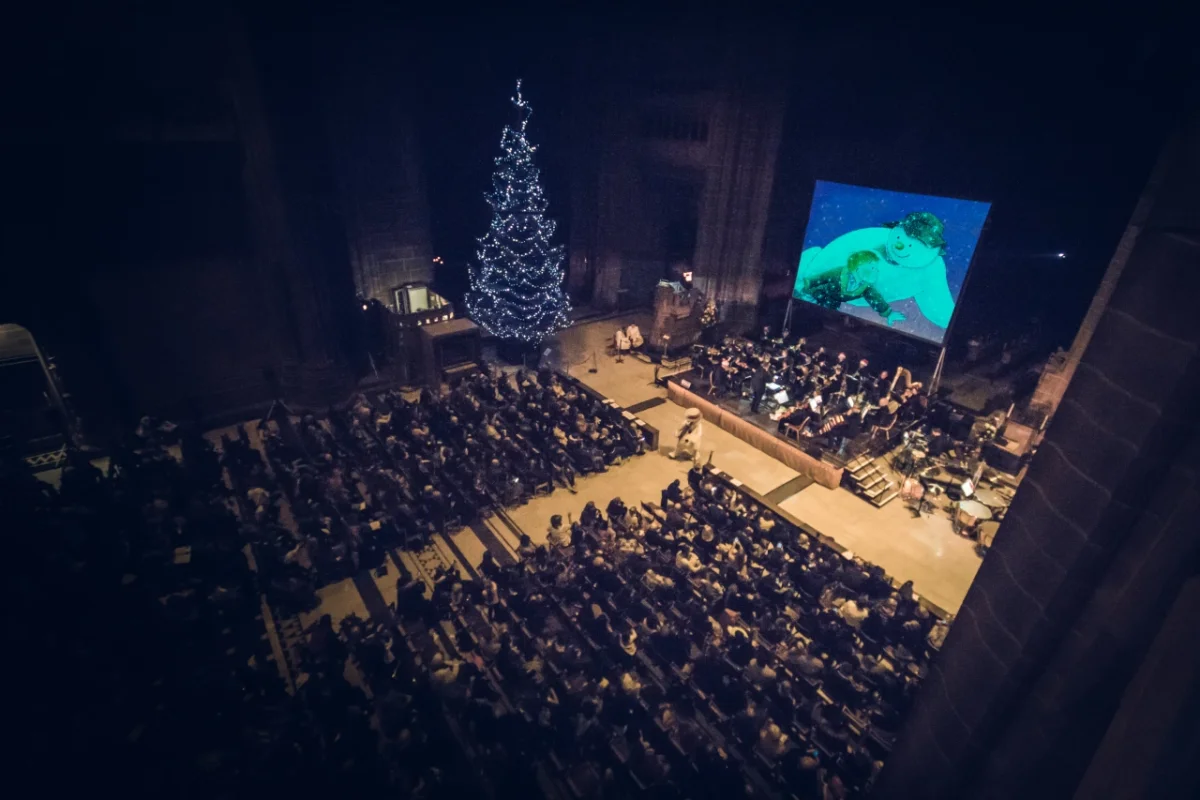
A film can outgrow the room where people first watched it. This winter, The Snowman moves from its familiar television slot into cathedrals and other venues, with a live orchestra, local young singers and a closing singalong. The format gives a well-known animation a new kind of attention: the music and images share the space with performers and audience members.
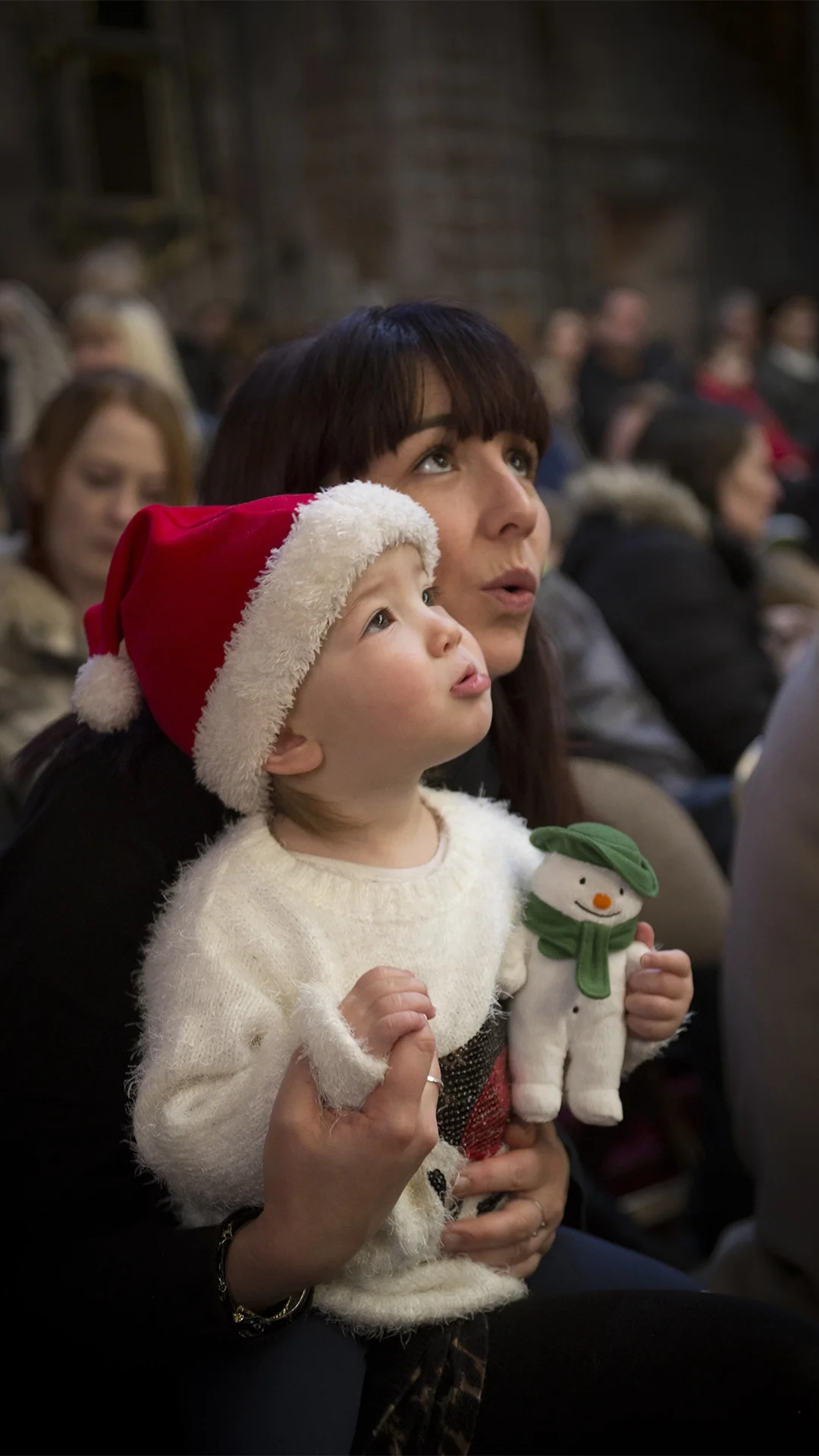
Carrot Productions, which specialises in screenings accompanied by live orchestras, is presenting 32 performances across 14 venues from 29 November to 22 December. The itinerary includes Liverpool, Durham, Guildford and Chester cathedrals. The programme pairs the 1982 film with Fleece Navidad, an episode of Shaun the Sheep newly adapted for orchestra in the year of Aardman's 50th birthday.

A familiar film in a different room
Based on Raymond Briggs's illustrated book, The Snowman first appeared on screen 44 years ago. In the UK, generations have grown up with its annual Christmas television repeat. Seasonal cinema screenings have also made it a regular big-screen experience, sometimes shown alongside its 2012 sequel, The Snowman and the Snowdog.
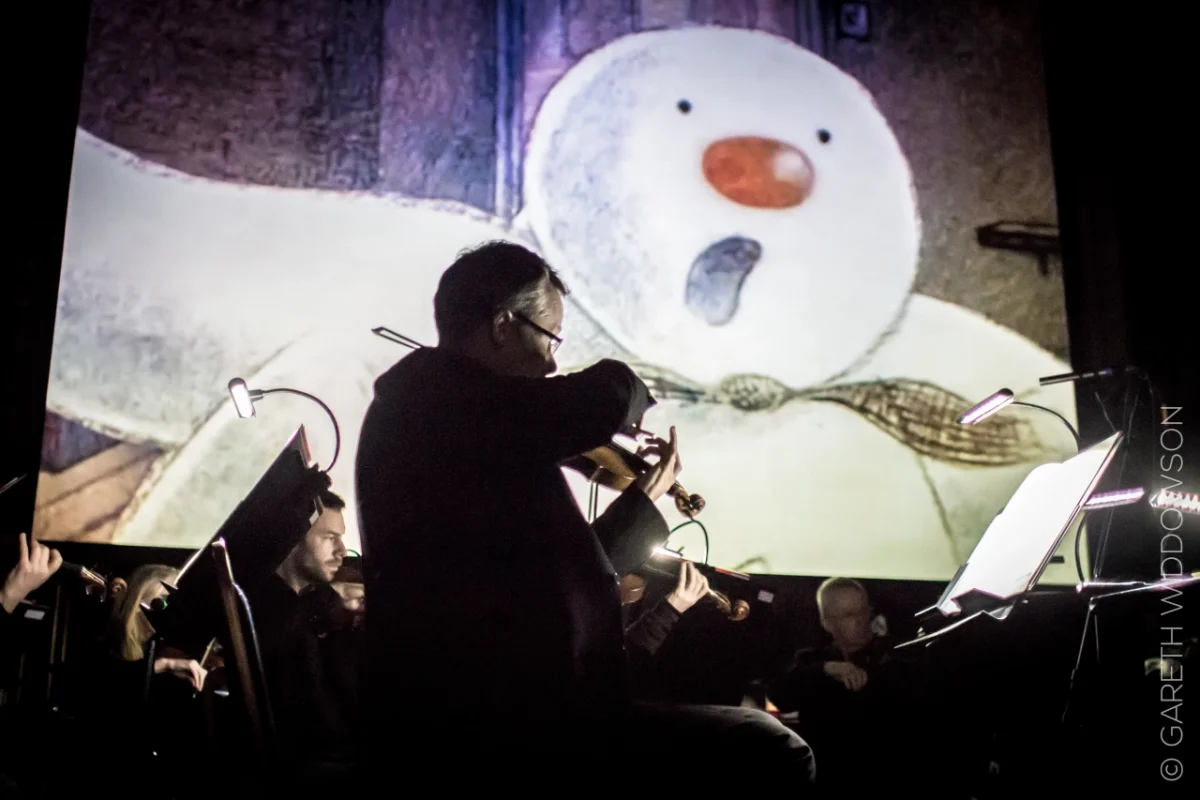
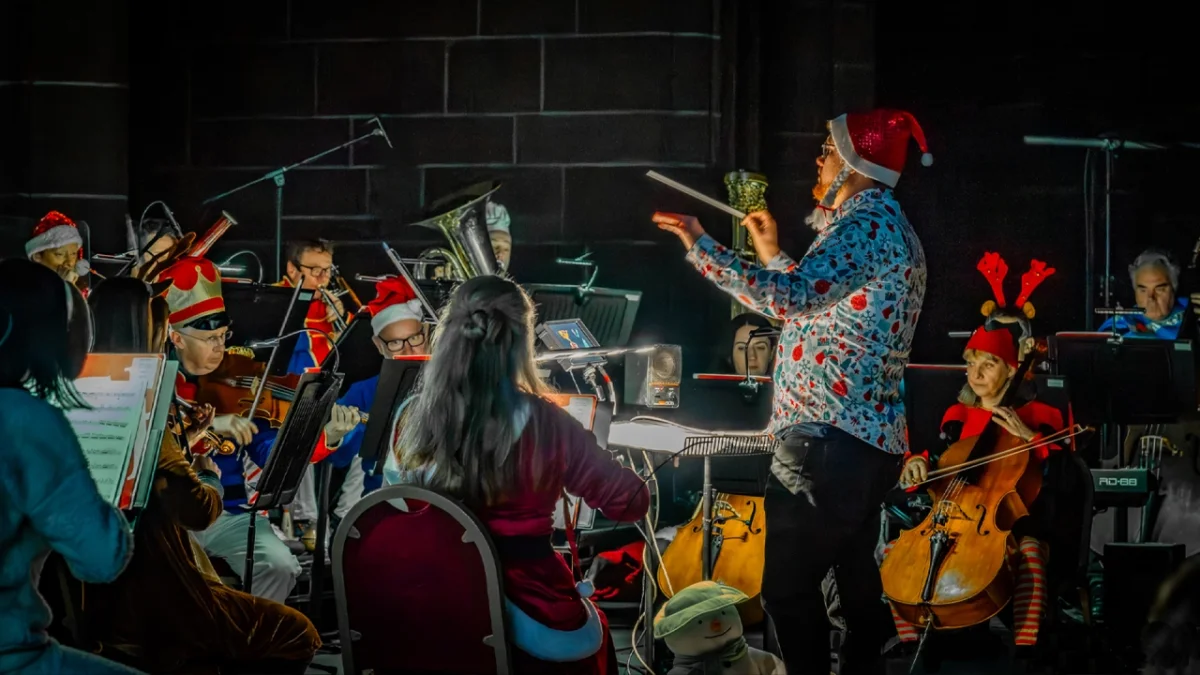
A cathedral changes the scale and atmosphere of that encounter. The film's projected images sit alongside musicians performing in the same space, and the venue itself becomes part of the viewing experience. You don't need to be religious to appreciate the visual and acoustic shift: the familiar animation is placed in a setting audiences don't usually associate with a film screening.
That shift reflects a broader appetite for cinema as an event. Secret Cinema has shown how screenings can become participatory theatre, using sets, performers and audience roles to expand a film's world. Its 2015 presentation of The Empire Strikes Back used a purpose-built set in an abandoned industrial facility in south-east London. Attendees received fictional aliases, character types and dress codes, then encountered settings including Mos Eisley and the Cantina bar.
The Snowman tour offers a gentler form of participation. The audience can watch the film while the orchestra performs its score live, then choose whether to join the final singalong. That makes the event a distinct reason to leave home for a story many viewers already know, while keeping the film itself at the centre.
Music carries the story
The film's lack of dialogue makes it particularly suited to live performance. Howard Blake's score does more than accompany the action: it carries the story, and the animation was synchronised to the music. The same combination gives performers a clear relationship to the screen, while the audience can follow the narrative through sound and movement. Fleece Navidad, featuring a sheep who speaks little, extends that musical approach to the second half of the programme.
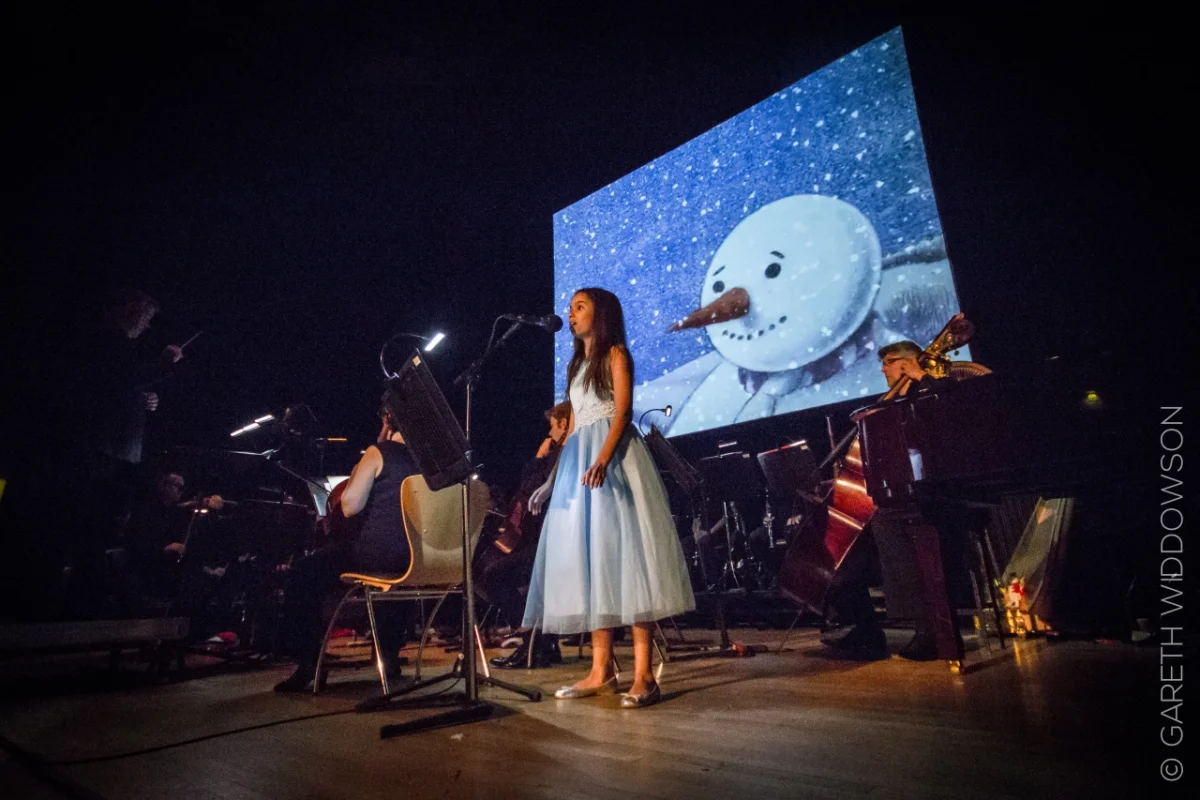
Each local performance will also feature young singers performing “Walking in the Air” with the orchestra. Every show ends with a mass singalong. The lyrics and British Sign Language signs appear on the large screen, demonstrated by Deaf trumpeter Sean Chandler, so people can sing, sign or do both. The format makes the closing moment an active part of the programme rather than a simple end to the screening.
The tour also includes special performances for schools, a free show at Royal Manchester Children's Hospital, and dedicated SEND (Special Educational Needs and Disabilities) shows in Derby and Brighton. These details broaden the event's audience and give local singers a role in each area's performance.
What a film can become
There is still a place for a conventional cinema visit. Recent releases such as Pressure and Wildwood offer their own reasons to see work on a large screen. The UK box office had its best year since COVID in 2025, taking £1.07 billion, though that remained around 21 per cent below pre-pandemic levels. At the same time, when viewers can watch so much at home, a live score, an unusual venue or a shared performance can give a familiar film fresh appeal.
For designers and other creative teams, the tour offers a useful example of how a completed work can continue to develop through its presentation. The Snowman doesn't need a reboot to reach people in a new way. A change of venue, live music and opportunities for local performers and audiences can extend the experience while keeping its images and story intact. The practical prompt is simple: after delivery, consider what new setting or audience might give an existing project another life.