Thursday, November 5, 2026 · Graphic Design
Hang Yu’s The Show Goes On Uses Clowning to Explore Identity and Belonging
Noted by Ayla Angelos · 372 reads
Photographer Hang Yu follows Coney Island Clown Skool, using costumes, shared portraits and everyday encounters to examine how people shape identity.
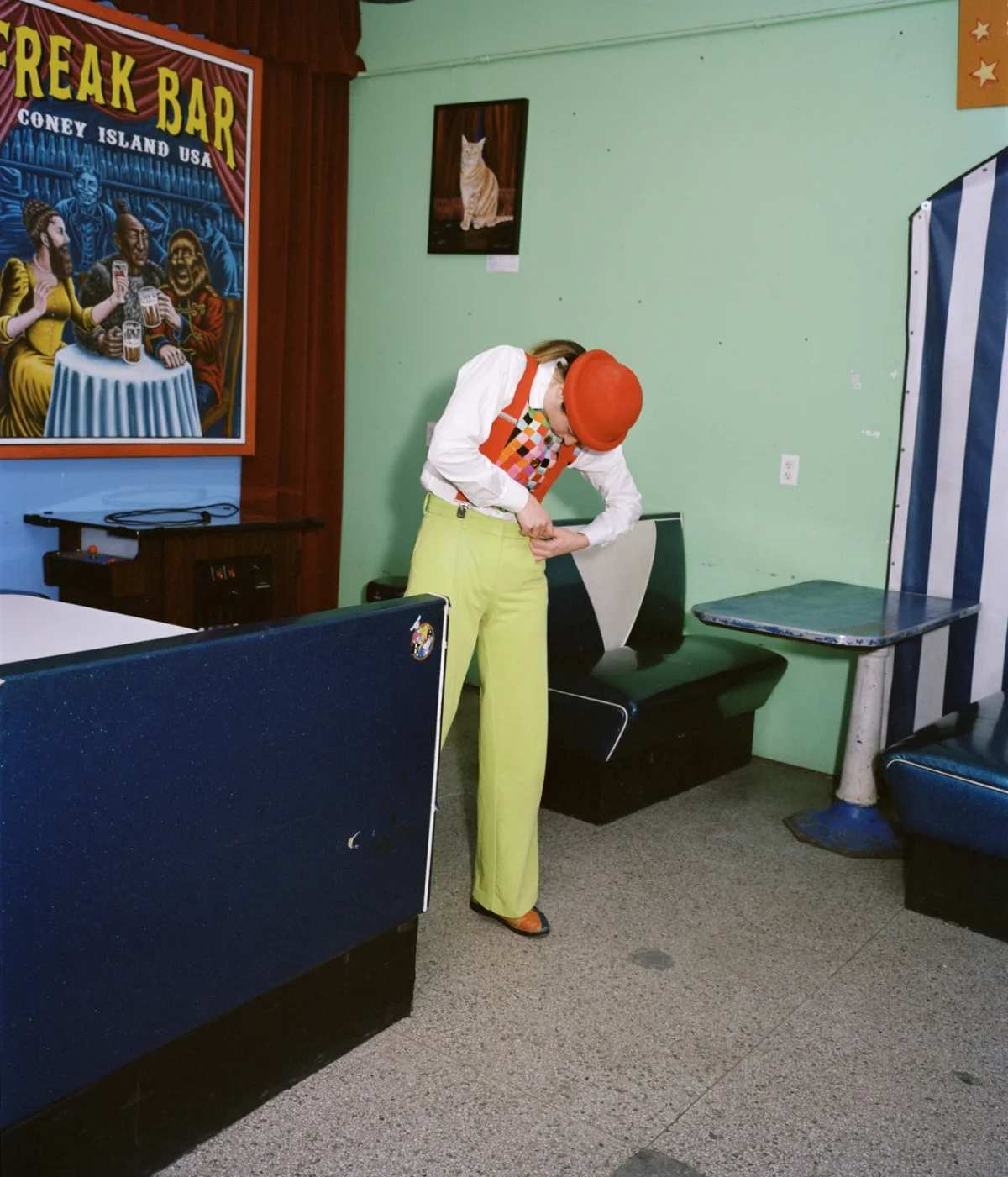
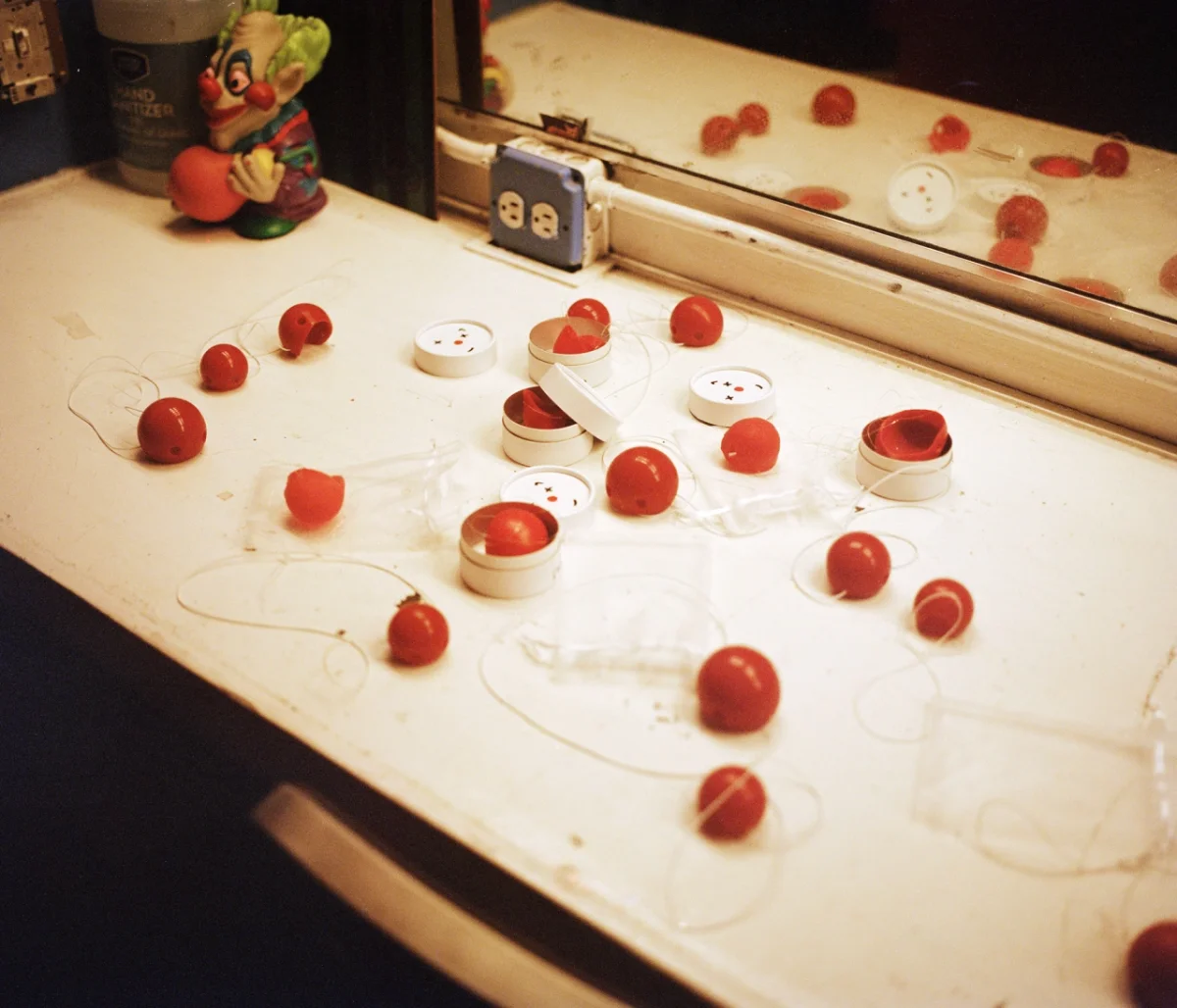
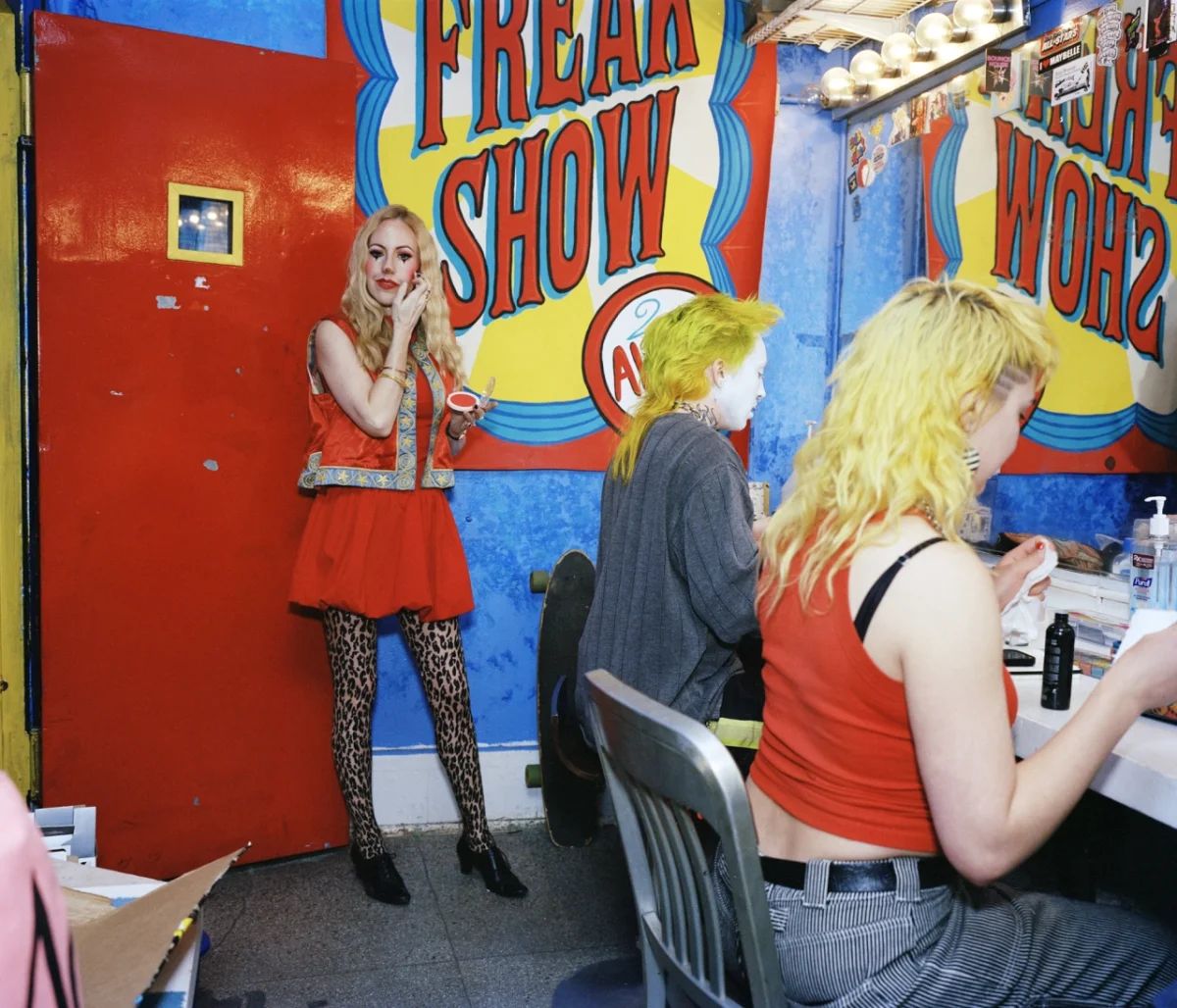
A row of clown noses can hold the promise of a dozen different selves. For photographer Hang Yu, that moment of choice captures the spirit of The Show Goes On, her ongoing project about Coney Island Clown Skool and the people who gather there to perform, experiment and form connections.
Yu encountered the school as its resident photographer, camera in hand while aspiring clowns prepared to take the stage. On that first day, she watched participants receive hats, improvise in front of an audience and head backstage to choose a nose. The sequence offered a vivid starting point for a project interested in identity as something people can try on and revise.
One photograph of the noses waiting to be picked has become a favourite. Yu describes it as “full of possibility and hope”: no choice has been made, and several different paths still seem open. The image’s appeal rests in that pause before transformation. It suggests a choose-your-own-adventure story, but one built through costume, performance and the decisions a person makes in front of others.
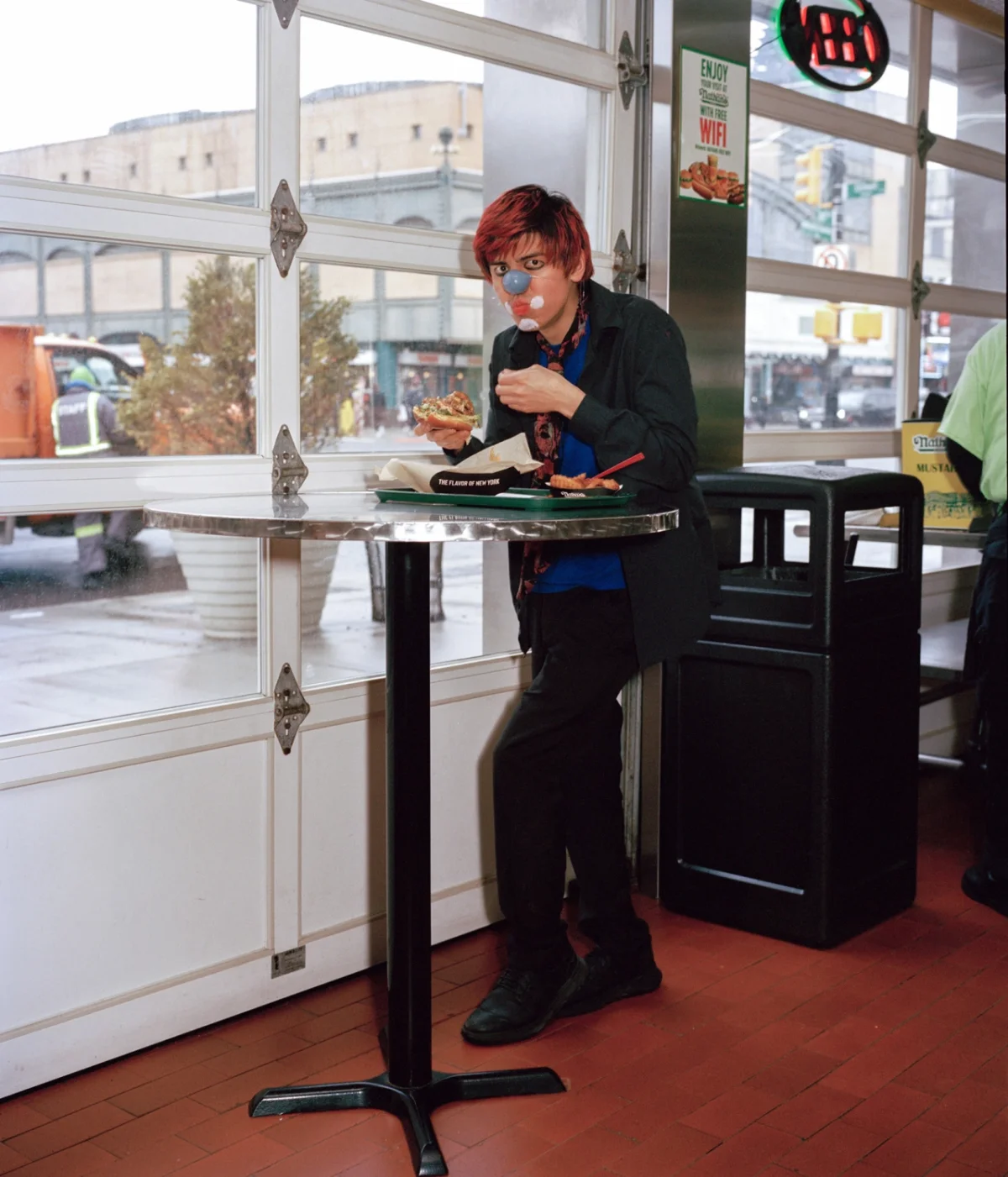
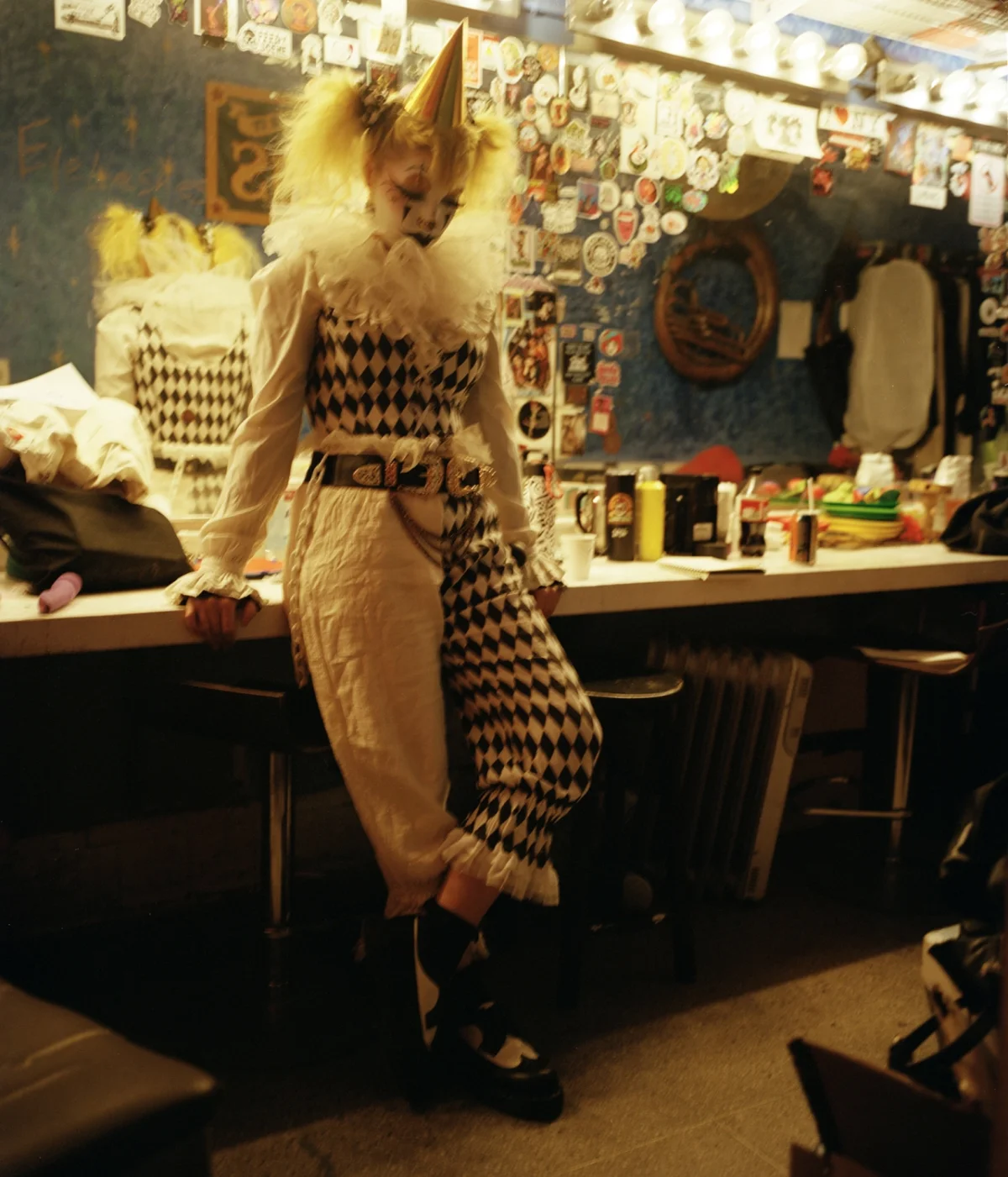
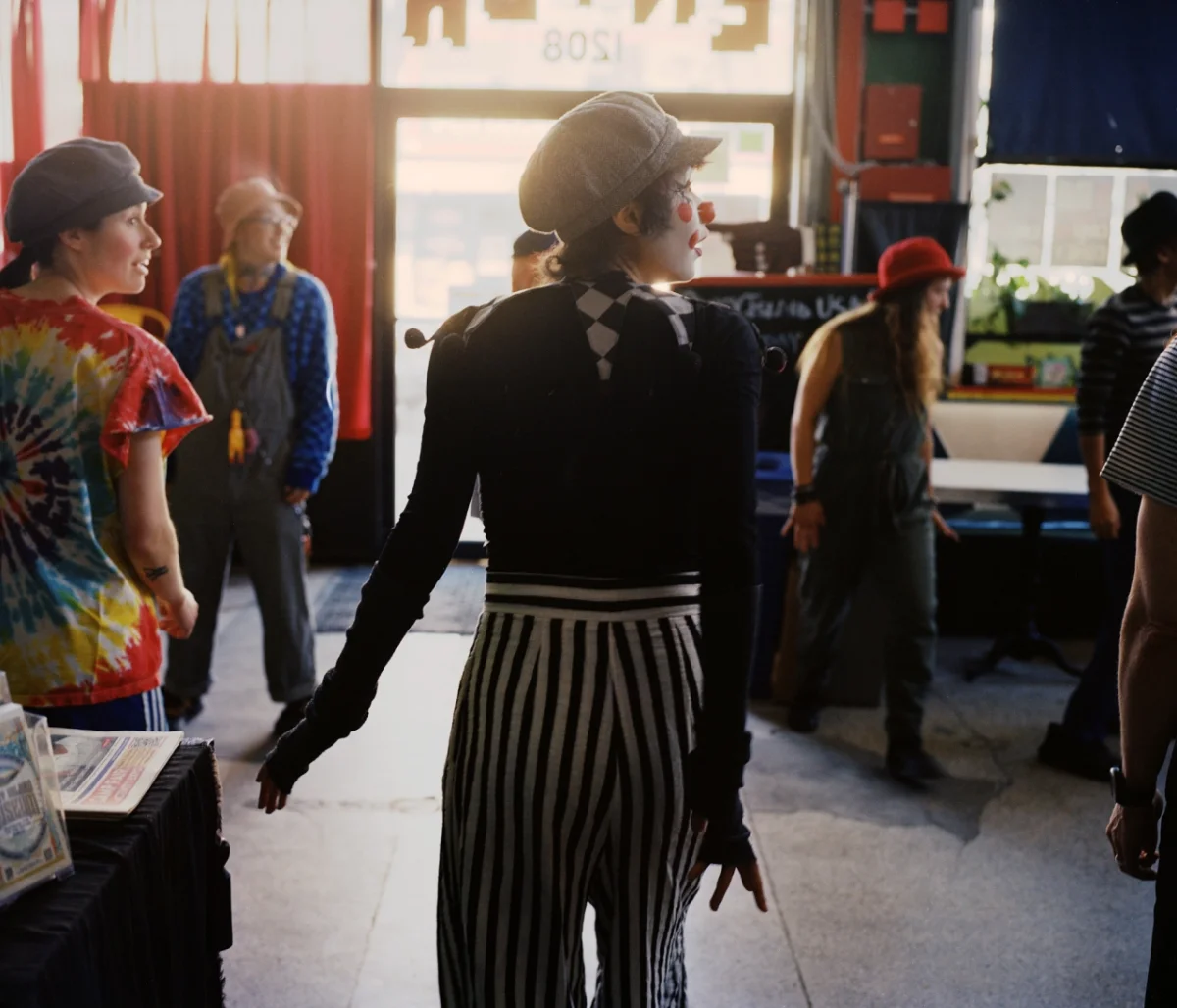
Costume as a way to read identity
The project extends a question that runs through Yu’s practice: how do people construct an identity, and what changes when they become part of a group? Born and raised in China, she moved to the United States at 17 to study art, first in Chicago and later in New York. She now works as a freelance photographer and artist, attentive to the communities and roles people occupy.
Her interest in photography took shape earlier, during her teenage years in Beijing. Living independently, she spent time at exhibitions, underground clubs and live music venues. She also modelled for the late Chinese photographer Ren Hang, whose work she admires, before taking up a 35mm camera herself. Yu has described photography as a companion through lonely periods and a route into a larger, unfamiliar world.
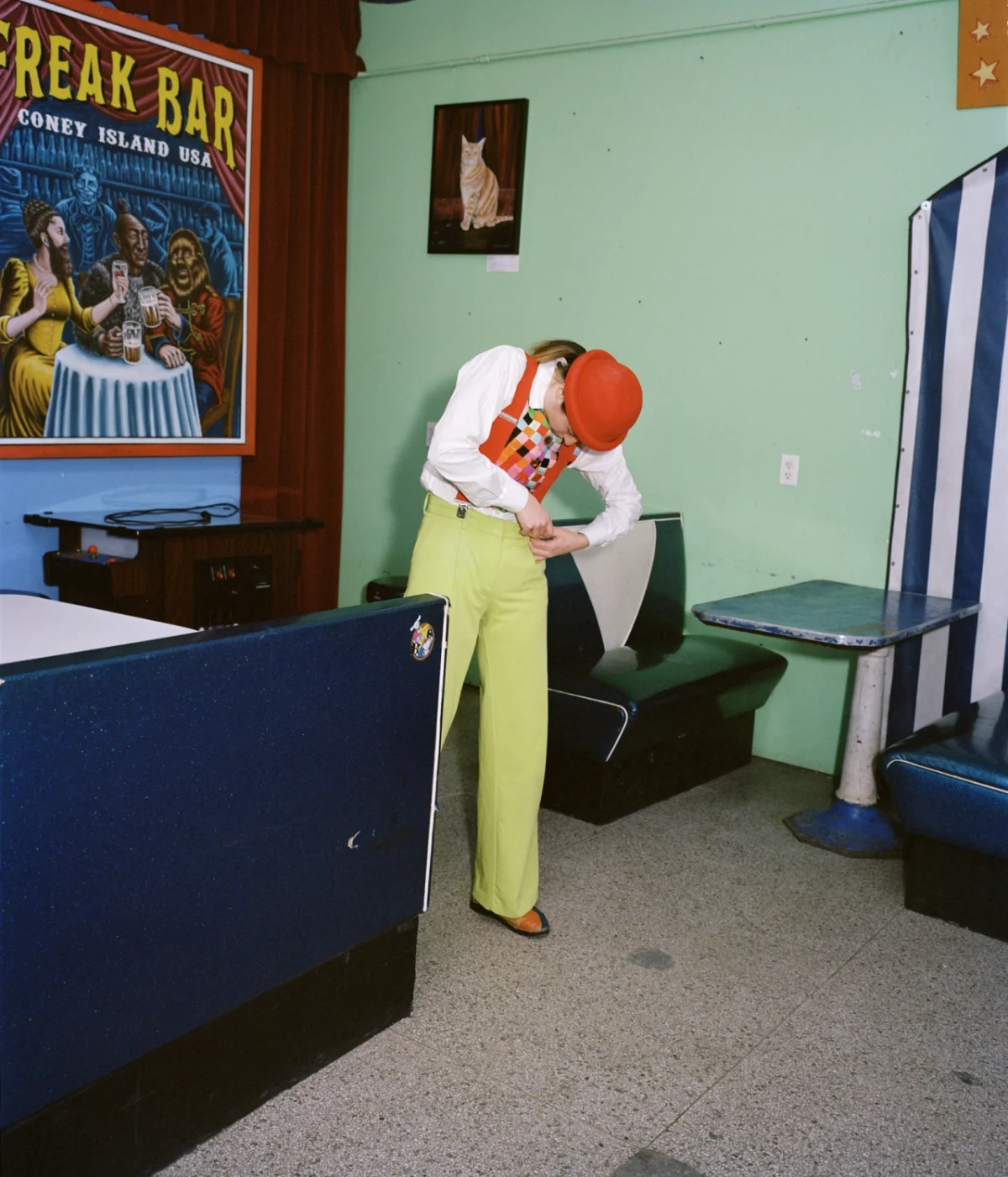
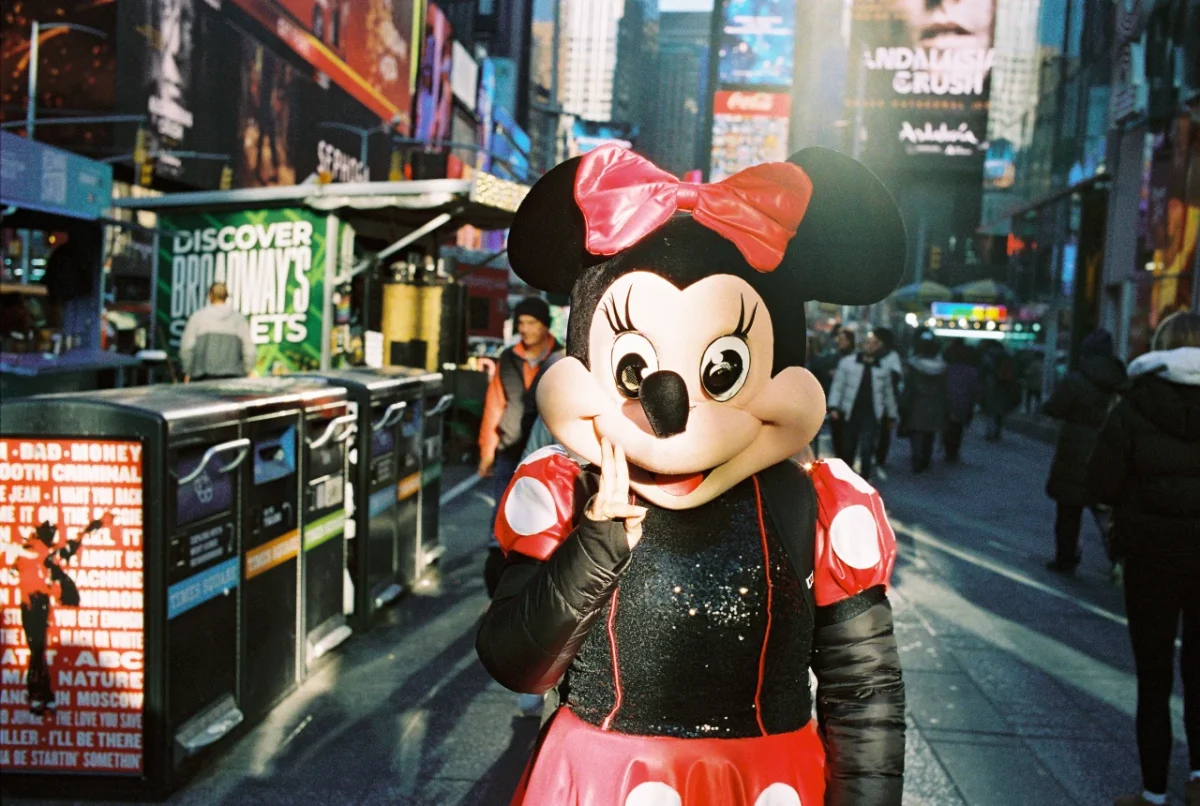
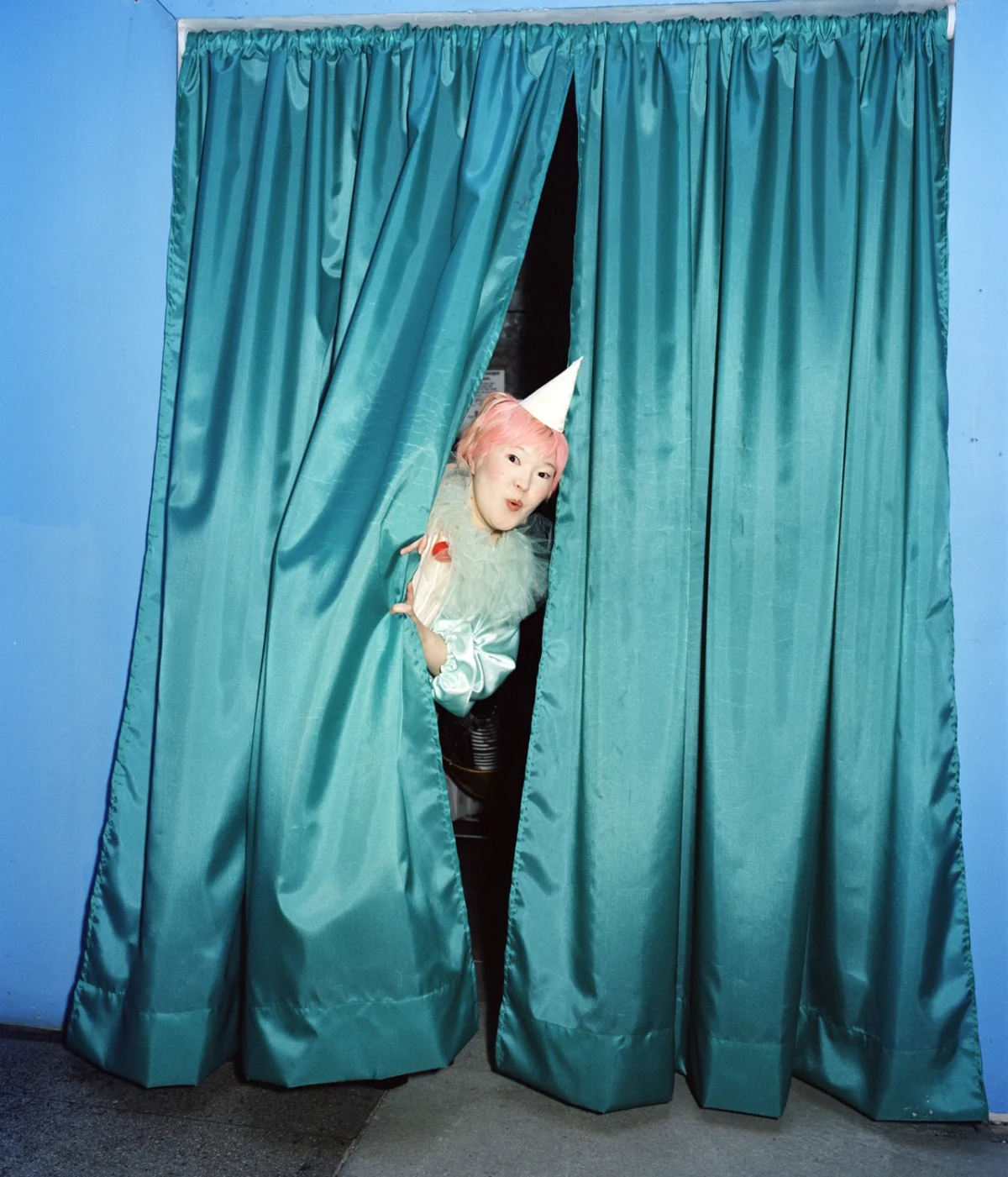
That attention to people and the signs they carry informs her street photography in New York. She often wanders without a destination, drawn to the city’s varied characters, including immigrant street vendors and amusement park performers. Their uniforms interest her because clothing can identify a person while also pointing to a profession or community. In The Show Goes On, costumes make that idea literal: performers build visible characters, while the people inside them remain present and changeable.
Letting the collaboration shape the pictures
Yu’s connection to Coney Island Clown Skool grew beyond documenting performances. She spent time with students, photographed their lives outside the classroom and let conversations guide what the work might become. The result is less a set of distant observations than a record made from within a group, where the photographer’s own role can shift.
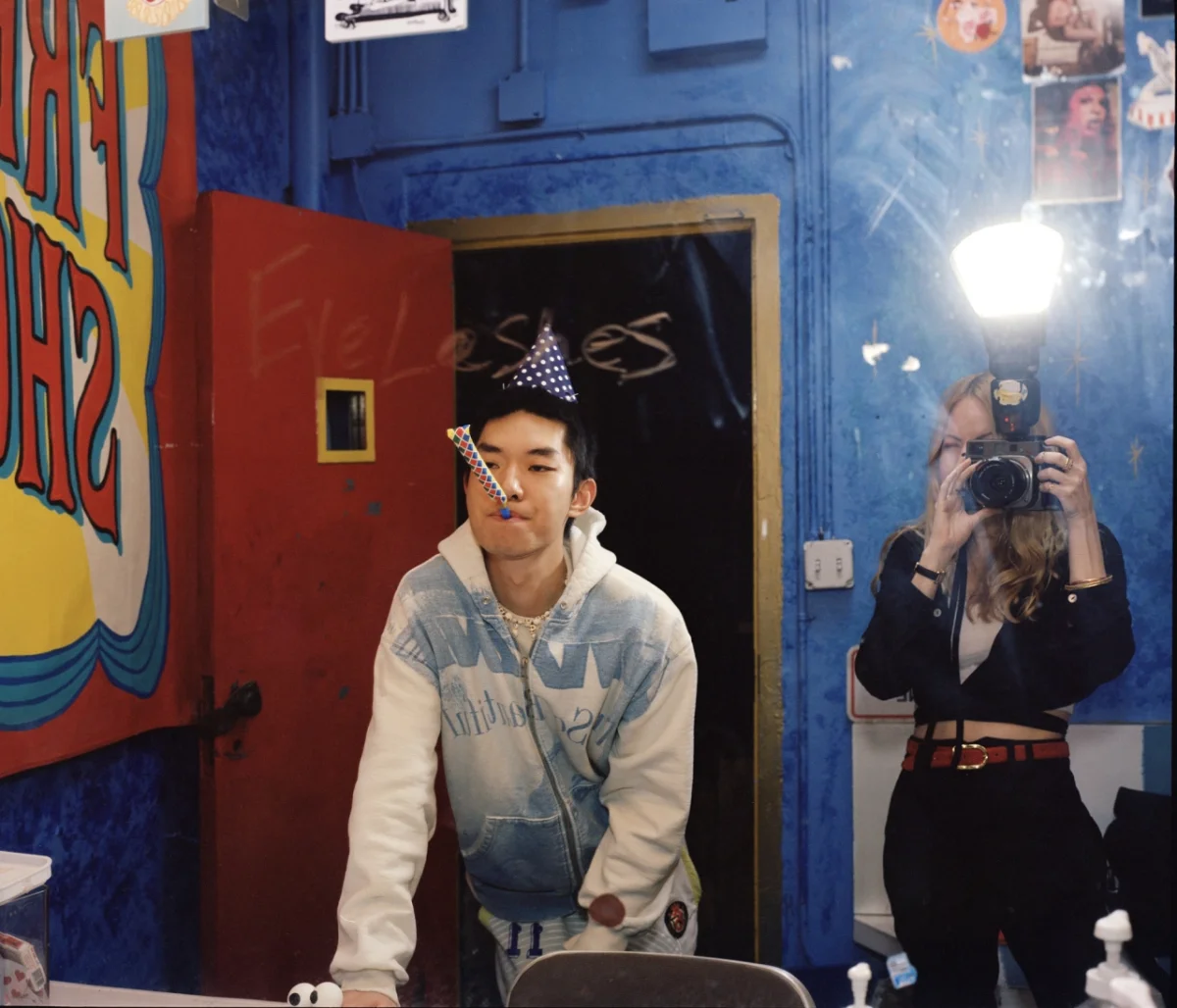
That exchange is central to Me by Velvet. A fellow clown, Velvet, asked to photograph Yu. After Yu gave her a quick camera lesson, the two switched places: Velvet took the picture, and Yu appeared in front of the lens in her clown persona. Yu sees both identities in the frame: she is the performer, while Velvet is the photographer. The image preserves their friendship and shows identity as something people can share, trade and shape together.
This working method offers a practical lesson in making portraits with a community: give people room to participate in the picture’s creation. Yu does not arrive with a fixed shot list or a settled interpretation. She spends time with participants, interviews them and photographs their lives, looking for connections between their experiences and her own. As she puts it, a feeling gradually emerges that can be personal while still reaching beyond one individual.
Humour alongside critique
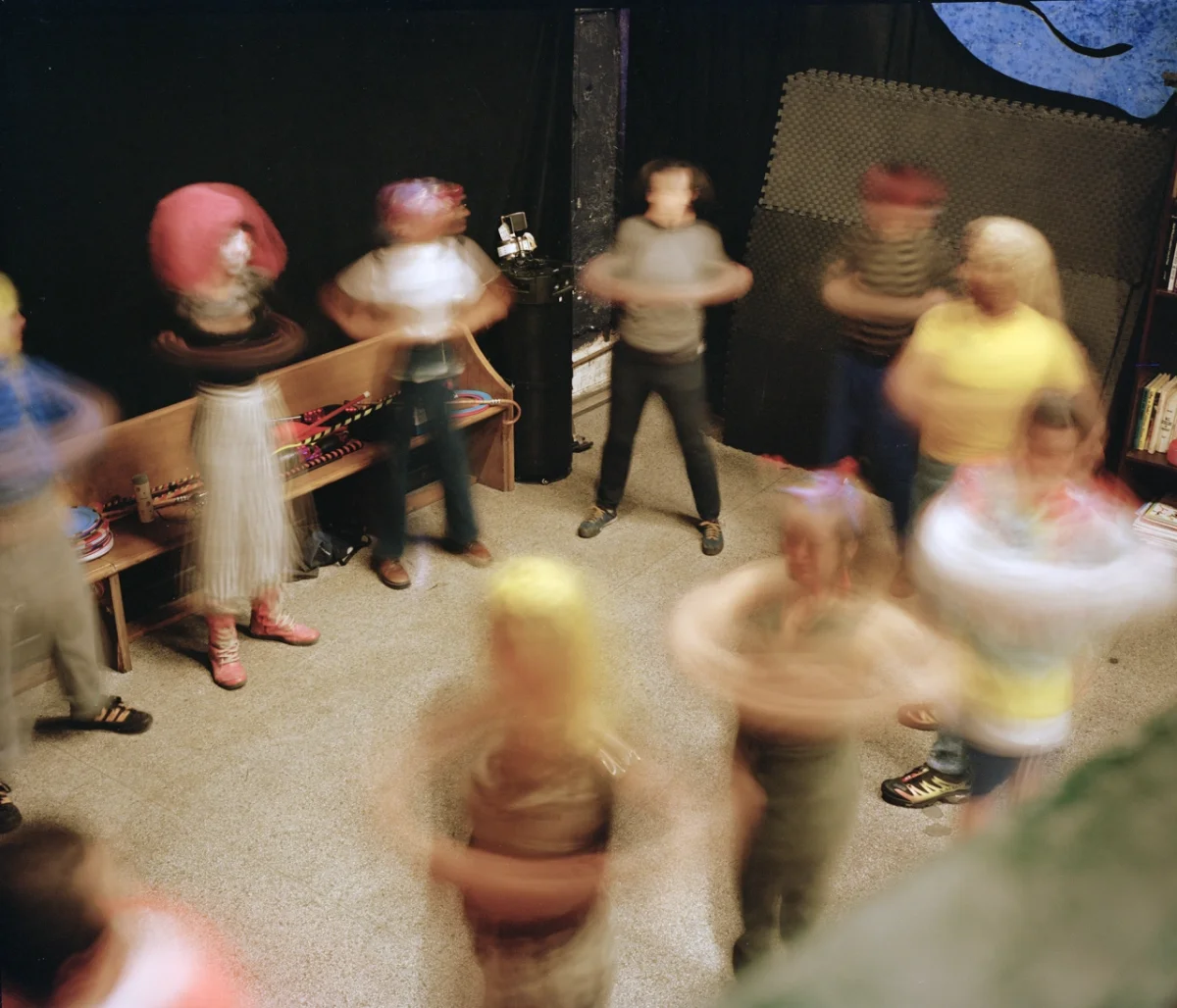
The pictures draw energy from clowning’s physical language: expressive gestures, theatrical clothing and small, unusual rituals. Yu’s influences include the films of Jia Zhangke, Lou Ye and Alejandro Jodorowsky, as well as the work of Nikki S. Lee, Sophie Calle and Diane Arbus. Her experience moving between cities and cultures has also shaped her interest in people who live at society’s edges and in the strange expectations that influence how people behave.
Yu describes her approach as a mixture of critique and care. She wants viewers to consider the conditions people live within while finding an emotional point of connection. Clowning gives the project a playful setting for that balance. A costume can be funny or outlandish, yet the process of choosing one touches a more familiar question: how do we decide who we want to be, and how do other people help us try?
Yu plans to return when another Coney Island Clown Skool session begins in November. She has also been following several clowns through their everyday lives, collecting photographs and interviews for a forthcoming photobook. That shift between classroom, performance and daily routine should deepen the project’s view of its subjects beyond their stage personas.
For Yu, the work ultimately concerns how people make a sense of existence and meaning in a turbulent world. A room of performers choosing noses may seem an unlikely place to look for an answer, but its openness is the point: identity can be explored through play, friendship and attention. The photographs leave viewers with a modest, useful possibility—people can make space to imagine who they might become.
Hang Yu is a New York-based photographer and artist.