Tuesday, November 3, 2026 · Graphic Design
Koto’s EV Branding Report Asks How Electric Cars Can Stand Apart
Noted by Tom May · 652 reads
Koto’s study finds a gap between EV sales and brand strength, then asks how design can distinguish cars as technology and choice converge.
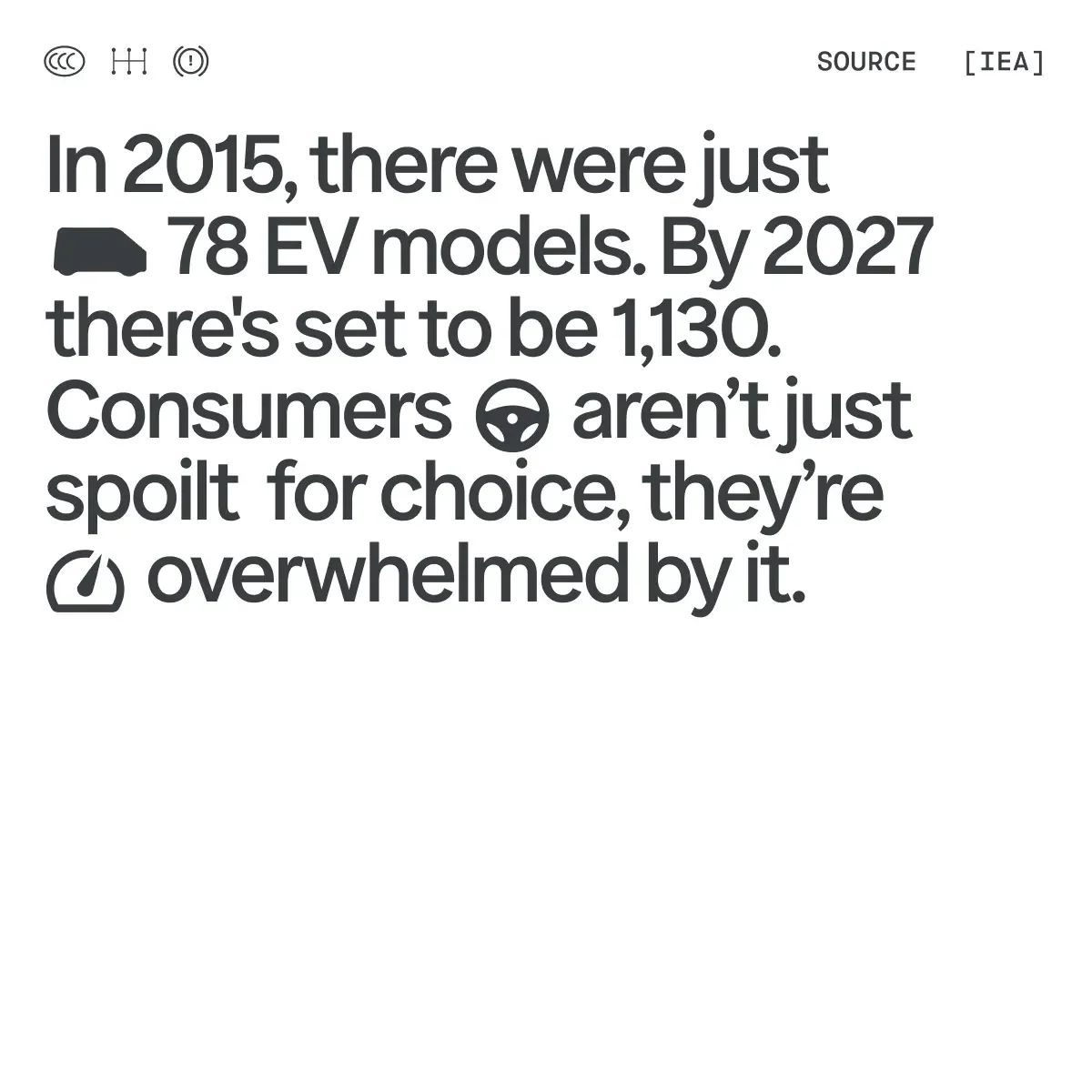
Electric car makers have persuaded drivers to make the switch. The harder task is giving them a reason to stick with one brand. That tension sits at the centre of a new report from creative company Koto, which asks how EV makers can stand apart as their products’ technology, interfaces and specifications begin to converge.
The figures in the report sharpen the question. It says 96% of EV drivers would choose electric again, while only around half remain loyal to the brand they bought. The source article attributes those figures to its discussion of the market; Koto’s report frames the broader design challenge: electric driving has become persuasive, but individual car brands can still be hard to tell apart.
That distinction matters to designers. When products share features and visual cues, buyers have less to go on than price, specifications and convenience. Those factors can help someone compare cars, but they give a brand little room to build an enduring preference. Koto’s argument is that product design and brand identity need to carry more of that work.
More models, less distinction
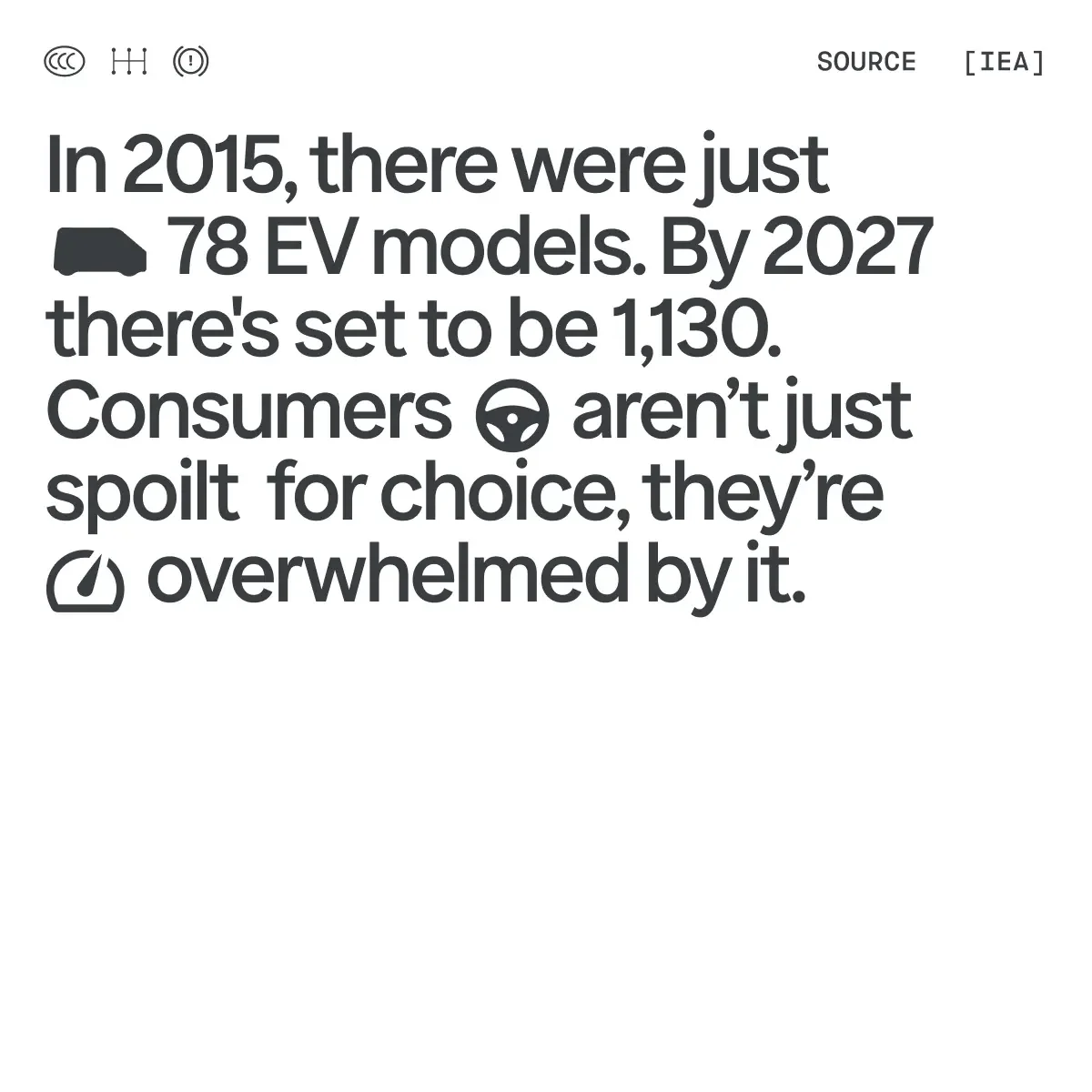
The number of electric models available globally rose from 370 in 2020 to nearly 1,000 in 2025, according to the International Energy Agency, as cited in the source. The image accompanying the article points to a further rise, from 78 models in 2015 to 1,130 by 2027. With that many choices in view, an expanding market can leave shoppers overwhelmed as much as excited.
Edmunds, an online car shopping resource, found that 85% of EV shoppers would consider a manufacturer they had never owned before. That openness makes brand recognition harder to translate into repeat business. Koto tested 10 leading EV brands with its 18-point Brand Assessment Tool, which examines whether a brand comes across as “true, compelling and distinctive”. Its results show a notable mismatch between sales rank and brand score.
Rivian placed ninth for sales but first for brand, with a score of 7.8. Volkswagen came third in sales and tenth in brand, scoring 4.8. BYD, identified as the market leader in the source, scored 6.9. Tesla and Polestar tied at 7.2. These comparisons suggest that sales volume alone doesn’t explain how clearly a company’s identity comes through.
Three design decisions behind the question
Koto’s first prompt is about what an electric car should feel like: a car, or a computer that keeps changing after purchase? Tesla and Polestar lean towards the software-led interpretation. In the West, the report sees signs of a shift back towards familiar controls: Renault has added physical switches, and Volkswagen has brought buttons back to its ID cabins.
In China, Koto says, the car is increasingly understood as a connected service platform. The practical design problem is how to combine these expectations without making the experience feel unfocused. A screen-heavy interface can signal constant updates and connected features; tactile controls can make common tasks easier to reach. The right balance depends on what a brand wants its cars to stand for and how drivers will use them.
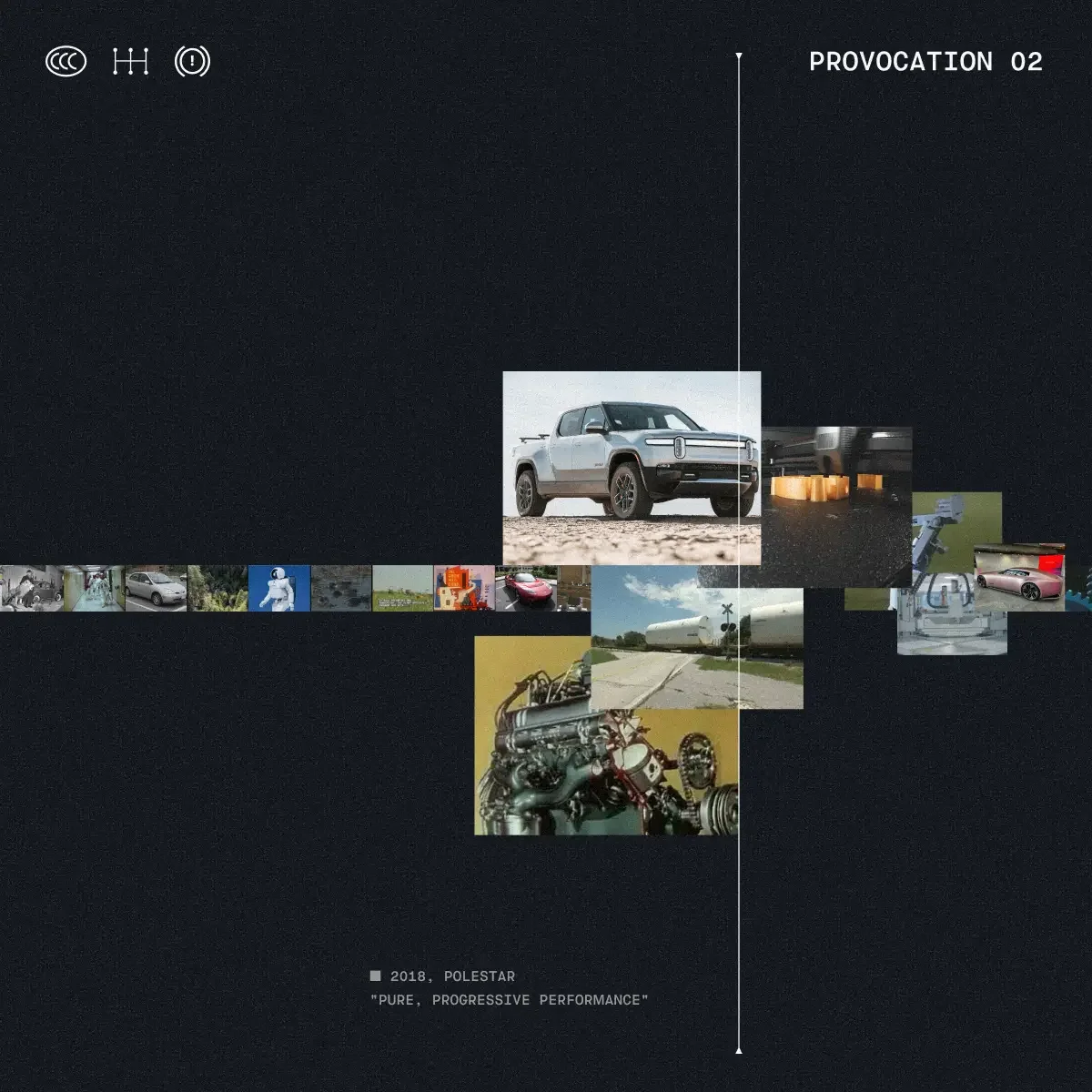
The second question is how much of a marque’s history should travel into a new electric model. Koto points to the Renault 5 E-Tech and BMW’s Neue Klasse as examples that reinterpret earlier design histories instead of simply reusing names. The report also cites the response to Ferrari’s Luce as a sign that established marques carry strong emotional associations. For designers, heritage can provide useful material, but it needs to shape a contemporary product rather than act as decoration.
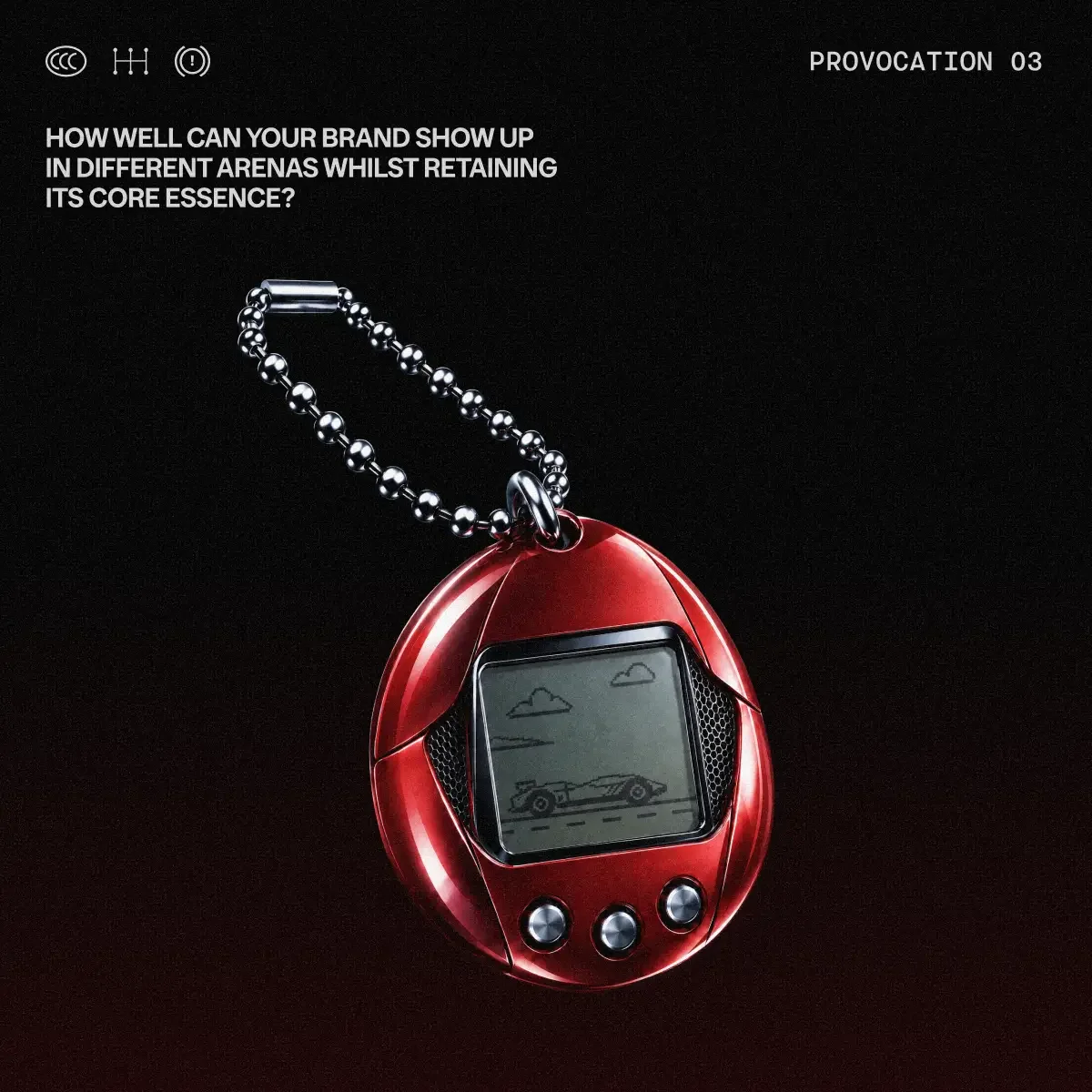
The third question concerns consistency across a buying journey that now includes YouTube reviewers, review sites, word of mouth and AI agents. People encounter a brand through many voices and interfaces before they meet the car itself. Koto singles out Jaecoo: its record sales have not yet been matched by brand affinity. The nickname “Temu Range Rover” captures a possible tension between recognition and distinctiveness, though the source offers it as an open question rather than a settled verdict.
Designing the report like a car experience
The report’s own art direction draws on the visual language of car culture. Koto’s team uses rotating 3D car forms that recall motor show reveals, alongside dashboard-inspired layouts and animated micrographics that echo in-car interfaces. Those choices give the argument a physical and digital setting: the reader moves between the spectacle of the vehicle and the information systems surrounding it.
The report is a perspective paper, not original consumer research; its market figures come from third-party sources. That distinction helps clarify what it offers. Koto is presenting an interpretation of a crowded category and a set of questions for brand teams, rather than claiming to settle them with a new survey.
For designers, the useful takeaway is to make decisions about identity before interface and styling converge into familiar patterns. Decide what role controls, screens and connected services should play; work out how much history a new model can carry; and keep the brand legible at every point where a shopper encounters it. As Koto puts it, technology may be driving the transition, but brand needs to get back behind the wheel.