Wednesday, October 28, 2026 · Graphic Design
Tom Hegen’s The Mineral Age Photographs the Material Cost of Clean Energy
Noted by Dom Carter · 519 reads
Across 247 aerial photographs, Tom Hegen traces the mines and industrial sites behind clean energy technologies, making their physical footprint visible.
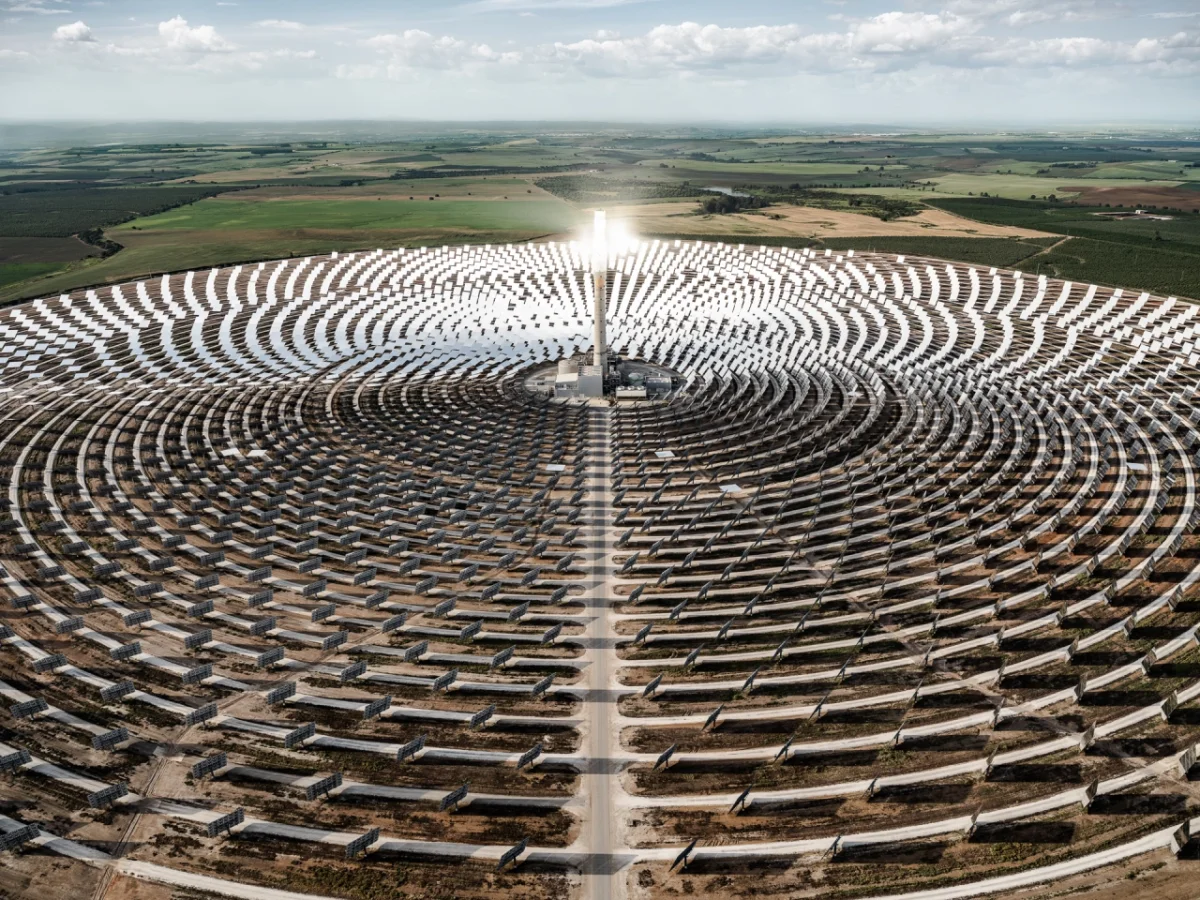
Clean energy has a view from above. In The Mineral Age, photographer Tom Hegen uses aerial images to show the mines and industrial sites that supply materials for electric vehicles, batteries and renewable energy systems. The project brings a physical scale to a transition often discussed through its technologies: moving away from fossil fuels still requires extensive resource extraction.
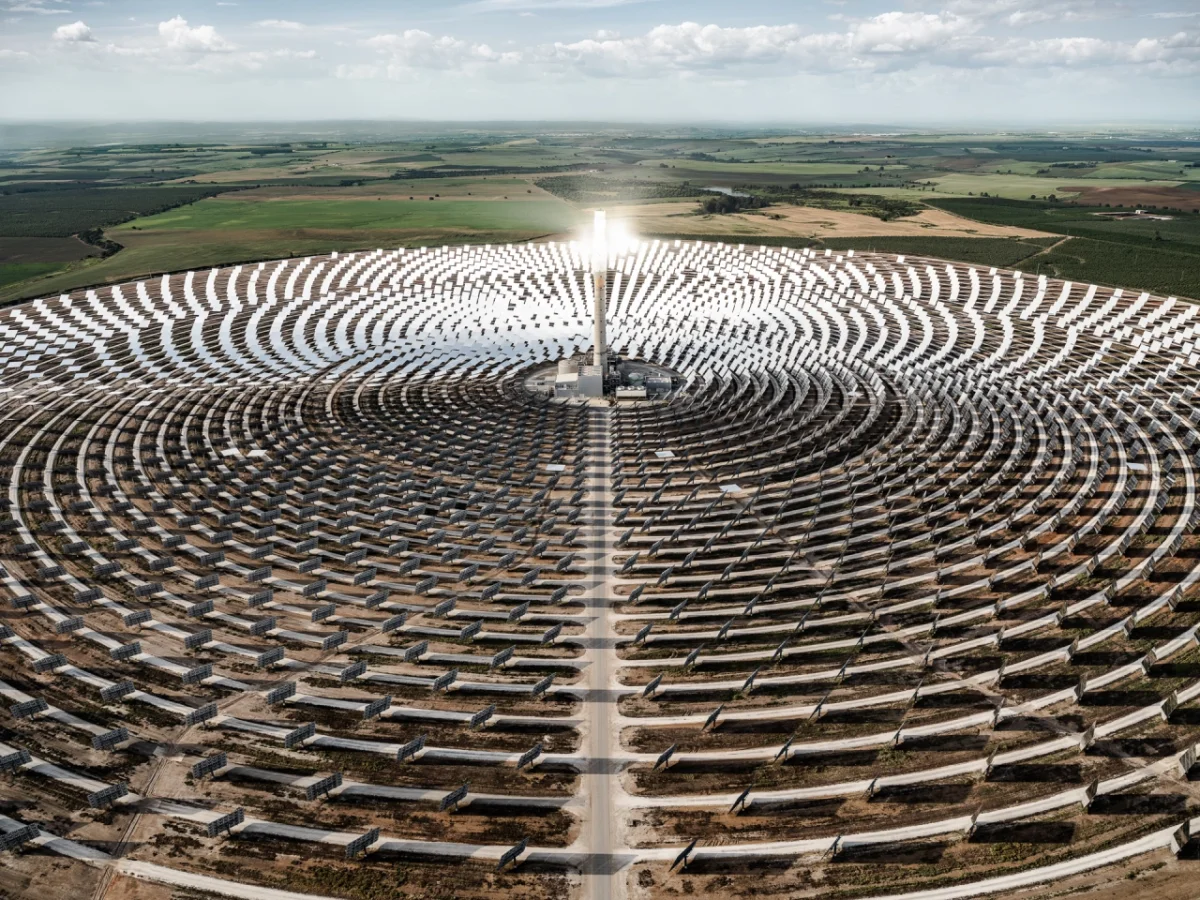
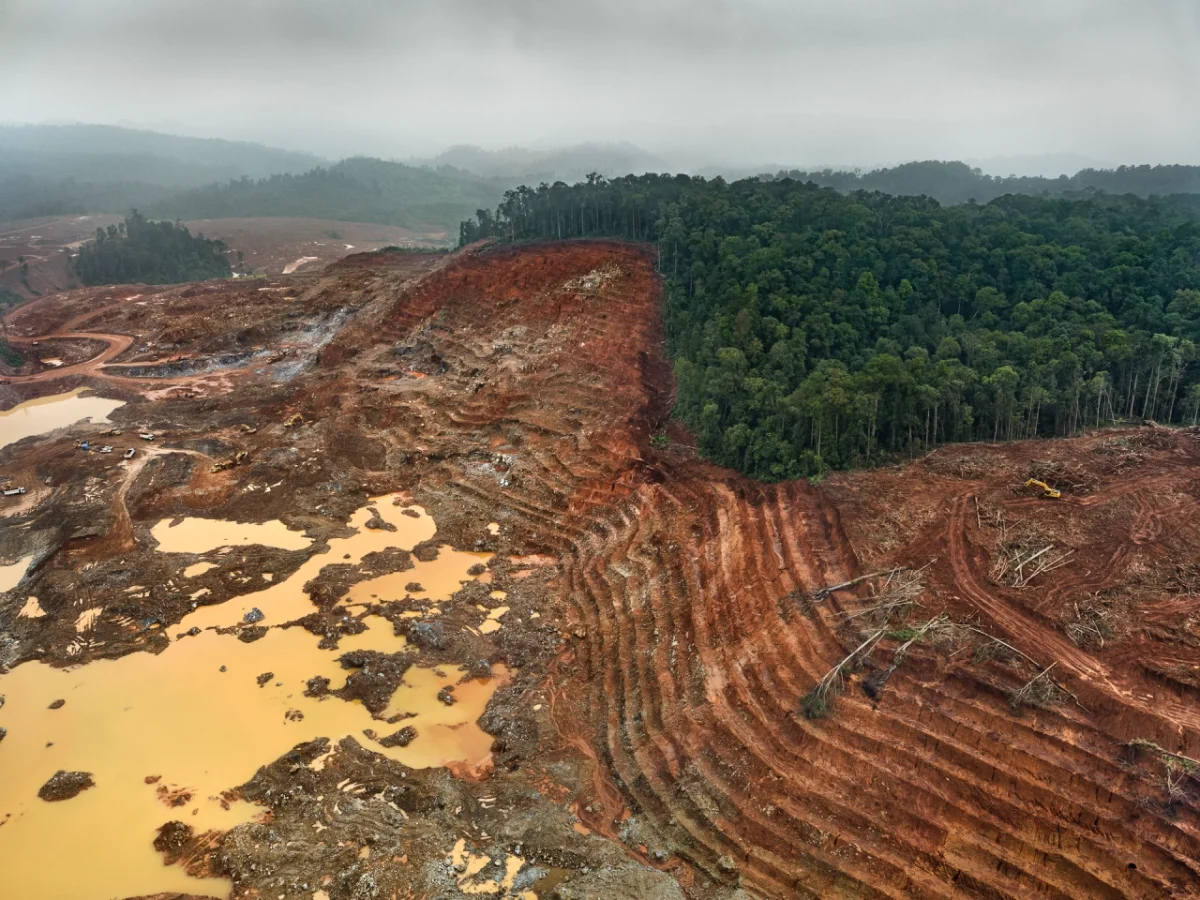
Made over six years, The Mineral Age follows the origins and impacts of minerals including lithium, cobalt, nickel and copper. Hegen’s photographs place extraction sites alongside the landscapes around them, showing how industrial activity reshapes land. The book will contain 247 aerial photographs. Its visual argument rests on that distance: from above, individual operations become patterns, borders and vast changes in the ground.
Hegen’s interest grew from photographing open-pit coal mines in Germany. As he looked more closely at the shift towards lower-carbon energy, he began examining the materials needed to build it. “Moving away from fossil fuels does not mean moving away from resource extraction,” he explains. In his view, the transition brings a new dependence on minerals, many of which come from a small number of countries.
That concentration connects the design of everyday technologies to distant sites of production. Minerals used in batteries and energy infrastructure may support cleaner ways of living, while their extraction can bring environmental damage and difficult working conditions. Hegen points to hazardous labour, weak enforcement of environmental protections, and serious effects on nearby communities in some mining regions. Child labour and human rights abuses remain concerns in certain sectors.
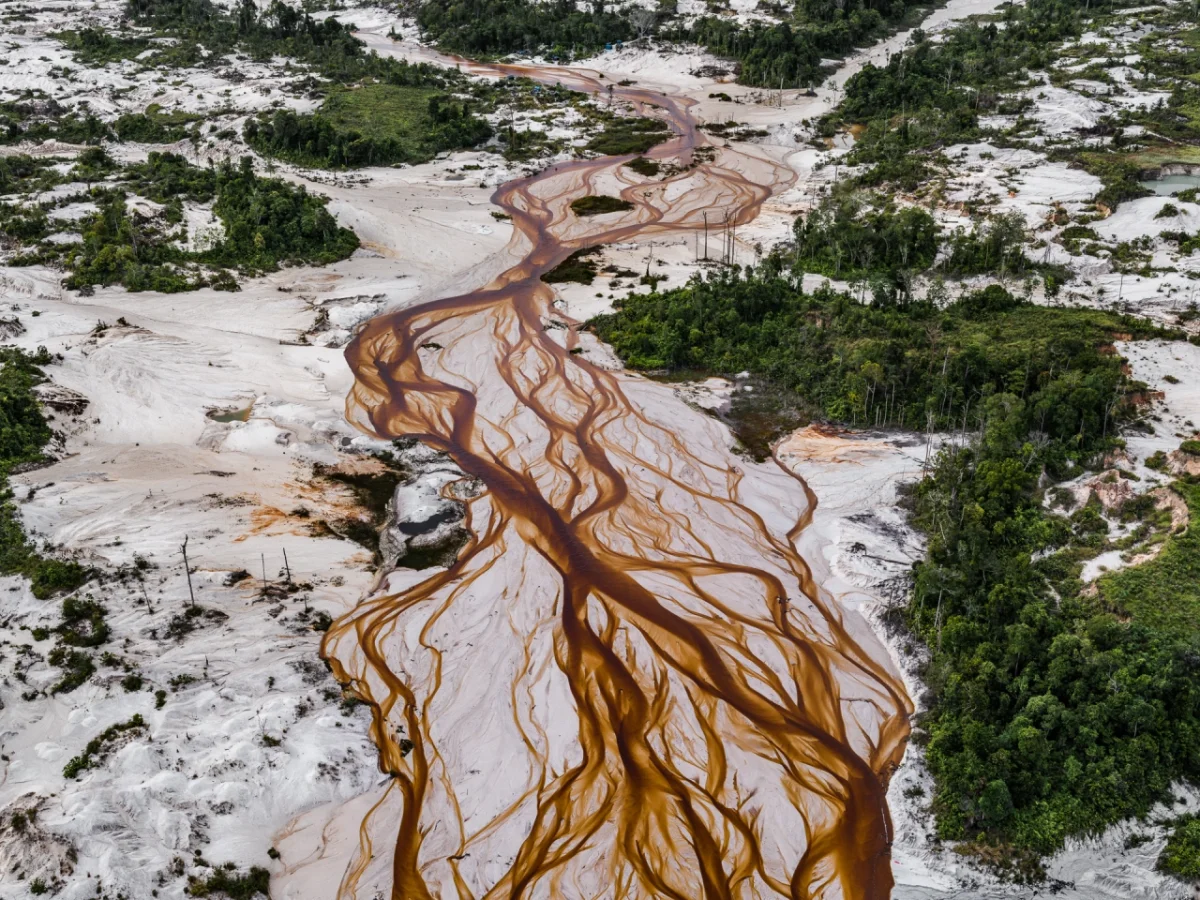
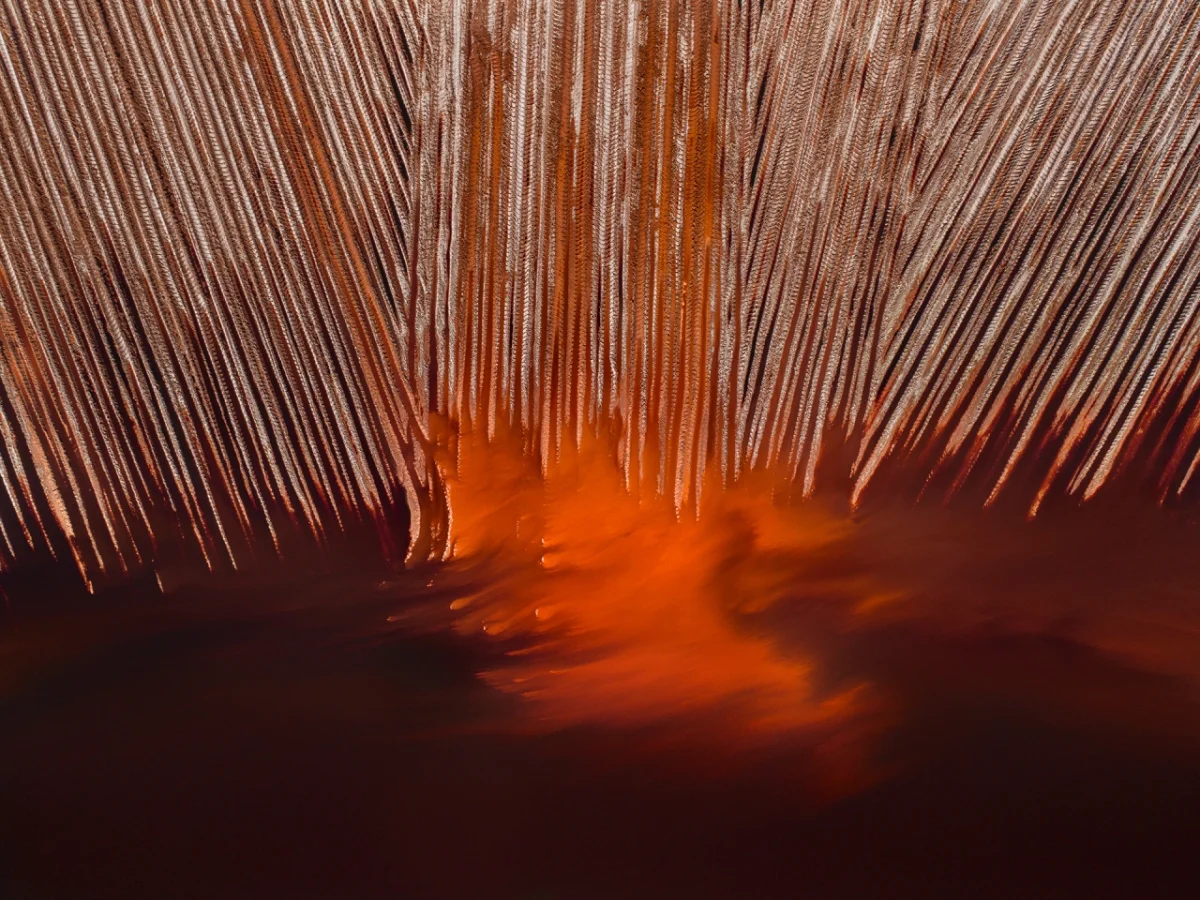
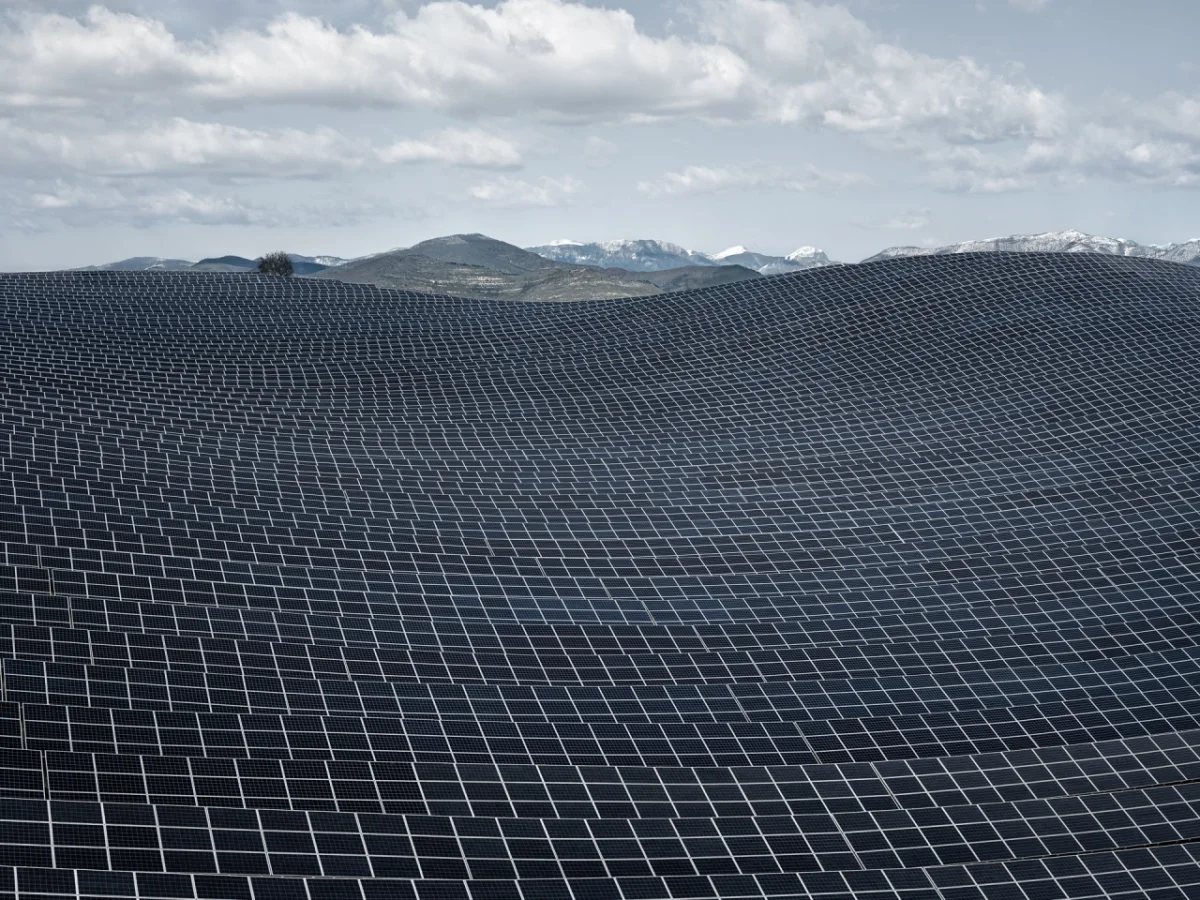
The imbalance between who uses these materials and where they are extracted is central to the project. Hegen describes industrialised countries in the Global North as major consumers of minerals often sourced in developing regions of the Global South. He links this uneven pattern to geology, economic structures, lower labour costs and less effective environmental protections. The photographs make that distance harder to ignore: a device or energy system can be familiar, while the ground altered to supply it is not.
Hegen isn’t arguing against the move away from fossil fuels. His point is that technologies intended to support a more sustainable future still have a substantial material footprint. Celebrating what clean energy can do without looking at how its components are sourced leaves part of the picture out of frame. For designers and other people shaping products, that raises a practical question: how might a project acknowledge the chain of materials behind its polished surface?
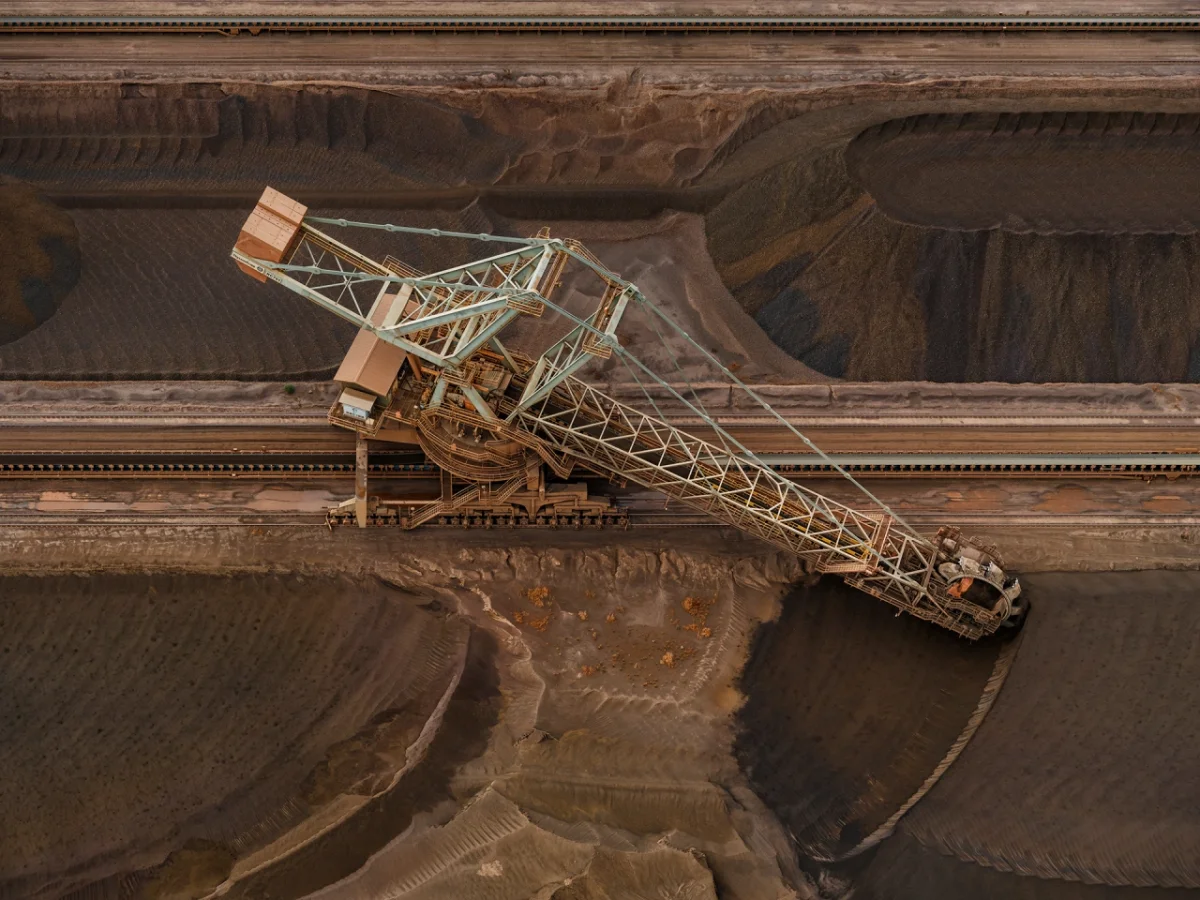
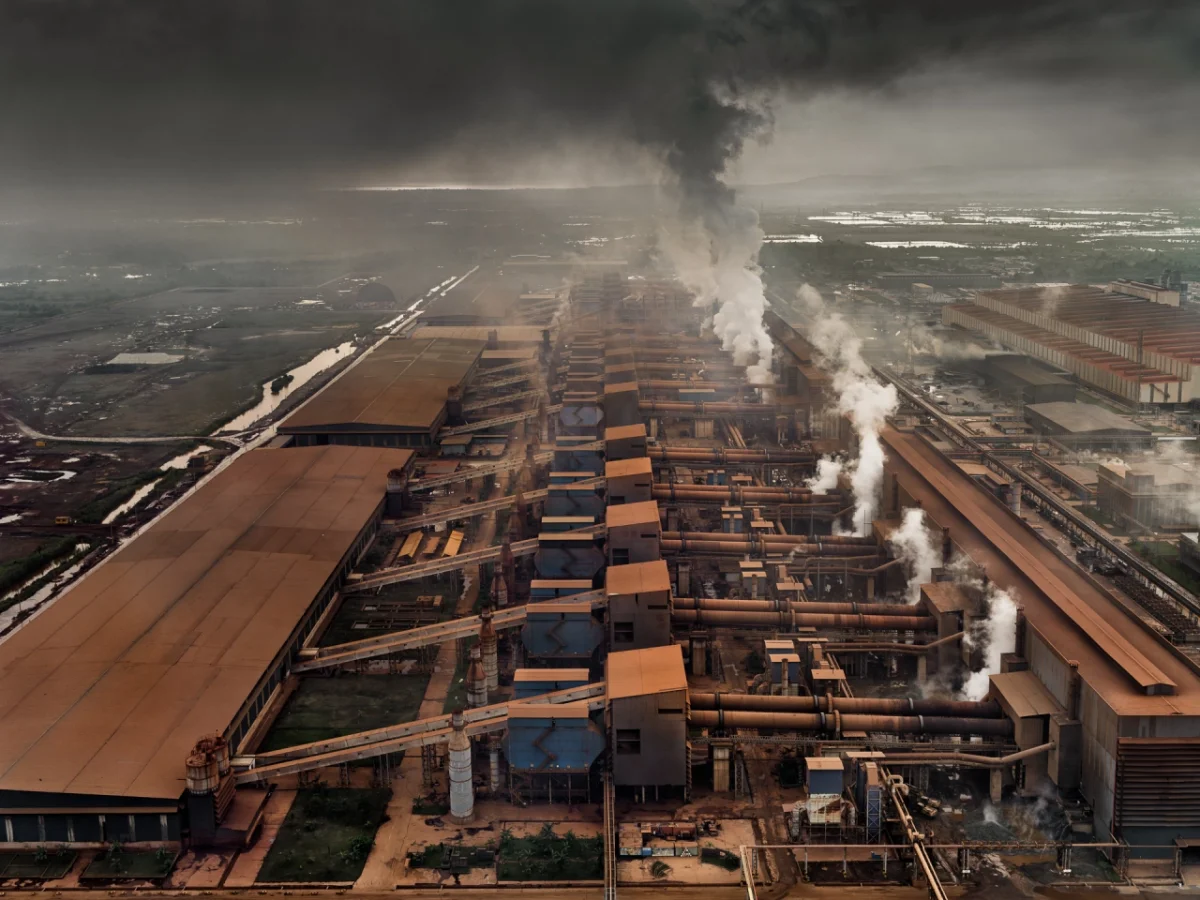
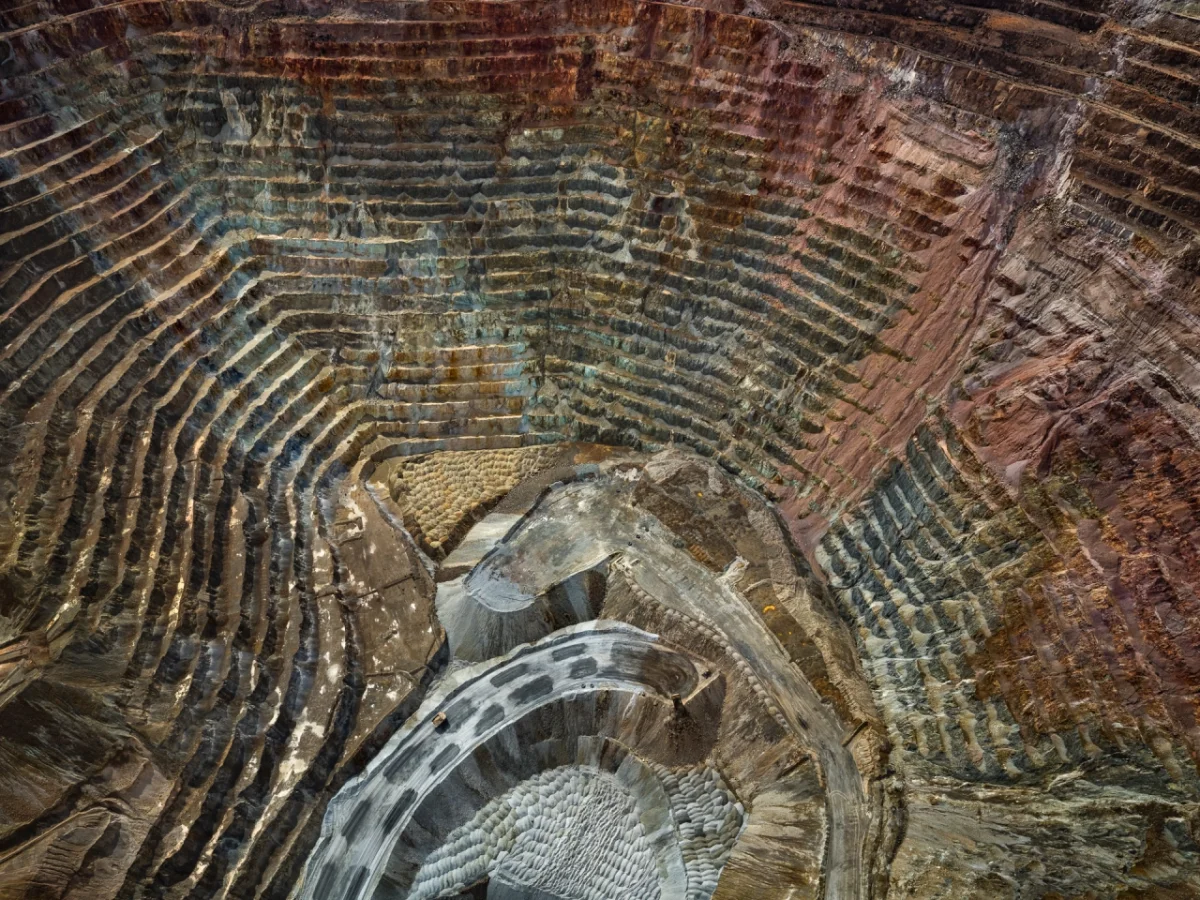
The project’s method begins with research. Before travelling, Hegen studies mineral supply chains, identifies important mining regions and learns about the processes used there. Reaching the sites can take time: some operations are remote, restricted or difficult to see from outside. In the Democratic Republic of the Congo, arranging access to some sites took him more than two years.
Each image in the book was made from an elevated position. Hegen mainly uses heavy-lift drones fitted with high-resolution medium-format cameras. When drones can’t be used, he photographs from helicopters or small aircraft. The height helps him show the full extent of industrial sites, but it also creates a clear visual language: extraction reads as geometry, colour and scale before it reads as a particular machine or worker.
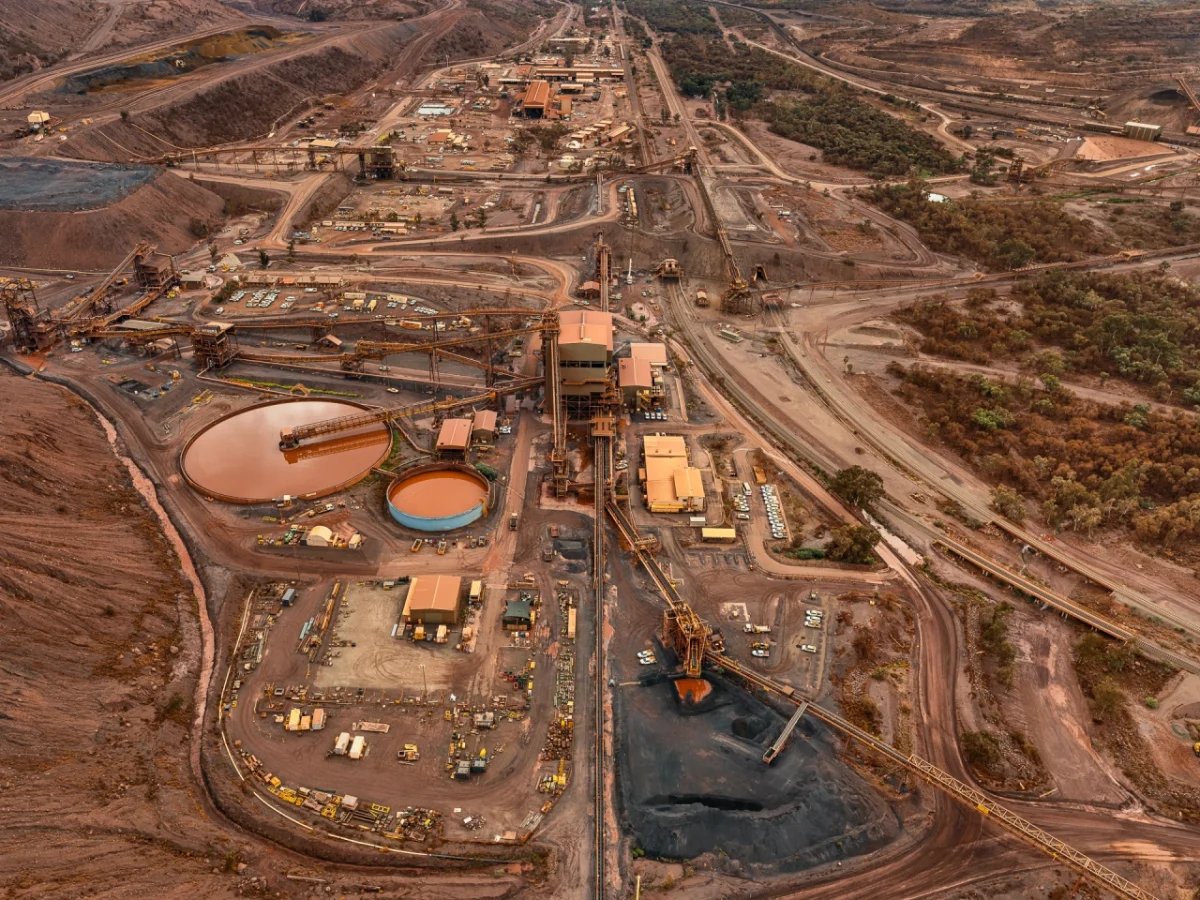
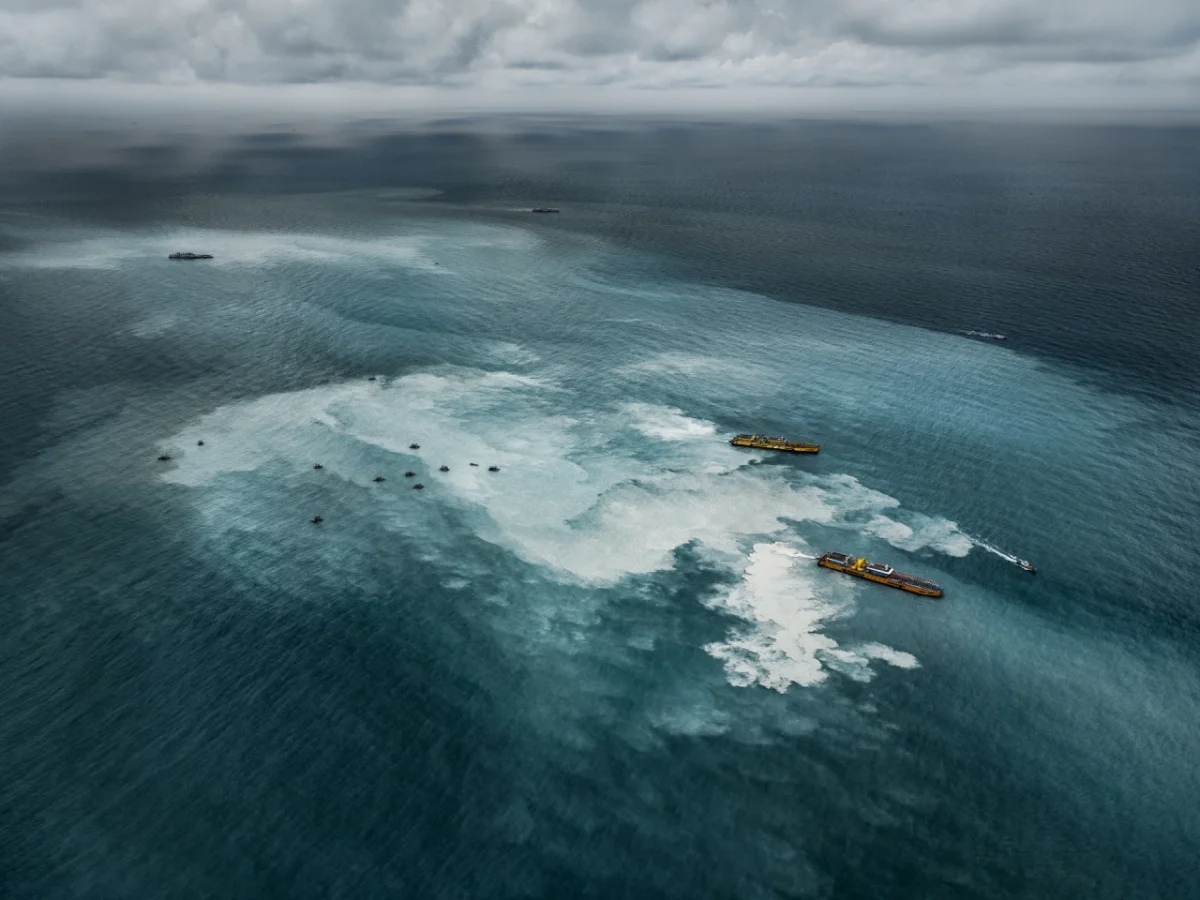
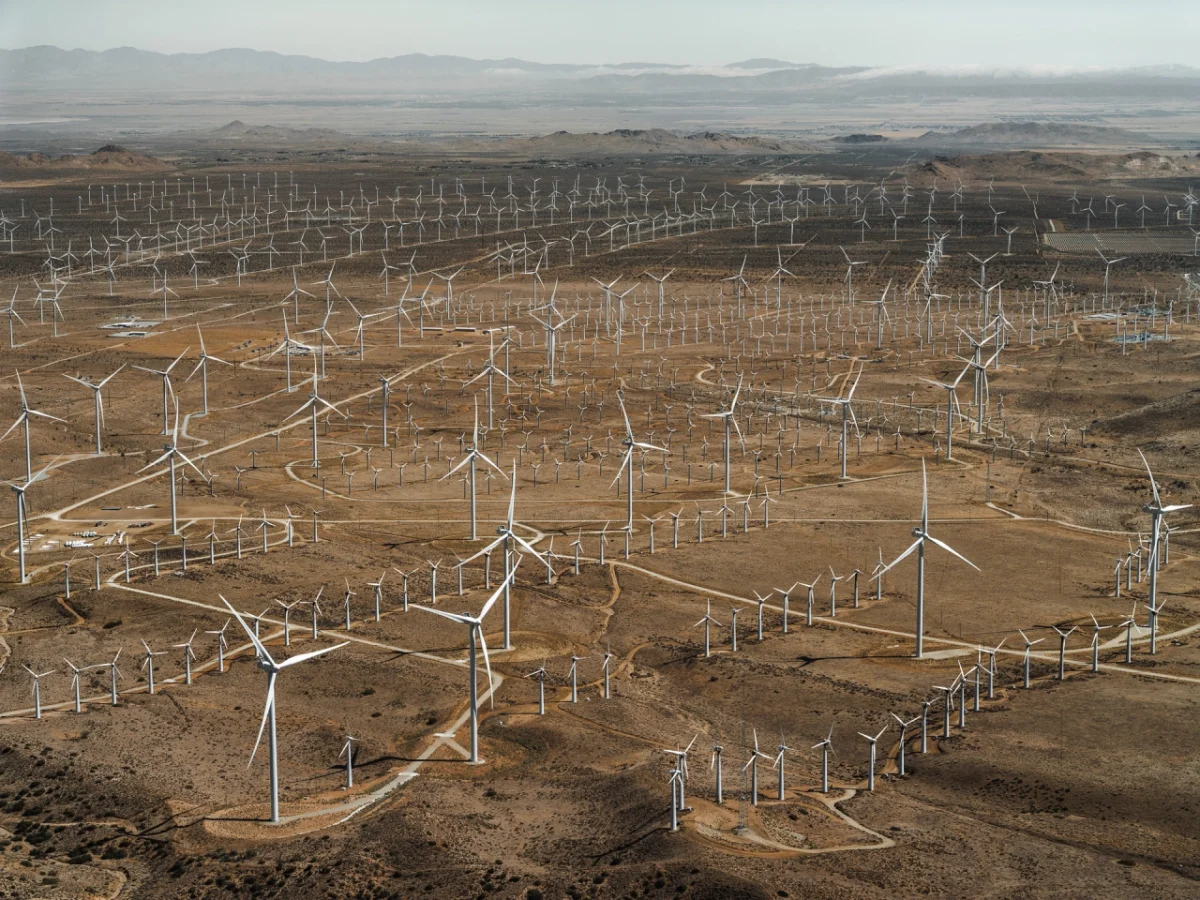
That visual distance gives the book room to make viewers curious about what sits beyond the frame: where materials come from, who lives near extraction, and how the benefits and costs are distributed. Hegen says he doesn’t intend to offer simple answers. He wants the photographs to prompt discussion and make the energy transition’s material requirements easier to see.
For design teams, the takeaway is concrete: products and systems have origins as well as interfaces. The Mineral Age asks viewers to look past the finished technology and consider the altered ground that makes it possible.