Thursday, October 29, 2026 · UX & UI Design
The Unread Turns Gmail Cleanup Into a Neon Zombie Game
Noted by Katy Cowan · 722 reads
Uncommon Creative Studio and Resn turn unread Gmail into targets in a free browser game, pairing inbox cleanup with gory arcade play.
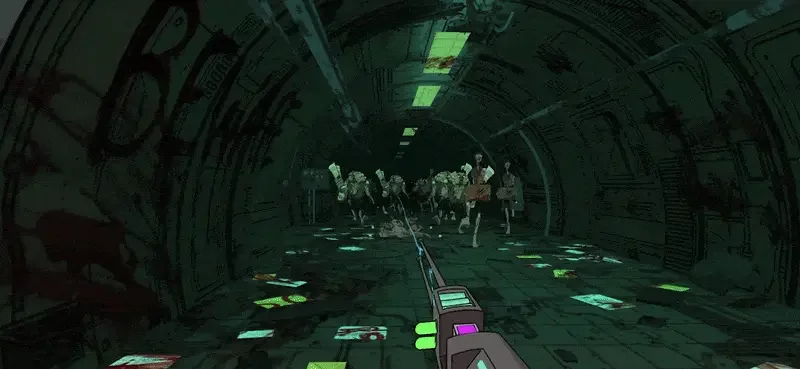
Inbox cleanup usually asks people to be efficient. The Unread makes a different pitch: turn unwanted messages into zombies, then clear them with a weapon. The free browser game from Uncommon Creative Studio and digital studio Resn connects Gmail to an arcade-style experience, making routine email deletion feel like play.
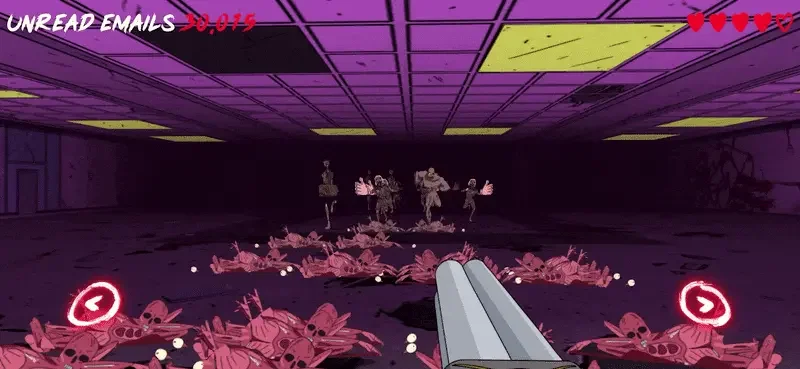
The premise gives a familiar digital backlog a visual form. Messages become enemies in a first-person game, and each zombie taken down corresponds to an unwanted email removed. Its neon corridors, exaggerated gore and arcade action make the interface deliberately more theatrical than a standard productivity tool. That shift is the point: instead of hiding the unpleasantness of inbox maintenance behind a tidy dashboard, the game turns the task into a short, visceral spectacle.
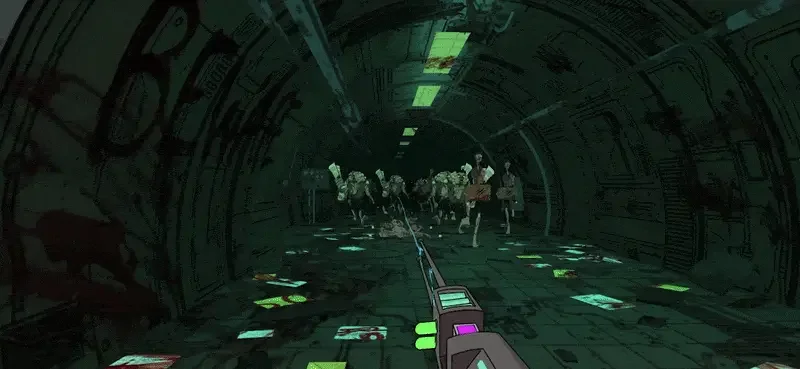
There are two ways to experience it, and the distinction matters. Slaughter Mode connects to Gmail and sends unwanted messages straight to the trash as players eliminate their counterparts in the game. The makers describe this as “Total annihilation.” Voyeur Mode requires no email connection and stops after the first level, offering a limited preview of the concept without linking the game to an inbox.
That choice lets the project demonstrate its idea at different levels of commitment. The connected mode ties each action to an actual mailbox; the preview keeps the interaction self-contained. For designers considering playful interfaces for everyday tasks, this is a useful pattern: let people understand the experience before asking them to connect a personal account. The source doesn’t detail the game’s account permissions or message-selection rules, so players should review those in the product before choosing the connected mode.
Making an abstract backlog visible
The team’s rationale starts with the scale of unread email. Research cited by the makers puts the average unread count above 1,000, rising to 1,200 after a two-week holiday. They also say that only 24% of incoming messages are considered important, while the remaining 76% are irrelevant or low priority. Yet every message can still demand attention, whether it deserves a reply or can be discarded.
That mismatch between importance and mental effort is what the game dramatizes. An inbox counter is a number; a corridor full of enemies gives that number presence, movement and an immediate action. The visual metaphor also makes deletion legible as progress. Rather than asking players to sort, label and prioritize every item inside the game, the interaction frames unwanted email as something to remove.
Uncommon co-founder Nils Leonard says the team wanted to challenge the idea that tools for digital overload must strip emotion from the experience. He describes The Unread as “intentionally visceral, silly, cathartic and entertaining,” and frames it as utility disguised as a game—or a game disguised as utility. His point is that automation isn’t the only way to motivate people to manage digital clutter; humour and interaction can also make an unappealing task easier to approach.
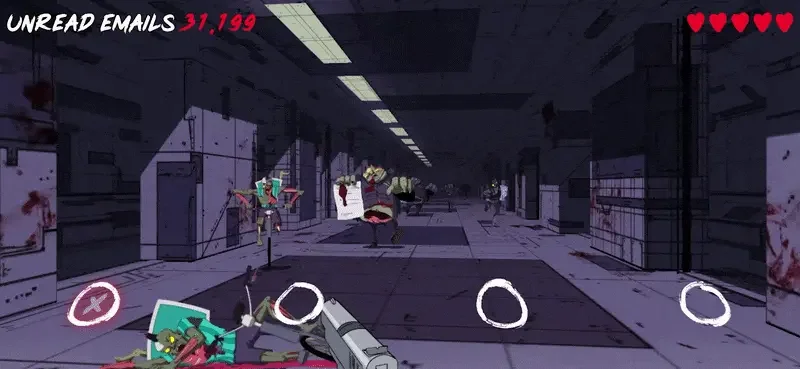
Resn CEO Rik Campbell puts the design challenge in practical terms: teams often try to make tedious jobs more efficient, but making them enjoyable is another route. The Unread plays on the urge to procrastinate by giving inbox cleanup the shape of an arcade session. Its premise is knowingly absurd, but the mechanic has a clear job: attach a satisfying action to an administrative task people tend to postpone.
A self-initiated project with a clear point of view
The project is also an example of a self-initiated studio idea. The source identifies no outside client or brief. Instead, Uncommon and Resn built a browser game around a familiar frustration, using the format to show how a playful interaction can reframe a digital chore. The concept gives both studios room to demonstrate creative direction and digital experience design without needing to explain the premise at length: the inbox becomes the setting, and the zombies make the task visible.
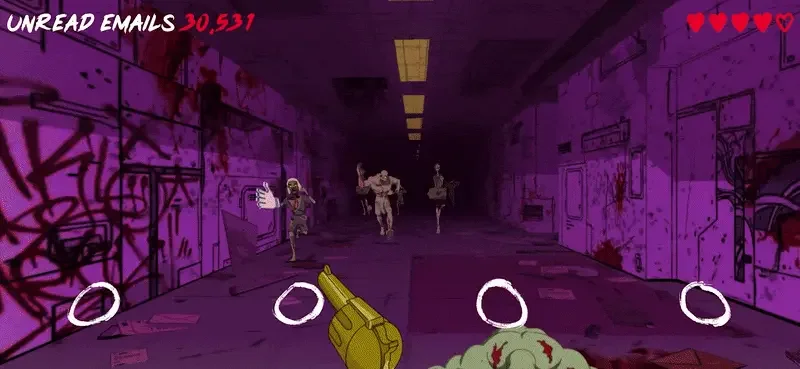
For designers, the interesting question is how far the metaphor can carry the work. Here, the visual language and deletion mechanic reinforce each other: the targets stand in for messages, and removing them produces a concrete result. The two modes also let the project work as both a playable preview and a connected tool. That combination gives the idea room to entertain while keeping its practical purpose in view.
The Unread is available as a free browser game at the-unread.com. Uncommon has also shared more about the project on its Medium page. Its strongest takeaway is simple: when a routine task feels too abstract to start, a well-matched interaction can turn progress into something people can see and enjoy.