Thursday, October 29, 2026 · Graphic Design
Henry Chalfant’s Life-Size Subway Graffiti Photos Bring 1980s New York to Amsterdam
Noted by Emily Gosling · 742 reads
Straat pairs Chalfant’s train photographs with the scale and sound of a New York station, putting graffiti’s fleeting history in view.
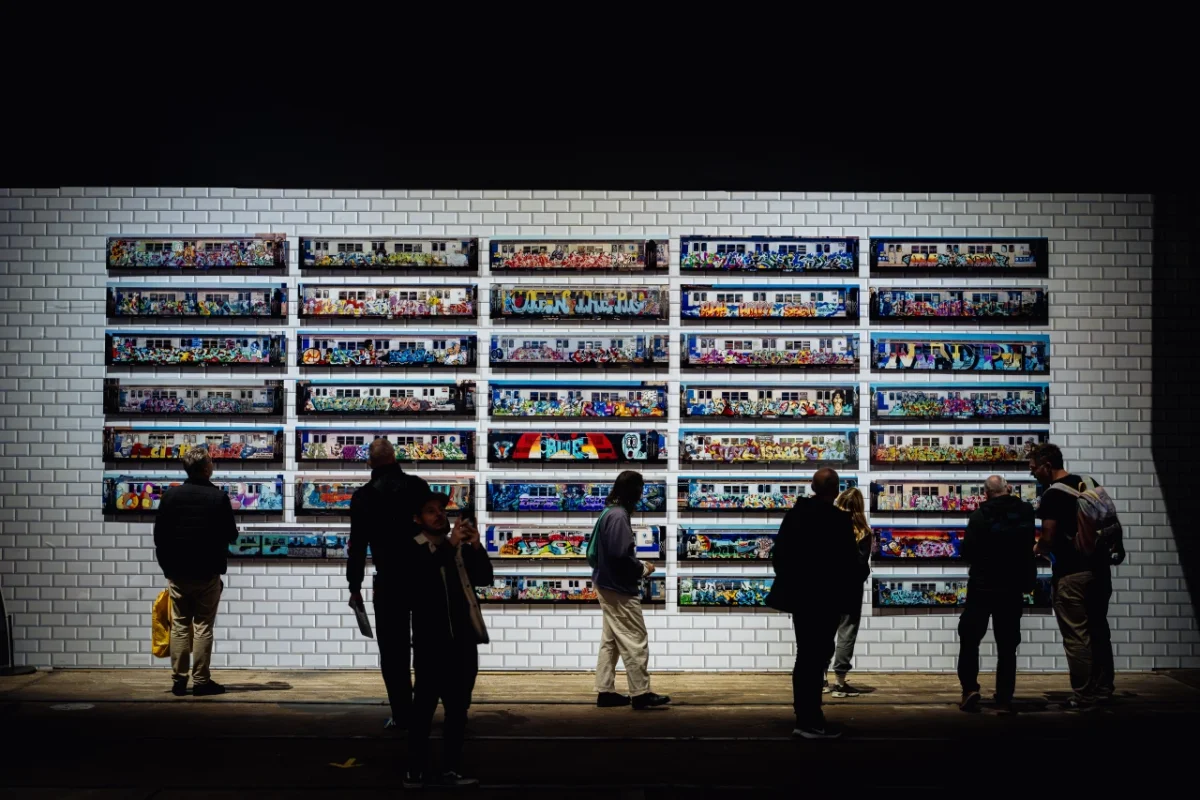
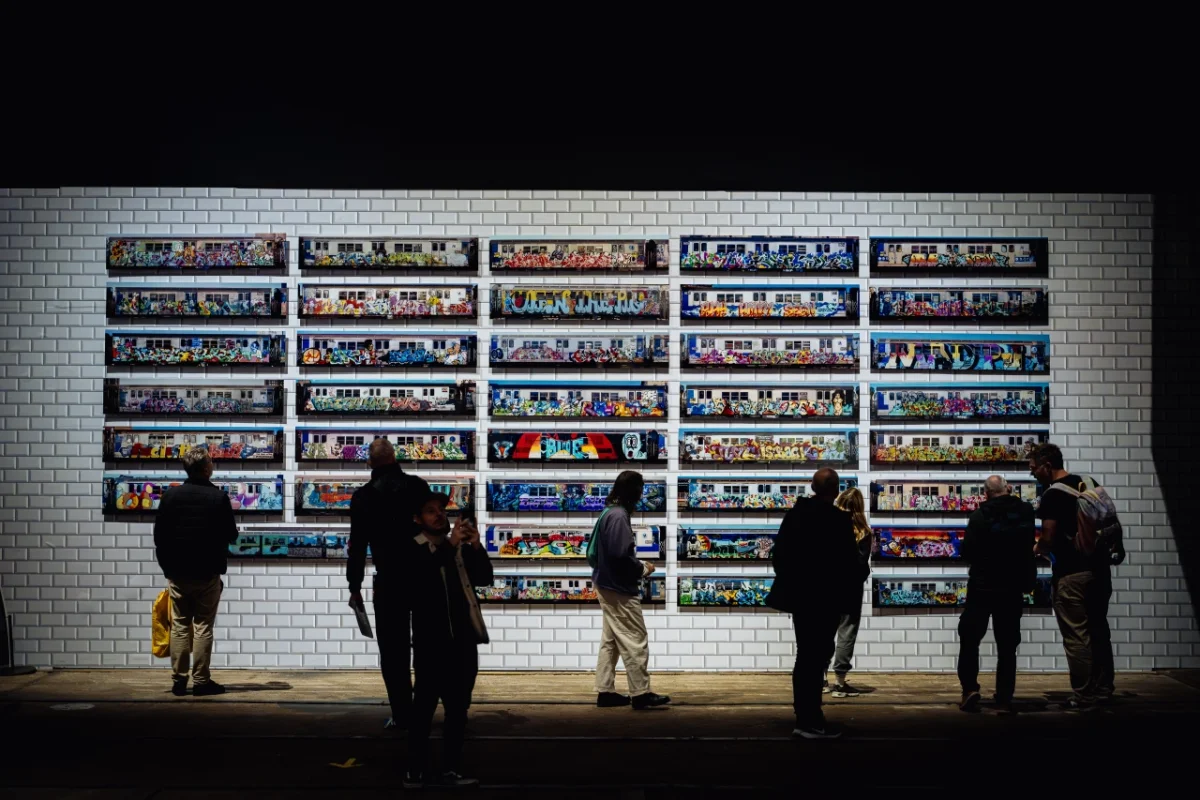
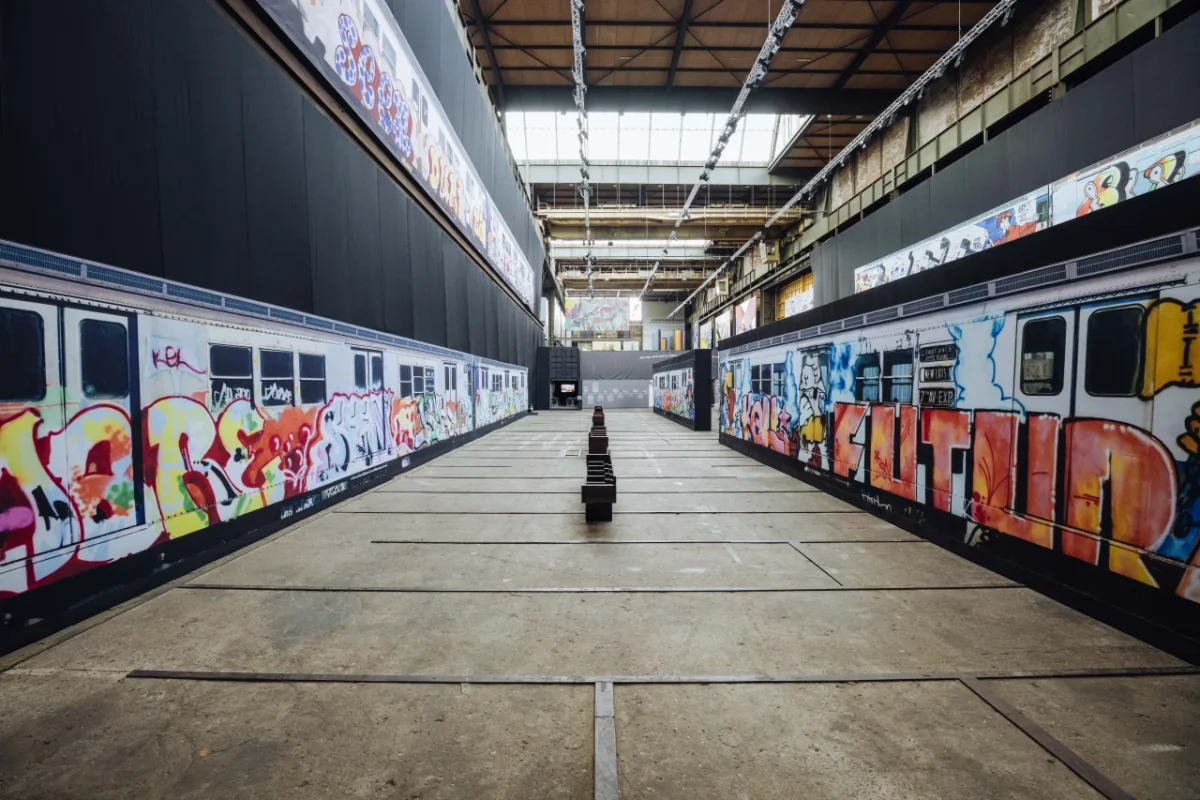
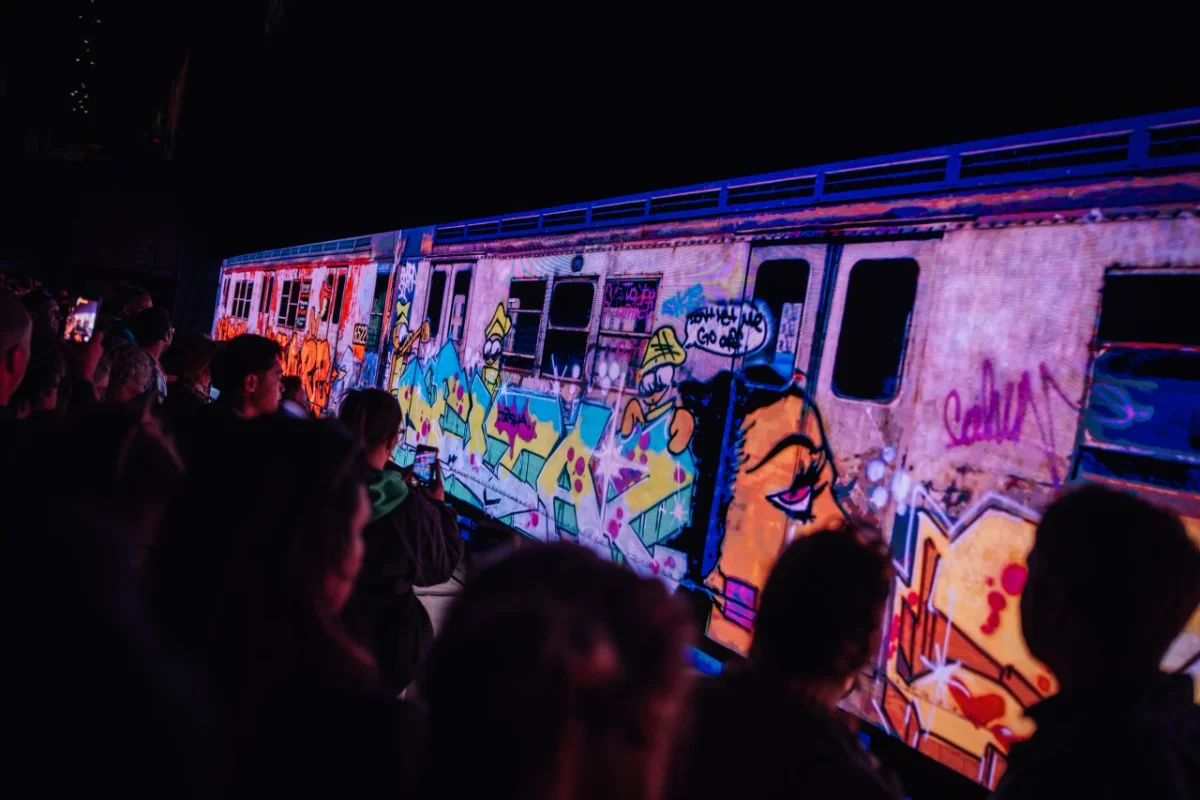
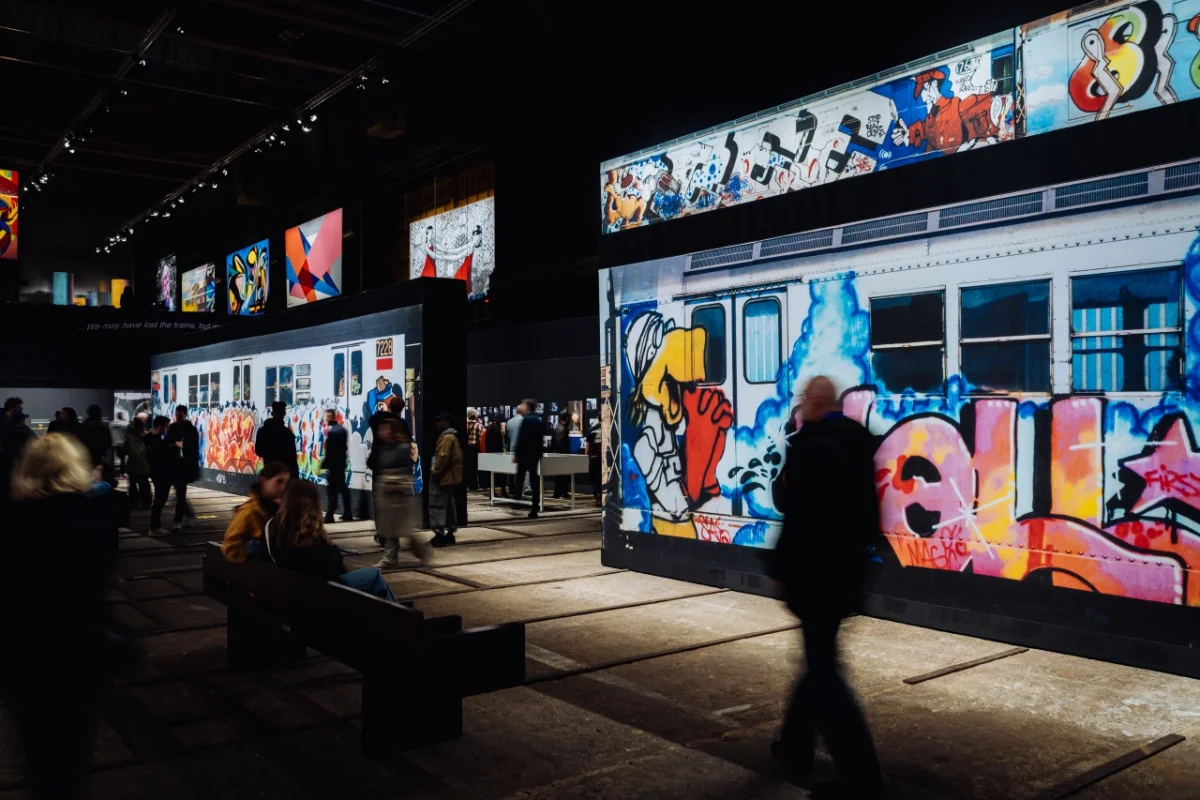
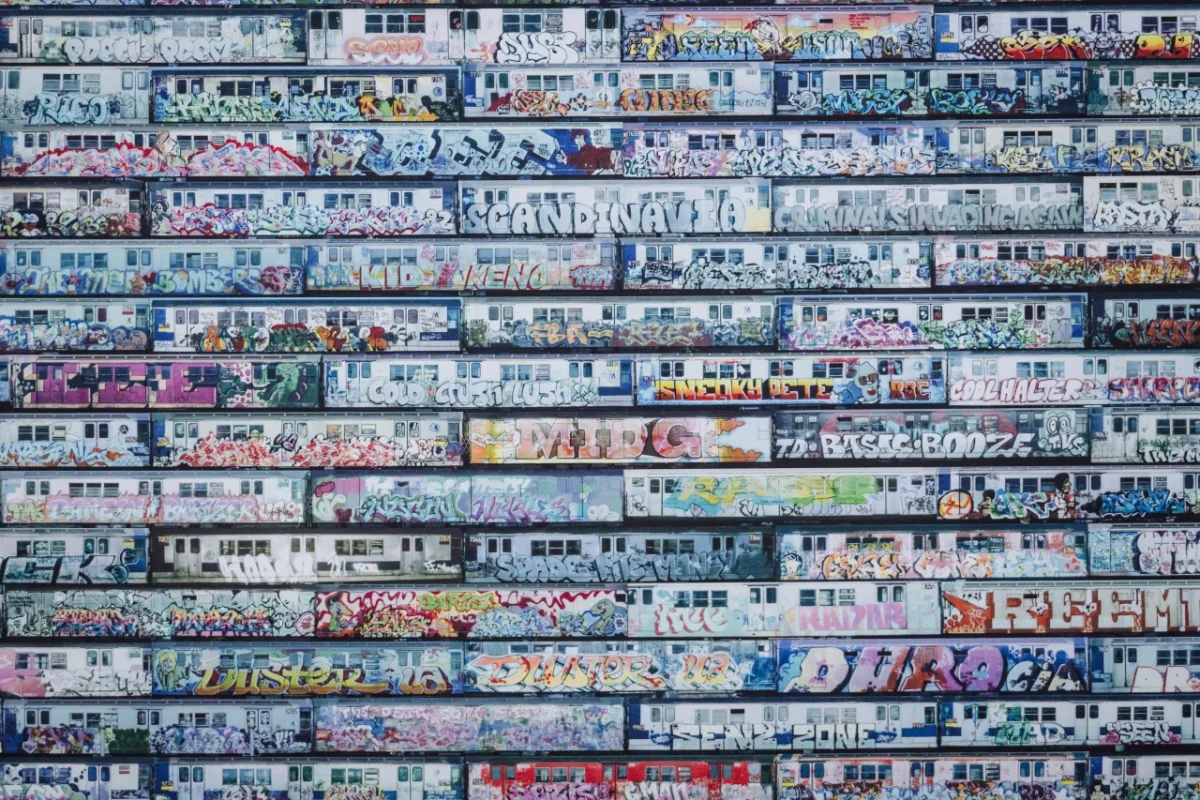
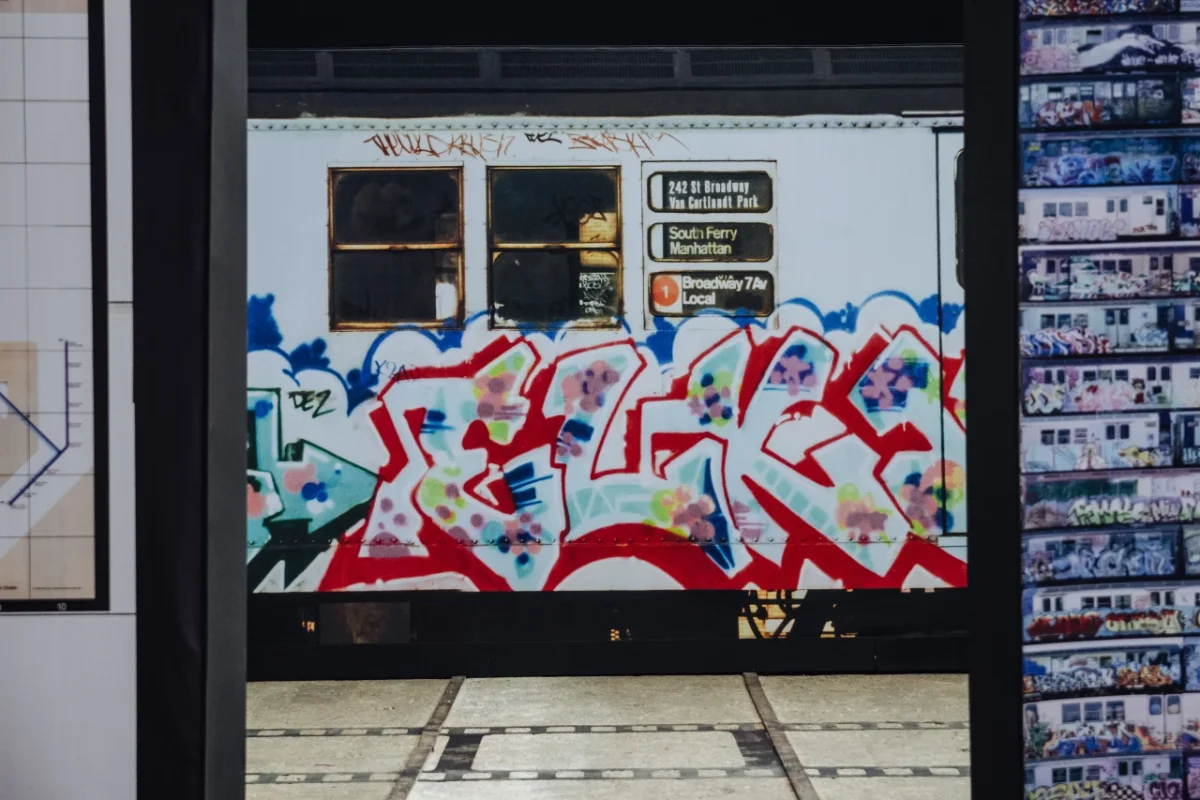
Henry Chalfant’s photographs of New York subway graffiti were made to preserve work that wouldn’t stay put. At Amsterdam’s Straat Museum, they’re shown at the scale of the trains they record: large prints on metallic paper, backed by a screen that makes the cars appear to roll into a station. Benches and rumbling track sounds complete the scene. The installation gives documentation the physical presence of its subject, and makes a strong case for the photograph as part of graffiti’s history.
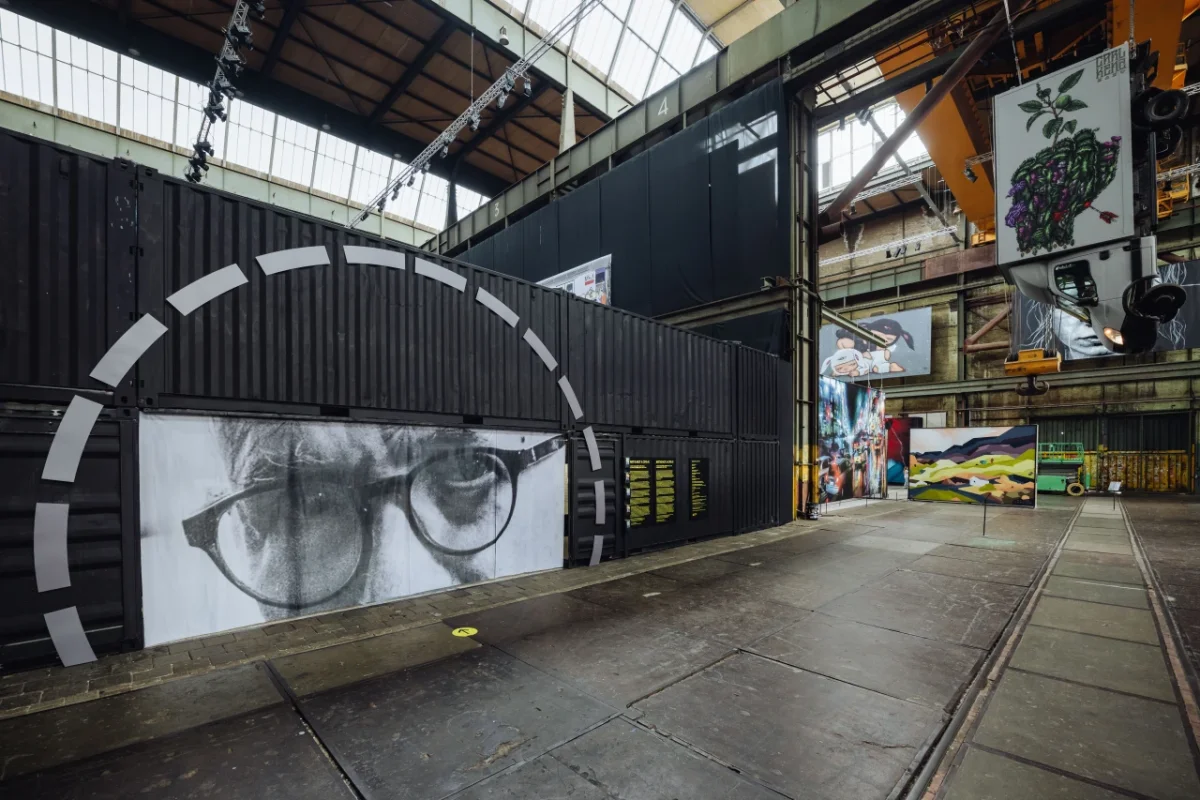
The exhibition also meets a familiar challenge: how to bring work shaped by public space into a museum without losing its scale or context. Straat’s former shipyard building gives the photographs room to breathe. Across 2,000 square metres of the museum’s 8,000-square-metre site, Chalfant’s images sit within an institution devoted to street art’s varied forms, from paintings and installations to video, sculpture and fibreglass.
A museum shaped by its site
Straat occupies a former shipbuilding hall on the NDSM wharf in Amsterdam Noord, across the water from Centraal Station. The shipyard closed in 1984. After years of disuse, artists moved into the area during the 1990s, turning industrial buildings into studios and places to work. Today, the wharf also has event spaces and a café. The Kunststad complex houses hundreds of artists, architects and designers; shipping containers serve as student homes, and a former shipyard crane has become a hotel.
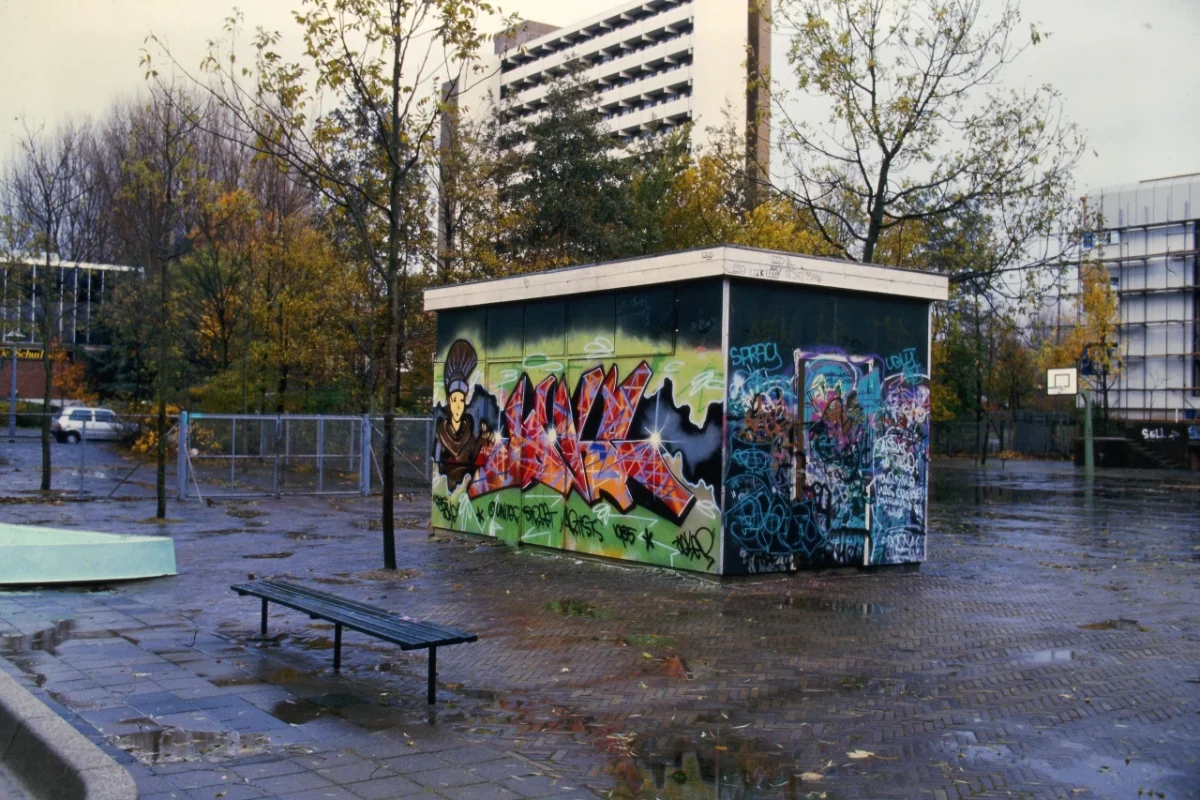
Graffiti is woven into the wharf’s everyday appearance: murals cover walls, tags mark surfaces, and young writers have places to practise. A large Anne Frank mural on Straat’s exterior has become a landmark visible across the water. The site’s industrial character remains visible, but street art changes how visitors read it. The same combination of vacant buildings and creative occupation has appeared in other cities, where studios and cultural spaces can later attract new development and higher rents. High-rises and corporate tenants are now arriving at NDSM.
The museum grew out of a flea market. Its founder was asked to add art to the venue, invited graffiti writers to take part, and was struck by visitors’ response. That experience led him to pursue a museum, beginning construction before securing the necessary permits. Straat educator Alex Pope describes the attitude with the phrase, “I’d rather ask for forgiveness than full permission.” The museum opened in 2020, when pandemic restrictions made its start especially difficult. The founder’s three daughters remortgaged their homes to help keep the project afloat.
The scale of the hall is part of the museum’s character. A truck hangs from the ceiling, yet the vast walls make it easy to overlook. The collection contains around 280 works, with more than 180 displayed at a time. Its four areas cover post-graffiti and abstraction, socially engaged work, and cultural heritage and identity. The range is deliberately broad: Shepard Fairey’s graphic work, Shamsia Hassani’s piece Amina, which addresses the hopes and struggles of women in Afghanistan, Gary Stranger’s typography, and Dutch artist Nina Valkhoff’s animal imagery all share the space.
That variety extends to the work’s materials and histories. Classical Greco-Roman references sit alongside a Beirut shutter marked by real bullet and shrapnel damage, where visitors can leave messages for people living through conflict. Straat director Marion Wolff connects the museum’s Amsterdam setting to New York’s graffiti history. She recalls the Netherlands of the period when graffiti arrived as a place facing housing shortages and unrest. In her view, neglected urban spaces become canvases; cafés and galleries follow, then rents rise and developers commission art for new buildings. The path repeats across cities, though each place gives it a different character.
Photographing work that could disappear
Chalfant’s pictures give the exhibition its focus. A sculptor turned photographer, he documented New York subway graffiti in the late 1970s and early 1980s. He helped bring those images to European audiences through Subway Art, the book he co-authored with Martha Cooper, first published in 1984, and through Style Wars, the 1983 film he co-produced.
Graffiti can be painted over, removed or carried away on a train. Photography lets the work circulate after the original surface has vanished, but the method has its own demands. Chalfant photographed around 550 trains, capturing each car across four or five frames during the roughly 30 seconds it sat at a station platform. He then joined and glued the images together by hand. The finished photographs reconstruct whole train sides from those brief windows.
At Straat, the prints are presented at train scale, with metallic surfaces that catch the light. A large, backlit screen shows the cars entering the station while sound effects evoke the track. Visitors can watch from New York subway benches. This display gives the images a sequence and setting: instead of encountering isolated panels, viewers experience the cars arriving, passing and occupying the room.
Trust behind the camera
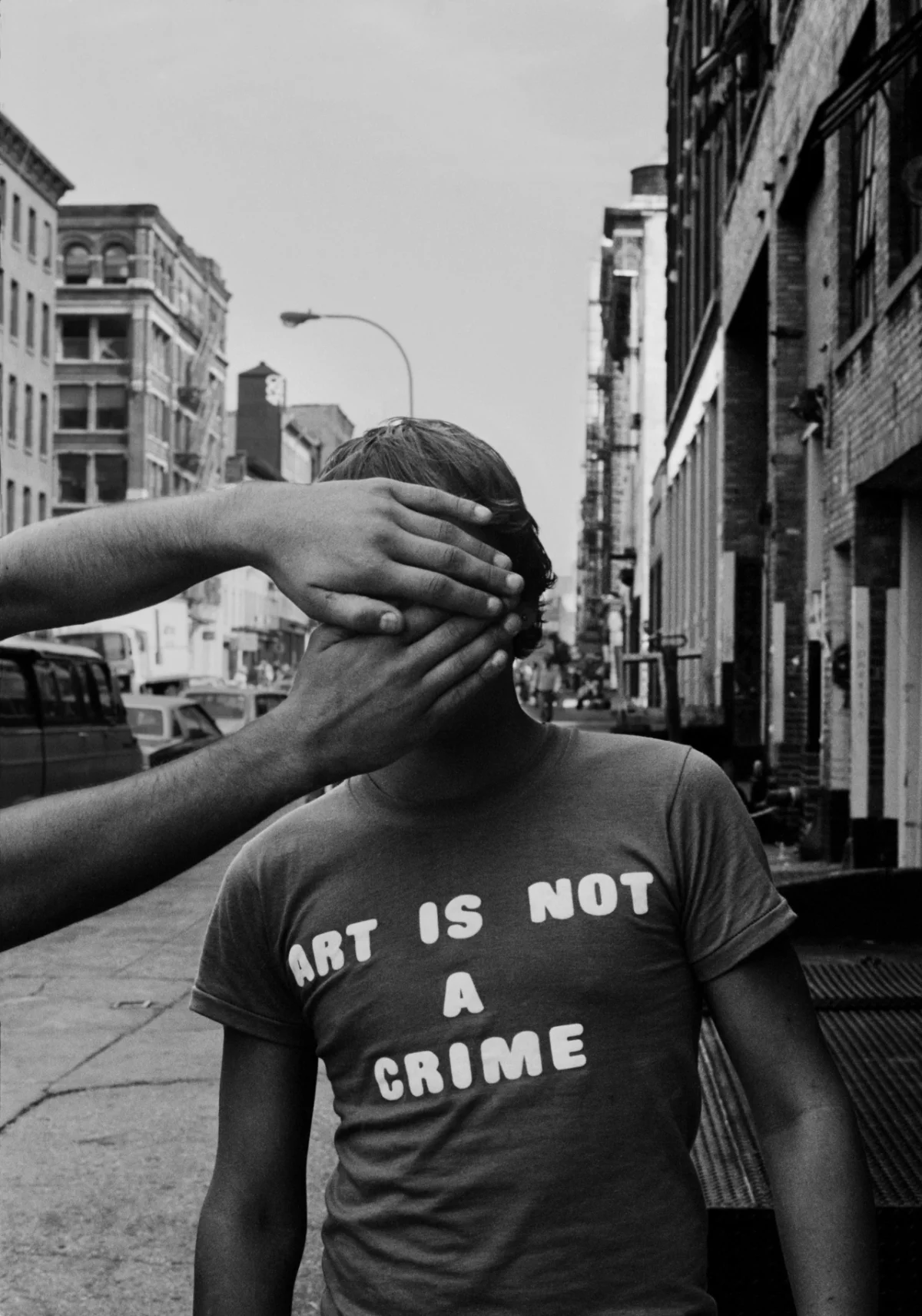
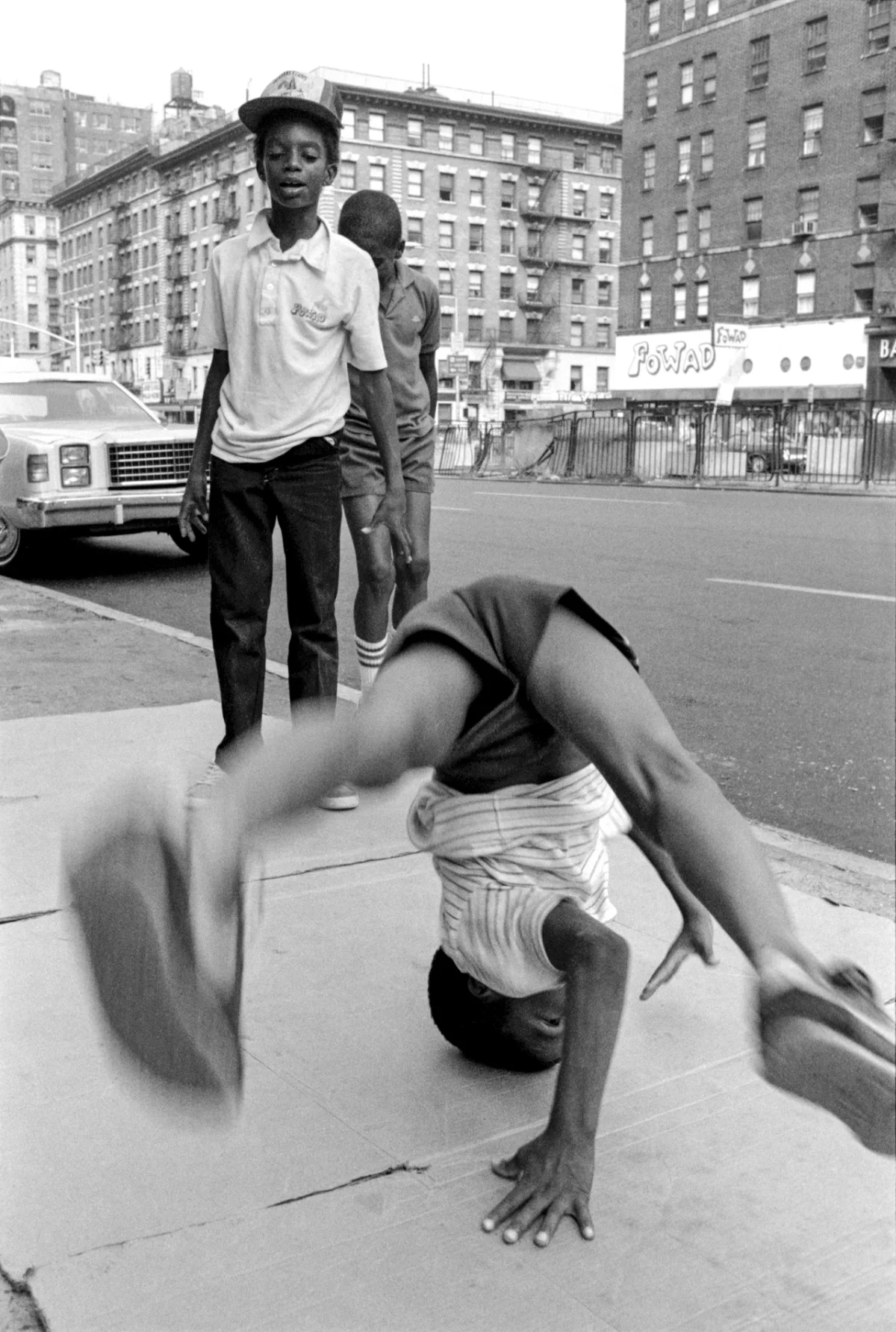
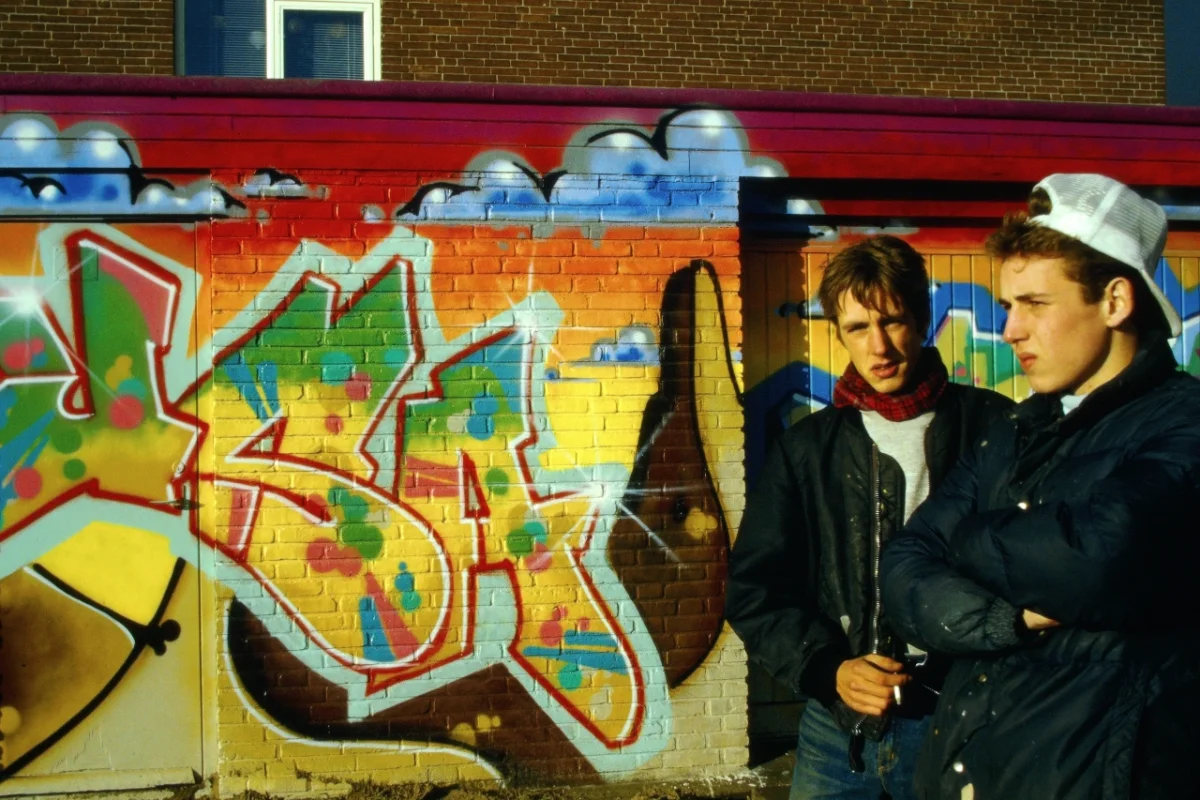
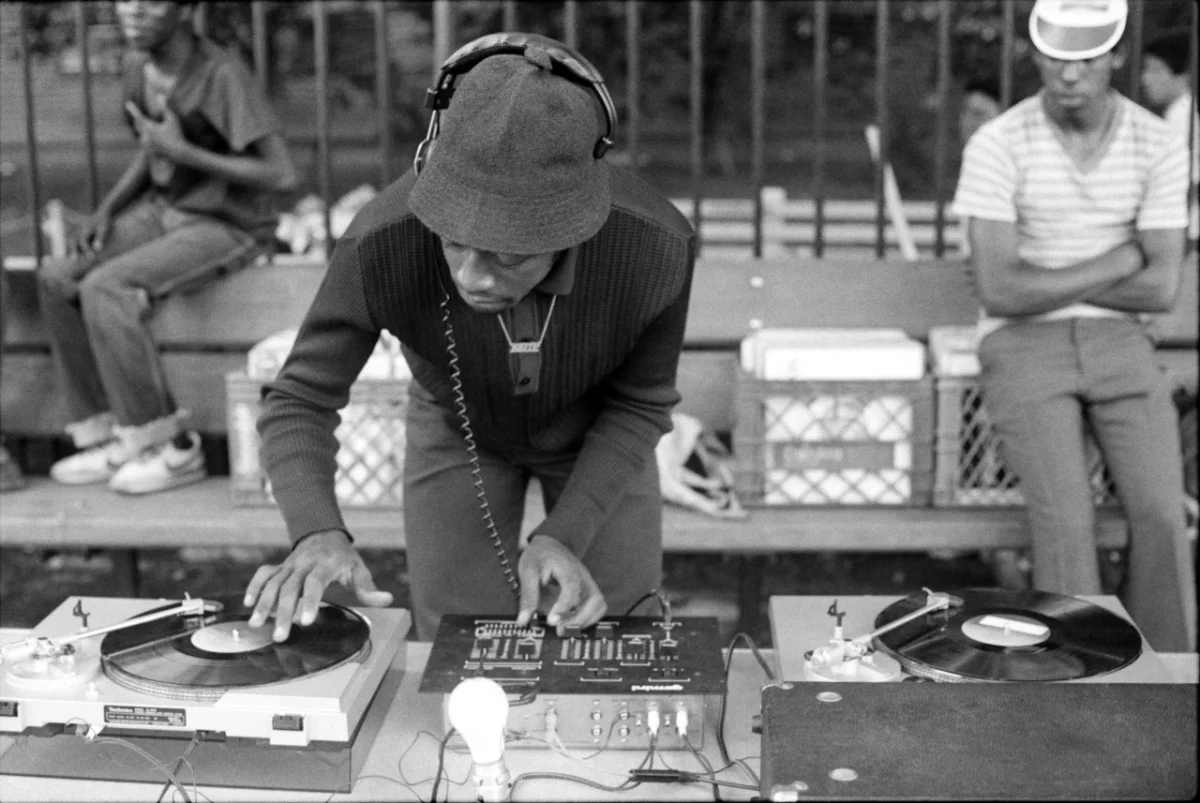
The photographs also record the people and conditions around the work. Chalfant depicts a New York marked by financial hardship, drugs and fires in the South Bronx, including children leaping from an old refrigerator onto rusty bedsprings as they practise gymnastics. Graffiti developed alongside breaking and DJing within a wider hip-hop culture. When a gallery asked Chalfant to create a performance, he invited pioneering breakdancers Crazy Legs and Frosty Freeze to use his studio as a stage.
His access wasn’t automatic. Chalfant says that writers and dancers initially saw him as a middle-aged white man who looked like a police officer. One young person approached to ask what he was doing. Chalfant showed him photographs he carried with him; the young person recognised a cousin’s work in one frame. That exchange led Chalfant to a gathering place at 149th Street and the Grand Concourse, where writers met after school. He went there, then invited them to his studio to see their pictures in albums. Those images could travel to galleries and publishers, extending the writers’ reach beyond the subway walls.
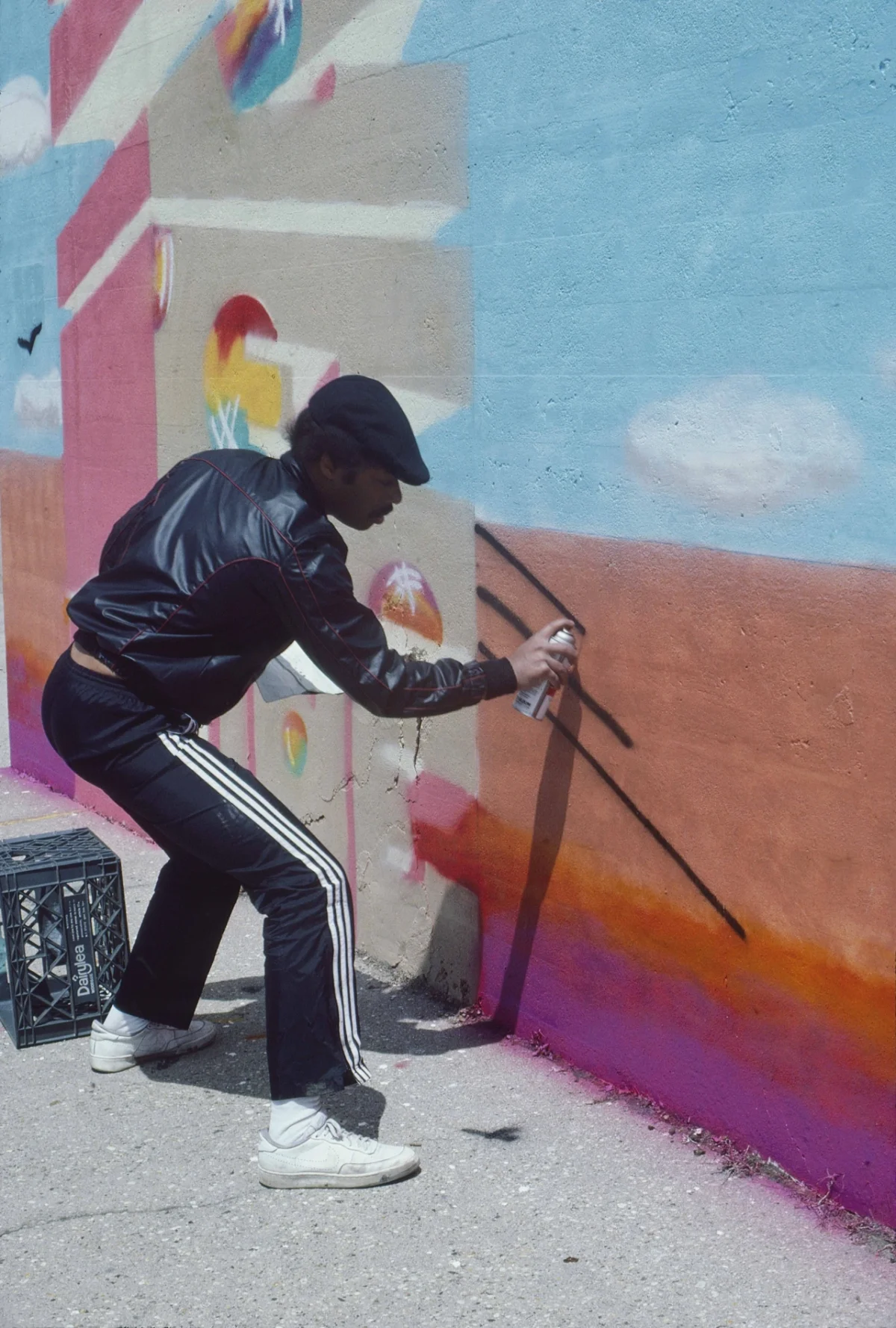
The exhibition’s best decision is to meet the scale of its subject with equal ambition. In a vast industrial hall, train-sized photographs and station sound make the work legible as both image and event. Straat’s wider collection adds the social and cultural histories around those images, while Chalfant’s contact with writers points to the human work behind the archive. For designers and image-makers, the takeaway is concrete: when documenting work built for public space, scale, sequence and the relationships behind the camera can shape how much of its original force survives.