Wednesday, October 28, 2026 · UX & UI Design
Local Shopkeepers Take Centre Stage in Coca-Cola’s Oil Portraits of British Businesses
Noted by Katy Cowan · 975 reads
Four portrait artists paint the owners of a Barnsley chippy, Glasgow café, Devon pub and Catford shop, celebrating the people behind local businesses.
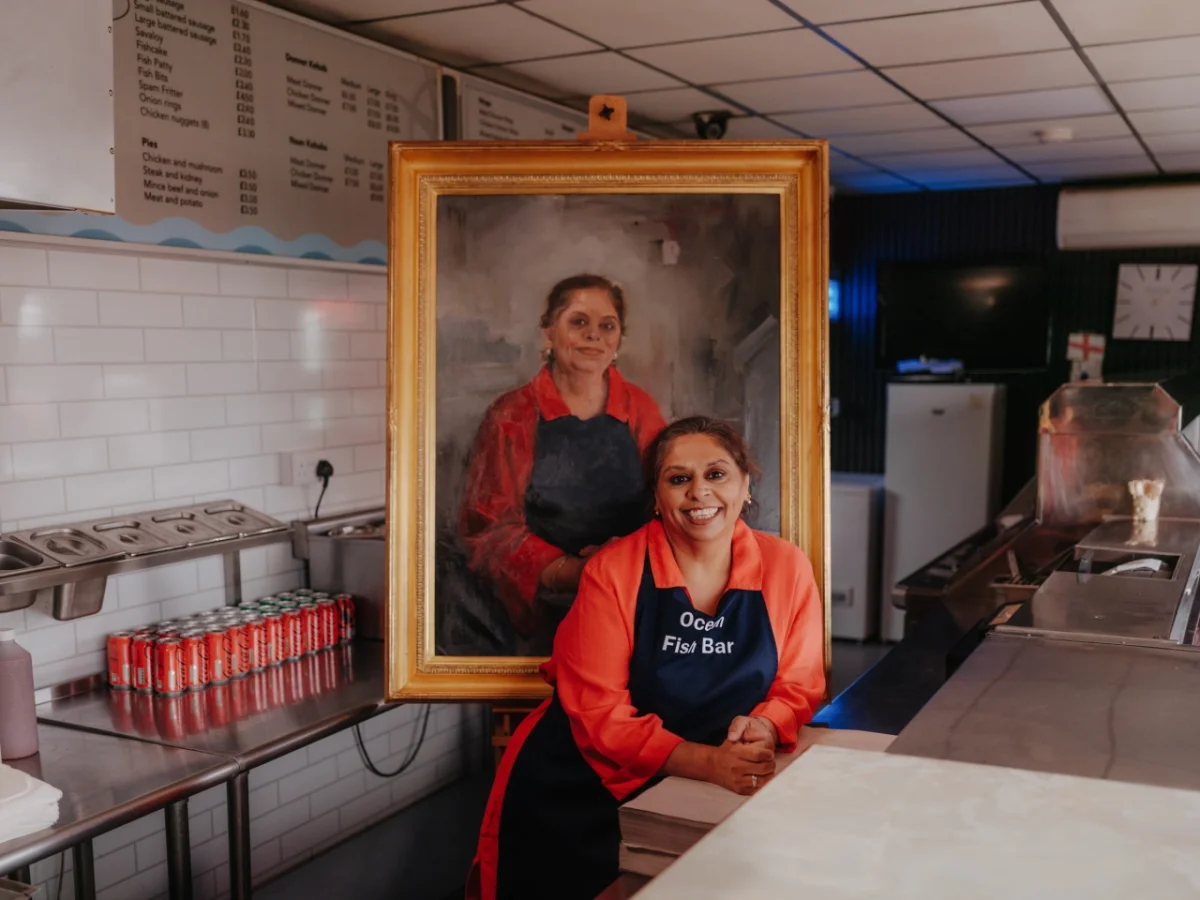
Formal oil portraits have long given their sitters a place in public view. Coca-Cola’s Local Royalty project applies that tradition to four people whose daily work helps make a neighbourhood feel like itself: a fish-and-chip shop owner, a café proprietor, a pub landlord and a corner shop owner. Their portraits will be shown at London’s Saatchi Gallery until 1 November, with free admission.
The choice of format is the project’s clearest design decision. Gilt frames, composed poses and oil paint carry the visual weight of royal portraiture, while the settings and sitters connect that tradition to familiar local businesses. The result gives the owners the scale and attention typically associated with historic portraits, without losing sight of the everyday places they run.
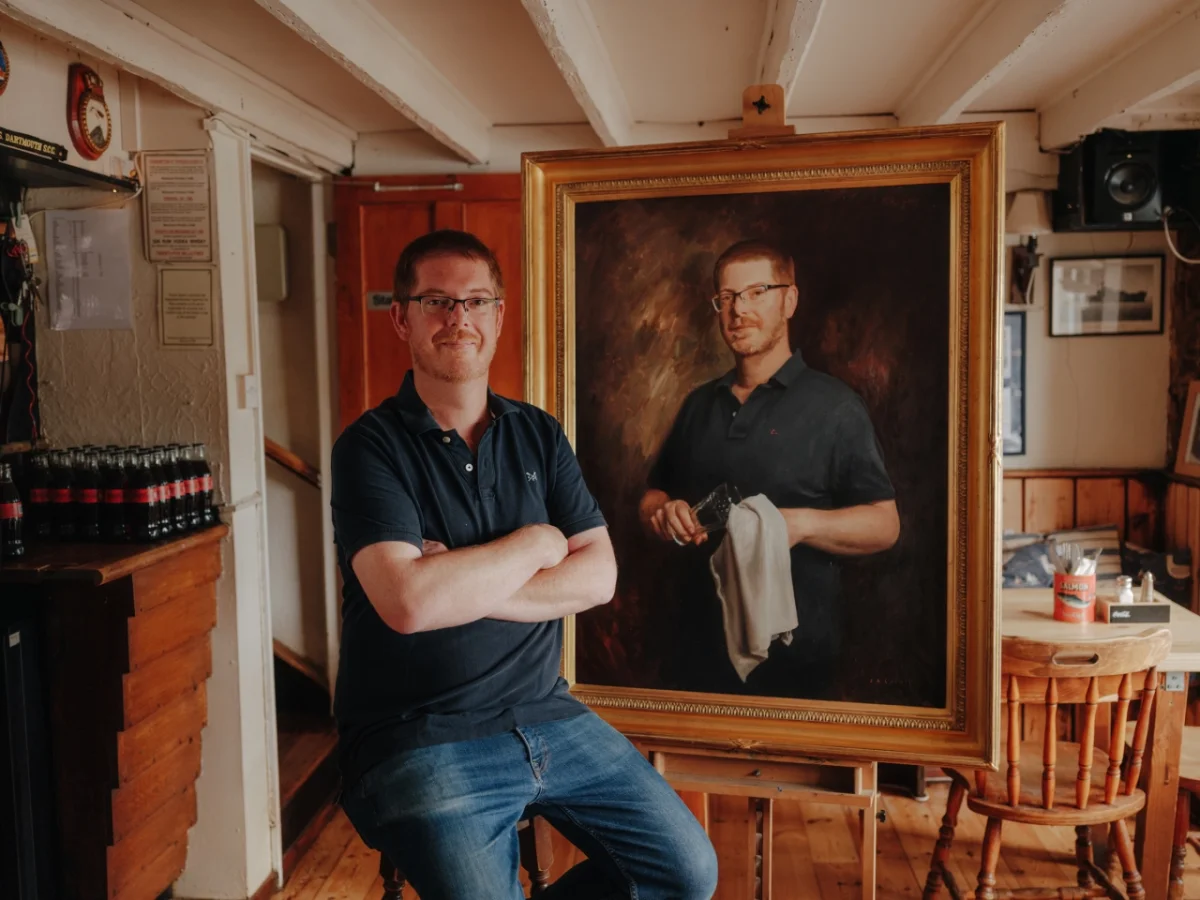
The work extends Coca-Cola’s Localness platform, which focuses on the people behind pubs, shops and cafés where its drinks are served. Earlier projects included the documentary and photo series The Bosses and Counter Cultures, which appeared earlier in 2026. For this instalment, the familiar visual language of formal portraiture becomes a way to make local business owners visible to a wider audience.
Research commissioned by Coca-Cola Great Britain found that 79% of people think independent businesses are under-appreciated, while 80% want to see them celebrated more often. “Independent business owners create the places where local life happens, yet their contribution often goes unrecognised,” says Rhona Stephen, senior director of communications for Coca-Cola Great Britain. She says the project uses portraiture to give those owners’ everyday impact “the status it deserves.”
Four businesses, four local histories
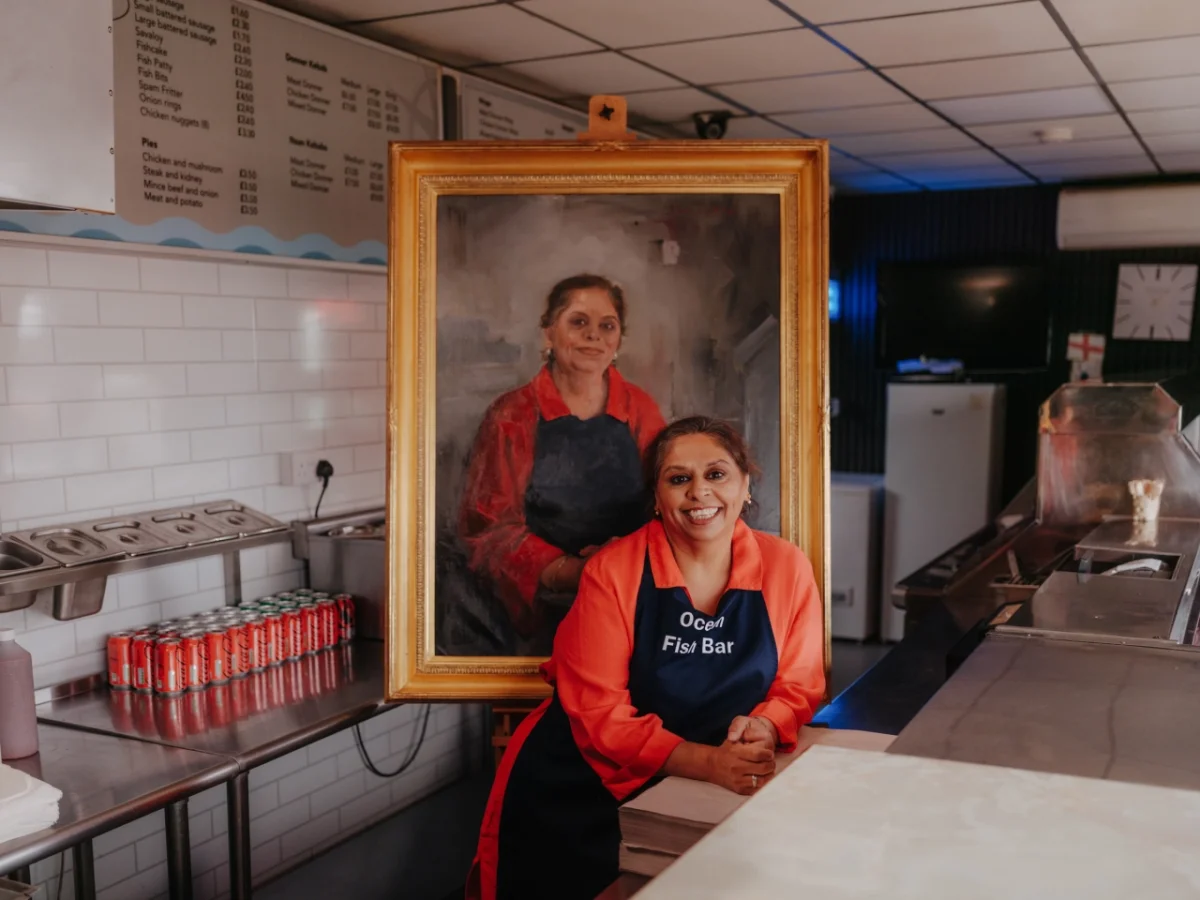
Pindy Kaur took over the struggling Ocean Fish Bar in Barnsley in the 1990s. More than 25 years later, she and her family have built it into a popular takeaway with a strong base of regular customers. Kaur admires the late Queen Elizabeth II, and her portrait was painted by Nicky Philipps, who painted the Queen twice. That pairing links the sitter’s personal admiration for the monarch with the project’s broader use of royal portrait conventions.
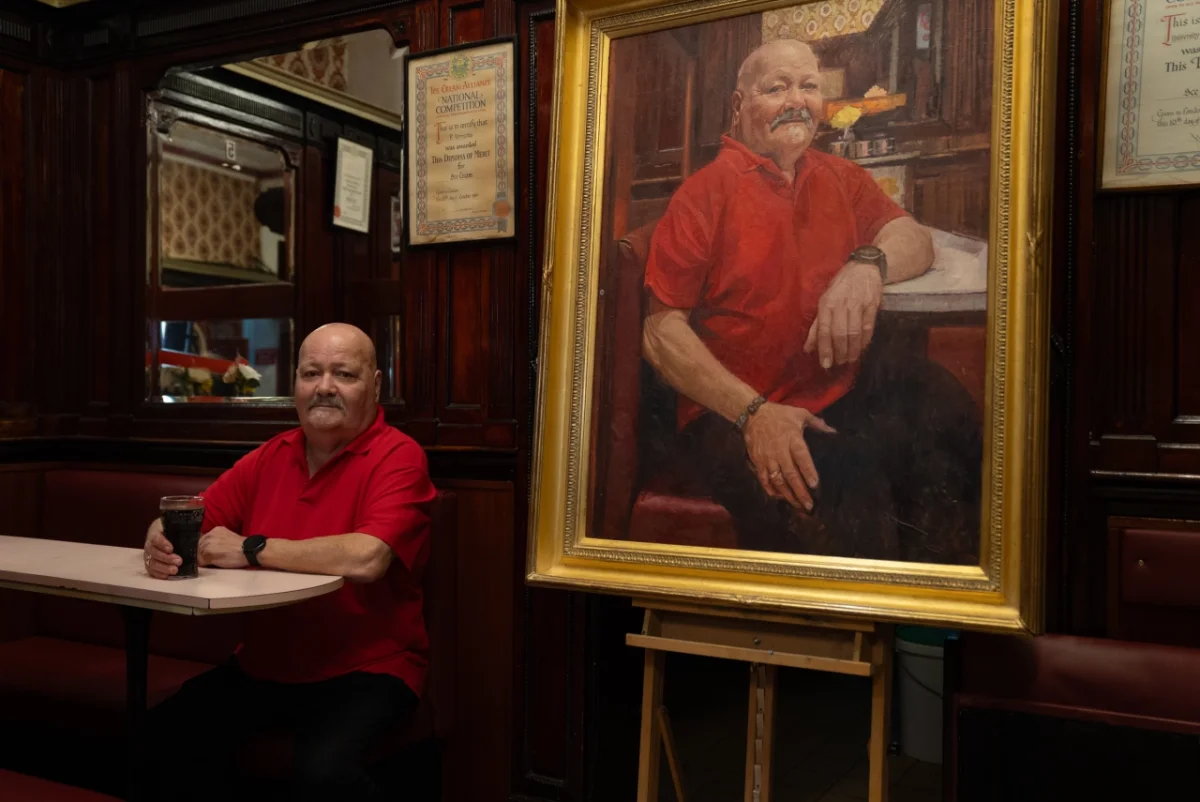
In Glasgow, Gino Verecchia runs the University Café, opened by his grandfather Pasquale in 1918. The family has kept the business for three generations. Its menu brings Italian heritage together with Scottish favourites, including gelato made from a recipe more than a century old. The café once served Anthony Bourdain battered haggis. Gareth Reid, who painted King Charles III when he was Prince of Wales, created Verecchia’s portrait.
The Ferry Boat Inn sits beside the River Dart in Dittisham, South Devon. Locals call it the FBI. Landlord Simon Dafforn-Jones, known locally as “Slugger,” has run the pub for almost 20 years, following his father. The business gives local teenagers their first jobs and champions produce from the region, making it a gathering place as well as a pub. Jamie Coreth painted Dafforn-Jones; Coreth created the first official portrait of the Prince and Princess of Wales.
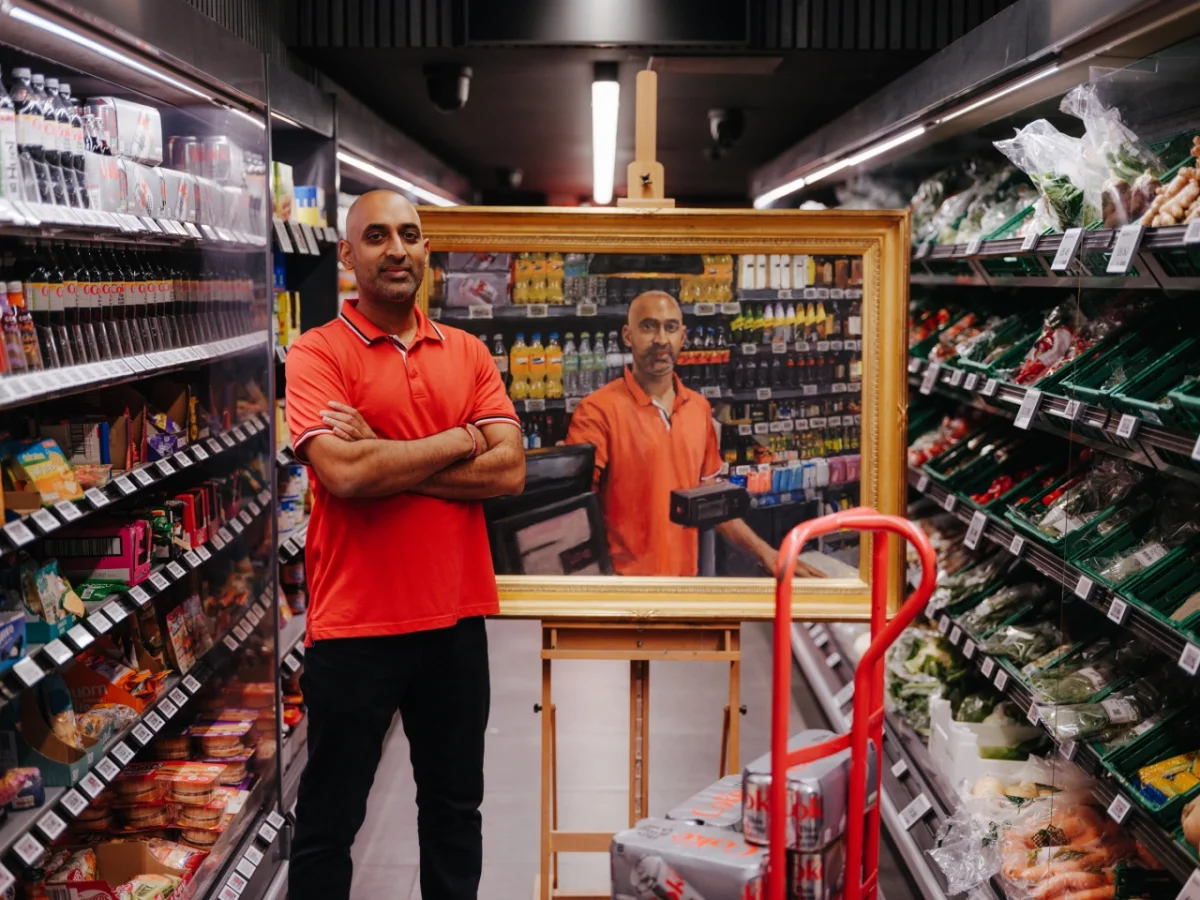
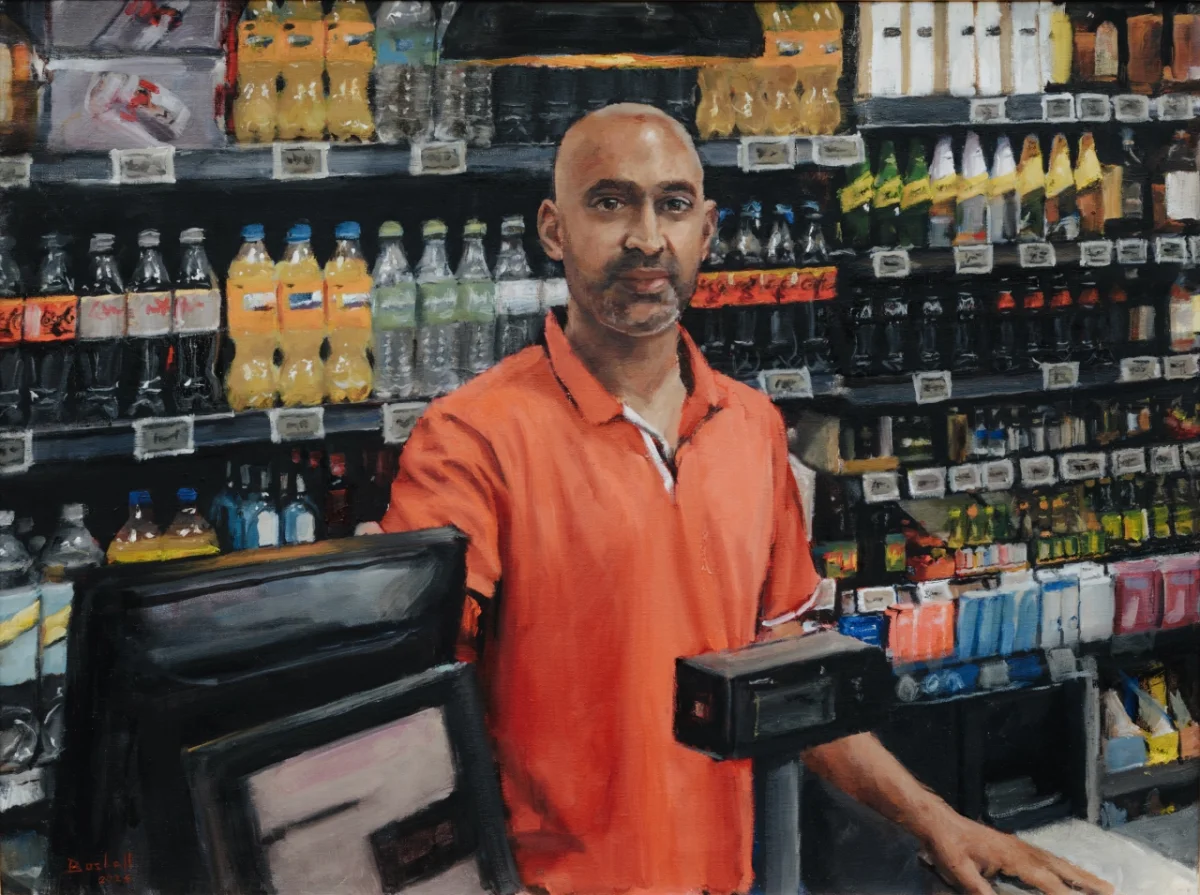
In Catford, South East London, Torridon Convenience Store has been part of Kaual Patel’s family since his father bought it in 1984. Patel took over in 2000 and has built the shop into a community hub, stocking products from local makers alongside familiar household brands. His approach is summed up in a simple promise: “If you're a local producer, there's a space on my shelf for you.” Nick Bashall, portrait painter to Princess Anne, painted Patel.
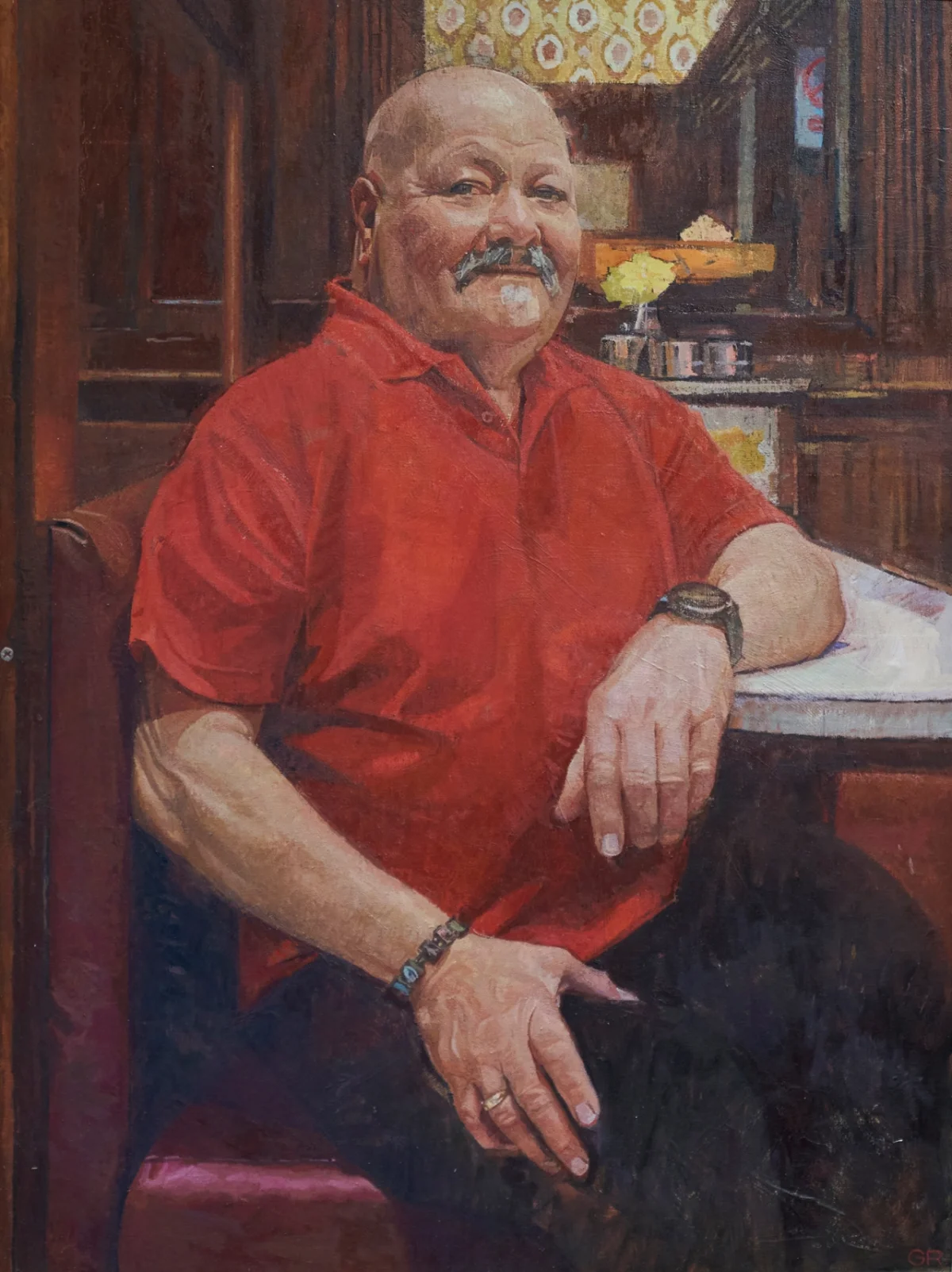
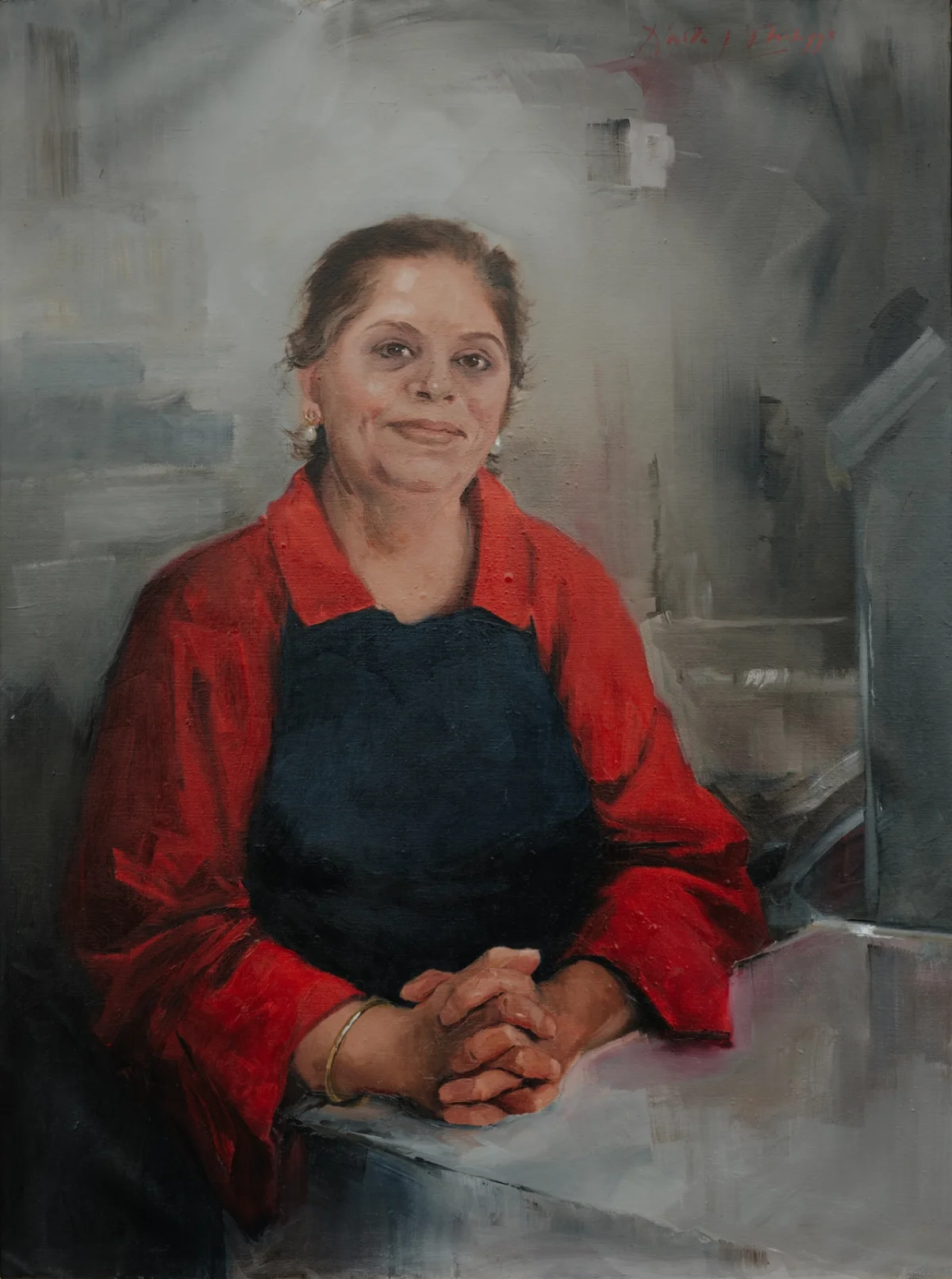
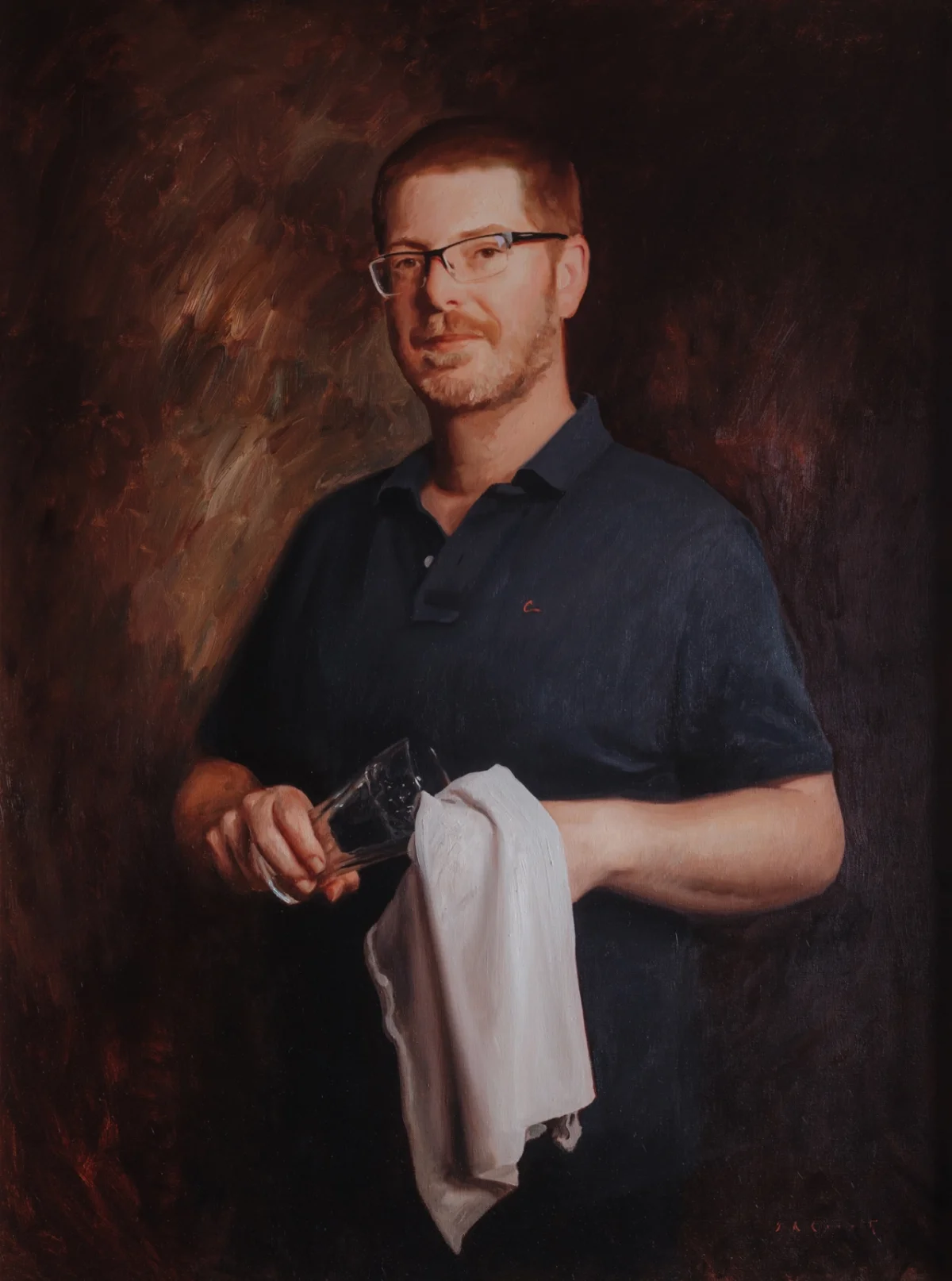
Portraits made to live with their subjects
The gallery display includes footage from the sittings, showing how each artist got to know their subject and shaped a portrait around the person’s character and history. That process matters: the works draw on a centuries-old visual form, but their meaning depends on the particulars of each sitter’s life and business.
Each owner will keep their portrait to hang at home or at work, and will donate to a local charity of their choice. The paintings therefore leave the gallery with the people they depict, returning this display of public recognition to the places where their stories began.
MHP Group created and delivered the project across MHP, Mischief and Studio La Plage. More details are available on Coca-Cola's website. The portraits make a practical point about who deserves to be seen: the people behind the counter shape local life, and their workplaces are part of the story.