Tuesday, November 17, 2026 · Graphic Design
Nikolai Voelcker Stages the Tender, Surreal Details of Male Friendship
Noted by Ayla Angelos · 332 reads
Swiss photographer Nikolai Voelcker combines planned compositions and spontaneous gestures to make young men’s everyday closeness visible.
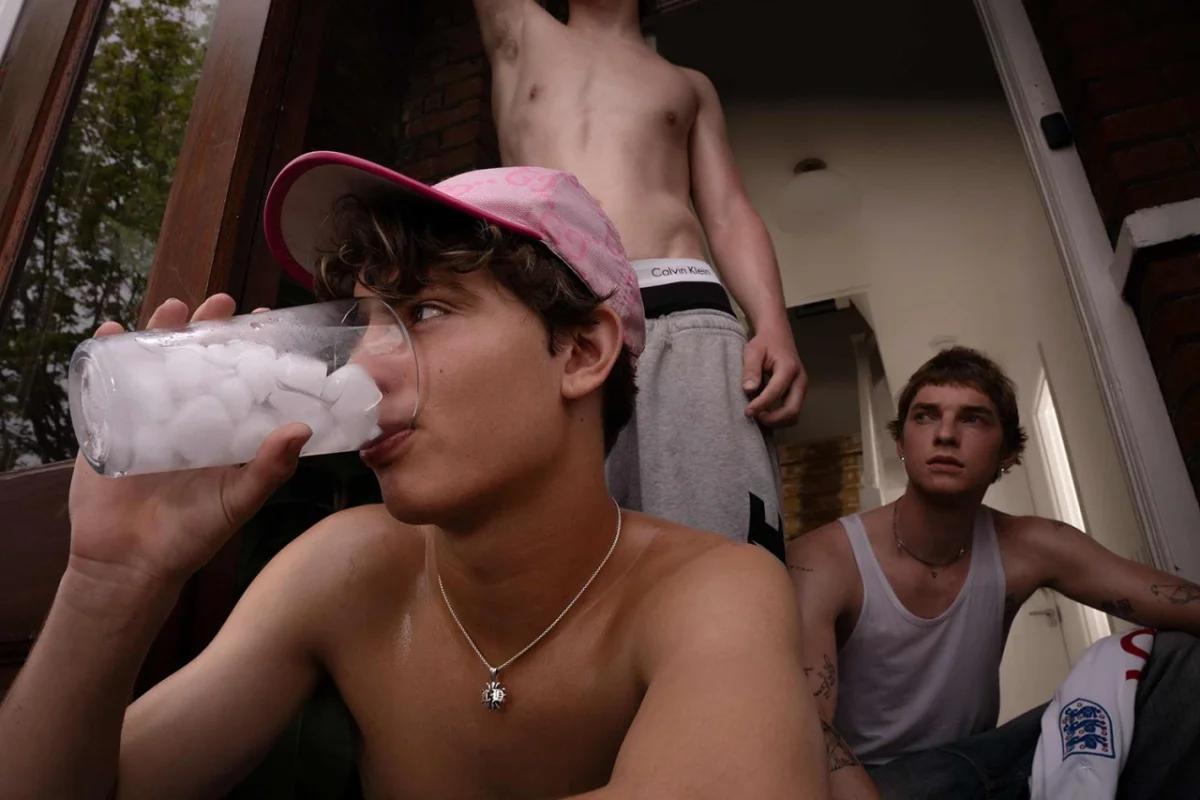
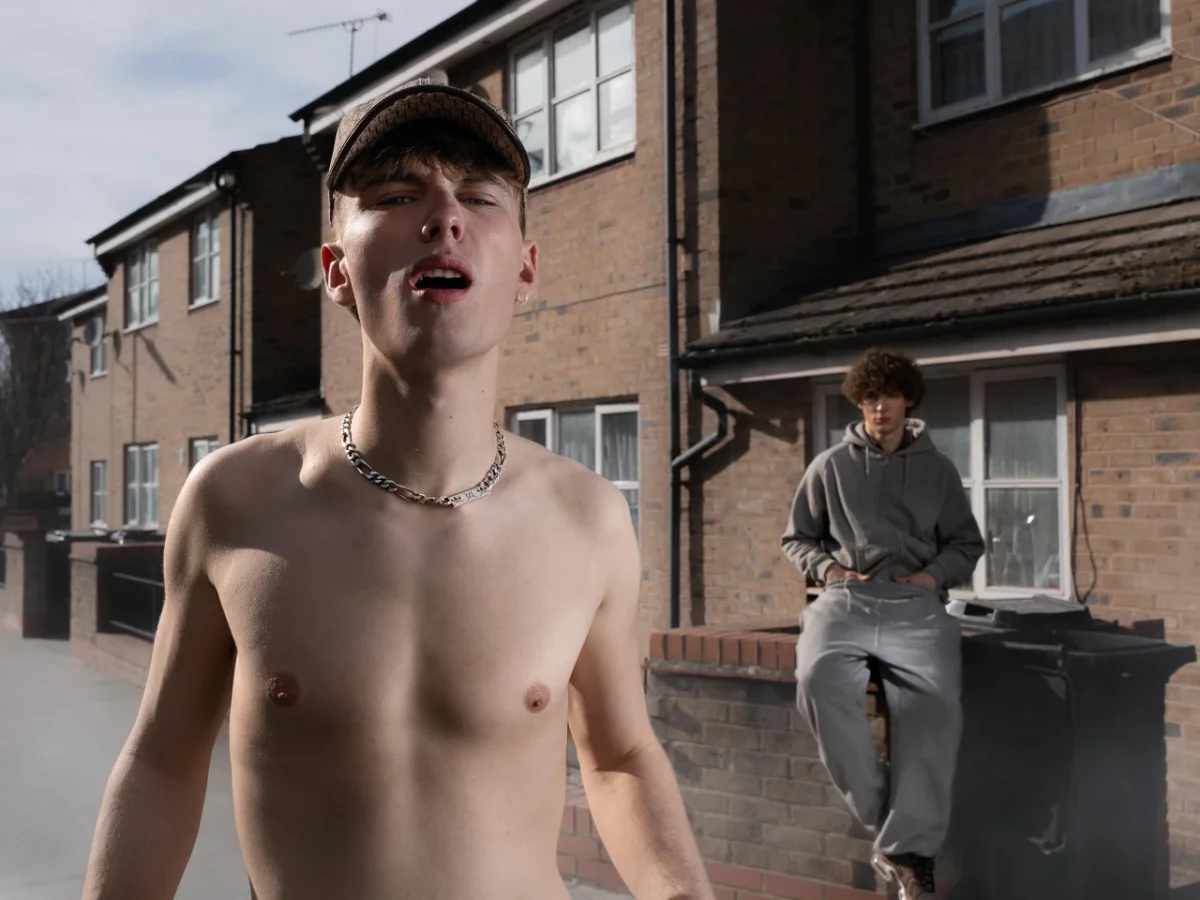
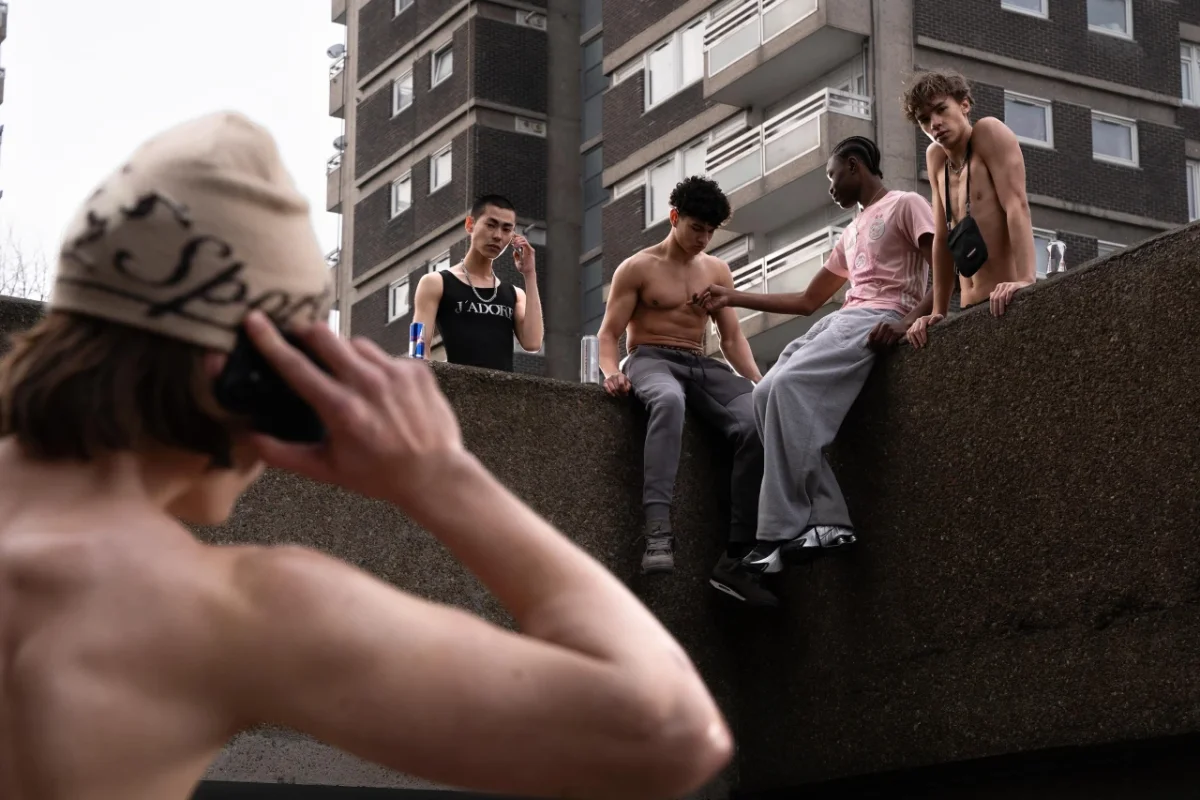
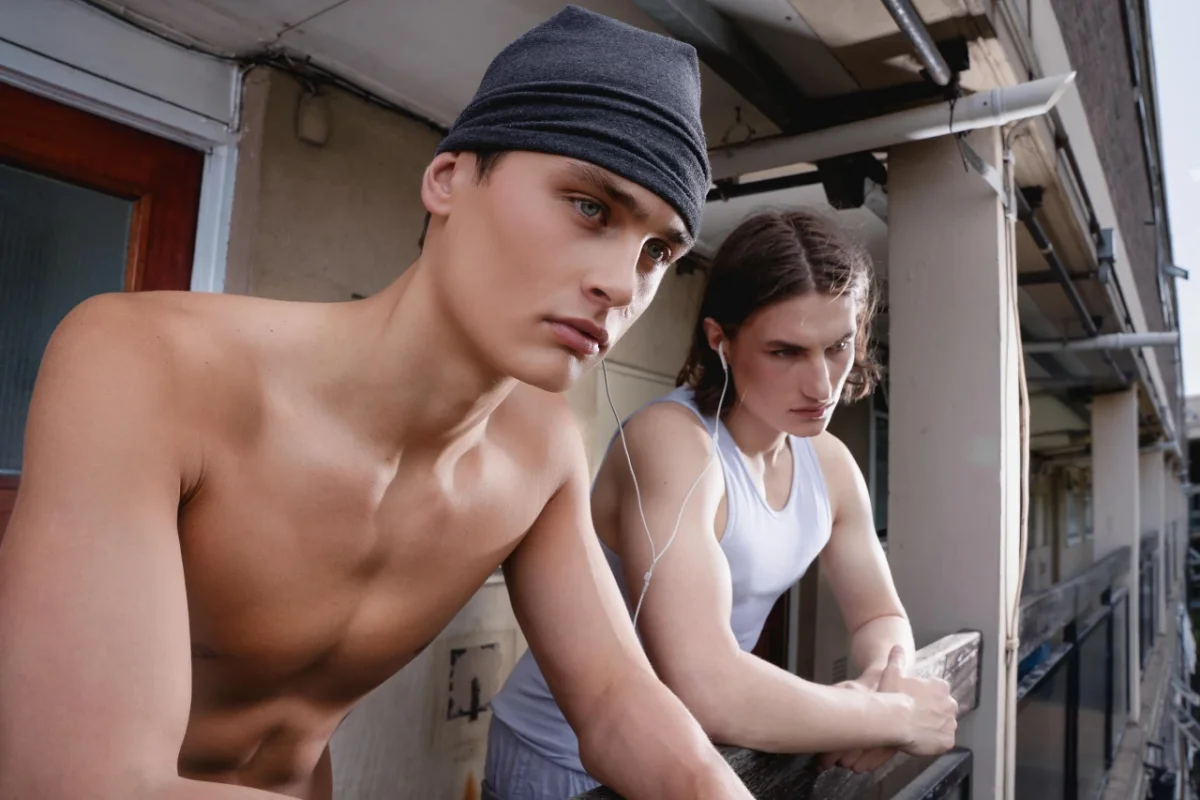
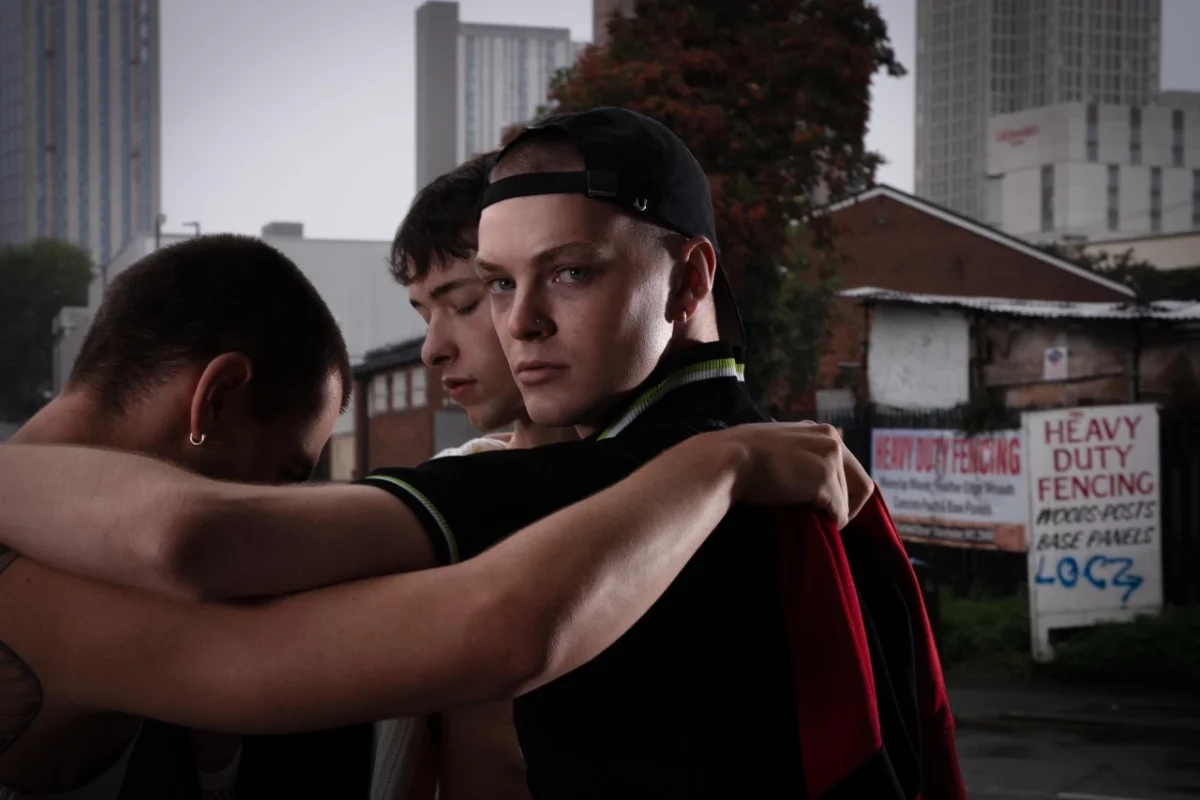
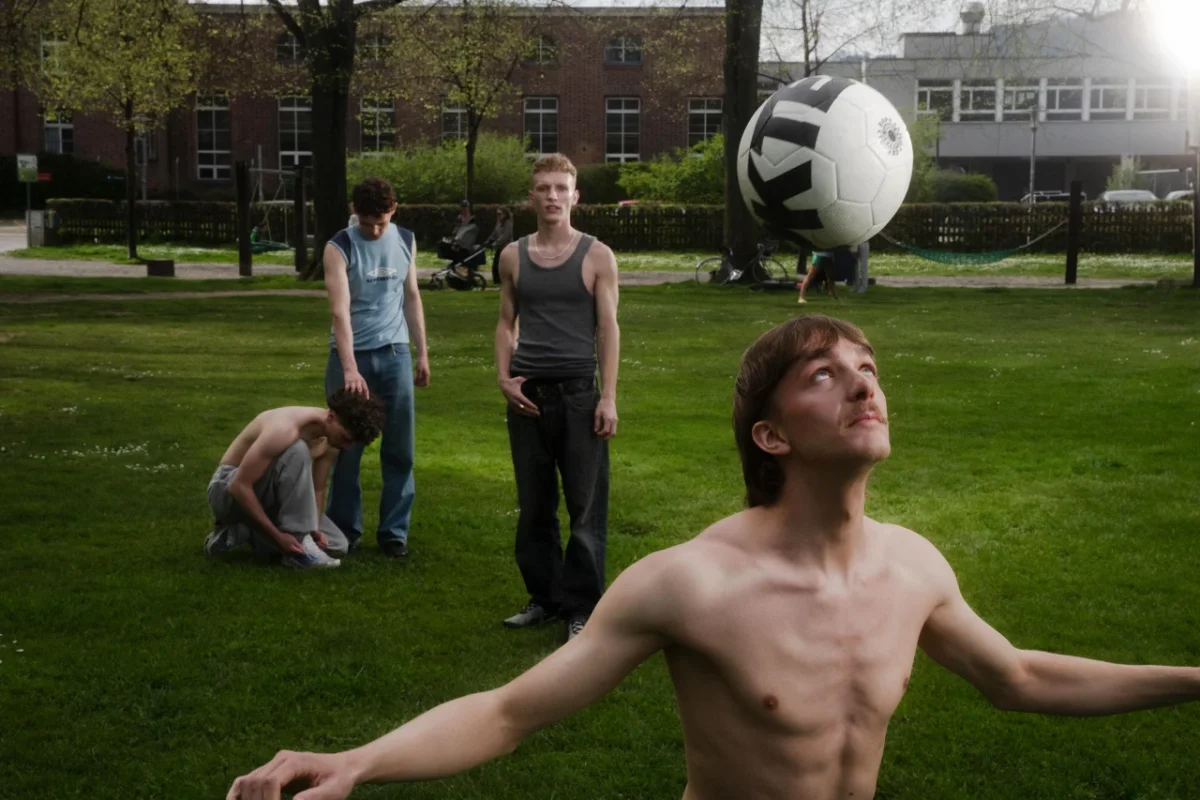
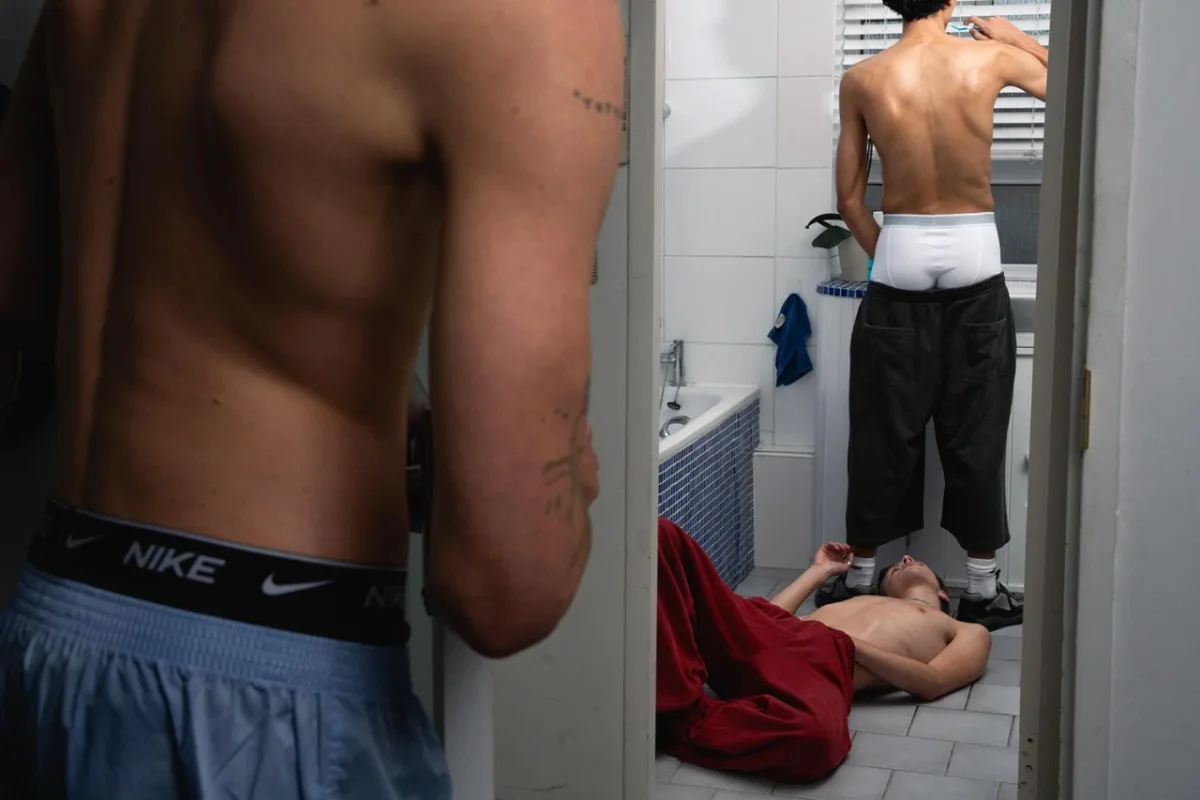
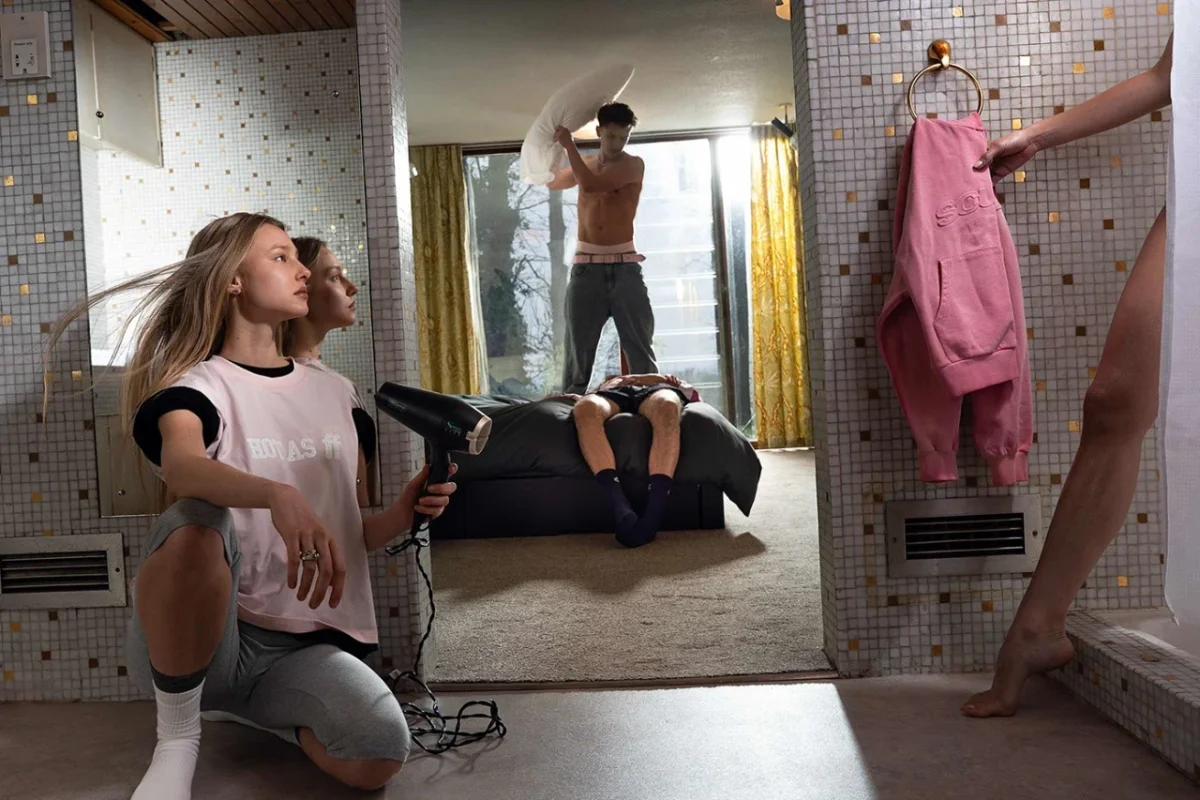
Nikolai Voelcker’s photographs make male friendship feel both familiar and just strange enough to look at twice. A cluster of young men might gather in a kitchen, lean against a doorway or arrange themselves around a bed. Their expressions stay serious as football shirts, branded underwear and ordinary household objects turn these private moments into carefully composed scenes. The tenderness is there in the way bodies rest against one another; the surrealism comes from how deliberately each detail is placed.
Voelcker, a Swiss photographer based in London, builds images around affection and physical closeness between men, including forms of attraction that can go unspoken. He describes his aim as showing “the sweetness and tenderness – also the beauty and attraction” in male friendships. Staging lets him hold on to the emotional texture of an observed moment while making its construction visible. The resulting pictures feel like fragments of a story: we can read the gestures, but we don’t know what happened just before or what the friends will do next.
Television’s influence on the frame
Voelcker’s sense of composition has roots in television. Growing up in Zurich’s Kreis 2 district, he followed German-language channel schedules closely. He later completed an apprenticeship and diploma at Switzerland’s national public broadcaster, SRF, then worked across several departments. The experience gave him a feel for storytelling and performance that now runs through his still images: subjects occupy the frame as if caught midway through a scene, while clothing, props and setting help establish a world around them.
After several years in television, Voelcker decided to live abroad. He studied film production at UCLA for a summer, then returned to Switzerland to work as a video editor and animator. A short attempt to settle in Paris ended after three months of struggling with the language. London became home, and he has been based there for the past three years, working across photography, directing and moving image.
Everyday clothes, arranged as evidence of a moment
Rather than smoothing away the present day, Voelcker makes its visual markers part of the work. Football kits, sportswear, designer labels and familiar objects locate the scenes in contemporary life. He says he wants to document the times he lives in through staged images: what people wear, what they do, what surrounds them and where they belong. Those details also let him approach subjects he cares about without turning the photographs into illustrations of a single message.
That balance is clear in A Hanging Harry, made in a house that once belonged to a close friend. Voelcker singles out a Decathlon cap, a phone tucked into Ralph Lauren underwear and one subject’s serious expression as he annoys his friend. The small particulars give the image its odd specificity: the scene is constructed, but it doesn’t feel generic. None of the models were professionals, and the shoot carried on through weather that shifted between rain and sun every ten minutes.
The photograph’s humour comes from the collision between a composed setup and an apparently casual act. A viewer can notice the styling, then the expression, then the relationship implied by the teasing. That sequence matters. The clothes and props aren’t decoration laid over the friendship; they help make the moment recognisable as belonging to these people and this time.
Planning that leaves room for the unplanned
Voelcker calls himself a planner, saying he can lose his focus on set without preparation. He talks through concepts with the people he photographs, explains what a shoot involves and works to help everyone feel comfortable and confident. His stated priority is that the group enjoys the day. For images built around closeness, that process is part of the picture-making: ease between subjects can’t be supplied by a clever arrangement alone.
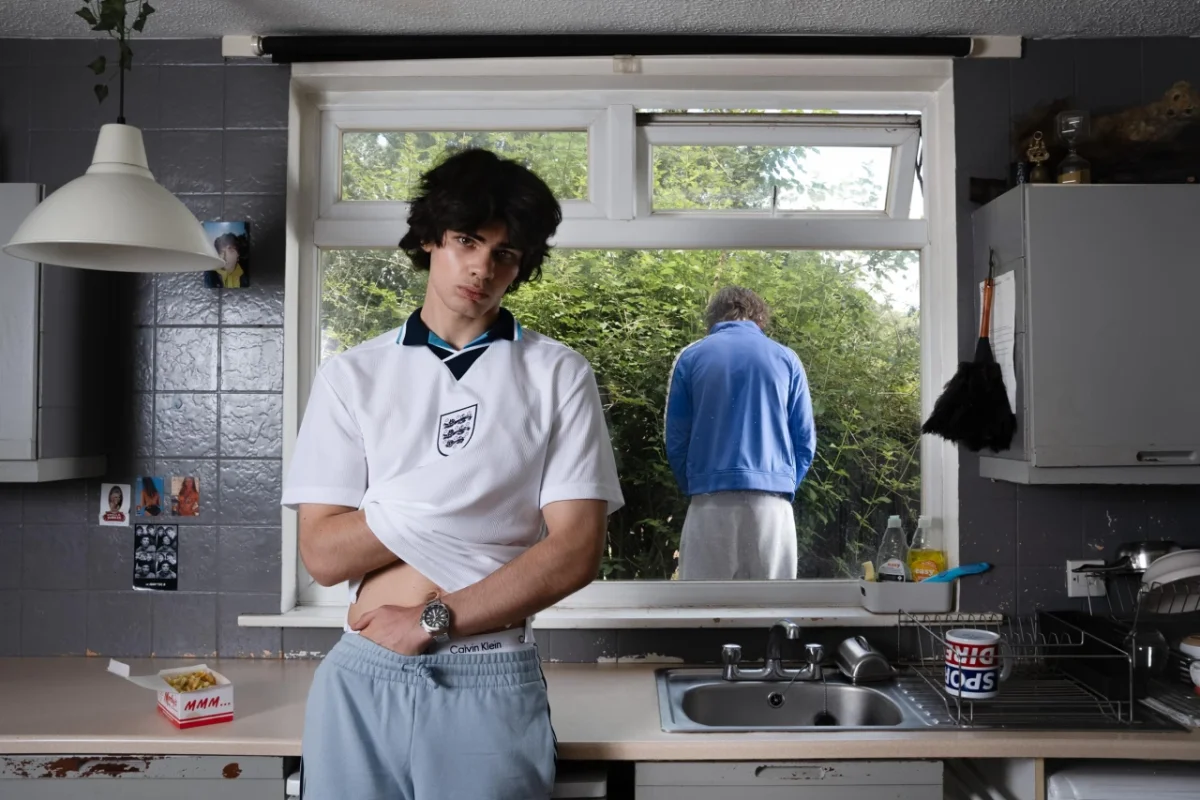
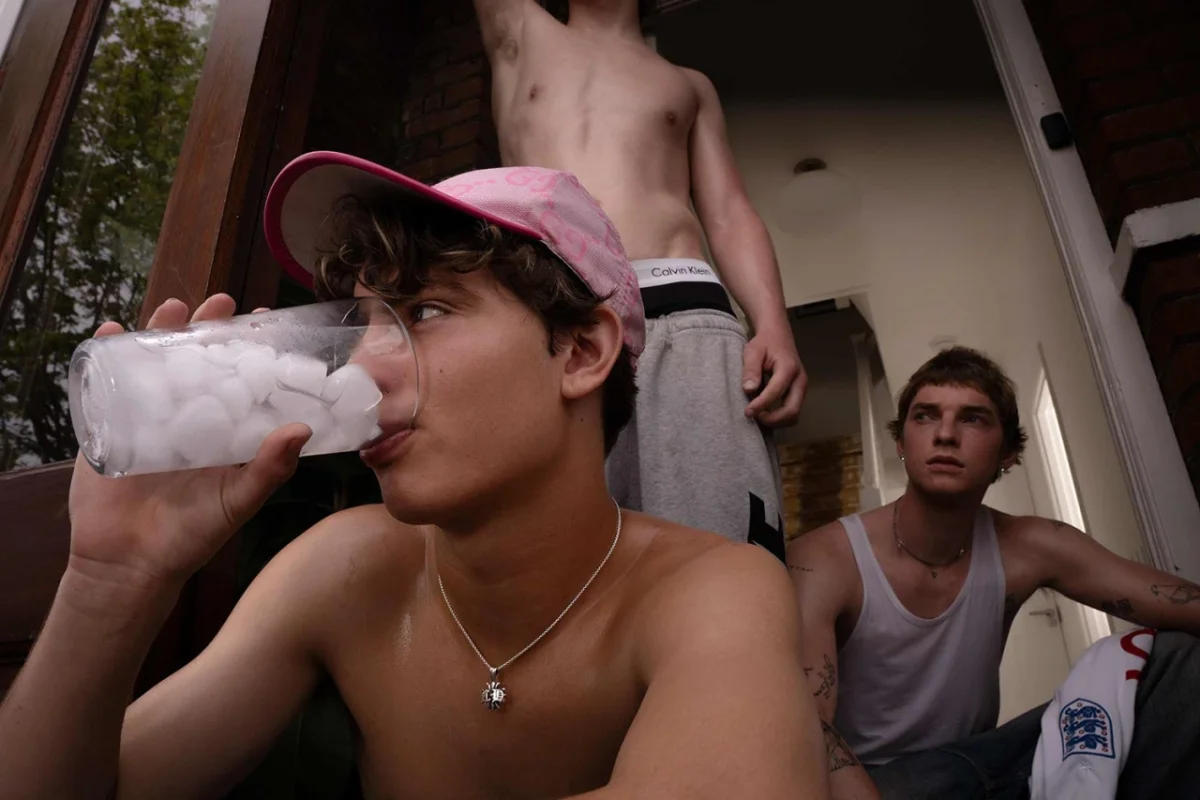
Not every image begins with a plan. A photograph from the Sydenham series came together spontaneously, as a group of young men focused on an activity involving ice cubes. Voelcker likes the concentration of the group and the visual satisfaction of the cubes, alongside details such as a Gucci cap and an England shirt. The shot’s appeal sits in the contrast: the accessories anchor it in everyday style, while the shared focus gives an ordinary activity the intensity of a staged tableau.
That push and pull between direction and chance gives the photographs their warmth. The bodies may be positioned in unlikely ways, but the gestures suggest people who already know one another. A still image can’t explain the whole relationship, and Voelcker doesn’t need it to. A look, a lean or a joke caught mid-action leaves room for viewers to recognise their own experience of friendship.
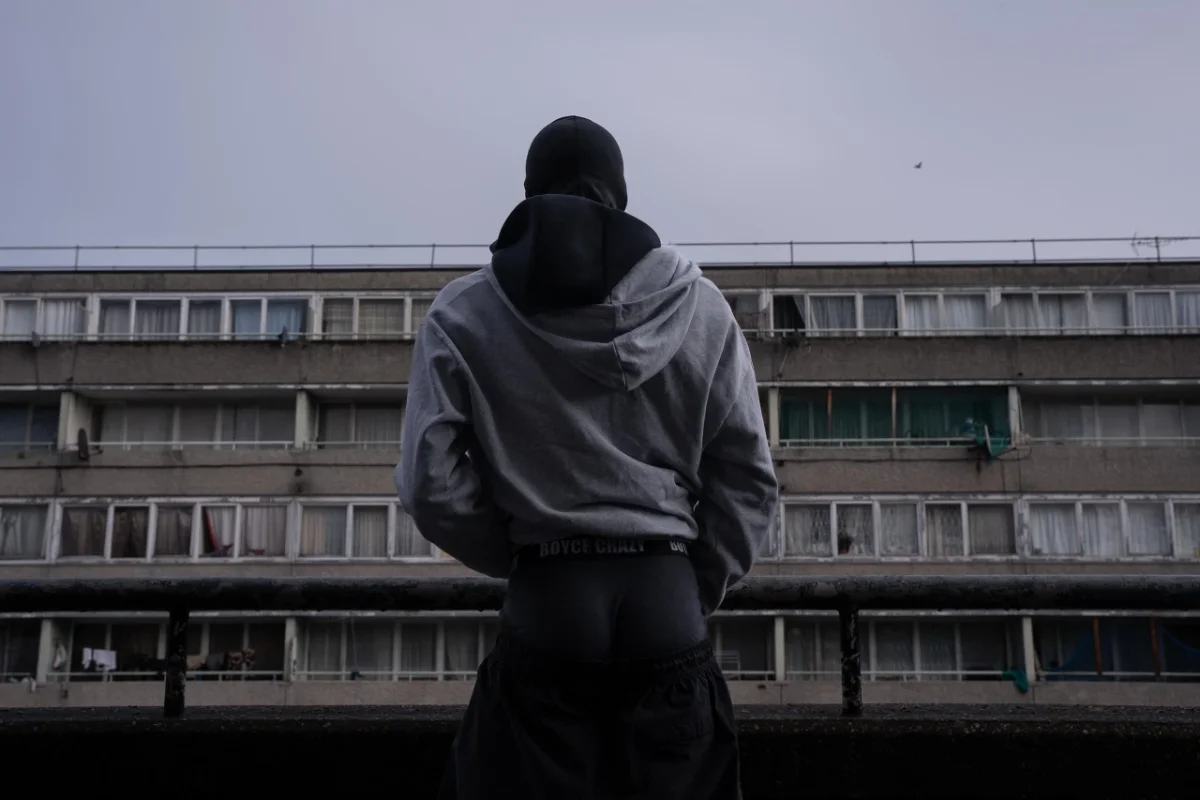
Voelcker has exhibitions and launches in the pipeline, along with a substantial amount of editing and GTA 6 T-shirts to post. He has also heard from young men who recognise themselves in the photographs, a response that has made him especially happy. For designers and image-makers, that reception points to the value of specificity: carefully chosen clothes, props and gestures can make a constructed scene feel open enough for others to see themselves in it.