Wednesday, November 18, 2026 · Graphic Design
GTA 6’s Vice City Campaign Turns Fictional Brands and Murals Into Real-World Design
Noted by Katy Cowan · 694 reads
Rockstar built GTA 6’s visual world before its campaign left the screen, using parody brands, murals and restraint to draw attention.
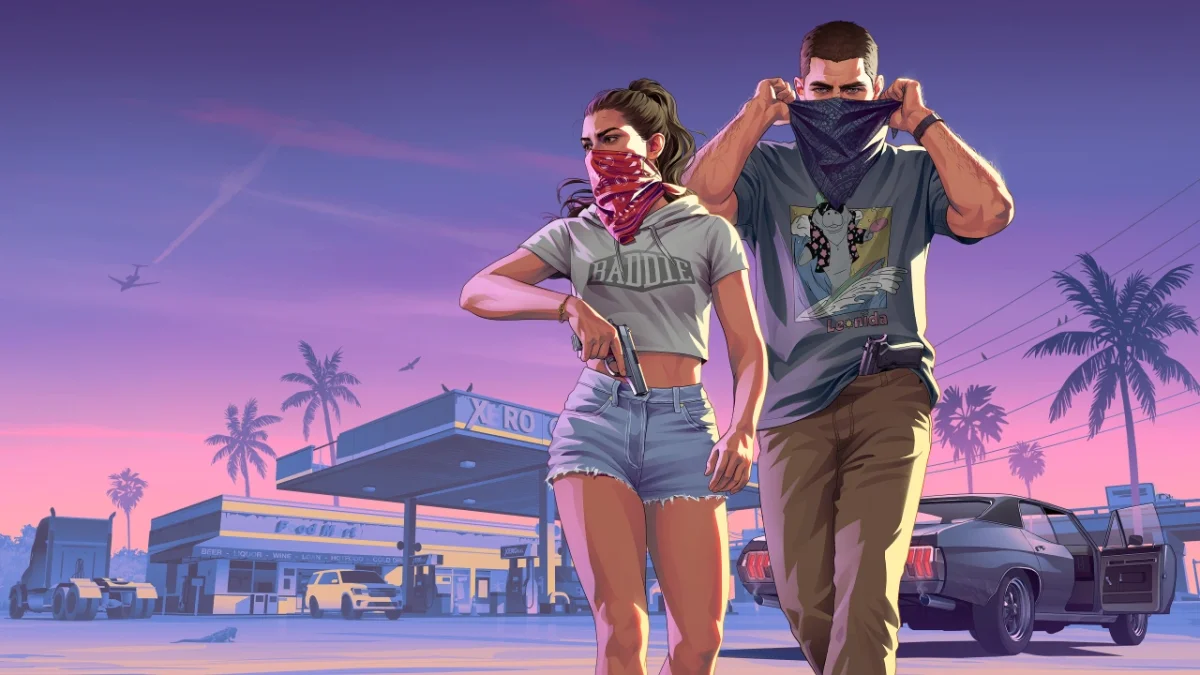
GTA 6’s marketing shows how a richly designed fictional world can generate real-world attention without selling ad space inside the game. Rockstar filled Vice City with invented brands, radio stations and street art, then let that visual identity spill into murals, fashion and social posts. For creative teams, the useful idea is simple: build a world people want to spend time in, and its campaign can grow from the details already inside it.
A launch people can share
GTA 6 unlocks at midnight, with Lucia Caminos among its lead characters. The release arrives 13 years after GTA V, which has sold 230 million copies. The writer skipped that game because it didn’t let her play as a woman; Lucia’s presence is a reason to return, and to share the experience with friends and family.
That shared anticipation is part of the game’s cultural reach. Audiences now watch different shows on different schedules and follow separate feeds. A major game release can still gather people around one date, giving them a common reference point to discuss, compare and experience together.
The scale is striking. GTA 6’s second trailer drew 475 million views in a day. In August, a 27-minute preview on Netflix received 31.1 million views in four days and topped the film chart in 87 of the 93 countries Netflix tracks. Take-Two chief executive Strauss Zelnick called the preview “one of the hors d’oeuvres”. Analysts estimate 15.88 million digital pre-orders, worth about $1.54 billion.
Vice City has no ad inventory
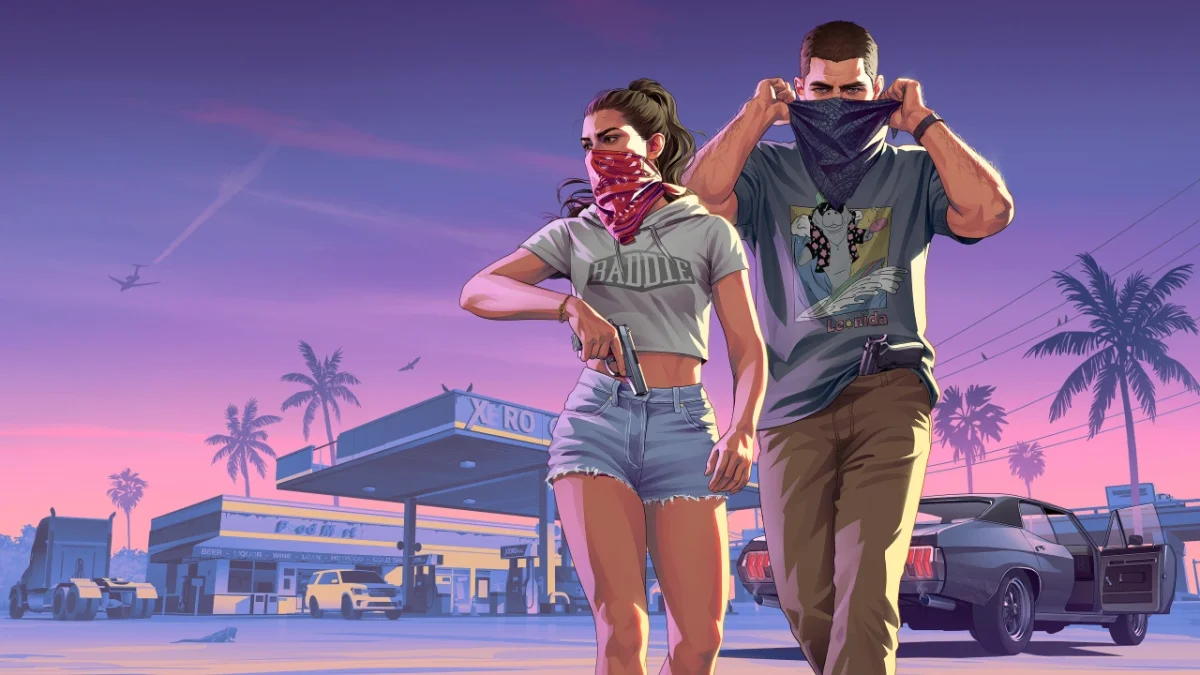
With so many eyes on the game, a billboard inside Vice City might seem like prized ad space. Rockstar has ruled out product placement and brand deals. Zelnick’s explanation is that “all the brands are made up”. Players will see fictional names such as Patriot Beer and Sessanta Nove, created in-house, instead of real drinks or trainers.
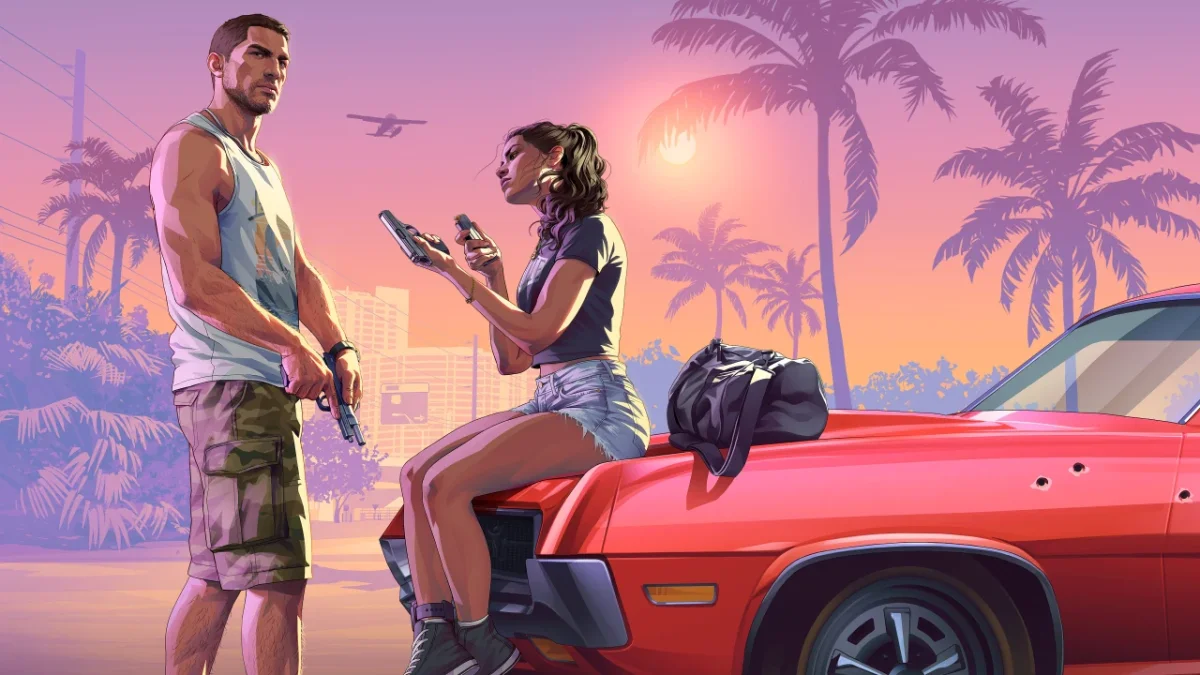
That boundary gives the fictional world room to feel self-contained. The invented brands can work as parody and as world-building at once: they make the streets feel populated while giving the art direction control over every sign and label. Real companies have responded from outside the game. Hyundai, BMW and Burger King have used GTA’s pink and orange sunset palette in social posts, drawing on the look without appearing in Vice City.
The world extends into print and paint
In Miami Beach, the city that informs Vice City, game ads appeared across the streets, including kiosks promoting fictional brands. In Williamsburg, Brooklyn, Colossal Media hand-painted a large mural of Jason and Lucia. The New York sign painters have worked with Rockstar since San Andreas in 2004, giving the collaboration a history that predates this launch.
The game’s visual language has also reached fashion publishing. Dazed ran Jason and Lucia on the cover of its autumn “New Idols” issue, dressed in fictional Vice City labels. In Miami’s Wynwood arts district, 10 murals were created by artists including FAILE, Lady AIKO, Queen Andrea and DENIAL. A related arrangement gives Miami-Dade residents free entry to the Wynwood Walls Museum through 2028.
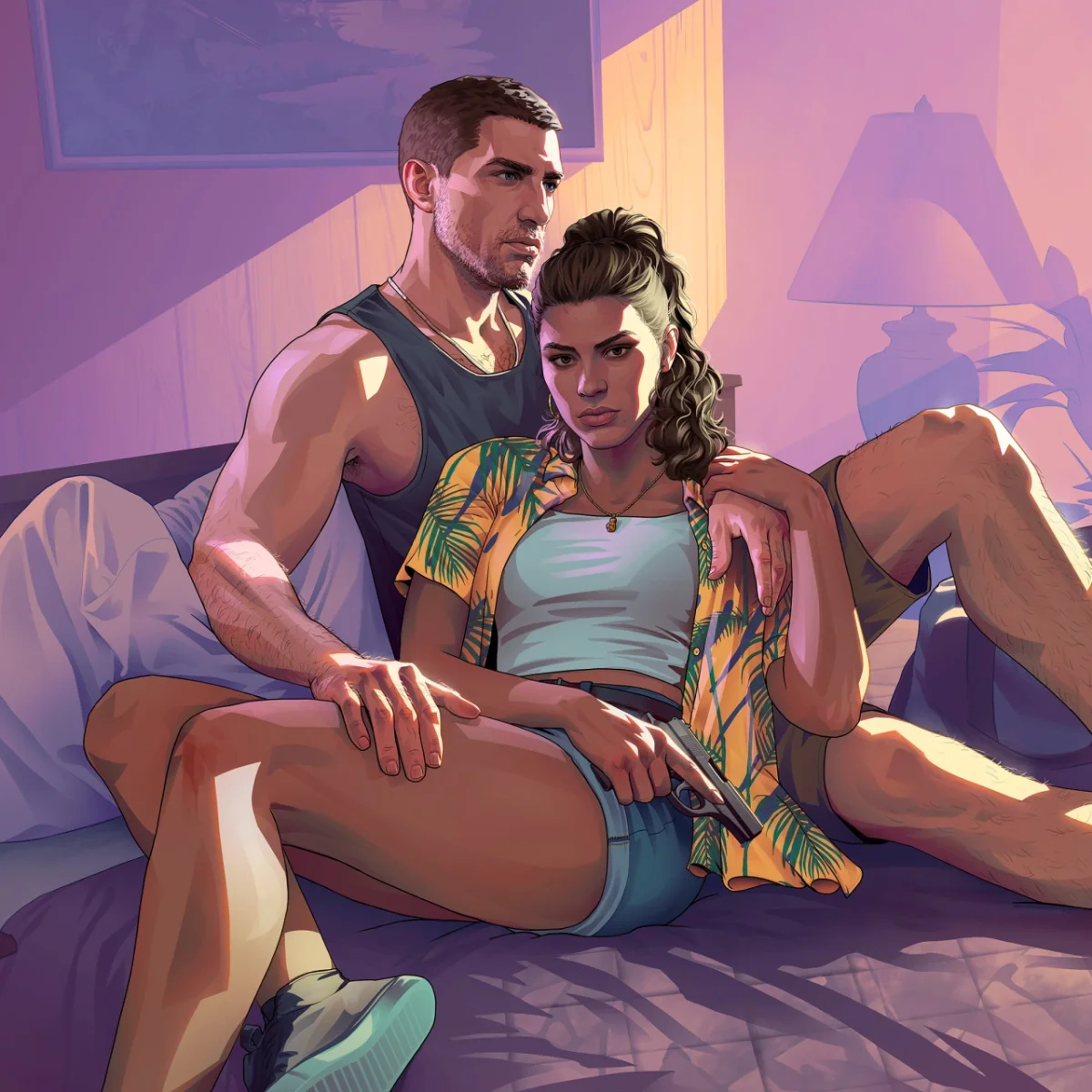
Rockstar says more than 50 street artists painted work for the game’s in-world walls, and that no generative AI was used. Together, the physical murals and the artwork inside the game make the city’s visual texture part of the campaign, rather than a layer added after the fact.
Restraint is part of the design
Most creative teams won’t have Rockstar’s budget or 13 years to build a project. The transferable lesson is about focus. Rockstar concentrated on making Vice City feel complete, down to the signs, radio stations and street art. Once that world existed, promotional images and real-world activity could draw from it. The campaign’s visual material came from the project itself.
The studio also shared little. A year passed between trailers, and it gave few interviews. That silence left room for speculation and kept attention on the material that did appear. Rockstar also declined brand deals, despite the obvious commercial appeal of placing real products in a game with this reach.
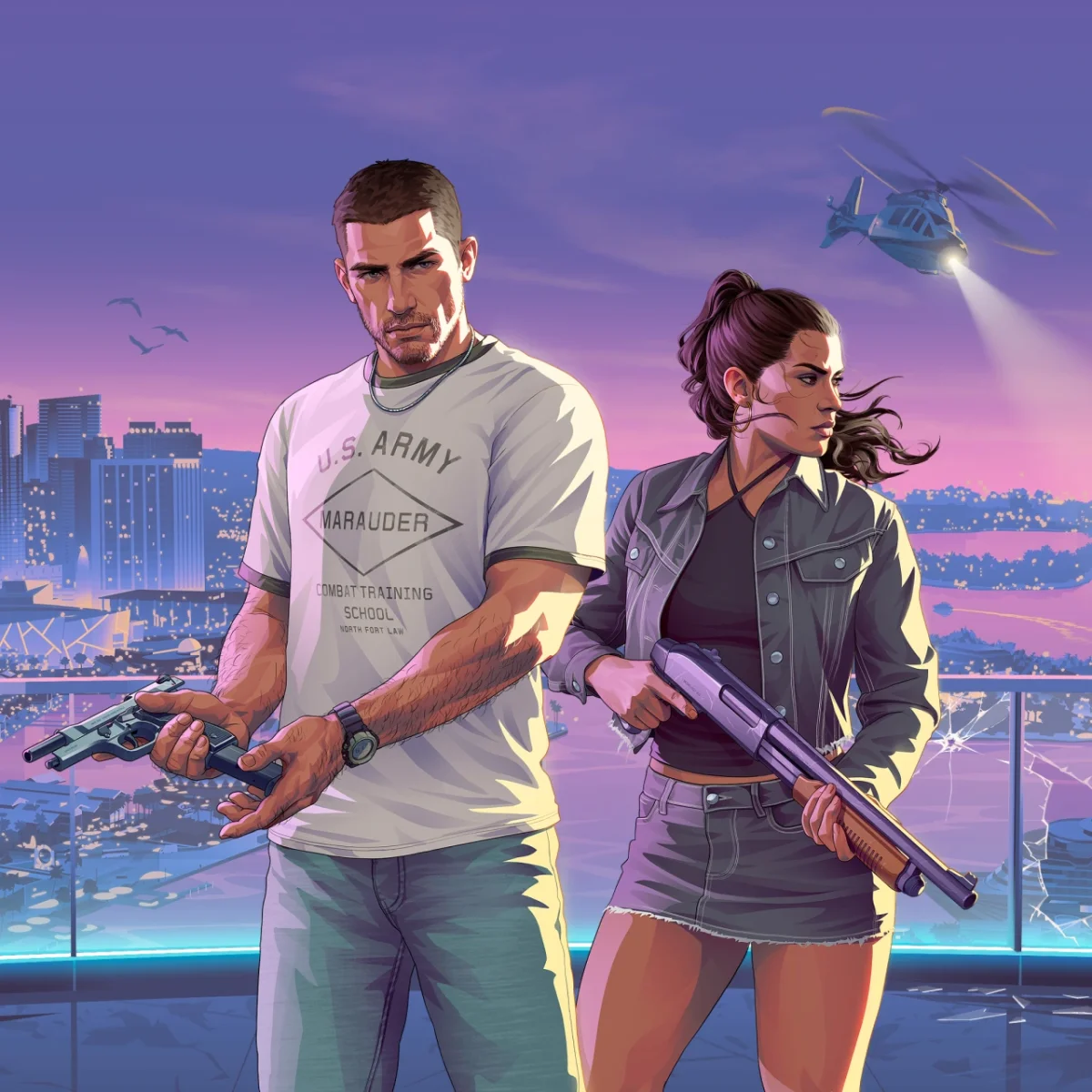
Restraint is easier when projected sales are enormous. Newzoo analysts estimate GTA 6 could make between $3.3 billion and $5.2 billion in its first week. Take-Two has forecast more than $8 billion in net bookings for its 2027 fiscal year. Those estimates help explain why Rockstar can pass on product-placement income; they don’t make that choice available to every studio.
A launch built for participation
GTA remains violent and crude, and the conversation around the series has often been dominated by men. The writer is still looking forward to playing as Lucia, and to sharing the game with her nephew and friends. That social dimension is part of the draw: playing together creates an active point of connection, rather than another show watched separately.
Whether GTA 6 meets the expectations attached to a 13-year wait remains to be seen. Its campaign already offers a practical example for designers: give a project a recognisable visual world, make its details specific enough to carry beyond the screen, and let the work create reasons for people to talk about it. Paint, parody and a little mystery have taken Vice City well beyond the game’s billboards.