Wednesday, November 18, 2026 · UX & UI Design
María Valeria Pazos Builds a Dreamlike Bestiary in Anima Mundi
Noted by Ayla Angelos · 760 reads
The Mexico City artist blends handmade imagery, sensory theatre and generative tools into creatures shaped by memory, poetry and playful visual cut-ups.
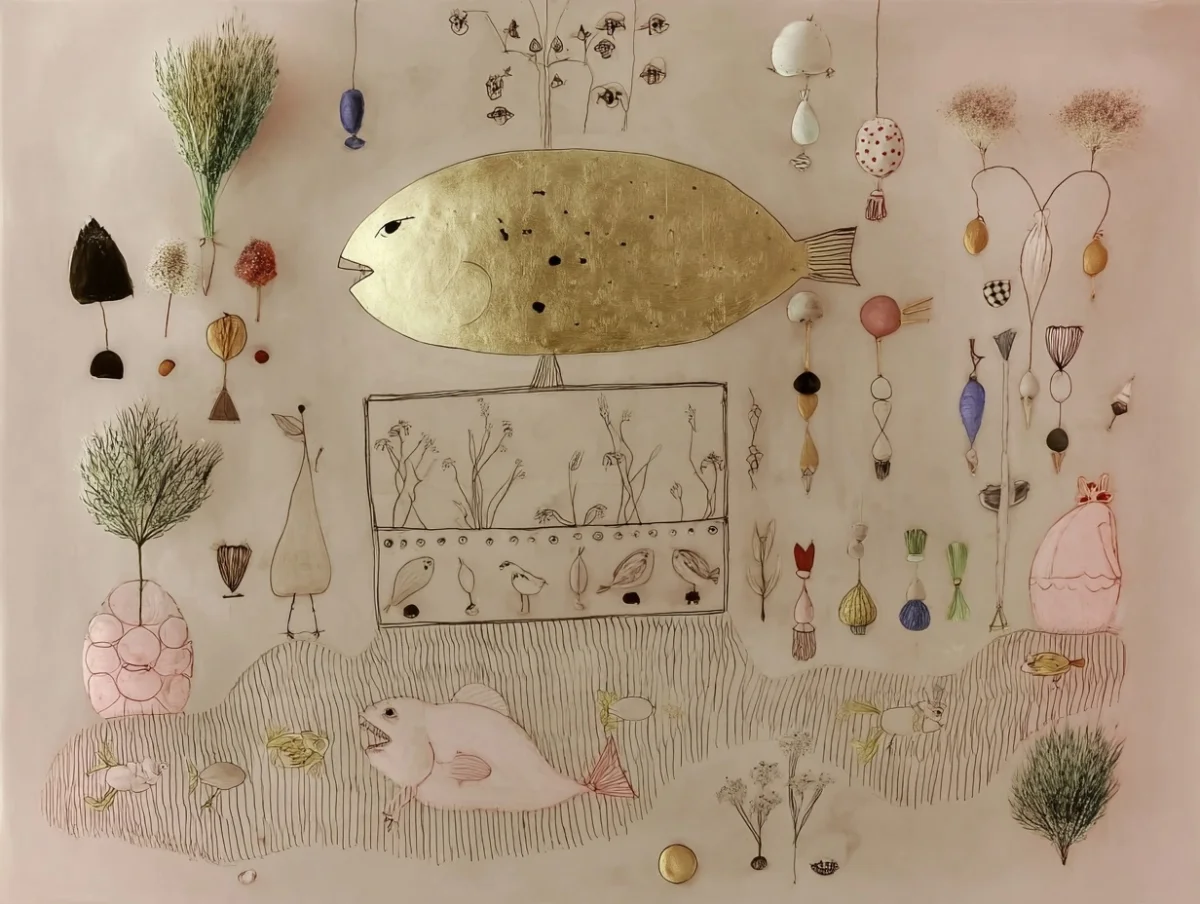
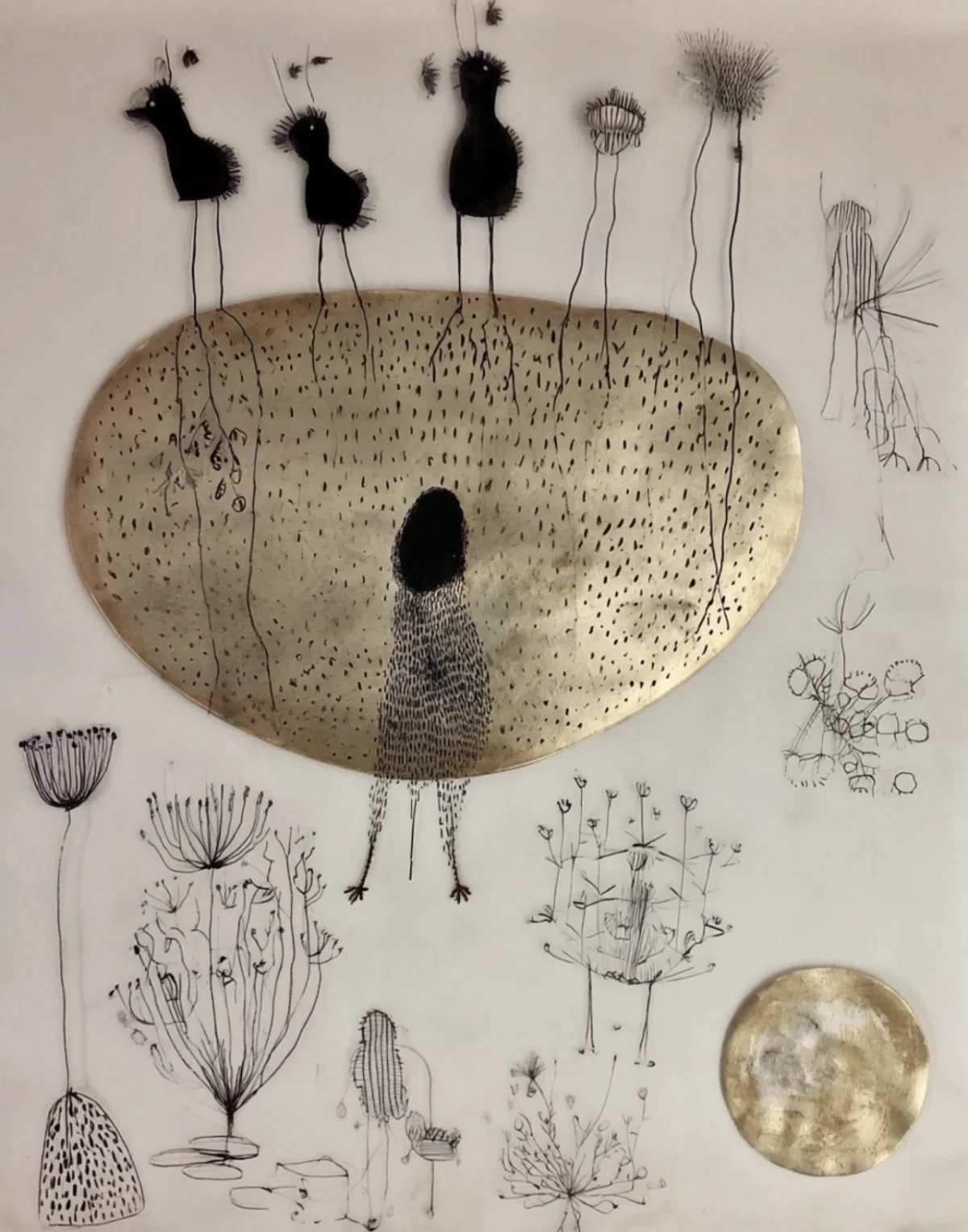
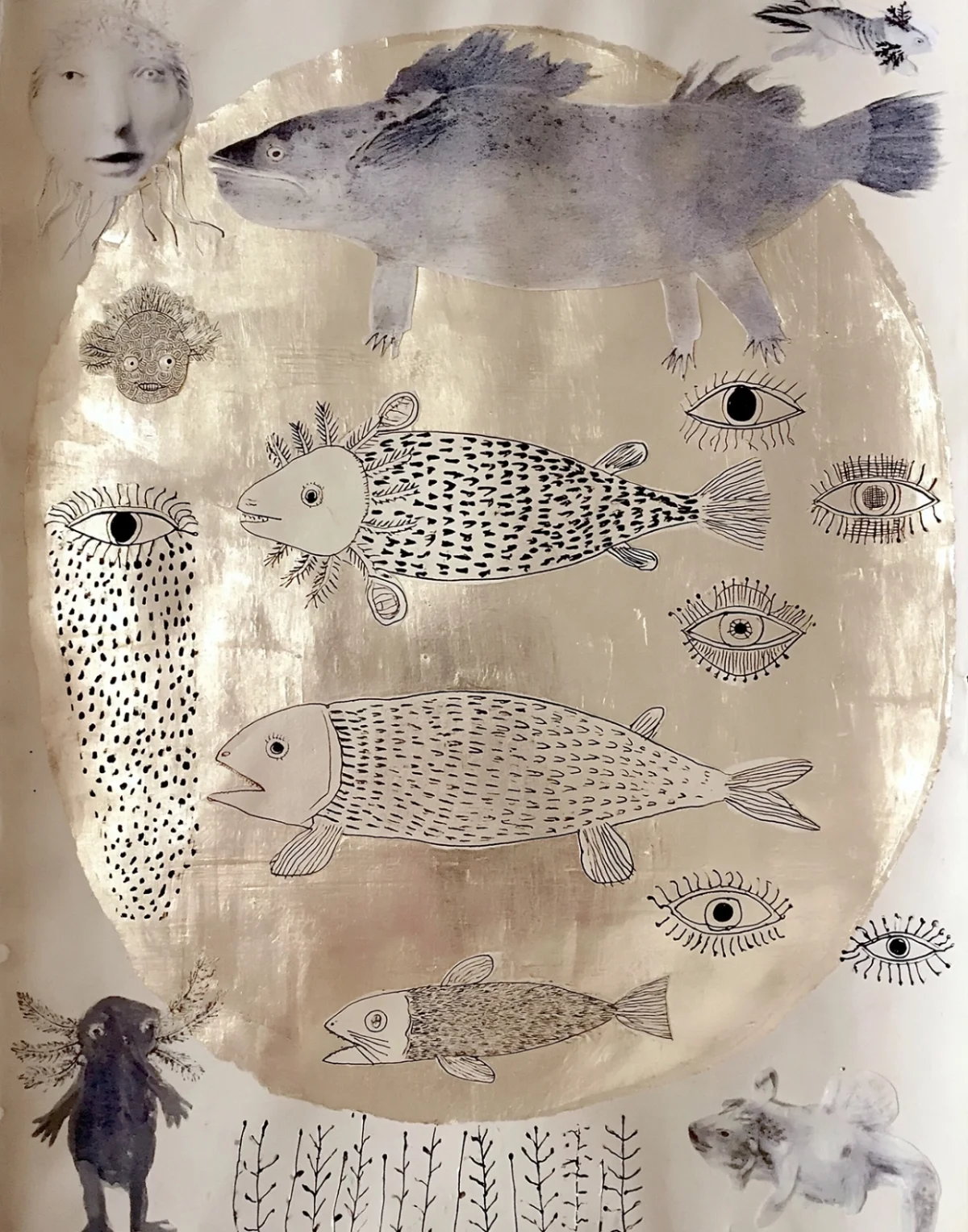
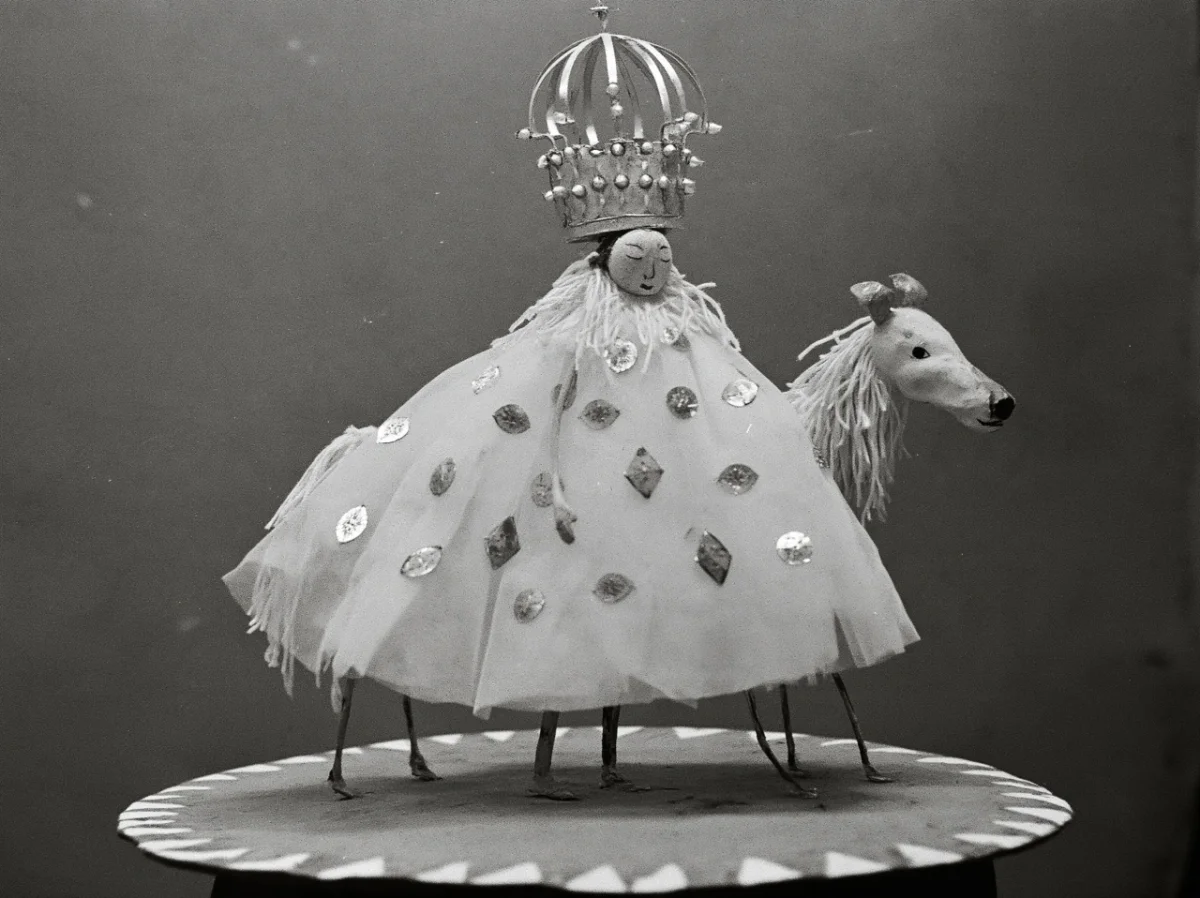
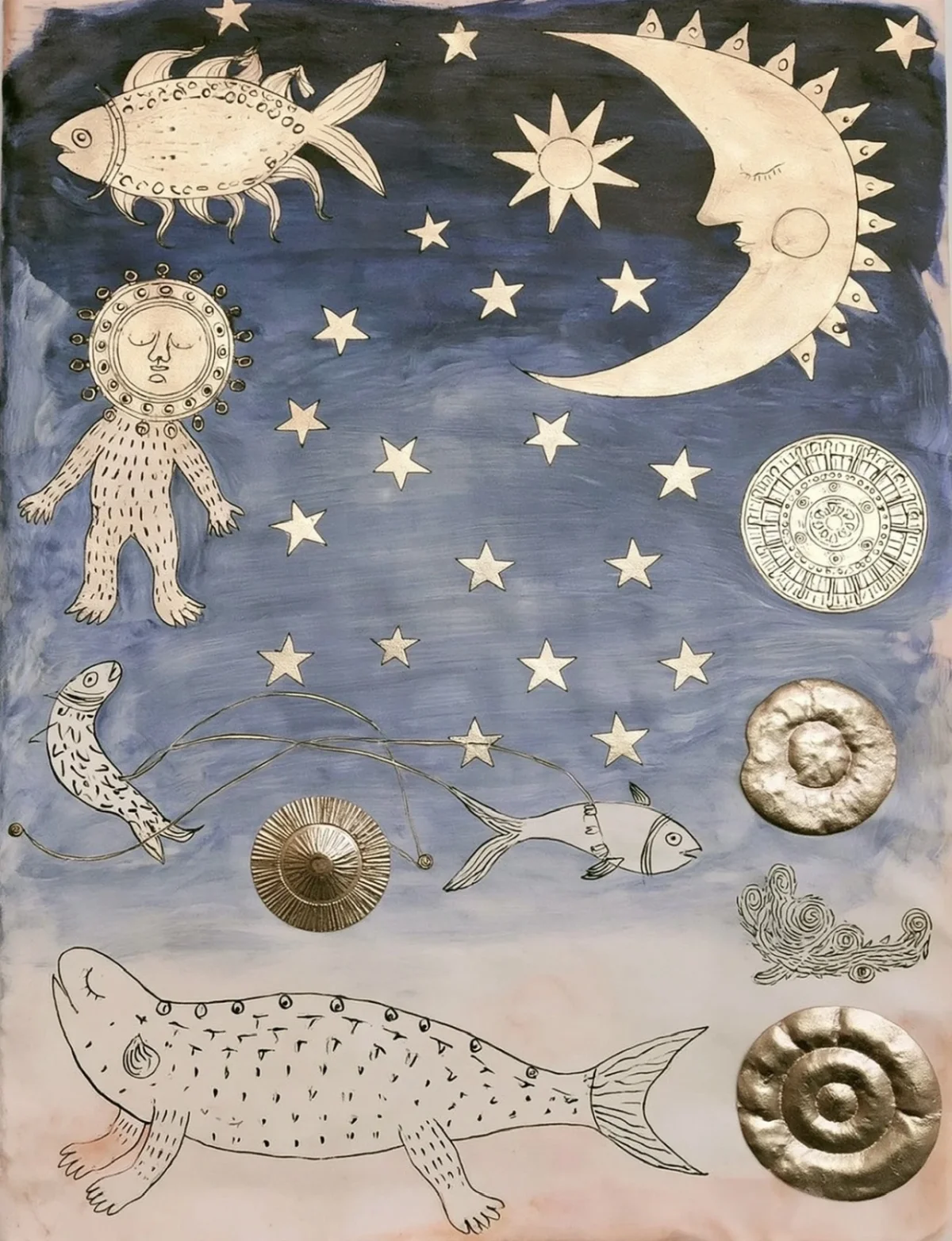
María Valeria Pazos’s Anima Mundi treats an image as a place to enter. Gold figures catch the light like objects in a shrine; fish carry clusters of eyes through dark skies; and a crowned horse shares its patterned skin with other creatures in a growing, dreamlike family. The Mexico City artist draws on handmade sculpture, folk art and illuminated manuscripts, building compositions that feel tactile even when they move between drawing, collage, photography and generated imagery.
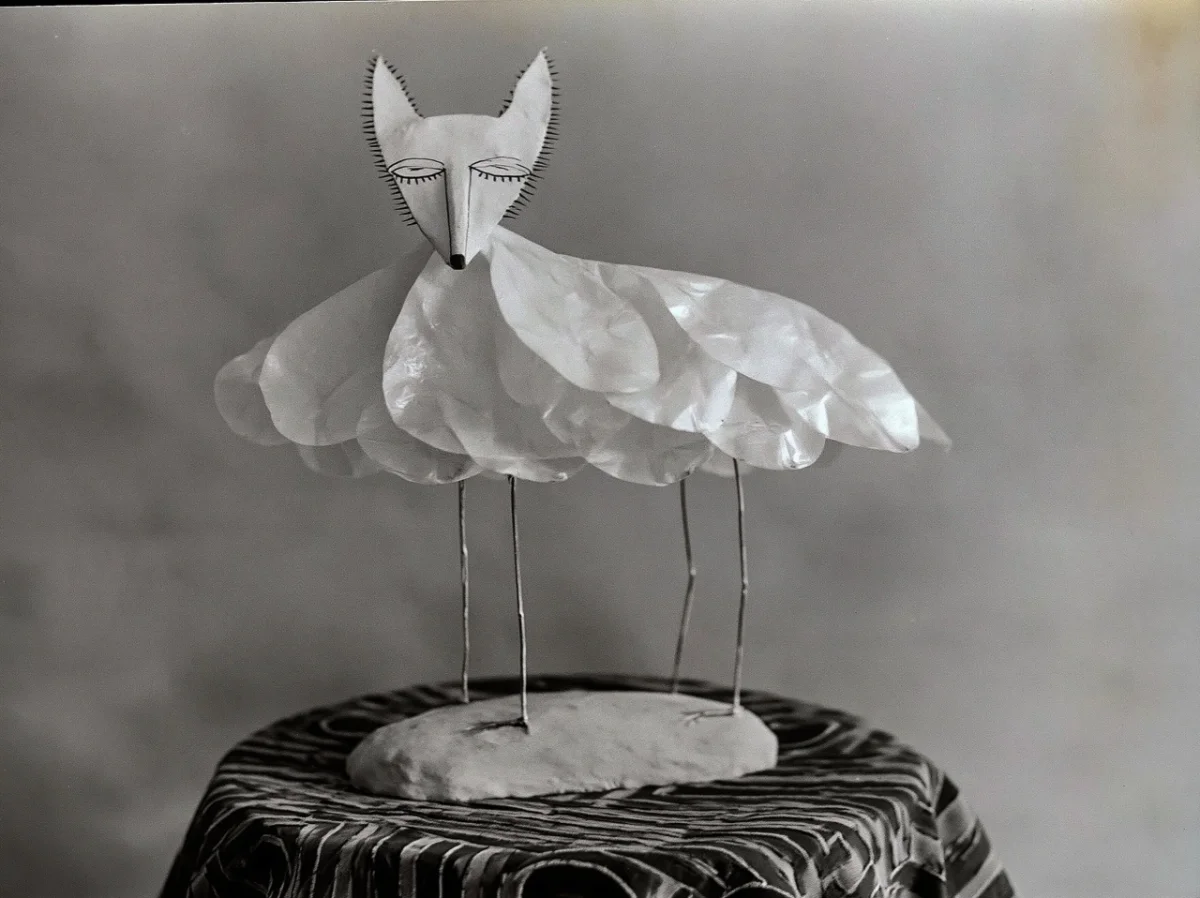
The project’s visual language depends on recurrence. Dots travel from a creature’s body to a dress or a background; eyes become motifs that watch from fish, figures and open space. In one image, sun-faced beings gather on a horse’s back. Elsewhere, a pale paper animal stands on fine legs above a striped base, or a spotted figure appears beside a greyhound-like companion. These repeated details give the strange forms a sense of belonging. They look as if they share a world with its own folklore and visual rules.
Images built from sensation and language
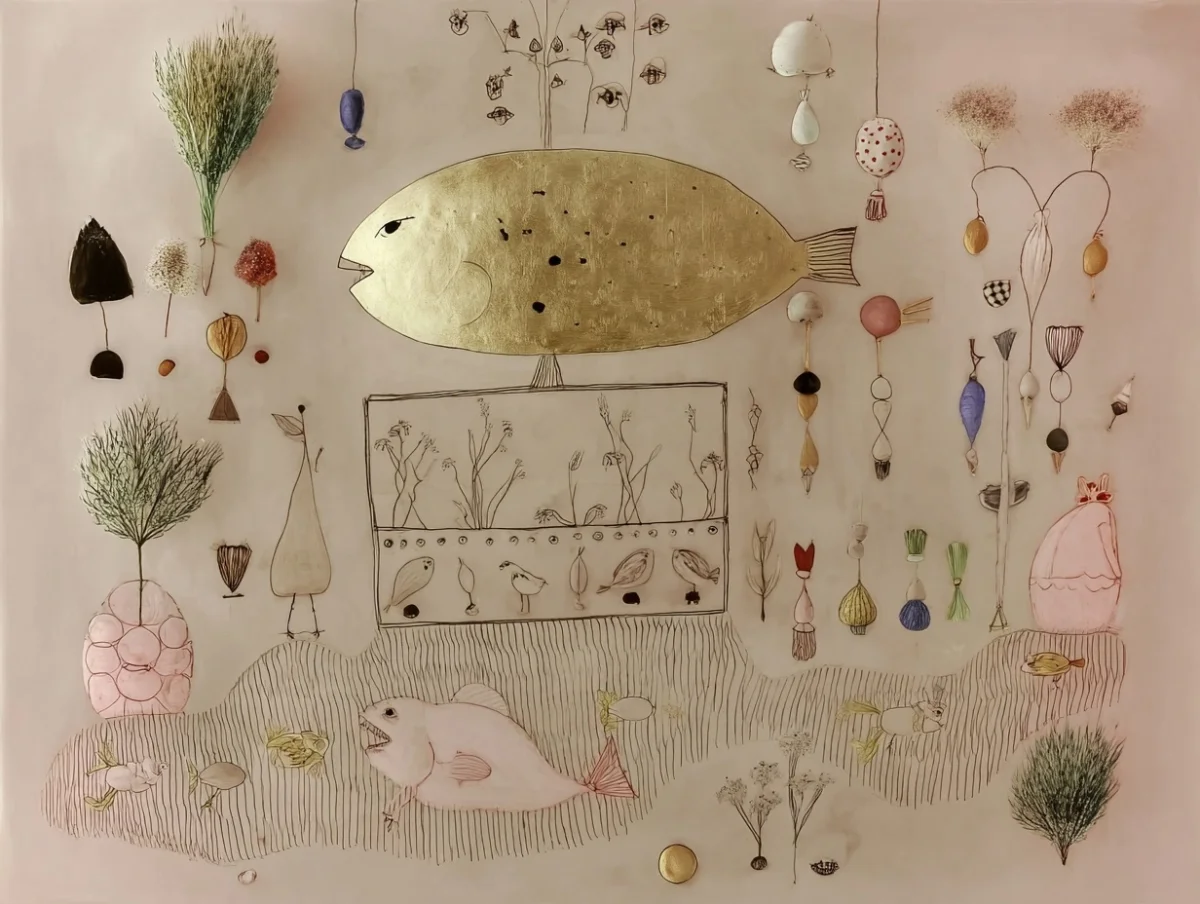
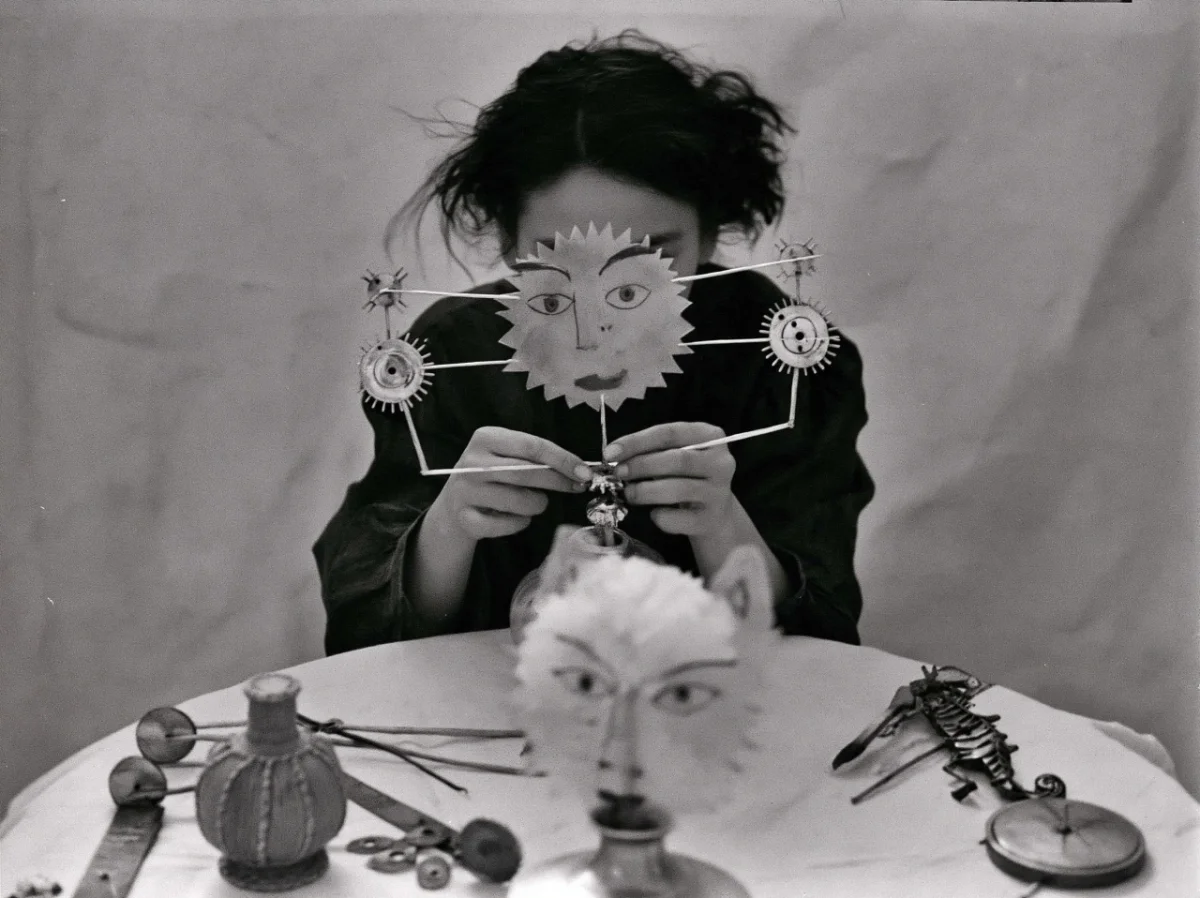
Pazos’s earlier work in sensory theatre still informs the way she composes. For more than a decade, she created rooms where scent, sound and texture could shift a visitor’s perception. That experience carries into her images: she wants a picture to suggest a temperature, a smell or a bodily feeling. Warm gold, cool blue and the fragile look of paper wings all help give the imagined beings a physical presence.
Her path also runs through philosophy and poetry. Pazos studied philosophy at UNAM and is completing a PhD in Philosophy of Science focused on embodied imagination. She describes imagination as a space where she could picture possibilities beyond the conditions of her body and find hope in the idea that reality might be otherwise. That personal starting point gives Anima Mundi an emotional anchor beneath its playful transformations.
Language often provides the first structure. A poem can turn into a scene; the scene suggests a character; and the character can grow into a short audiovisual story. Pazos combines image and video generation models with drawings, collages and material references. She says the tools have helped her work through ideas she has kept in notebooks and poems for more than 25 years. Her account keeps authorship in the ongoing process of selection: the models open up experiments, while her imagination and sensibility guide the aesthetic decisions.
A visual cut-up with its own family resemblance
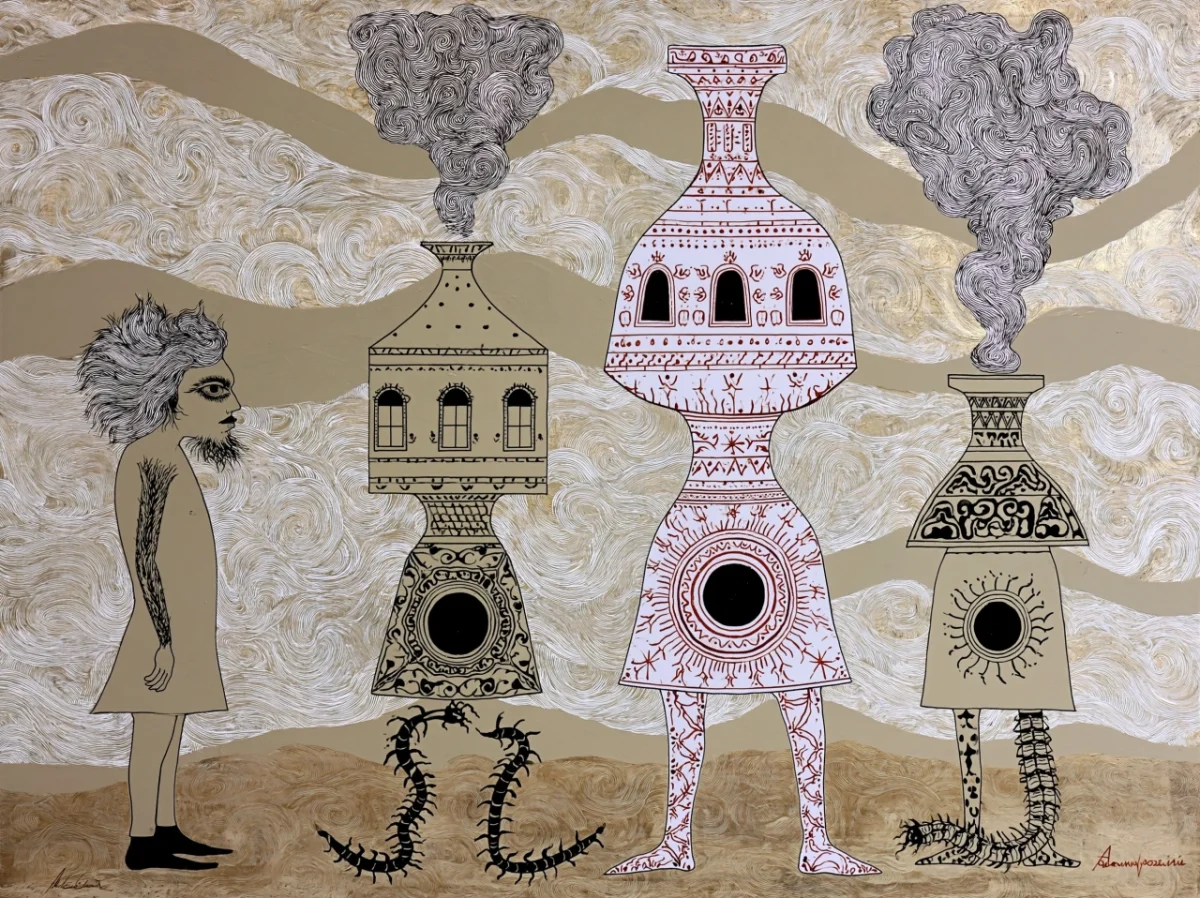
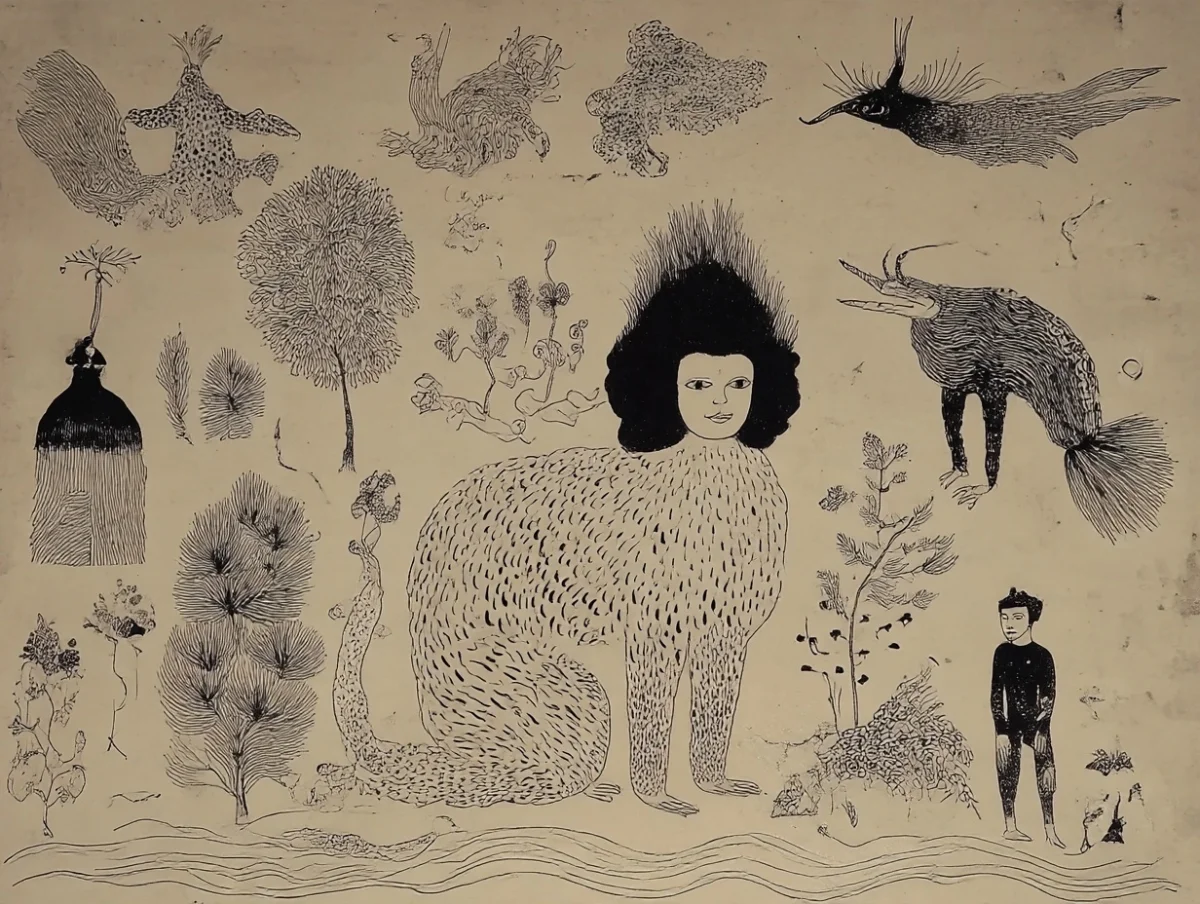
Pazos describes her method as a visual cut-up, borrowing from Surrealist approaches to unexpected combination. She might bring together the head of one creature, another animal’s body, flower-like texture and the atmosphere of a dream, then look at what the mixture suggests. The method leaves room for chance, but the recurring motifs make the results feel connected rather than random. A bird-legged fish, a lion-faced figure and a crowned horse can share eyes and dotted markings, as if each new form extends a common lineage.
Gold has become another recurring presence. Pazos returned to the material after finding a text she had written 15 years earlier, populated by golden beings, threads and a woman immersed in a golden sea. She says she had no conscious memory of those images, yet they found their way back into her work. Here, gold does more than decorate: it links present compositions to ideas that had been resting in her imagination for years.
The project remains open-ended. Its creatures can move between paper, textile, still image and audiovisual work, while retaining the dots, eyes and warm metallic notes that make them recognisable. Pazos hopes viewers will encounter their own dreams in the images. She likens each one to an origami form or a strand of DNA: a small structure holding a larger world. For designers, the useful lesson is in how she lets a repeatable visual system support surprise—setting a few shared marks in motion, then allowing each new combination to unfold.