Wednesday, November 18, 2026 · UX & UI Design
Elenor Kopka Turns Animated Forms into Playful Ceramic Sculptures
Noted by Ayla Angelos · 838 reads
The Lyon based artist translates selected animation frames into clay, making movement tangible while keeping its odd humour and visual surprise.
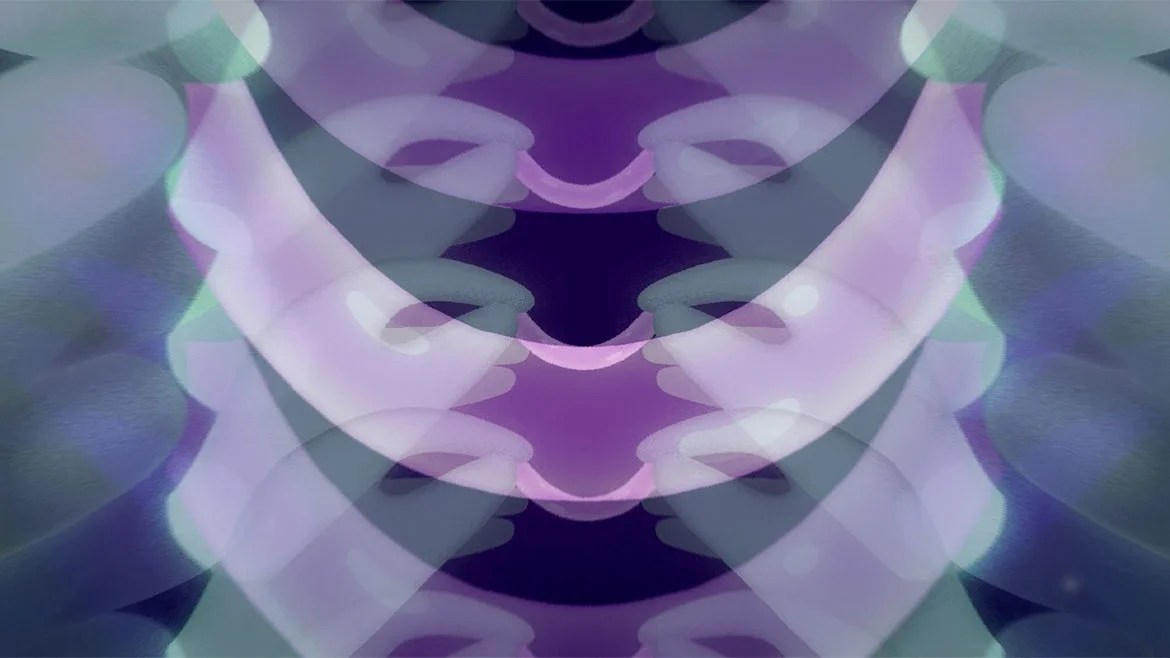
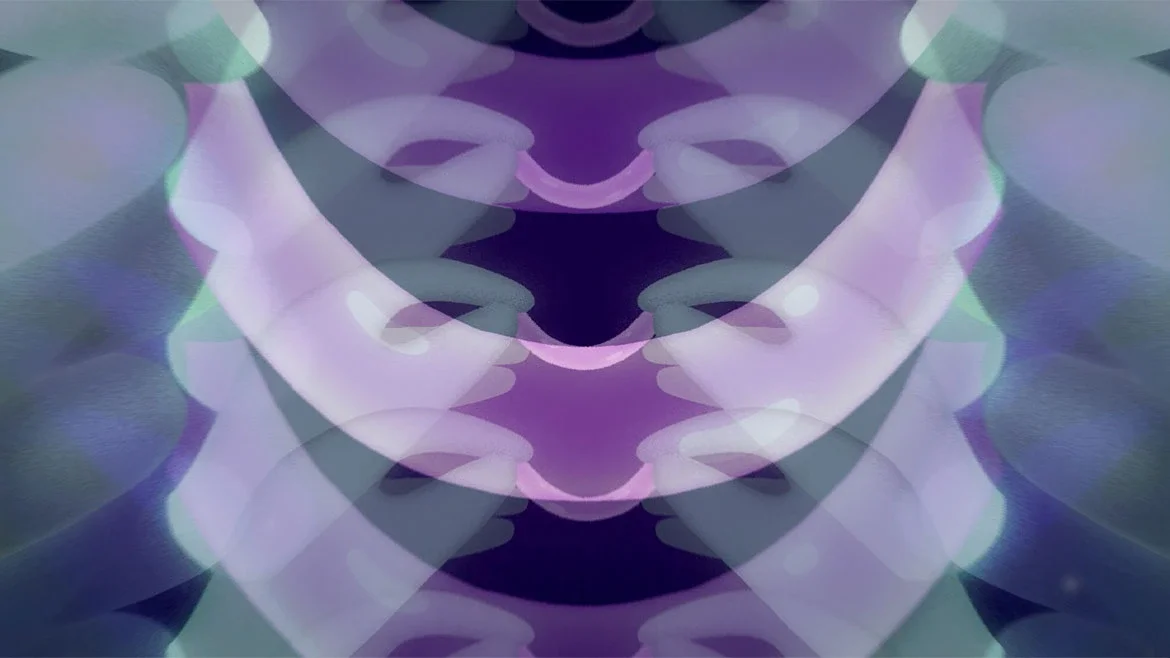
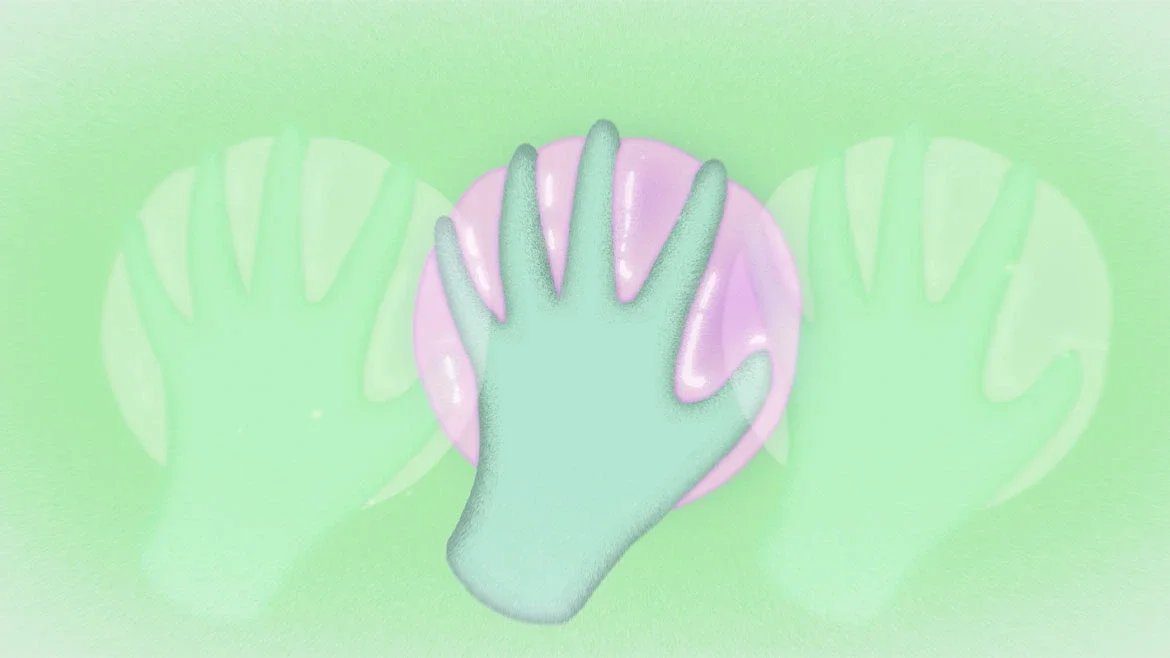
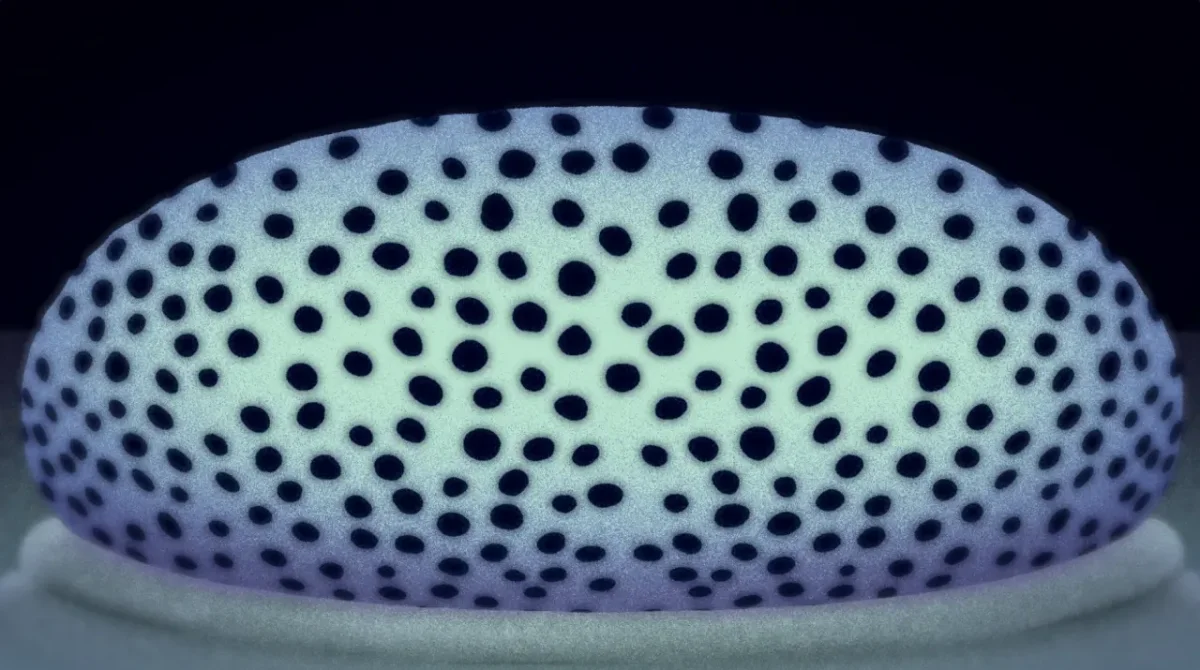
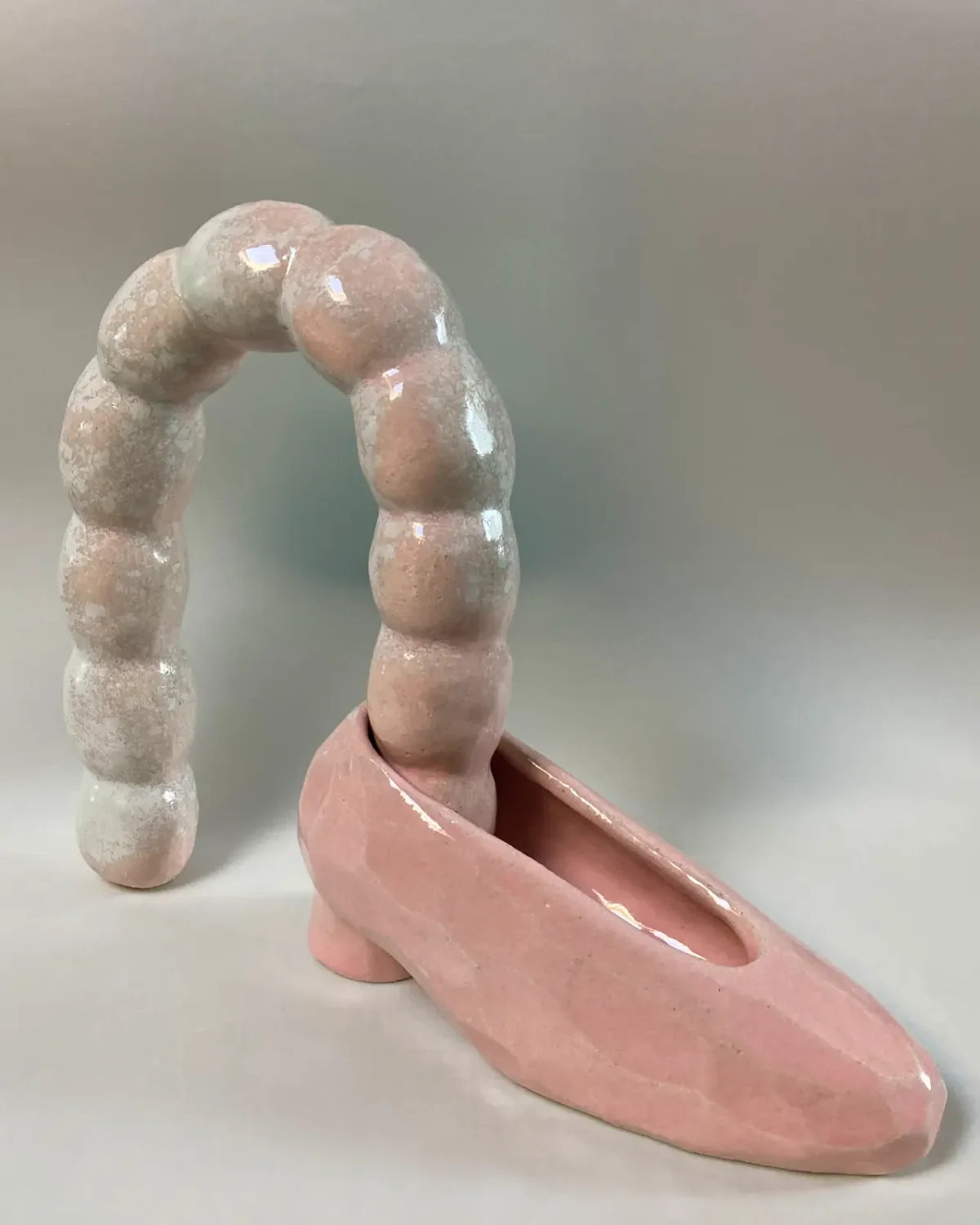
Elenor Kopka’s ceramics make a passing moment hold still. The Lyon based German artist takes forms from her hand drawn animations, selects individual frames and recreates them in clay. What appears on screen as a creature changing shape becomes a physical object fixed in one pose: an arch, a rounded body, a hand or an unfamiliar hybrid. The shift gives her work a second way to explore how forms behave over time.
Her method starts with an object made in 3D, which she animates before choosing frames to translate into ceramic sculpture. Each selection becomes a kind of edit. A frame that lasts only briefly in a film has to carry the object on its own once it is made in clay. The resulting sculptures don’t simply document an animation; they let viewers inspect a form that was originally part of a sequence.
Letting a shape find its next frame
Kopka studied illustration and printmaking, and had long wanted to work with music and installations. She taught herself animation by bringing her drawings to life and, in her words, “just ran with it”. In 2025, she completed an apprenticeship in ceramics, adding a hands on medium to a practice already concerned with transformation.
She describes the difference between the two forms as part of their appeal: “animation captures movement with the confines of a screen or projection, while sculpture exists in the physical world but remains frozen in a particular position”. The relationship gives her a clear creative question to work with. Animation can stretch, repeat or alter a shape; sculpture asks which instant should remain visible after the motion stops.
That careful translation sits alongside a looser approach to making films. Kopka likes to begin without a storyboard and move from one shot to the next, letting the sequence reveal its direction. Because she draws each frame by hand, this freedom can generate material that later has to be cut. She accepts that risk, allowing unexpected turns to shape the work before deciding what belongs in the finished film.
Wonder with room for a laugh
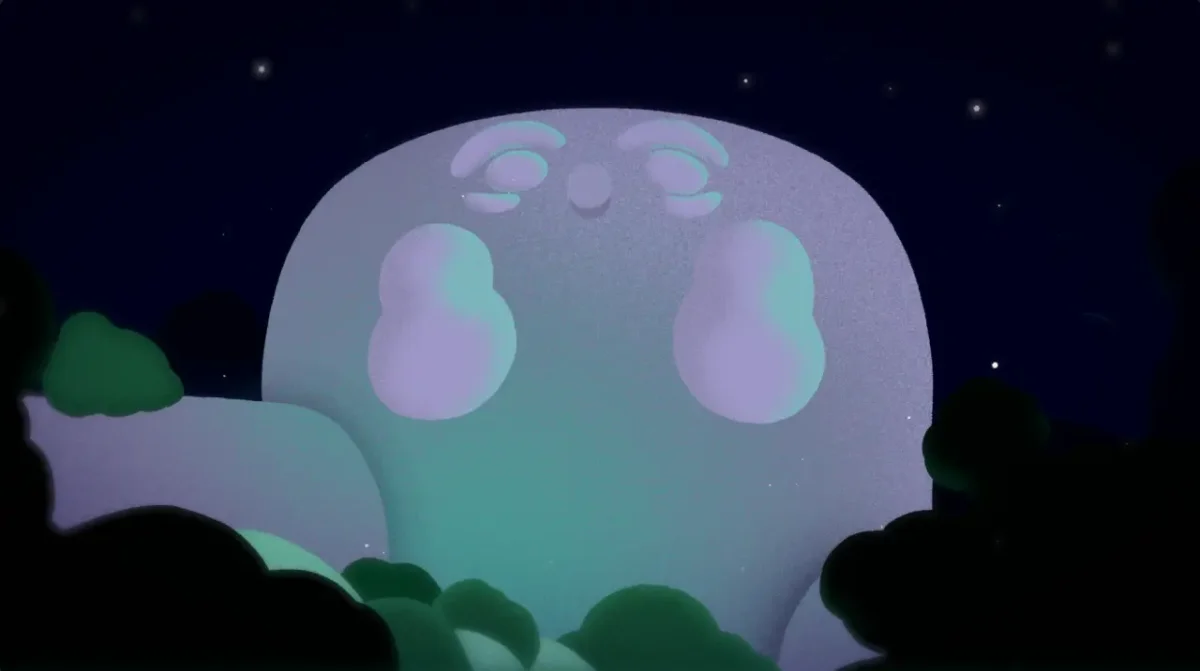
MOLD, a short film she made in 2025 and scored herself, grew from that stream of consciousness process. It began shortly before Kopka became pregnant. Looking back, she sees the work as carrying feelings she hadn’t consciously set out to depict: “the craziness of life beginning, a wondrous chain reaction that is both incredibly beautiful and completely silly.” The description fits the film’s appetite for surprising changes, where strangeness and delight can occupy the same moment.
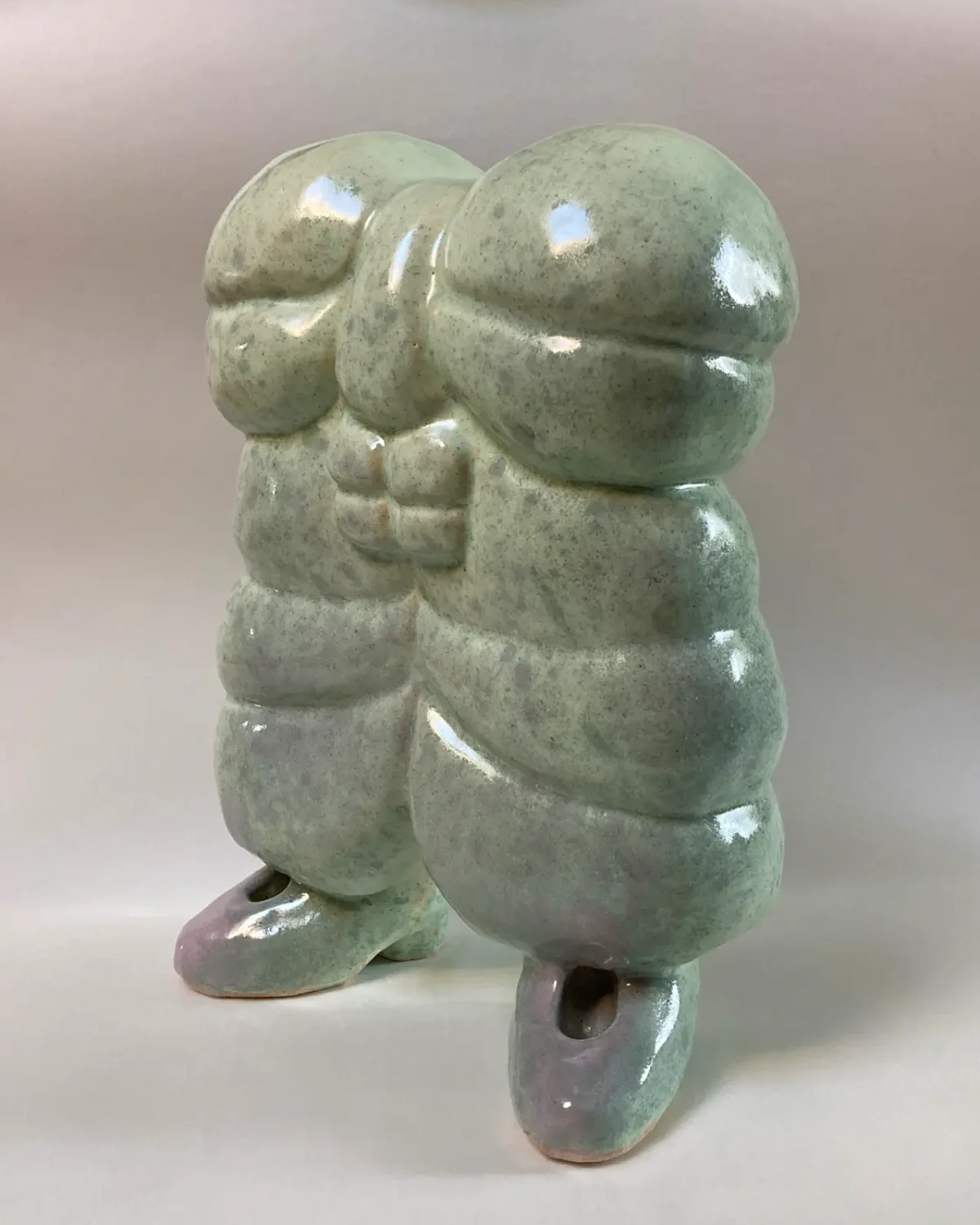
Humour matters to Kopka, but she doesn’t treat it as a cue to dismiss the work. She enjoys making people laugh and is equally interested when a piece leaves them unsettled. “I'm really serious about my work and don't want to make things that feel ‘ironic’; I'd love for people to see humour in it but also beauty.” That combination helps explain why her forms can be funny without turning into a joke: the oddness is part of their visual character, and the objects still ask to be looked at closely.
Her music video for Late June by jazz musician Adam O’Farrill takes a slower route. Kopka describes it as an exploration of “the awe and volatility of the passage of time”. Its extended pace gives each shift room to register, and the collaboration let her work with music she loves. Together, the two projects point to a practice that can move between brisk transformation and sustained observation.
Returning to the studio through touch
After becoming a parent, Kopka found it difficult to make time for the art, films and music that had fed her work. She describes that period of parental leave as uncreative, and is now gradually returning to the studio. The first step has been physical: working with her hands, without demanding a fully formed idea in advance.
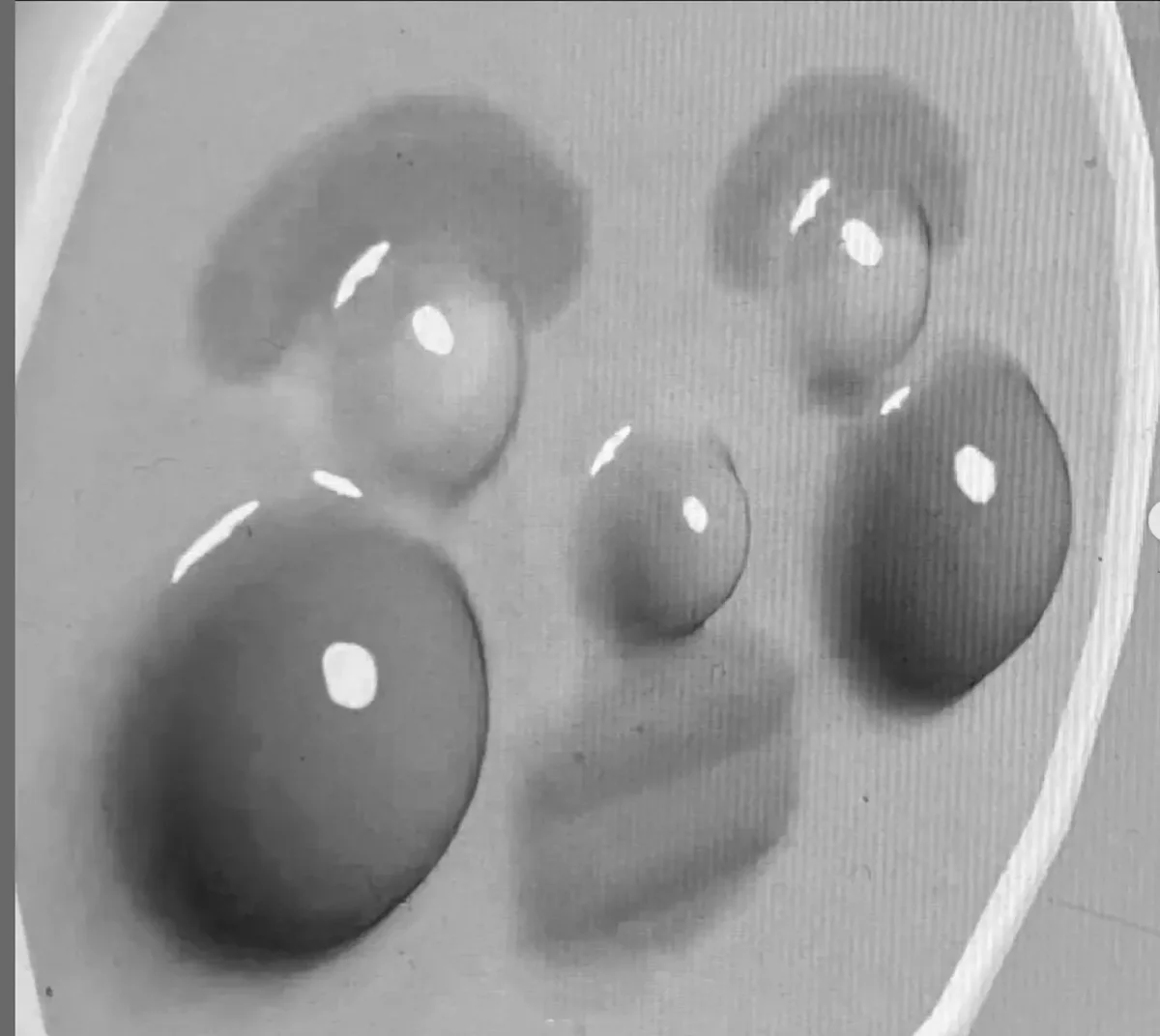
“I often find myself looking inward and letting my hands lead the way, without overthinking too much,” she says. With clay, simply putting her hands to the material can start the process. That return to touch also brings the animated and sculptural sides of her work together: one begins with movement across drawn frames, the other with a hand pressing material into form. For designers and image makers working between digital sequences and physical objects, Kopka’s approach offers a useful prompt: choose the moment that can stand alone, then see what the material adds to it.