Thursday, November 12, 2026 · UX & UI Design
Tanmay Saxena Turns Creative Lulls and Childhood Memories into Surreal Photography
Noted by Ayla Angelos · 357 reads
After leaving a decade-long analyst career, Tanmay Saxena builds open-ended photographs from wandering, personal history and unexpected moments.
A photograph of a slumped superhero turns a creative lull into its own subject. For London-based artist Tanmay Saxena, that image captures a wider approach to making work: begin with something personal, stay alert to the odd details of ordinary life, and let a shoot develop beyond the plan.
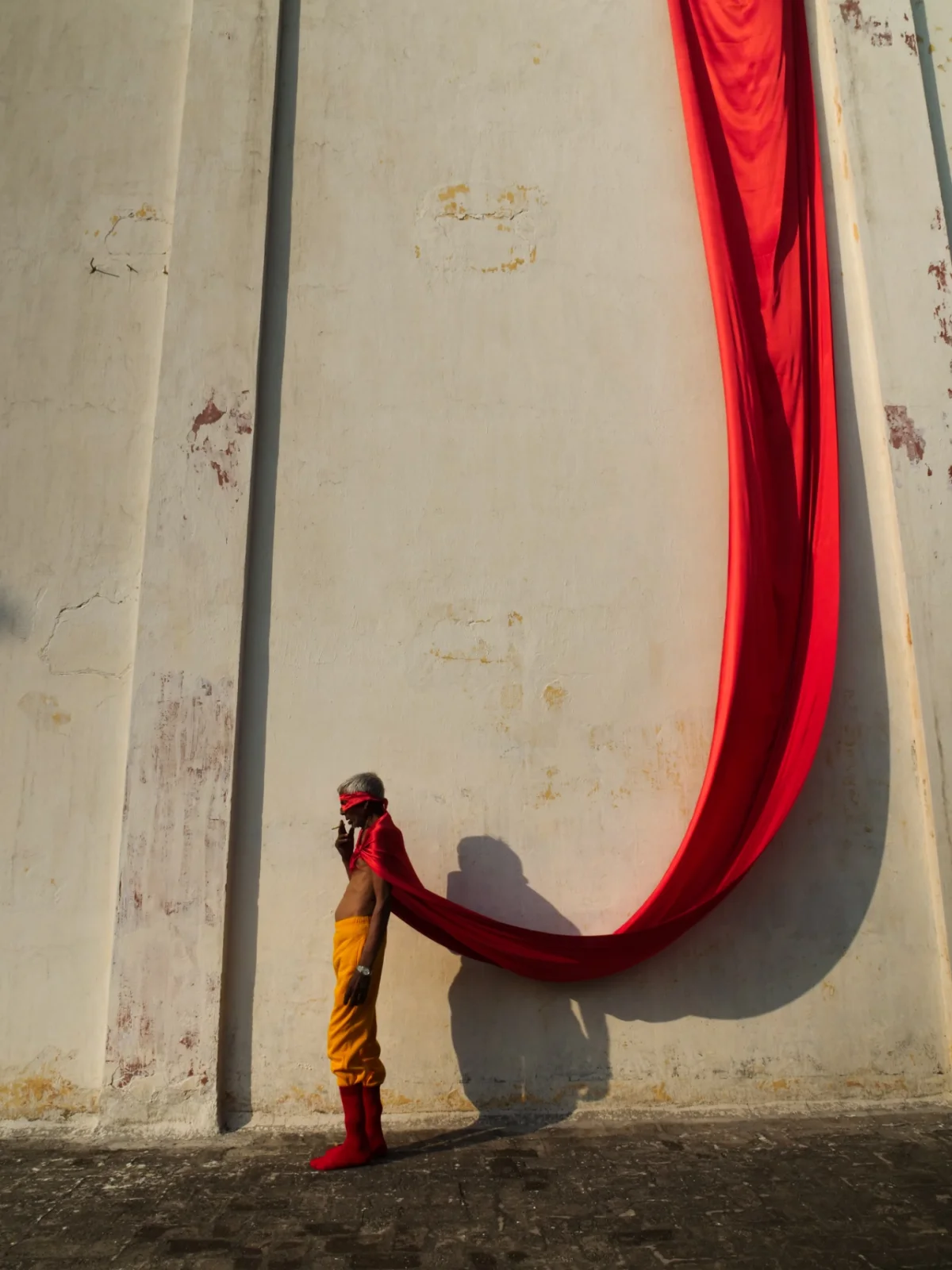
Saxena made Superhero Downtime earlier this year, while he was going through what he describes as a minor creative drought. The figure, dressed in yellow trousers and a red cape, sits against a weathered concrete wall beneath a clear blue sky. The superhero’s familiar costume meets the unheroic posture of someone who has run out of energy.
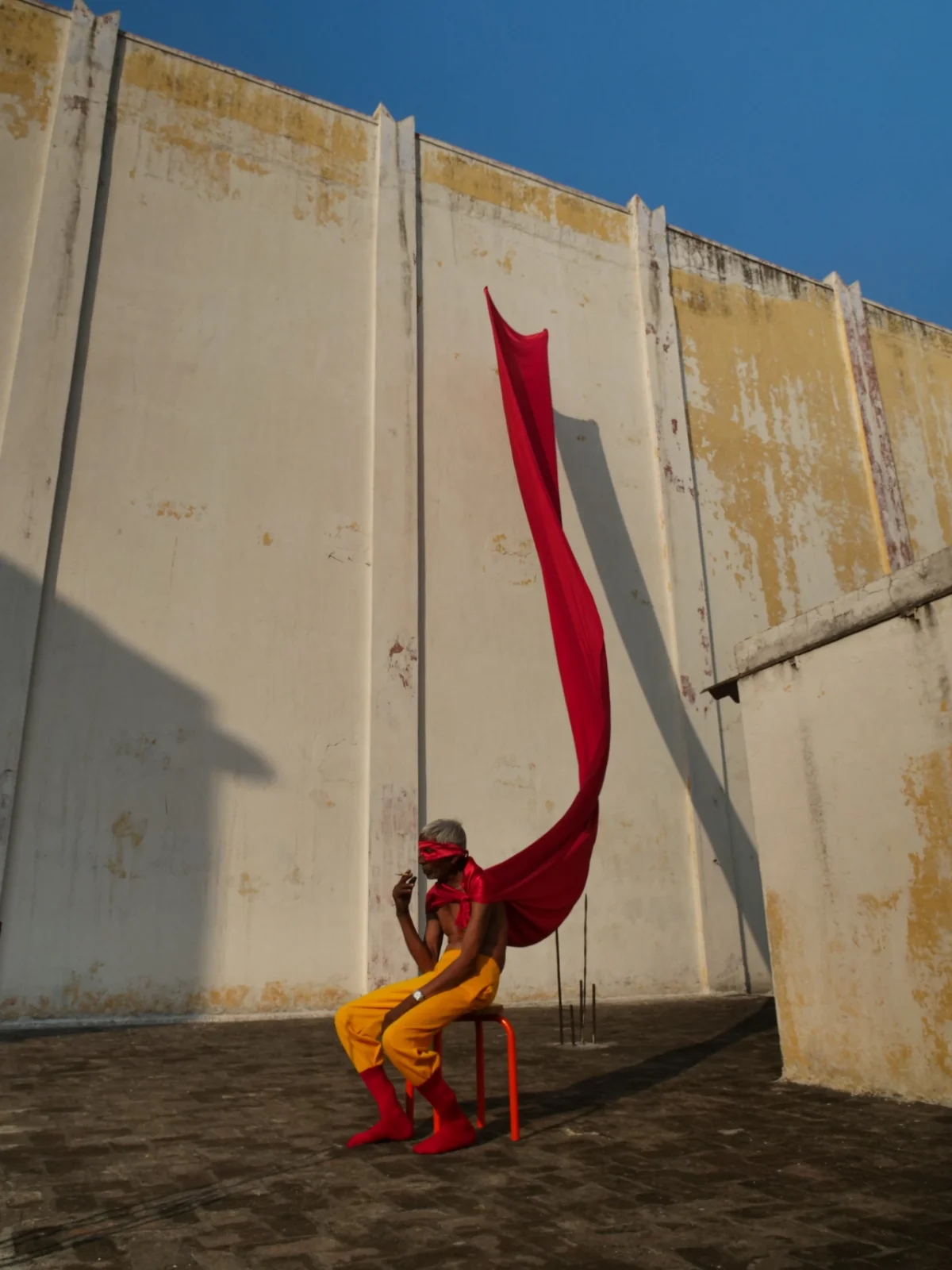
For Saxena, the picture is a reflective gesture toward the uncertain spells that can leave an artist feeling lost. It also turns its own premise into a small joke: a work about creative exhaustion is, in itself, an act of creation. That balance between sincerity and the strange is characteristic of photographs that make room for both a clear visual hook and a more personal reading.
The image took shape after a major change in Saxena’s working life. Originally from India, he moved to London around 18 years ago and spent a decade as a business analyst at a bank in the City. The job lasted, but it did not feel like a natural fit. He recalls that sadness became part of his daily life before he left that career and began what he calls his “second life” in art.
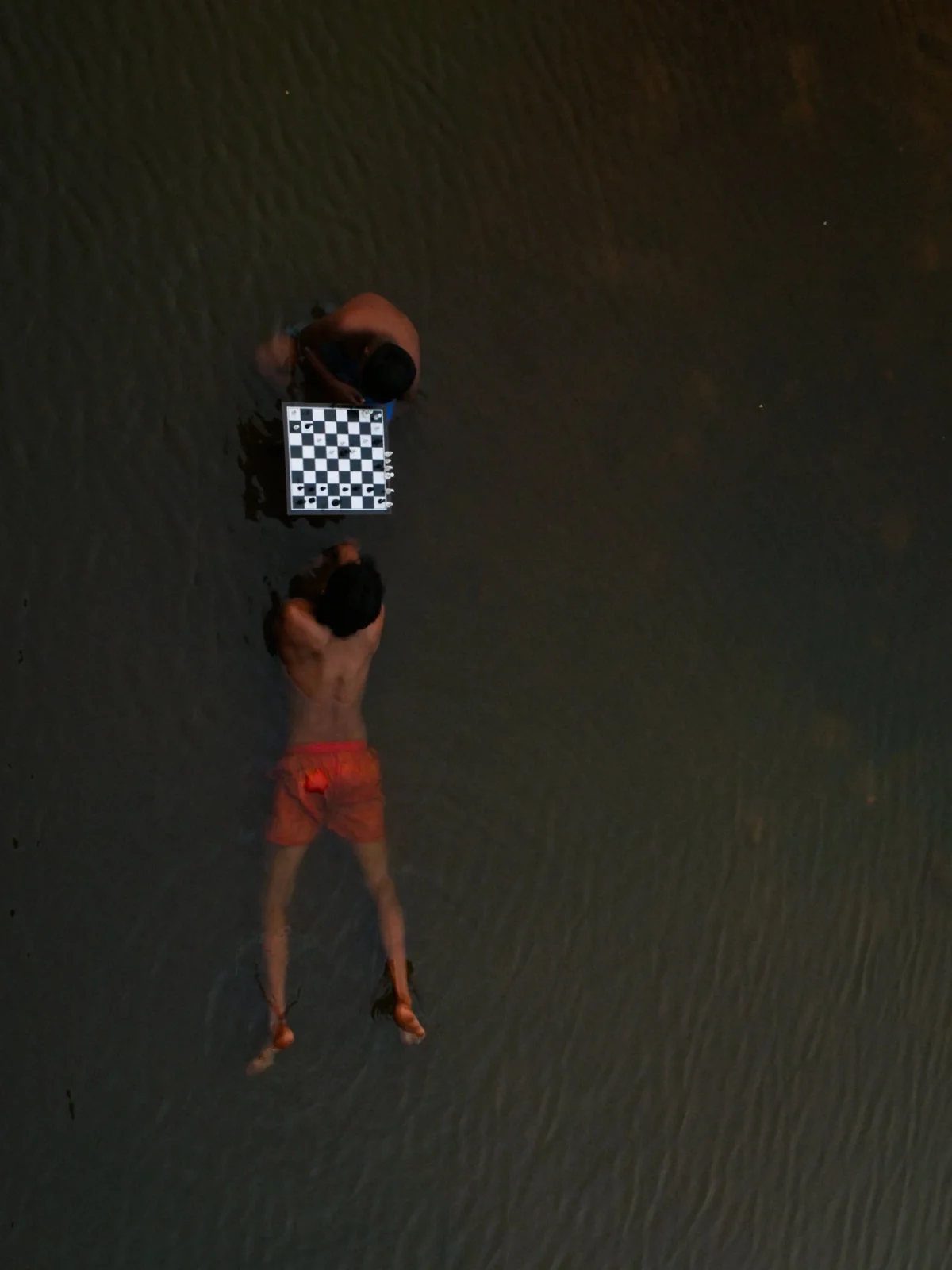
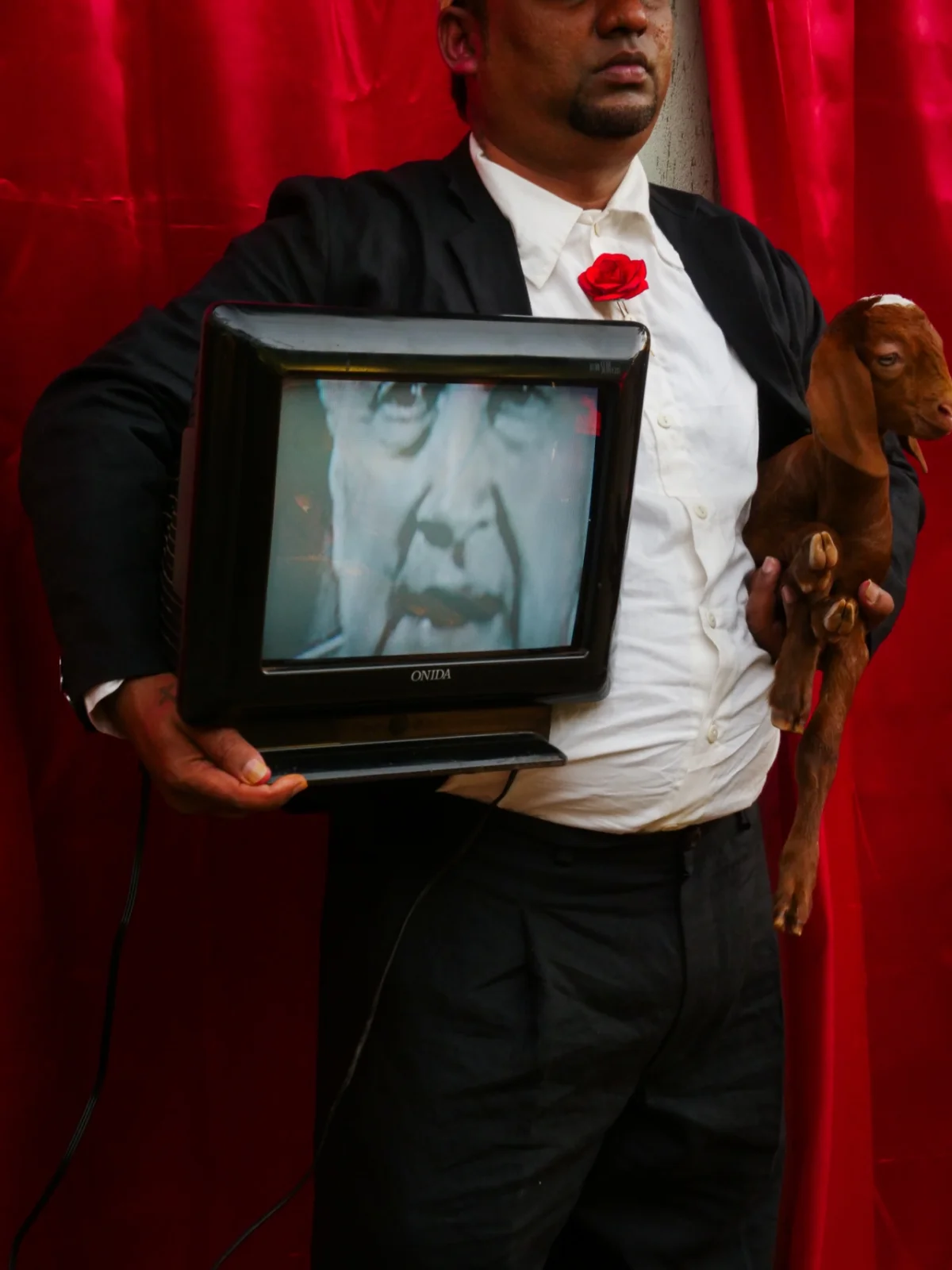
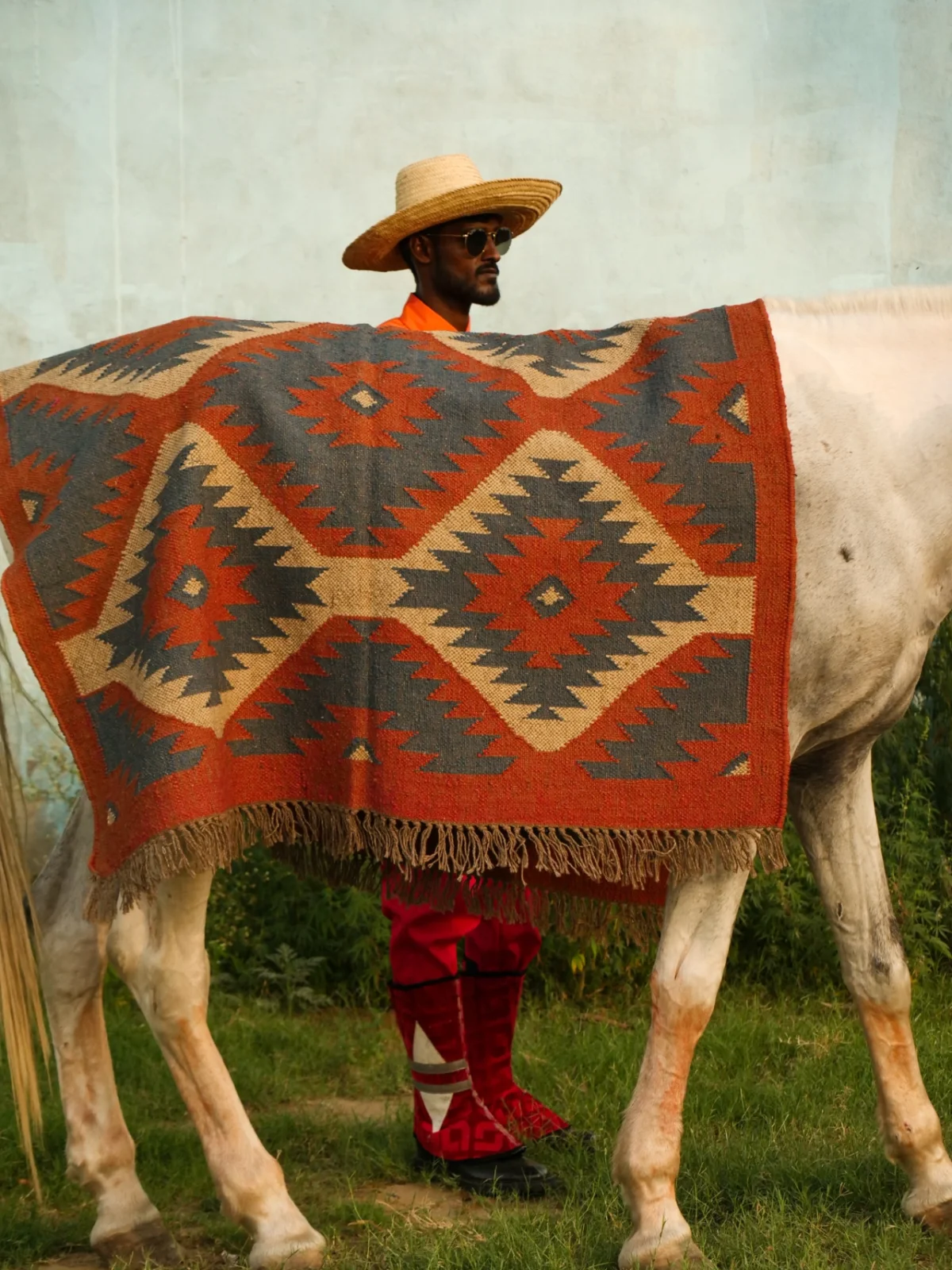
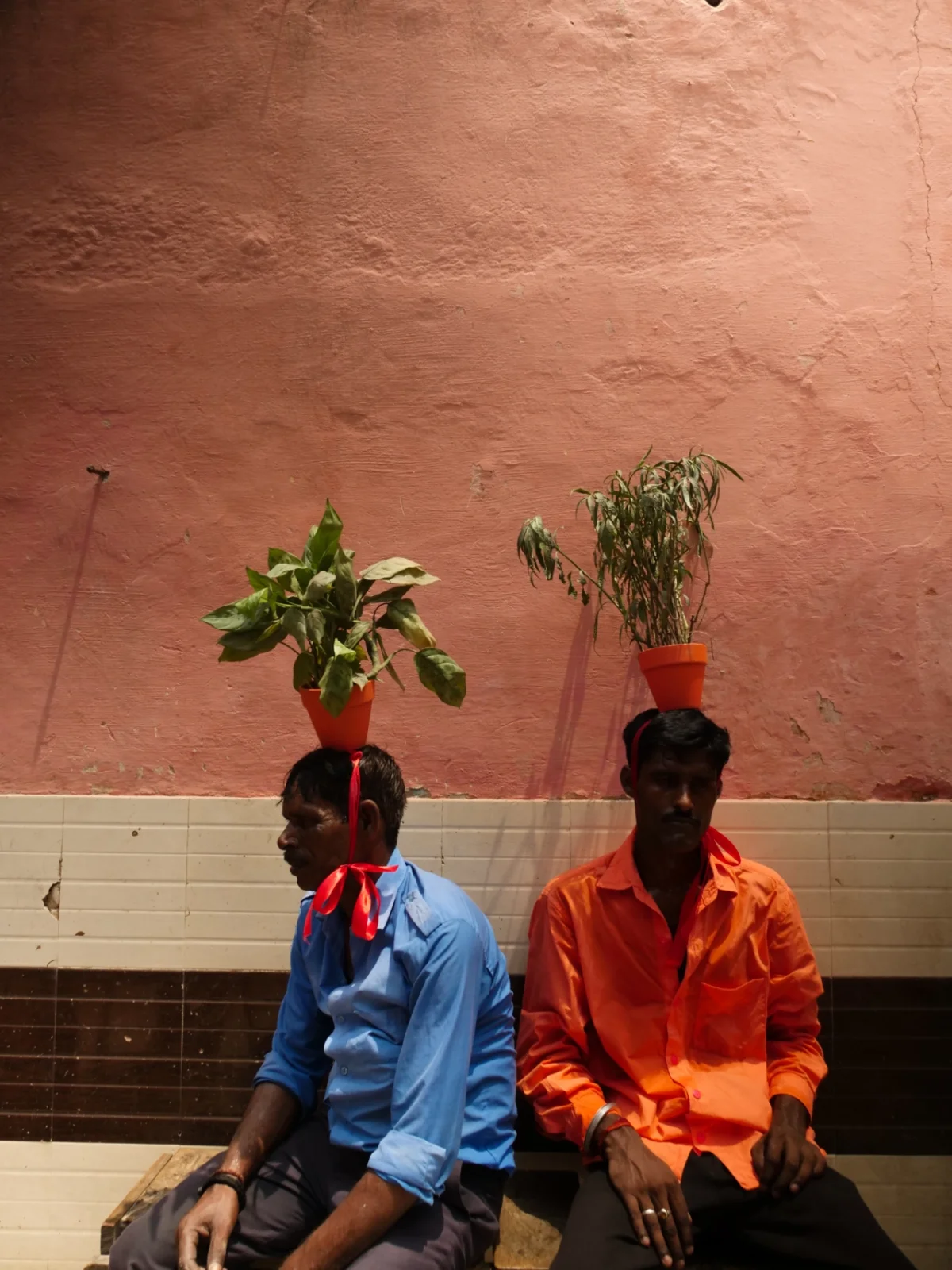
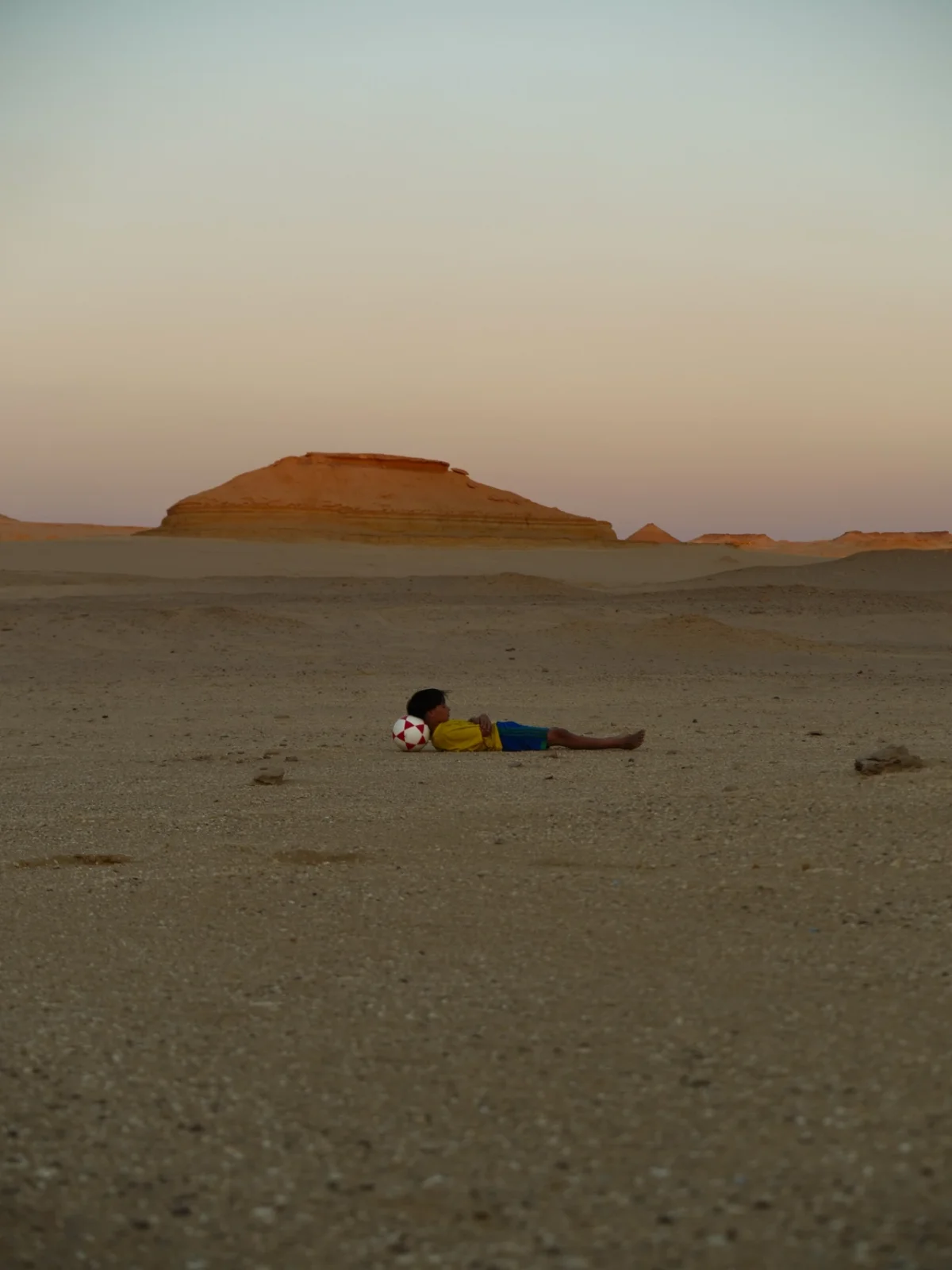
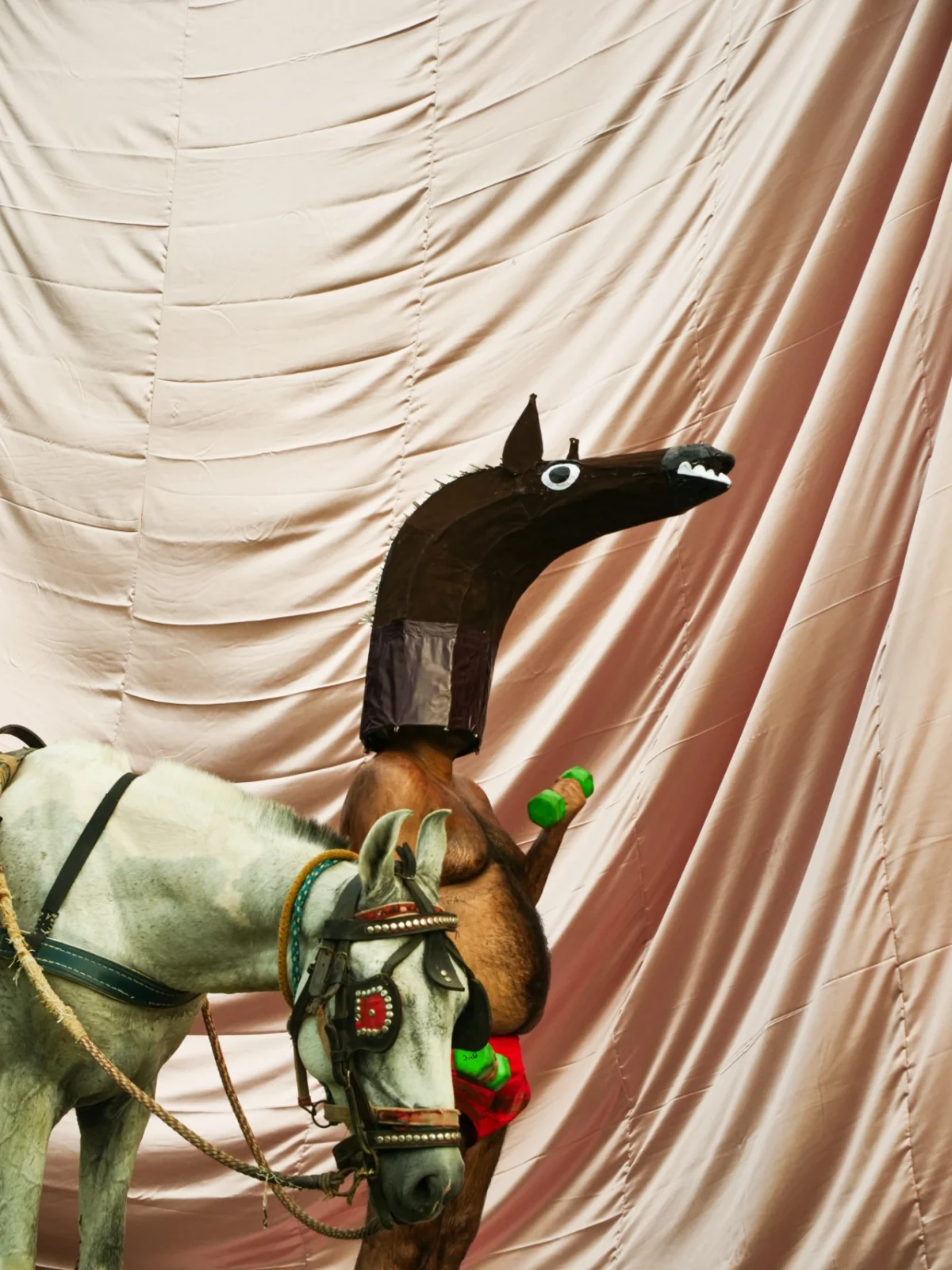
Since then, his practice has moved across photography, moving image, fabric and painting. His work has been shown at London’s National Portrait Gallery, Helm Gallery and HBH Gallery, among other venues. Across those forms, he often builds scenes that feel recognizable at first glance, then subtly unsettled: a lone person in an expansive setting, an everyday object used in an unexpected way, or a carefully arranged image that resists a single explanation.
Ideas gathered while wandering
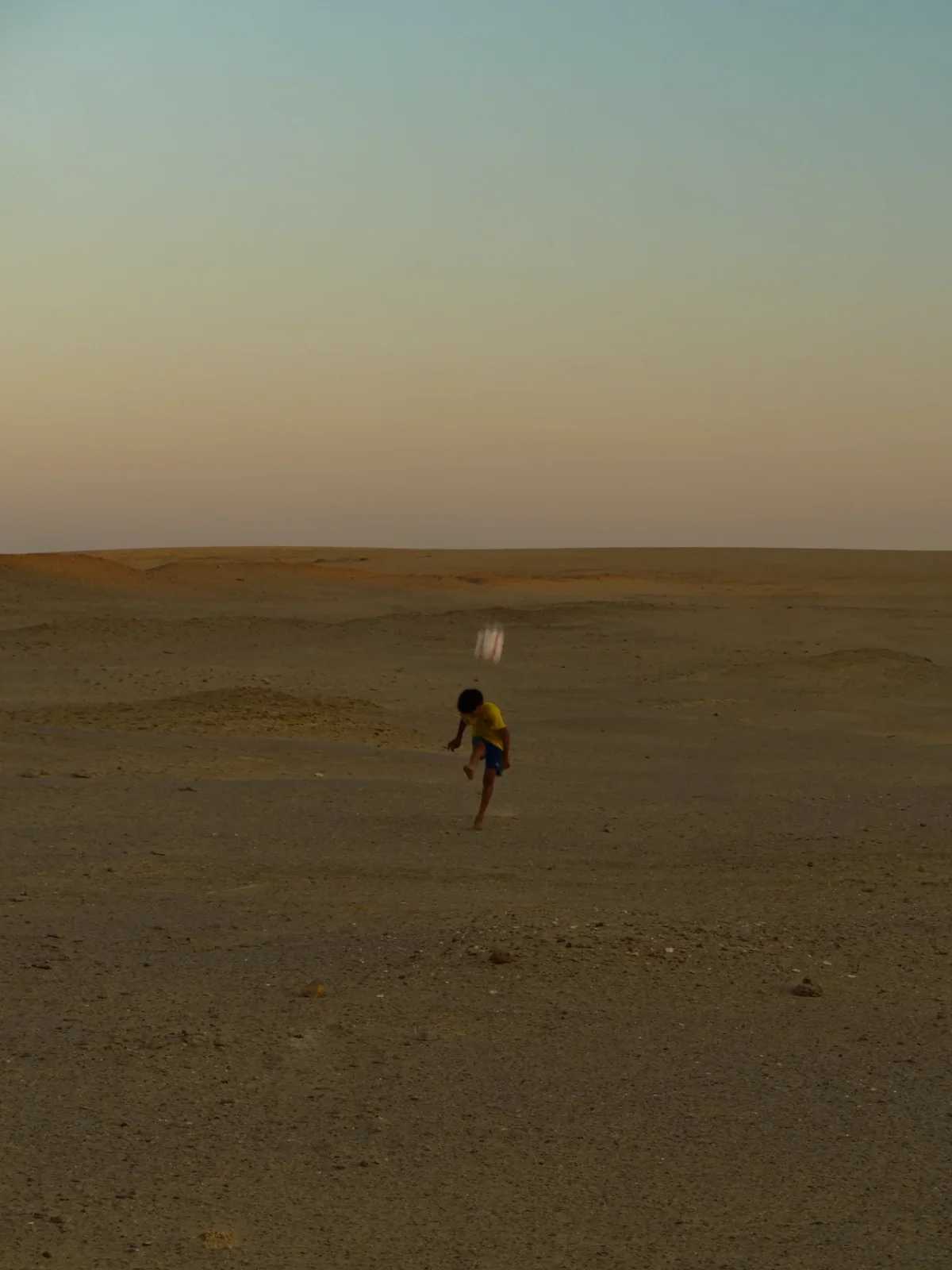
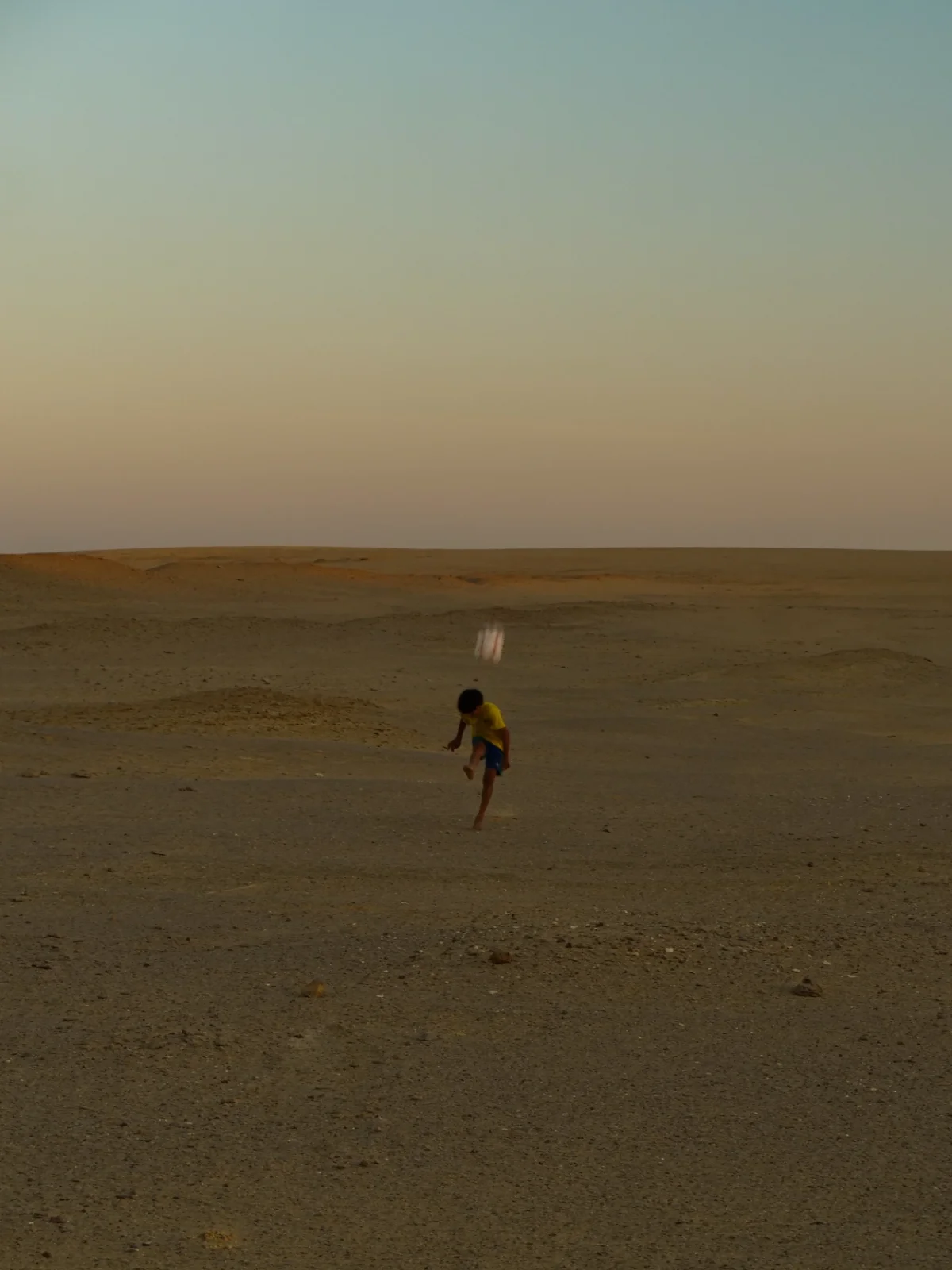
Saxena says ideas tend to arrive while he walks without a particular destination. Details register in the background, then may connect with a photograph months later. Sometimes he can trace a finished piece to something he saw or experienced; sometimes even he can’t explain the link. That open-ended process gives his images an associative quality, as if the viewer has entered a thought already in progress.
It also means the starting point doesn’t always dictate the final result. A memory, a passing encounter or a visual detail can sit unnoticed until a later moment makes it usable. For designers and image-makers, the practical lesson is less about waiting for inspiration than keeping attention active: collect impressions without forcing each one into a project immediately, then notice which details return with new meaning.
A braid as a family history
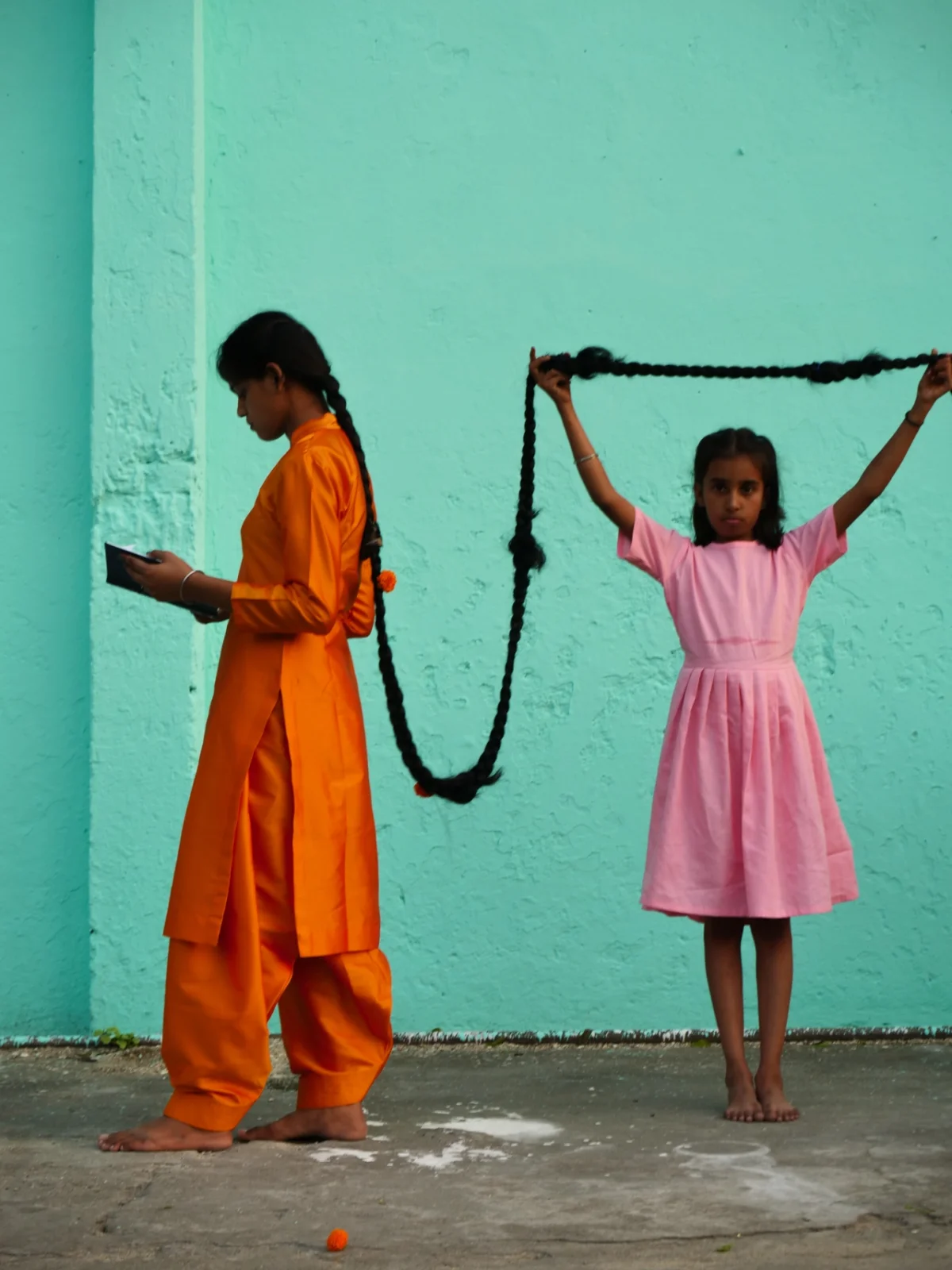
The Tree of She grew from a more deliberate process. Saxena had wanted to make the work for almost a year before its elements came together. Drawing on his childhood in the small towns and villages of India, the piece considers different stages of womanhood through the image of a braid. Hair becomes a visual thread connecting individual lives with family history, roots and the passage of generations.
Saxena describes the idea as his view of women’s lives as he encountered them growing up: different ages and phases represented through the braid, with the surrounding world moving through it over time. The image’s central metaphor gives the work a structure, while its personal origin keeps that structure tied to observation rather than abstraction alone.
Making space for chance
In a finished photograph, Saxena estimates that about 70 per cent comes from his own decisions and 30 per cent from circumstances outside his control. He welcomes that uncertainty. When photographing people, he pays attention to their mood and energy, allowing those qualities to guide the image instead of imposing a fixed narrative. The location, the people in front of the camera and the unexpected events of a shoot can all change what the work becomes.
That balance helps explain why the photographs invite interpretation. Their compositions offer specific clues, but Saxena doesn’t want to close down the viewer’s response by explaining what each detail must mean. He prefers to leave the image open, letting people follow a path he may not have anticipated. It’s a useful distinction for anyone staging a visual story: direction can create coherence without spelling out every conclusion.
Saxena is developing more surreal projects in photography and moving image, along with a solo exhibition bringing the two mediums together. For now, Superhero Downtime offers a fitting reminder that a pause can become material. The next useful idea may come from a period that first looks like an interruption.