Wednesday, November 4, 2026 · Graphic Design
Andstudio’s 10 Years: Building an International Design Studio from Vilnius
Noted by Tom May · 729 reads
Augustinas Paukštė reflects on Andstudio’s growth, from student-led research to international exchanges—and why studios should set their own benchmarks.
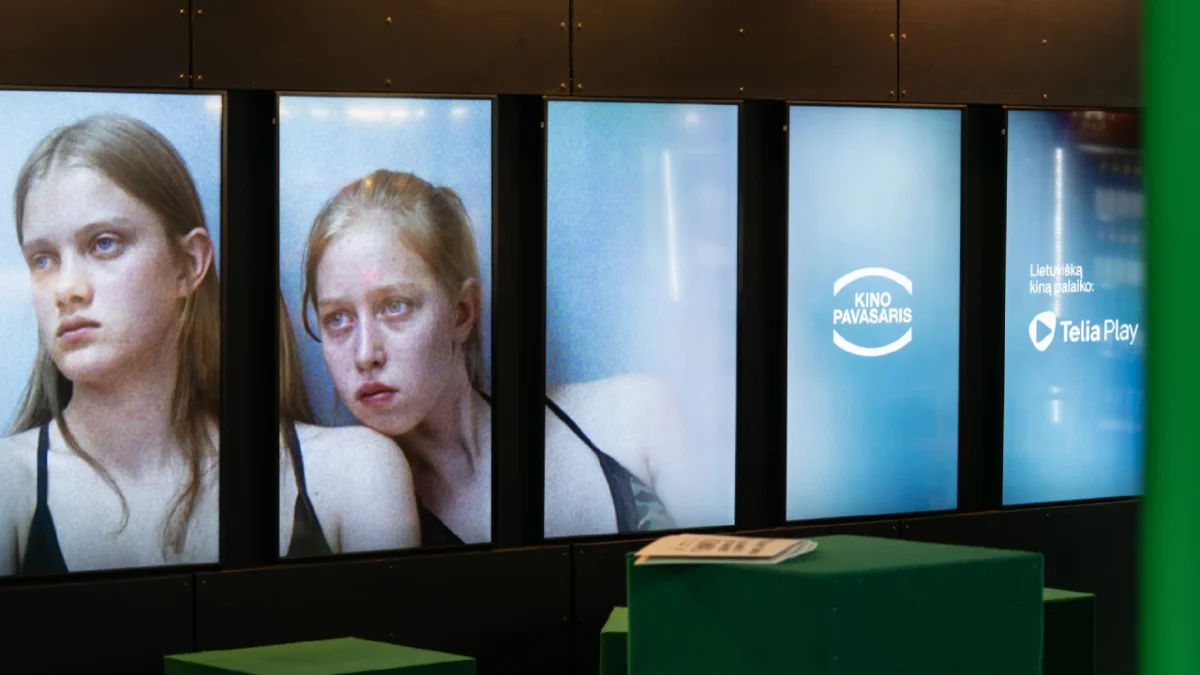
Andstudio’s route beyond Vilnius began with a local ambition: build a small studio where strategic thinking and design craft could support business goals. Ten years later, co-founder Augustinas Paukštė sees looking outward as part of that work, from sharing projects internationally to swapping studios with a team in Florence.
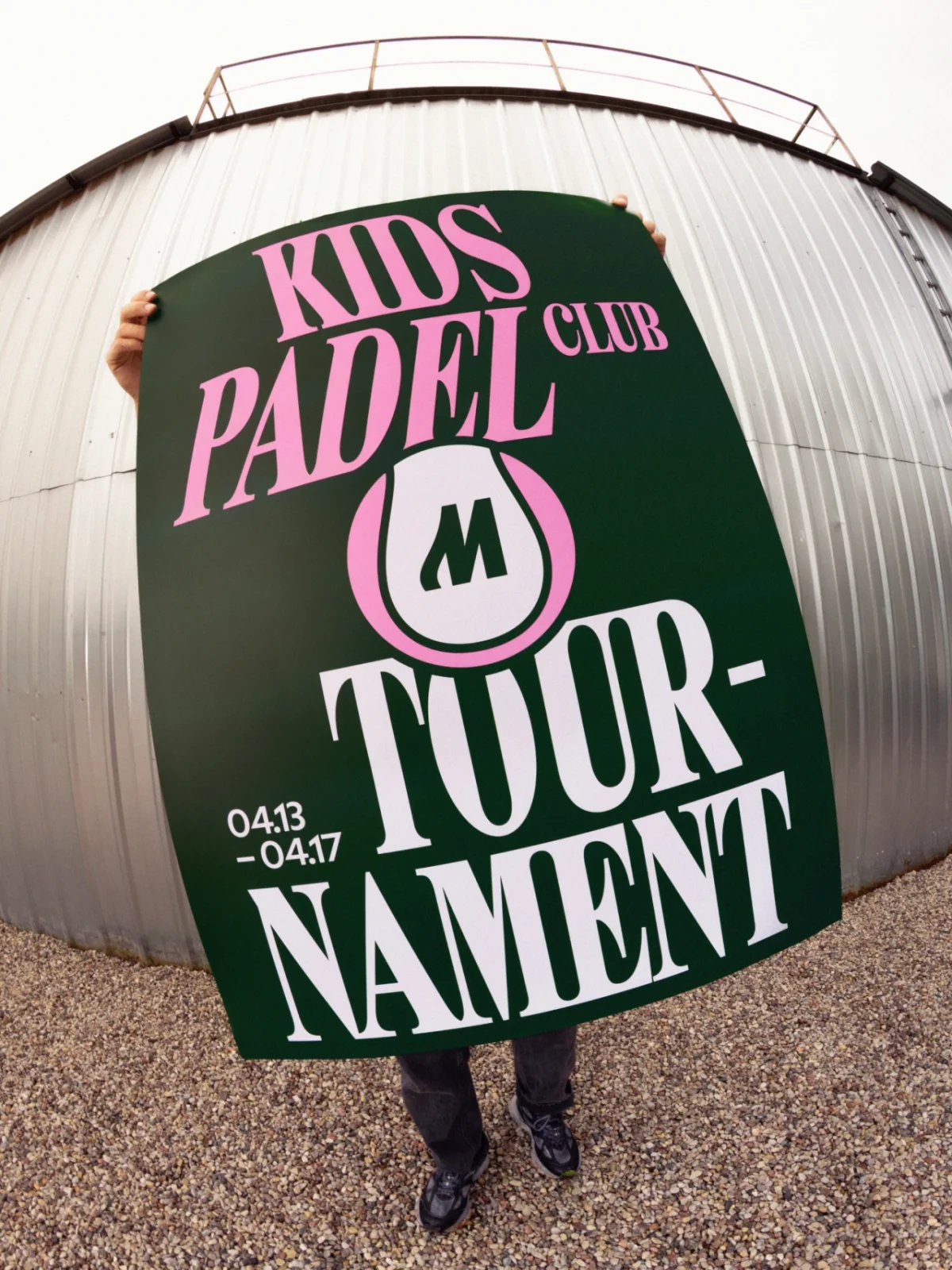
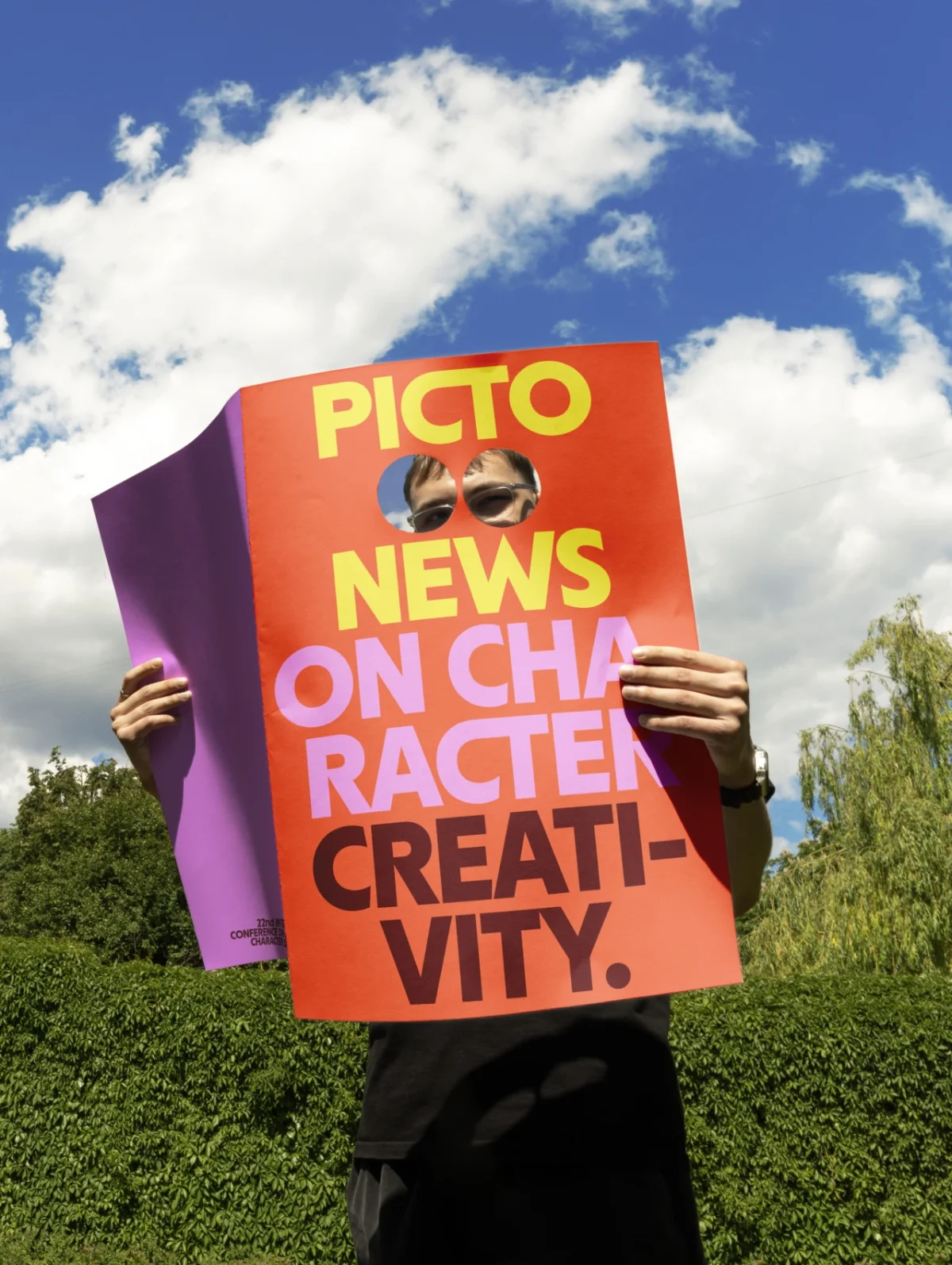
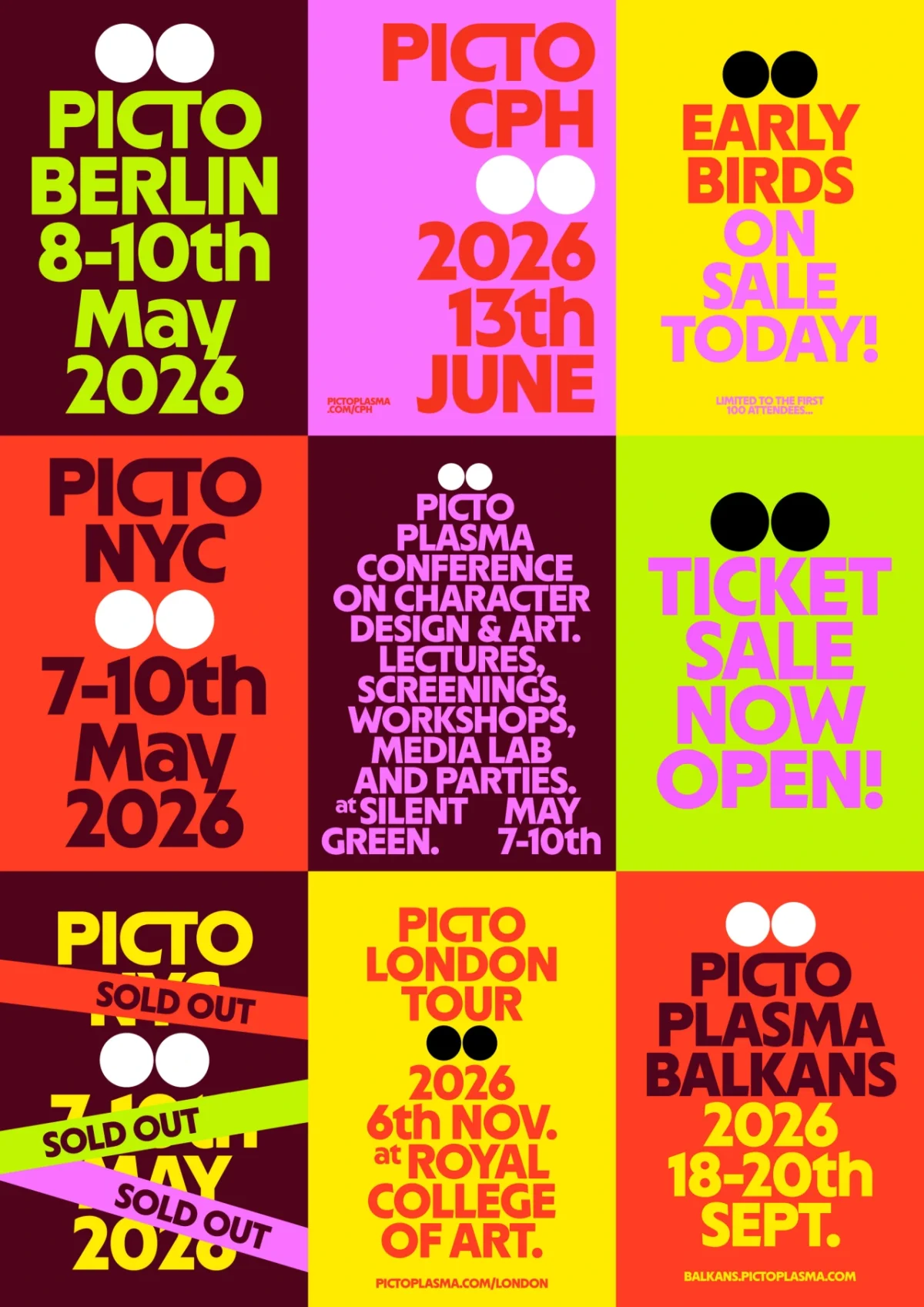
Paukštė and Doman Mikšys started Andstudio shortly after graduating, with no clients and no detailed plan. The Vilnius firm now has 14 people and has worked with Ikea, NordVPN and Pictoplasma, the Berlin character design festival. In 2025, The One Club’s ADC Europe ranking placed Andstudio at number one.
A studio built between two extremes
When Paukštė was a student, summer internships at advertising agencies were among the few routes into creative work in Lithuania. He found that designers often entered late in the process: “Copywriters and art directors led the conversation, and designers executed.” Looking back, he says he might first have joined a branding studio to learn its working methods from within. Starting young, though, meant having less to lose.
He saw an opening between two kinds of local practice. Small, radical studios made culturally engaging work but earned little; large agencies landed major clients and stronger revenues, while producing work he found less interesting. Andstudio set out to combine the focus of a small studio with the ability to address business challenges.
The founders borrowed from studios they admired, but the influence was in their approach rather than their visual style: begin with strategy, value craft and build a culture around branding and design. That model shaped early projects, including work for SMK University College, Lithuania’s largest private higher education institution by student numbers.
Research from the inside
For SMK, the team adapted an immersive research method they had seen used by DesignStudio before its work on Airbnb’s brand. Andstudio had a smaller budget, so it devised its own version: the designers joined the college as undercover students for a week, attending classes and spending time with fellow students.
The purpose was to understand the institution as people experienced it, rather than relying only on the client’s account. That kind of firsthand research can reveal details that a briefing may leave out: everyday routines, points of friction and the character of a place. For a young studio, it also made strategy a practical part of the design process, not a layer added after the visual work.
Looking beyond the local peer group
Paukštė points to Lithuania’s technology founders as another influence. Companies including Vinted, NordVPN and Oxylabs set their sights on global competition from the outset. Their founders, he says, met and openly shared experience, including mistakes. In the design and advertising community, by contrast, attention often narrowed to local clients and awards. When a studio measures itself against the same small circle, it can become harder to share ideas or see other ways to work.
Andstudio began sending projects to international design blogs. The work reached readers who had no particular reason to care that it came from Vilnius, and some responded to it. That visibility built an international presence online before the studio had international clients.


What an exchange changed
That outward focus led to Studio Exchange. Andstudio invited design firms across Europe to trade workplaces, and Studio Muttnik in Florence accepted. For two weeks, Andstudio’s whole team worked from Florence on its own projects while Muttnik used the Vilnius studio.
Paukštė remembers Florence as more cultural and craft-led than Vilnius. The lasting result wasn’t a particular piece of work but a change in perspective: away from the routines that can make a studio’s daily rules feel fixed. Moving the whole team into another setting made it easier to notice which habits were simply habits.
Studio Exchange paused during COVID and Russia’s invasion of Ukraine. This year, it returned as Wine Design Exchange: the team spends a week at an independent winery, developing a complete wine brand on site with the winemakers. Paukštė sees the format as a test of whether concentrated, in-person work can produce better results than months of calls.
Confidence comes from meeting peers
International conferences have also helped Paukštė reconsider what separates smaller-country studios from celebrated firms. When he was younger, he imagined famous studios as perfect machines. Now he recognises familiar pressures: clients, cash flow, hiring and persuading someone to back an unusual idea. Meeting an independent studio abroad can feel, he says, like encountering a version of his own team in another language.
The feeling of distance hasn’t disappeared. Before speaking at a conference, he can still feel that he needs to prove Andstudio belongs there before approaching designers he admires. After the talk, when people come to speak with him, that distance often turns out to have existed mostly in his own mind. For a studio working from a small country, that may be one of the harder assumptions to shed.



Build a benchmark of your own
For designers starting studios in places such as Vilnius, Riga, Ljubljana or Bratislava, Paukštė’s advice is to describe in one sentence what makes the studio different, then put its work in front of people. Publish projects, enter awards, travel, meet peers and stay curious about how other studios work. Quality doesn’t belong to any one city, he says, but neither does a studio need to spend its life trying to become Amsterdam.
Andstudio’s story suggests that international reach can begin before international clients arrive. A clear point of view, public work and direct exchange with peers can help a studio grow its audience while keeping its own sense of place. The challenge is to look outward without losing the reasons the studio began.