Wednesday, October 14, 2026 · Graphic Design
How Kaleidoscope Keeps Packaging Prototypes Precise on Tight Timelines
Noted by Tom Herbert · 760 reads
Kaleidoscope’s prototyping process pairs early alignment, careful quality checks and experienced problem-solving to keep packaging work moving under deadline.
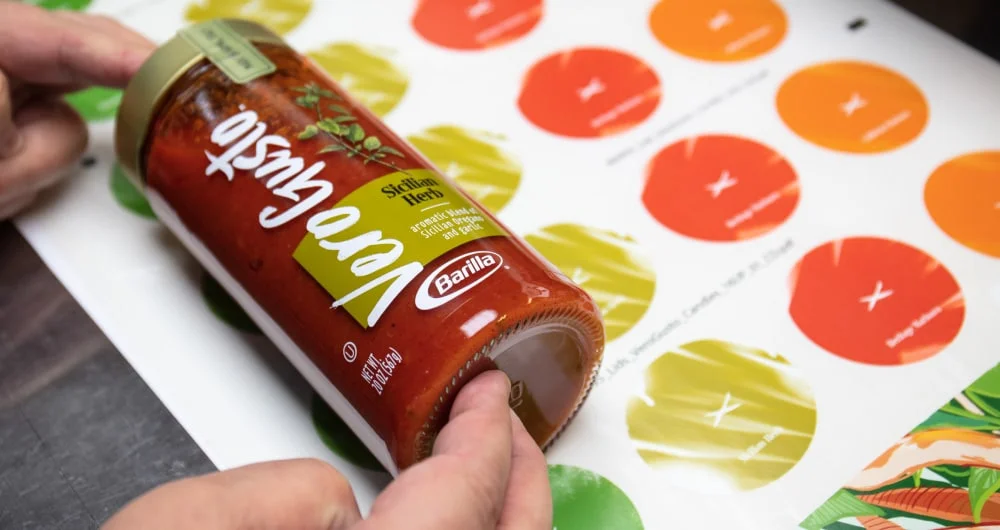
Fast packaging prototyping depends on decisions made before production begins. Kaleidoscope’s account of its process, dated October 20, 2026, puts early communication, quality checks and experienced judgment at the center of meeting compressed schedules without letting details slide.
The pressure is familiar to packaging teams: a film shoot moves up, a buyer presentation is set for the following week, or sales samples need to ship while the concept is still taking shape. Each change narrows the time available to resolve design and production questions. Kaleidoscope’s central idea is that speed comes from managing those questions early, not skipping the work needed to answer them.
Use the kickoff to find problems early
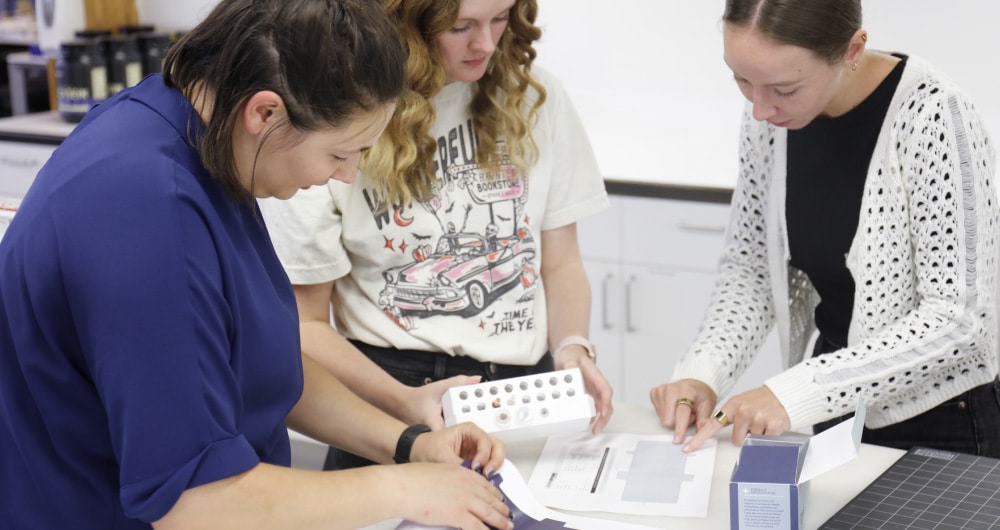
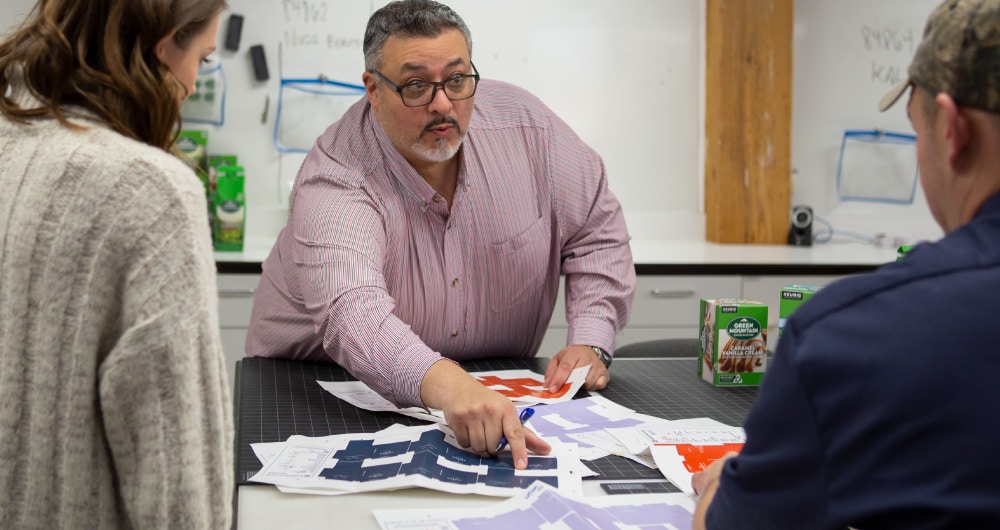
Every project starts with a kickoff meeting involving the client service managers, the client and the production team. Before anyone picks up a tool, the group checks the engineering, confirms the project ticket, reviews whether the budget is sufficient and aligns on what the client expects. That initial conversation takes time, but it can prevent a larger delay later: a misunderstanding caught at the start may take minutes to resolve, while a prototype built to the wrong specification can require a full rebuild.
This is especially useful when several deadlines overlap. A team working from clear requirements can plan the build and raise questions while there is still room to adjust. The linked packaging prototyping page and Kaleidoscope’s piece on the value of packaging prototypes provide related context. The practical point is direct: an early pause for alignment can protect the time needed for the physical work.
For designers and project leads, the kickoff is also a chance to make expectations concrete. Confirm which details must match the supplied art, what materials and construction are intended, and who can approve a change. The source doesn’t prescribe a checklist or name specific software, but its approach makes one thing clear: teams need the right information and a clear path to decisions before production gets underway.
Keep quality checks in the build
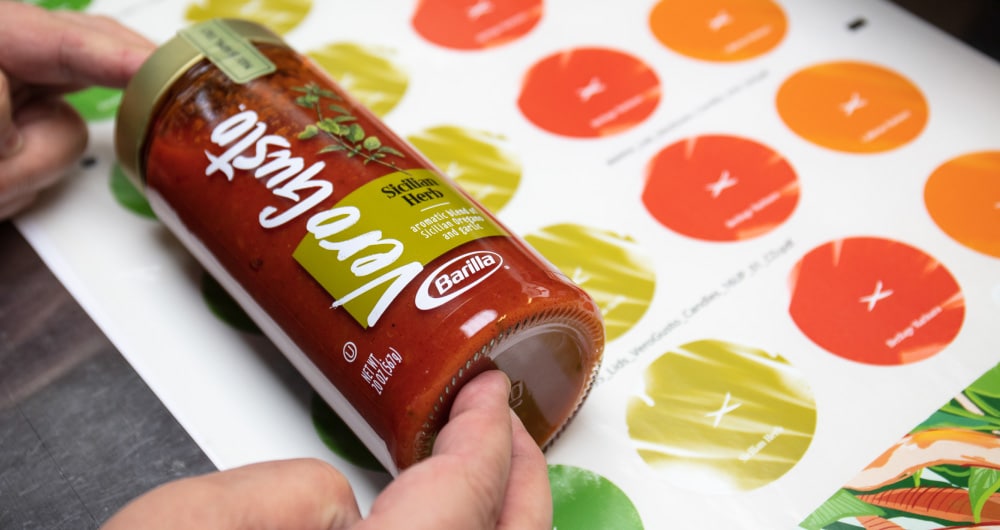
Once production starts, Kaleidoscope says its team follows its quality control process even when the schedule is tight. If artwork appears wrong, a detail has been missed or a color looks off, the team stops and requests approval before proceeding. The check is a decision point: continue only when the issue is understood and the next step is approved.
That discipline matters because errors can travel. A wrong prototype may disrupt a film shoot, trigger a rebuild and strain the working relationship with the client. A quick question during production is a smaller cost than discovering the mismatch at the point when the prototype is needed. Kaleidoscope makes a similar case in its article on the prototype’s real finish line.
For creative teams, the takeaway is to treat quality control as part of the schedule. Build in a way to pause, identify a discrepancy and get an answer. Under deadline pressure, teams may feel tempted to interpret an ambiguous detail and keep moving. But the faster route depends on knowing when uncertainty could create expensive rework.
Experience helps solve the unexpected
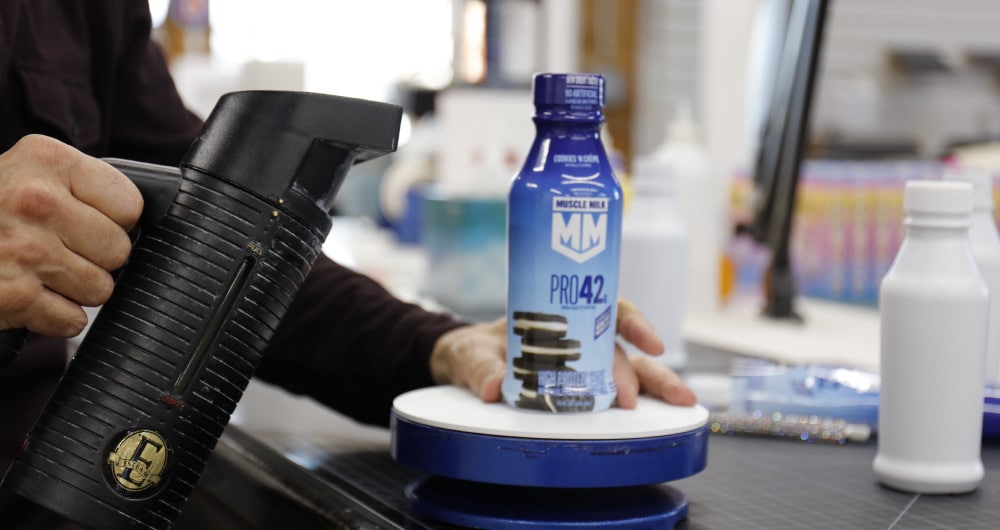
A process can catch gaps, but it cannot anticipate every material or structural problem. Kaleidoscope credits its results to teamwork and peer accountability, alongside the expertise of experienced staff. When a structure won’t fold as the concept suggests, or a material behaves differently from expectation, that knowledge helps the team find a workable answer quickly.
The company describes this expertise as something built through years of practice and thousands of builds. The number is not a timing benchmark; it points to accumulated familiarity with the kinds of problems that can surface in prototyping. That experience gives a production team a wider set of approaches to draw on when the original plan meets the material in front of it.
It also makes collaboration practical. Kaleidoscope says people on the production floor hold themselves and one another to the same standard, regardless of the pressure on a project. A shared standard gives team members reason to flag a concern and confidence that someone else will help resolve it.
Brand familiarity reduces guesswork
Long-term client relationships can speed up decisions because the team becomes more familiar with a brand’s standards, materials, colors and definition of a correct result. With that context in hand, fewer details need interpretation and questions can be answered faster. Kaleidoscope calls that accumulated trust one of its most useful tools when a deadline is close.
Familiarity helps, but the process isn’t reserved for returning clients. For a first project, clear communication and a thorough kickoff can establish the expectations that an ongoing relationship would otherwise supply. The important work is asking the right questions early and making sure the production team has answers it can act on.
Kaleidoscope’s approach treats speed as the result of preparation: align on the brief, protect quality checks, draw on experienced problem-solving and make decisions with the brand’s standards in view. For teams building packaging prototypes, the concrete takeaway is to plan for questions as part of the work. The fewer unresolved details that reach the production floor, the more time the team has to make the prototype right.
Explore Kaleidoscope’s prototyping work and learn more about the team.