Tuesday, October 27, 2026 · UX & UI Design
Inside Socialist Hotels: Elena Amabili Photographs Eastern Europe’s Striking Architecture
Noted by Tom May · 708 reads
Elena Amabili’s new photo book records 153 hotels, from austere concrete towers to buildings balanced above lakes and hillsides.
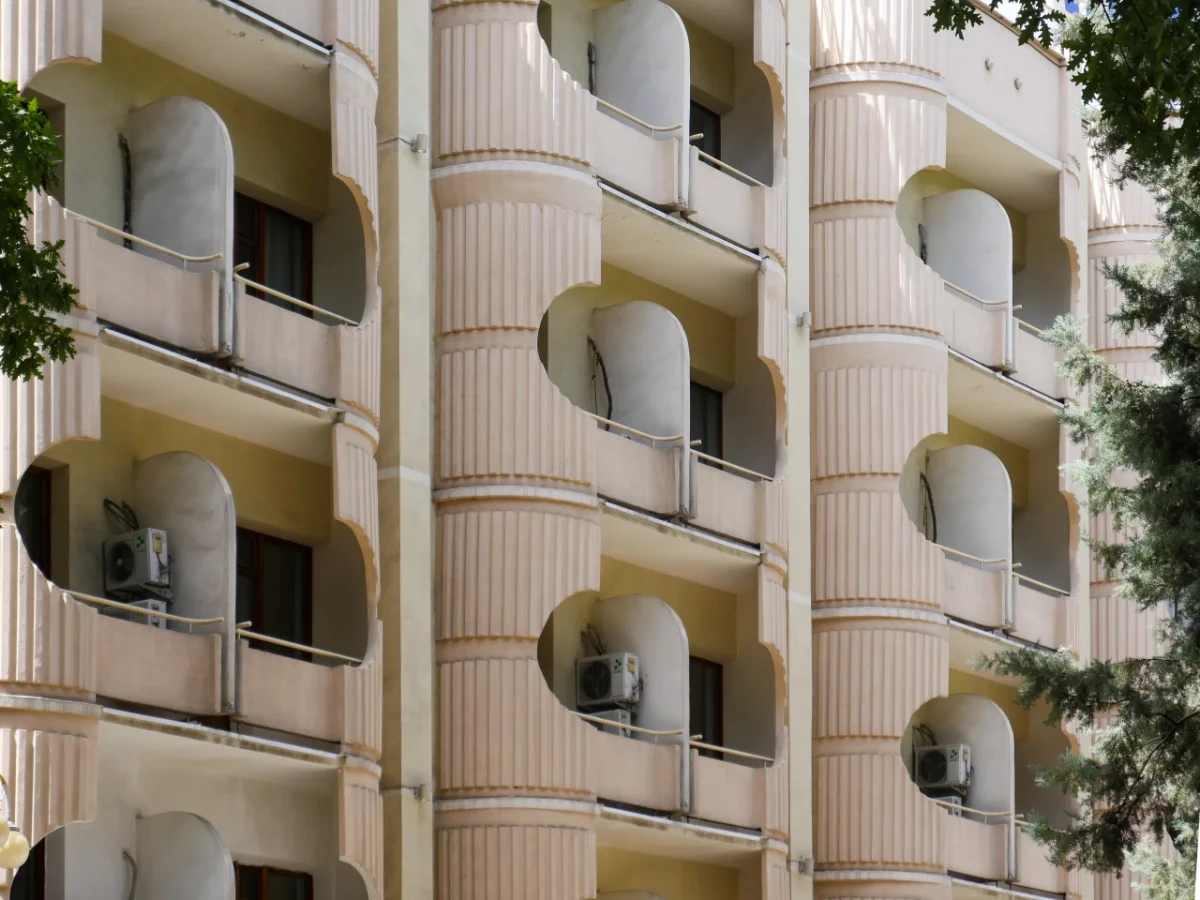
Elena Amabili’s photographs make a case for treating hotels as architectural records, not just places to sleep. Across Eastern Europe and the post-Soviet region, the buildings in Socialist Hotels range from formal, monumental facades to structures that seem to hover above their surroundings. FUEL’s new book gathers these designs while many are being altered or demolished.
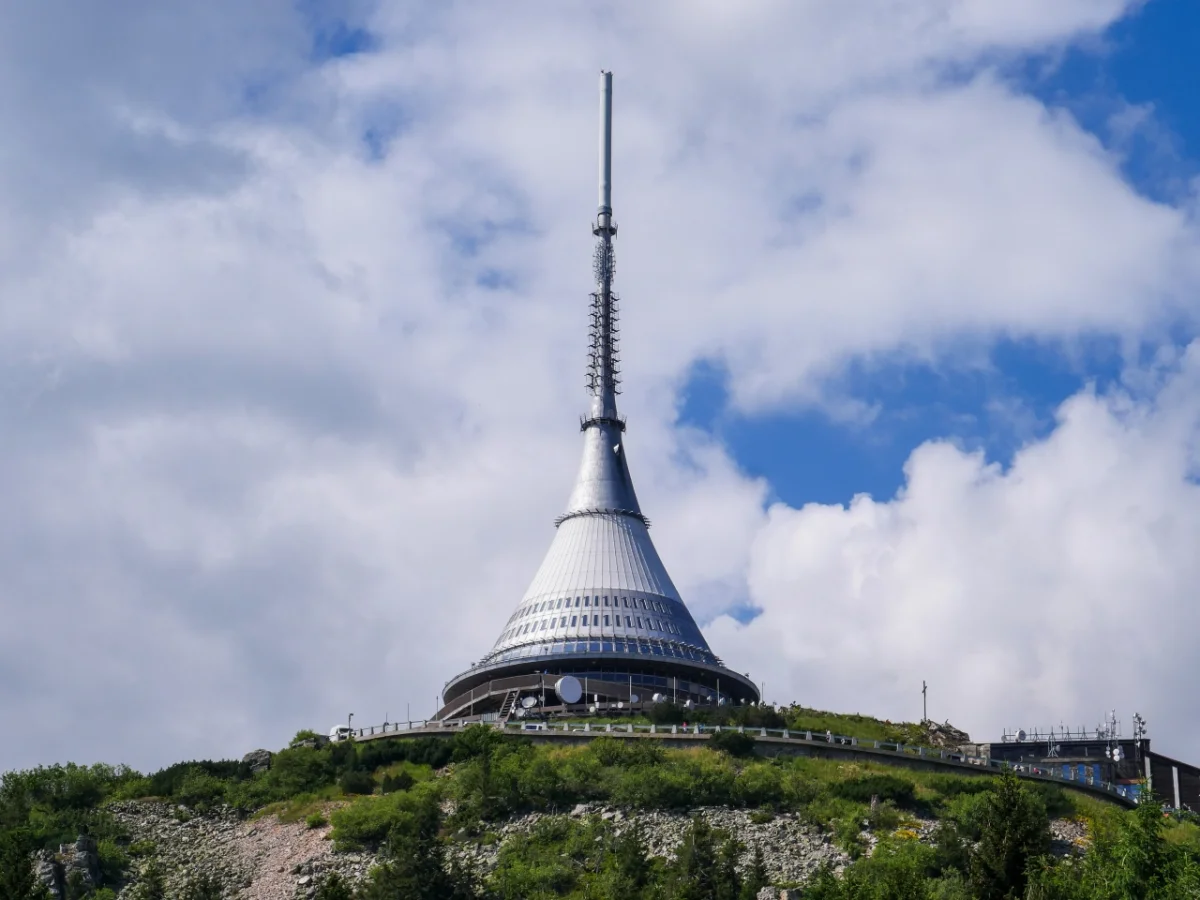
The project turns an everyday building type into a way of seeing shifts in architectural taste and public life. A hotel had to welcome visitors, provide rooms and dining spaces, and make a visible impression. In these examples, those practical demands sit alongside a desire for grandeur, experimentation or a distinct local identity. The result is an unusually broad collection of forms, materials and interiors.
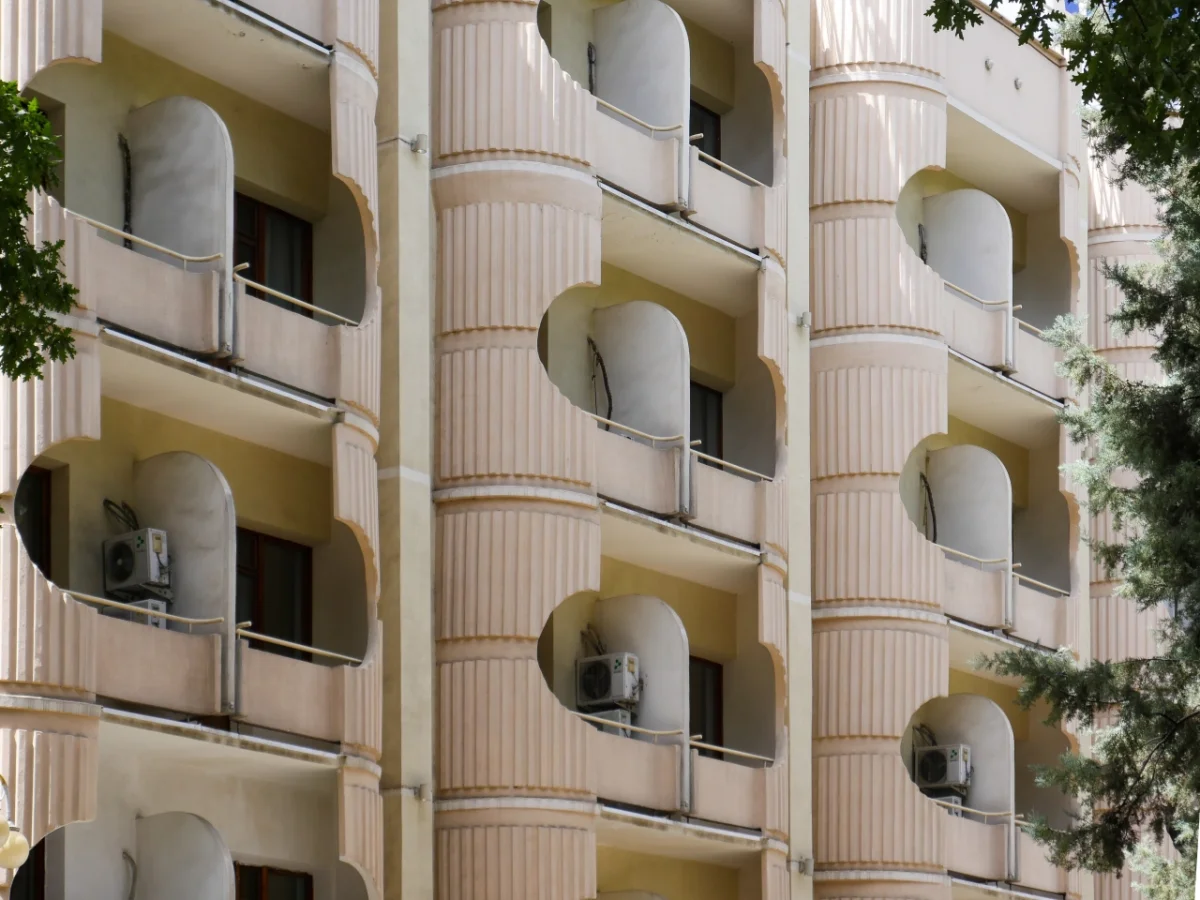
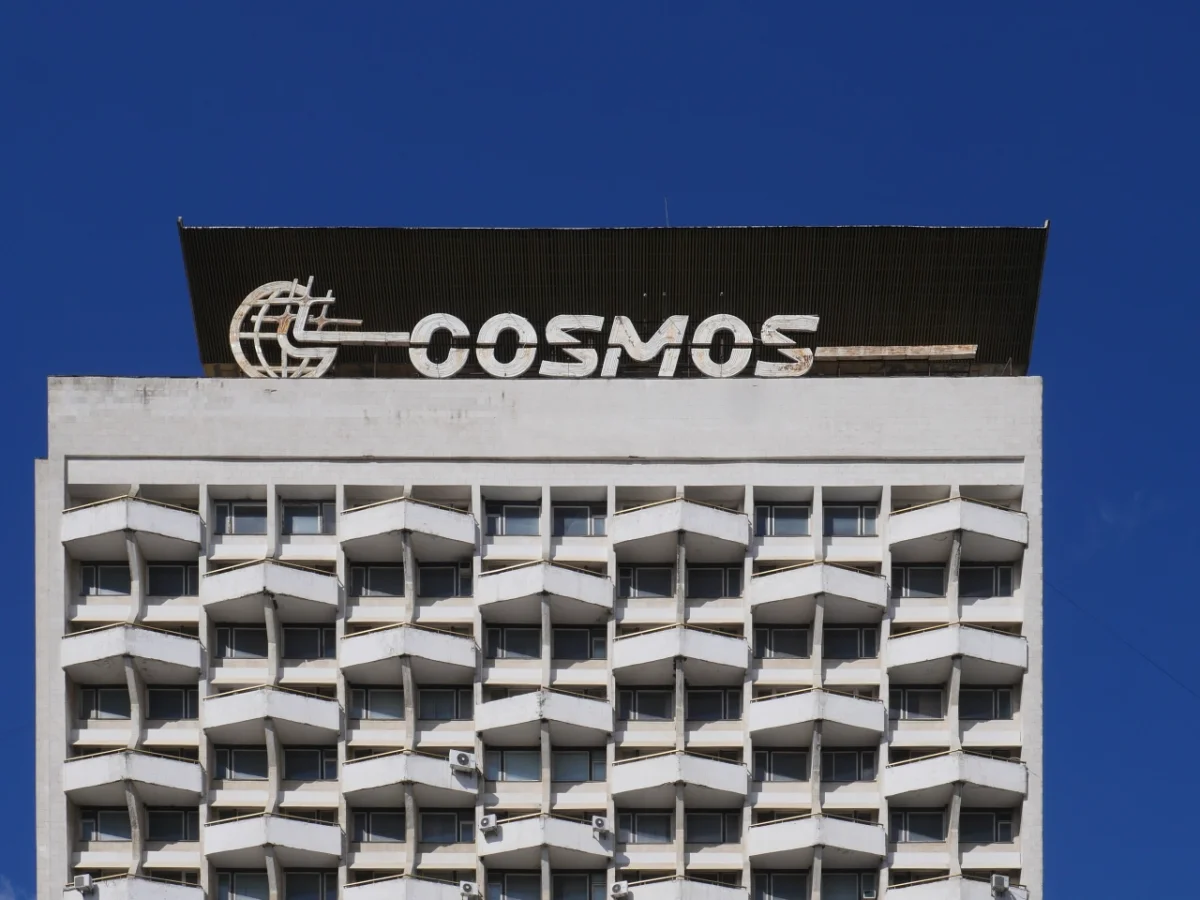
Amabili photographed 153 hotels across 31 countries and territories. The 248-page volume ranges from Albania and former East Germany to Kazakhstan, Tajikistan and Uzbekistan. It is described as the first photography book devoted solely to hospitality architecture in Eastern Europe and the post-Soviet region. That scope gives the images a useful rhythm: each building can be read on its own, while the sequence also reveals how varied the region’s hotel architecture became.
Monumental facades and daring forms
The book moves between sharply different architectural languages. Stalinist-era Socialist Realism and neoclassical design favored an imposing sense of order and grandeur; the Interhotel in Georgia stands as an example of that tradition. Later, Soviet Modernism brought a change in emphasis. The Hotel Traian in Romania is associated with this turn toward restrained concrete forms, where the structure itself carries much of the visual weight.
That restraint didn’t define the whole story. Some of the most striking buildings make unusual shapes feel integral to their design. The Sevan Writers’ House in Armenia extends out from a rocky lakeside setting, with part of the structure supported by a single concrete leg. The Hotel Druzhba, overlooking the Black Sea, rests on large columns and has the silhouette of a spacecraft. These designs use position and structure to create drama: the building’s relationship to the landscape becomes part of the experience of looking at it.
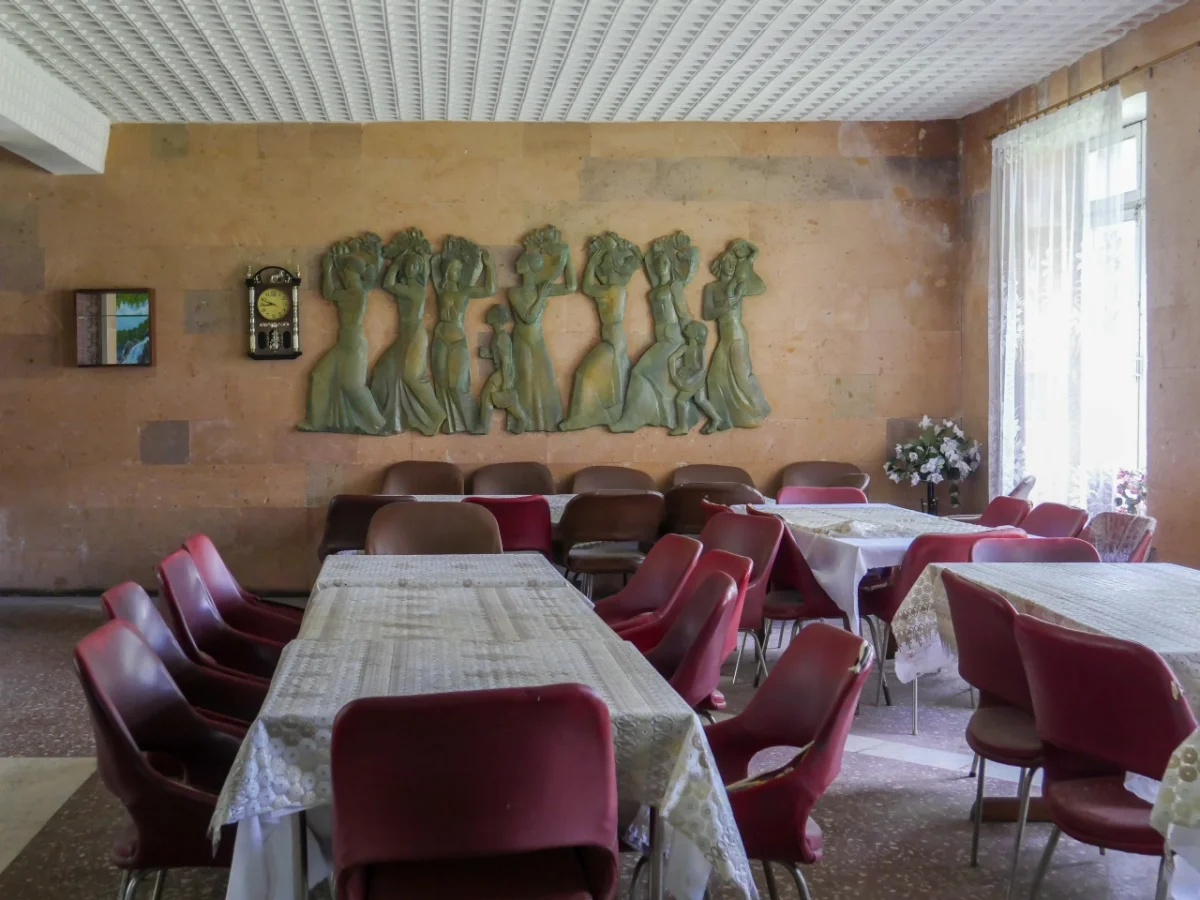
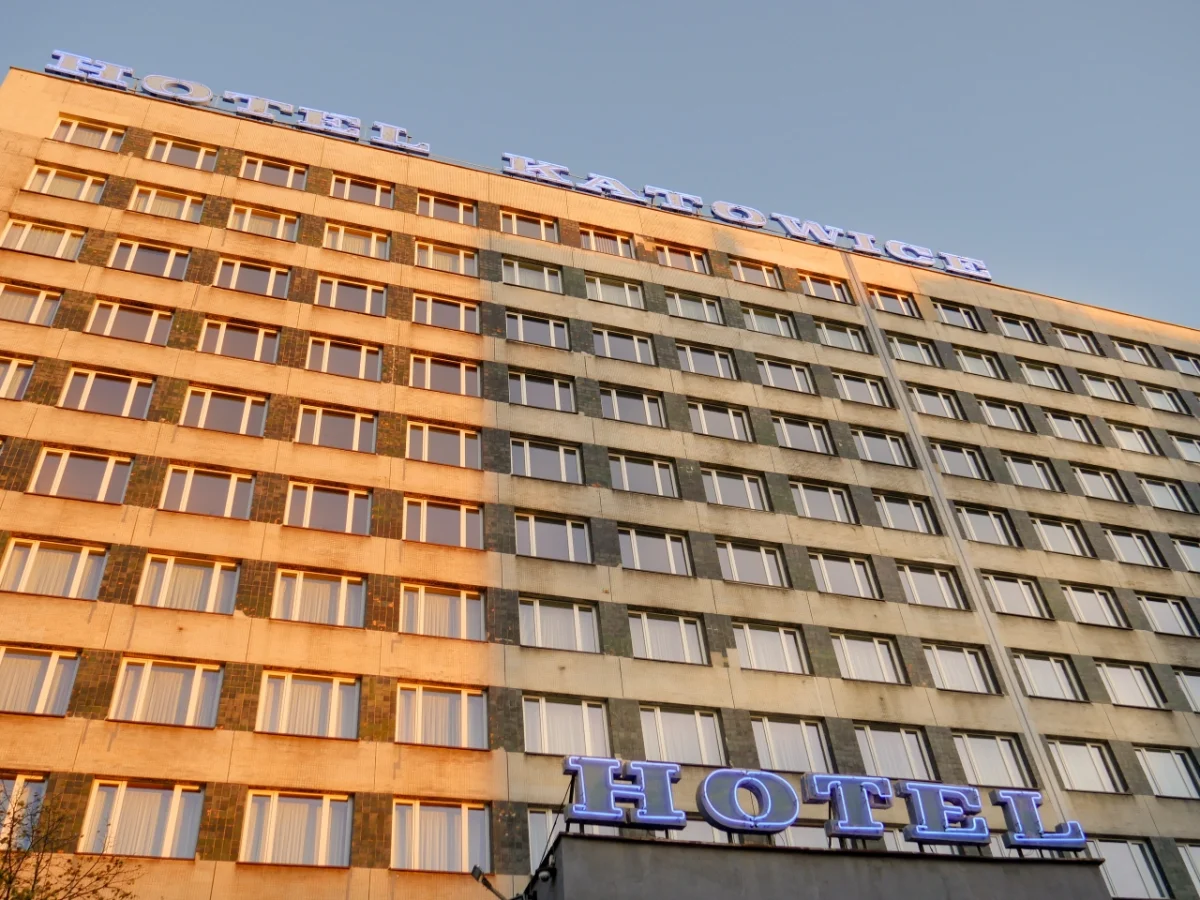
The interiors matter as much as the exterior silhouettes. A dining room at Hotel Karap in Armenia pairs terracotta walls and burgundy chairs with a large green sculptural relief. It’s a dense composition of color and ornament, with the artwork becoming a focal point above the tables. Elsewhere, the variety of facades—from patterned concrete to sculptural detailing—shows how each building establishes its character before a visitor steps inside.
What a photograph preserves
Food and travel writer Caroline Eden contributes an introductory essay, drawing on her own stays in several of the hotels. Her memories add a human scale to the architecture: a “floor lady” watching the stairs for improper activity, and bath plugs that were “and still are, seldom supplied”. These details describe the routines and small frustrations of a stay, as well as the buildings’ more photogenic features.
Eden’s account of staying in the more dilapidated hotels—as “a bit like how I imagine sleeping in a museum would feel: not exactly comfortable but intriguing”—gets at the book’s tension. A hotel can remain compelling as a design object even when its facilities have aged. That gap between visual ambition and everyday comfort helps the reader understand these places as lived environments, rather than treating unusual architecture as spectacle alone.
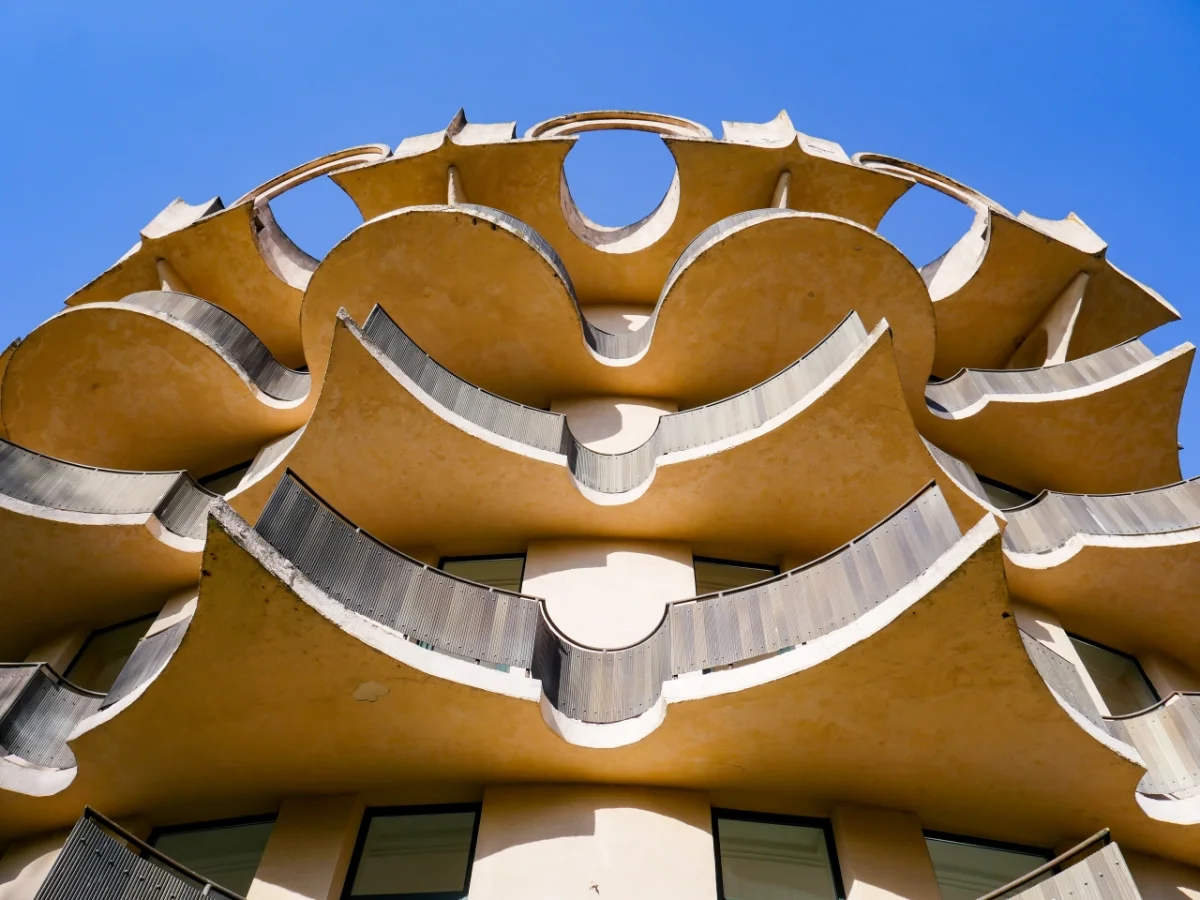
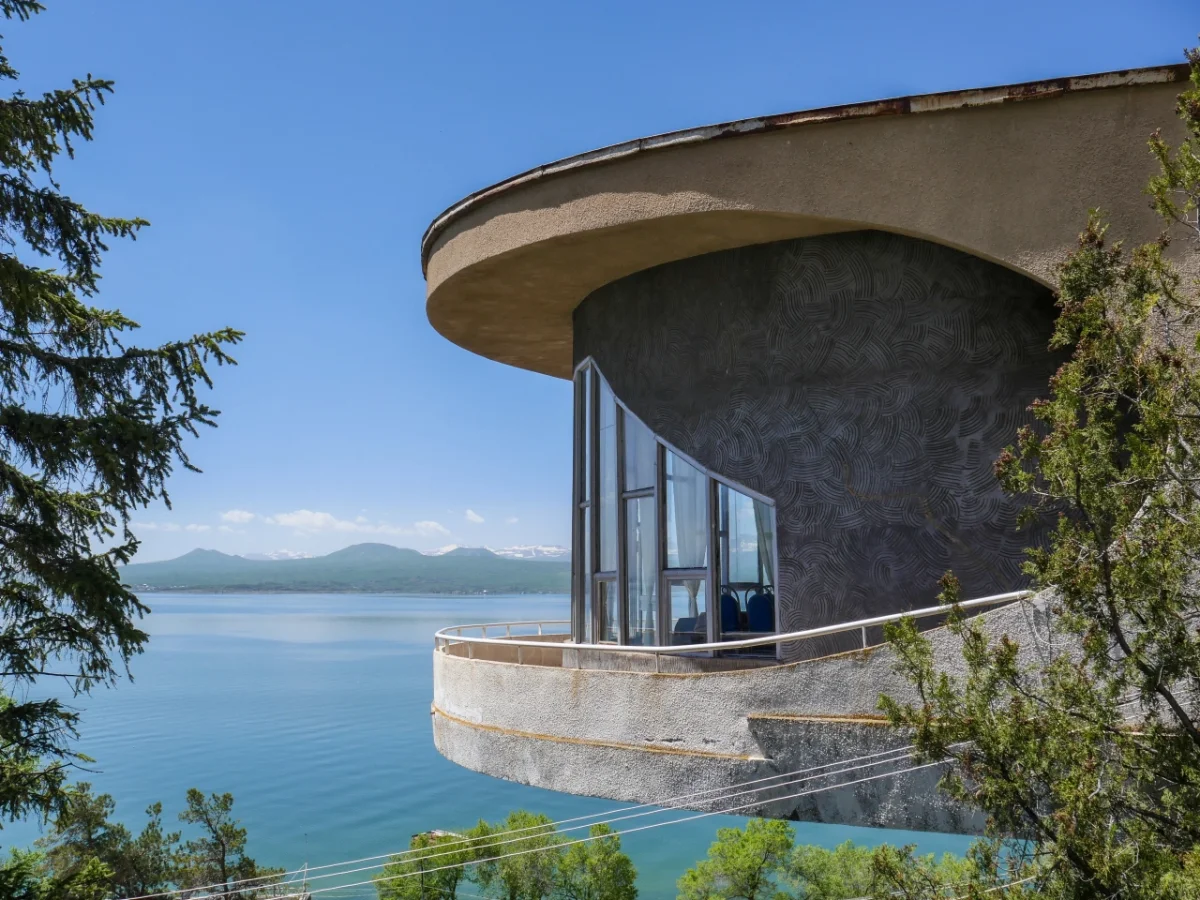
Amabili’s photographs give designers a broad visual reference: repeated window patterns, expressive structural supports, bold color in shared spaces and buildings shaped around dramatic sites. The collection also encourages a closer look at the choices behind each image. How does a facade establish scale? What happens when a building’s supports become its defining feature? How can an interior’s artwork and furniture reinforce the character of the architecture?
Those questions carry particular weight because many of the hotels are being modernized beyond recognition or demolished. The book records what remains at this moment, preserving details that future renovations may erase. For designers, it offers more than a gallery of striking shapes: it’s a reminder to document buildings as complete experiences, from their place in the landscape to the rooms, furnishings and habits that give them life.
Socialist Hotels is published by FUEL.