Tuesday, October 20, 2026 · UX & UI Design
Halfdan Returns in VisitOSLO’s Winter Musical, “It’s Totally Even a City”
Noted by Katy Cowan · 560 reads
VisitOSLO and NewsLab bring back Halfdan for a snowy Christmas musical, shifting the deadpan Oslo film into a new season and format.
Halfdan’s winter return gives VisitOSLO’s Oslo story a different shape: the familiar deadpan local now has snow underfoot and a song to sing. “It’s Totally Even a City” turns the city’s quieter months into the setting for a Christmas horror musical, keeping the dry humour of the 2024 film while changing its visual and musical language.
The first film, “Is It Even a City?”, introduced Halfdan as a gloomy resident explaining why nobody should bother visiting Oslo. Released in summer 2024, the film’s sincere-sounding objections worked as an invitation by reverse psychology. It drew more than 25 million organic views across multiple platforms and made the Norwegian capital a subject of curiosity for people who hadn’t previously considered a trip there.
For the follow-up, the brief shifted to winter, which VisitOSLO describes as the low season from November to March. Halfdan is still unconvinced about his home, but the film gives viewers a different view of the city: snow-covered streets and hills, winter light, and activities that extend beyond the familiar Christmas market imagery. In its launch week, the sequel collected more than five million organic views.
That change of season could have meant repeating the original’s premise against a white backdrop. The creative team chose a more substantial turn instead. Oslo-based agency NewsLab produced the film, with August Jorfald directing again. NewsLab managing director Linn Isaksen says the team wanted to avoid simply remaking the first film for winter. Its answer was to make the sequel a musical, giving the returning character a fresh device and the city a new rhythm.
Isaksen says the team has been humming the song for months. That detail points to the format’s main gamble: the music needs to be memorable enough to carry the joke, while the filmmaking preserves Halfdan’s understated delivery. The horror Christmas framing supplies a familiar seasonal genre to play with, but the central character remains the same reserved guide. The sequel’s appeal rests on that combination of recognition and surprise.
“Audiences have been asking for more Halfdan, so it felt right to bring him back,” says Thea Gunnes, head of communications and marketing at VisitOSLO. She says the new film keeps his gloomy outlook but puts it in a different season, one that is traditionally less popular with visitors. Gunnes also points to Oslo’s depth of stories as a reason the team could make a sequel without exhausting the idea.
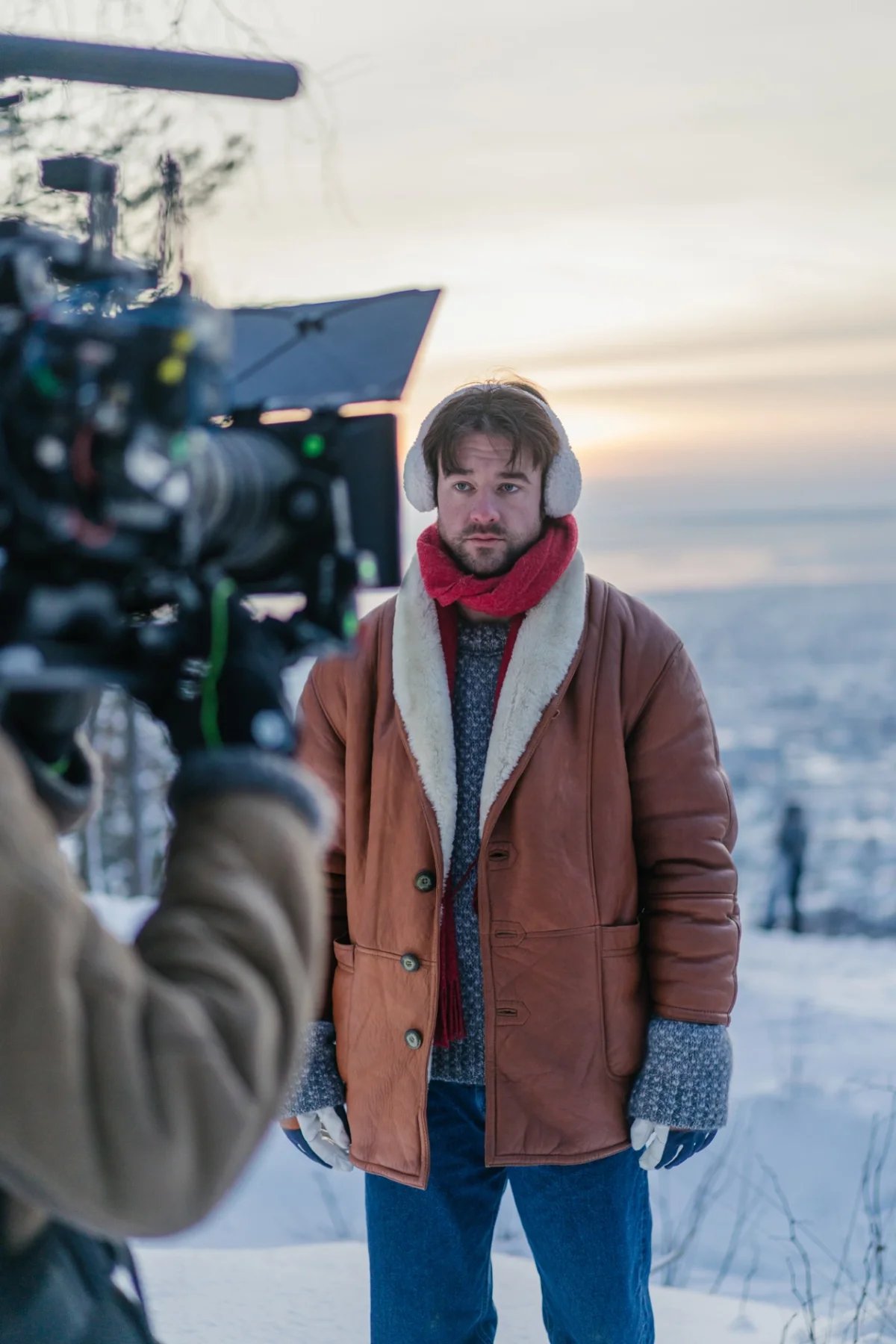

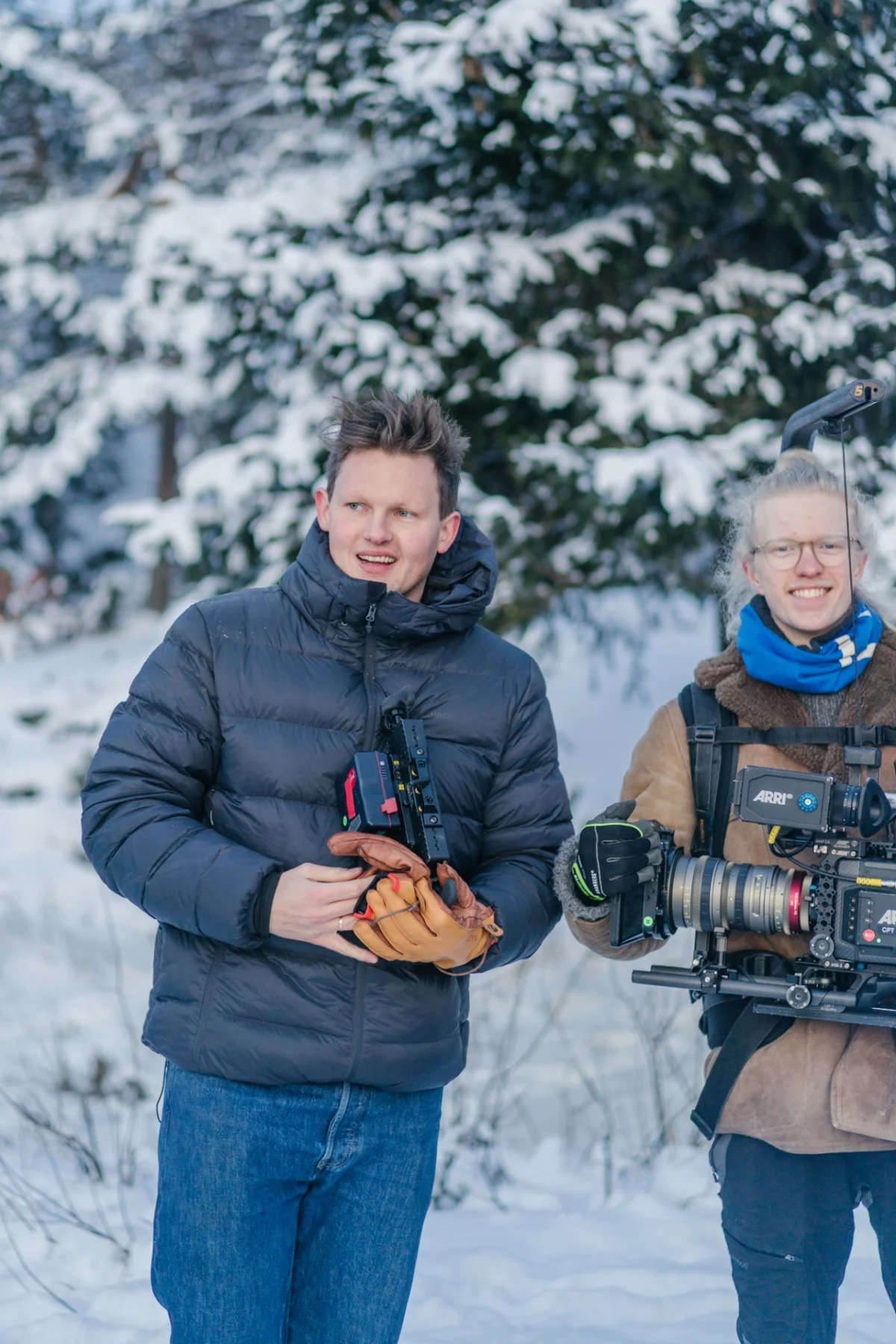
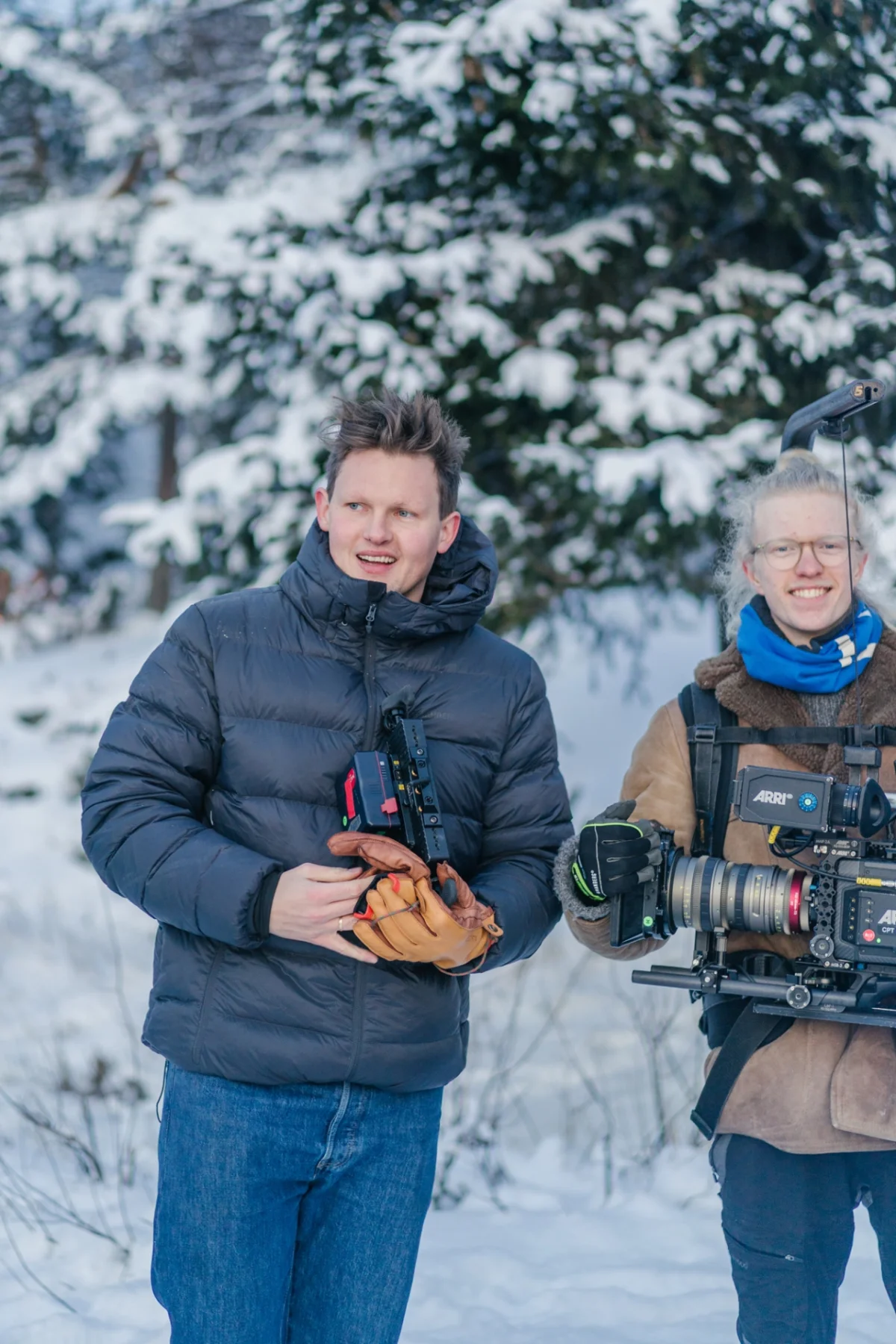
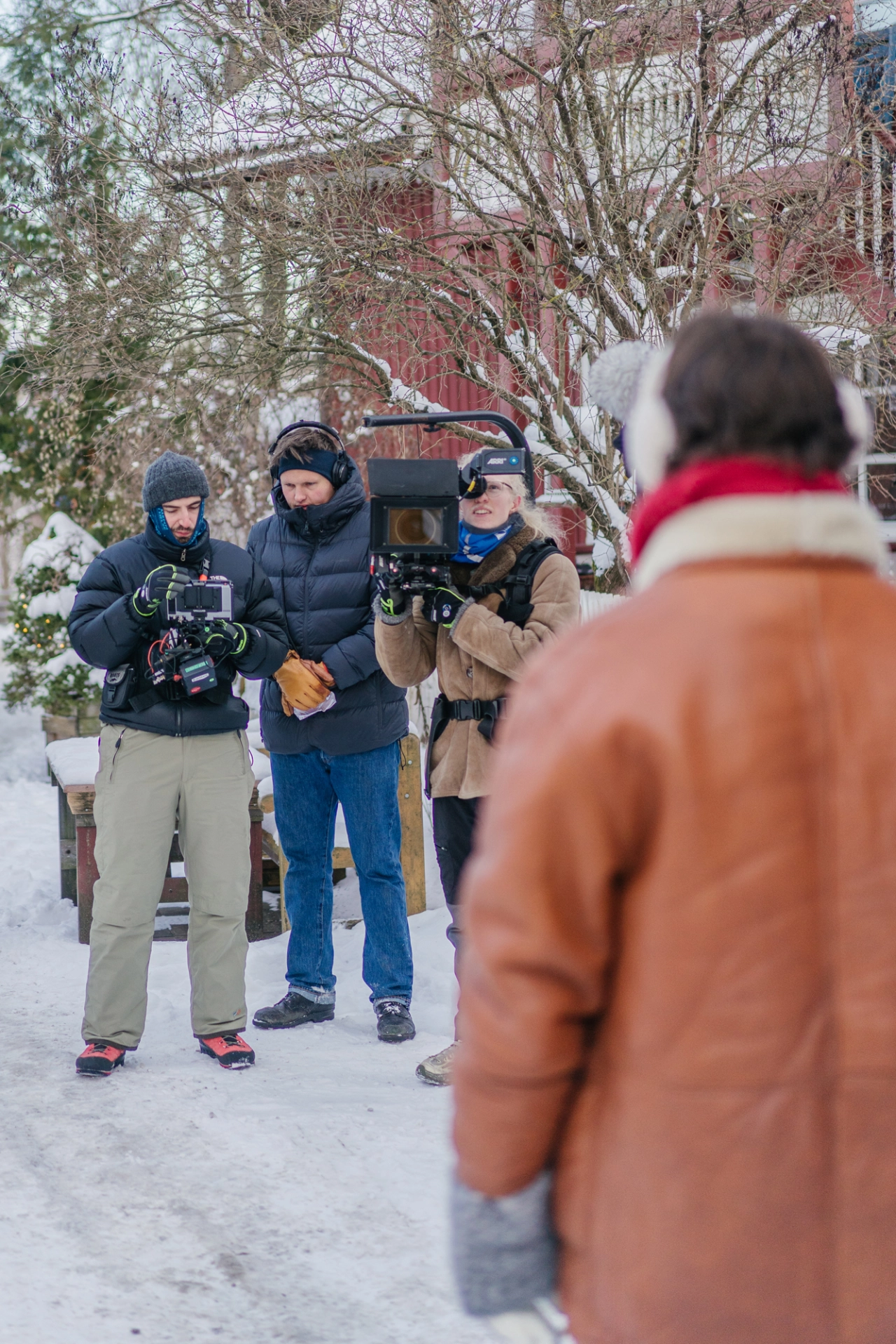
The photography makes the change of setting do useful work. The supplied production images show the crew filming among snow-covered trees and on winter streets, while another frame looks out across Oslo from a hillside at sunset. These locations give the city more visual range than a sequence built only around decorated shopfronts: the urban scenes sit alongside forests and open views, placing winter activities close to the city itself.
Bendik Aunan returns as Halfdan. The film’s composition and framing are striking, and Aunan’s performance keeps the character’s humour quiet rather than broad. The song adds another layer without erasing the restrained tone that made the first film distinctive. That balance matters in a sequel: a new format can make a returning idea feel alive, but only if the character still behaves like himself.
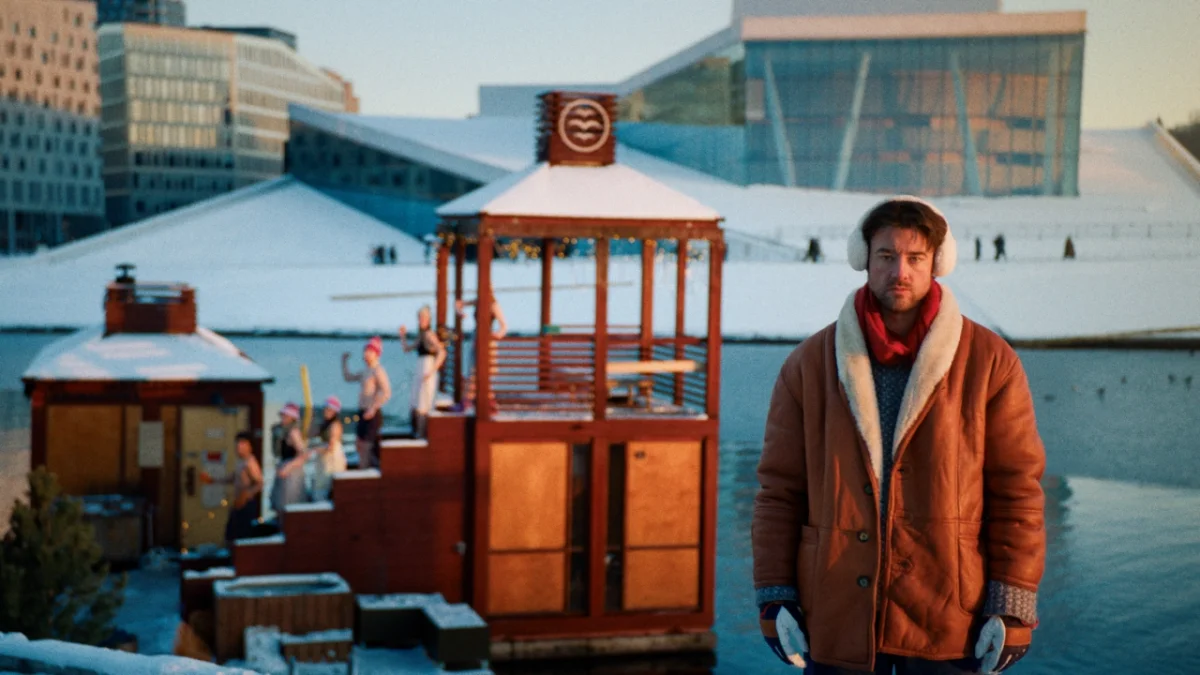
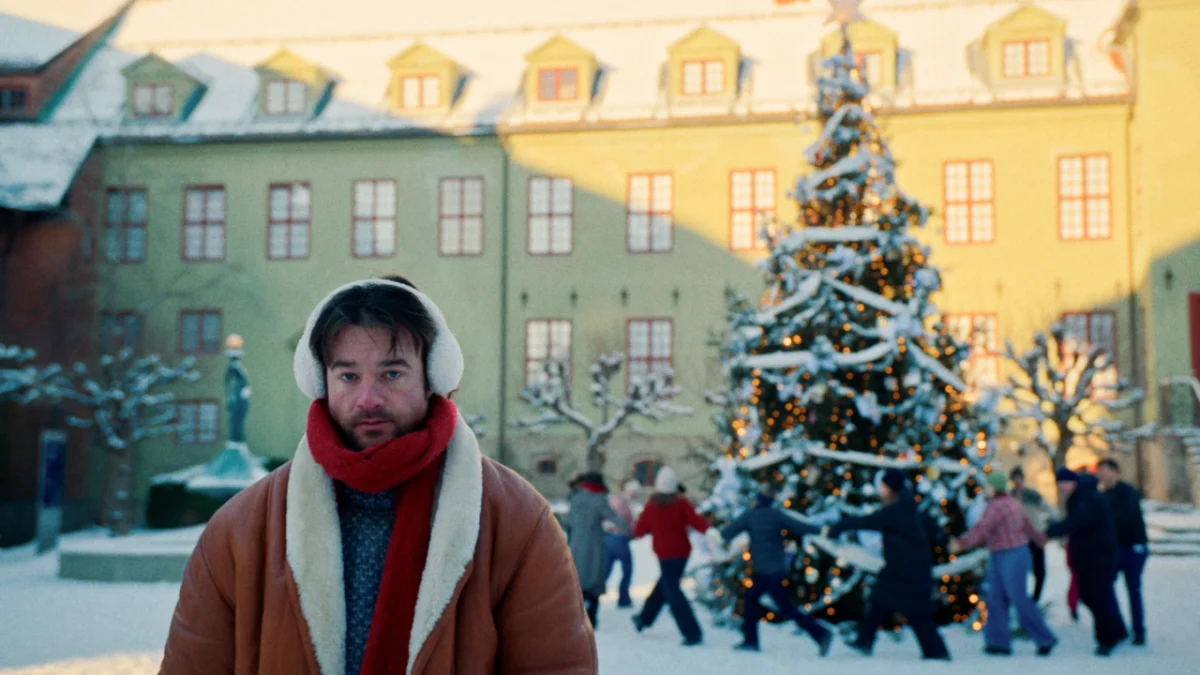
For viewers considering the trip the film is selling, its Oslo is more than festive lights and warm cafés. The city’s winter offer includes floating fjord saunas, winter swimming, cross-country skiing and sledging in nearby snow-covered forests. The combination gives the film a practical visual argument: a city break can include time outdoors as well as the usual seasonal comforts.
The source of the humour remains Halfdan’s reluctance to act as a guide, even as the film displays the things a guide might usually praise. VisitOSLO has also published Halfdan’s Winter Guide to Oslo, including the lyrics to his song. For designers and creative teams, the sequel offers a clear example of extending a recognisable character by changing the format and setting together. The winter film keeps the original’s dry point of view, then lets the song and snowy locations make the case for a different side of Oslo.