Wednesday, October 21, 2026 · UX & UI Design
Creative Boom Returns to Adobe MAX in Miami After 11 Years Away
Noted by Katy Cowan · 593 reads
Creative Boom’s founder returns to Adobe MAX in 2026, bringing a journalist’s questions and a decade of growth in independent publishing.
After 11 years watching Adobe MAX from a screen in Manchester, Creative Boom founder Katy Cowan is heading back to the conference in person. The invitation to Miami brings a welcome chance to report from the room again, but it also raises a familiar question: how can a journalist cover a major software company with both fairness and independence?
Cowan’s relationship with Adobe stretches back nearly two decades. Creative Boom has covered the company’s tools and the creative people who use them since the site launched in 2009. Some coverage has been sponsored, helping fund the publication, and Adobe has supported its podcast and small team through editorial partnerships. Cowan says the people she’s worked with have been friendly and professional. That history, though, doesn’t remove her responsibility to report honestly, including on subjects such as subscriptions and Firefly.
From a side project to the conference floor
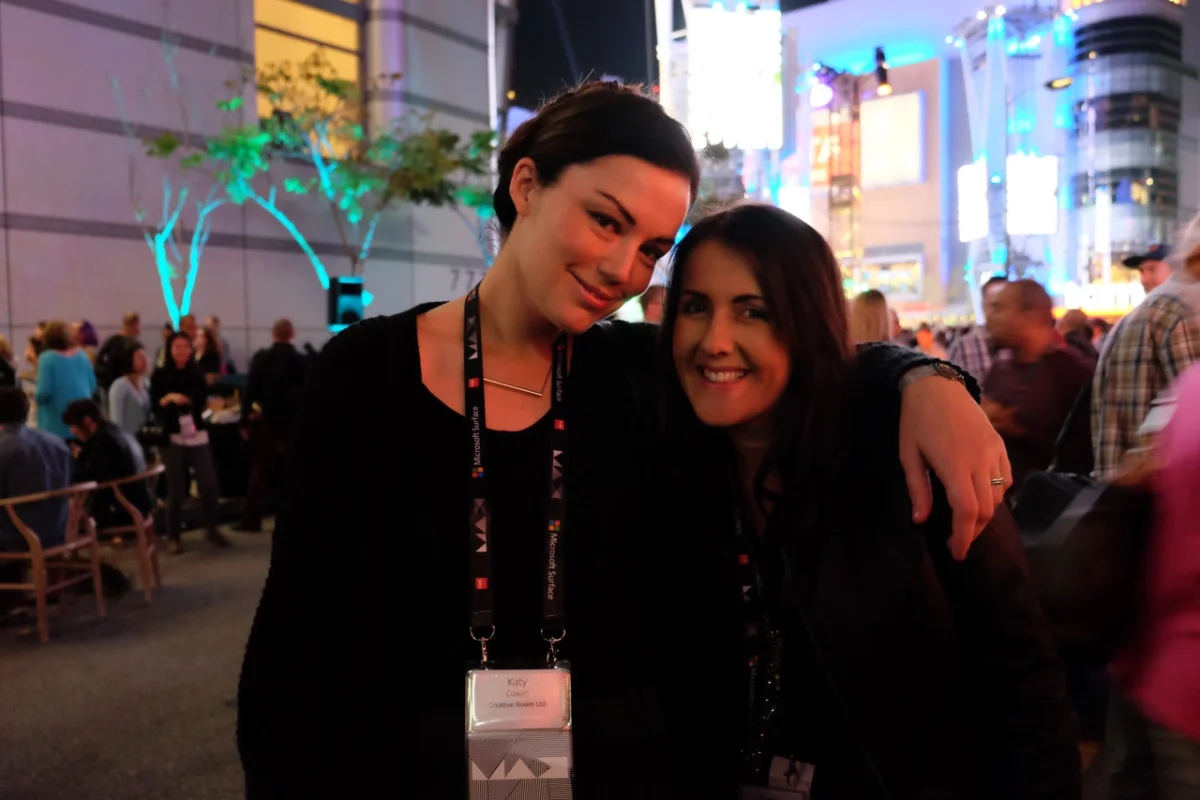
Her first MAX took place in Los Angeles in May 2013, when Creative Boom was four years old and still a side project. Cowan recalls feeling as if she’d found her way into a room where she didn’t quite belong. The event proved consequential: Adobe said it was ending Creative Suite and moving to the subscription-based Creative Cloud. The news sent journalists rushing to file their stories.
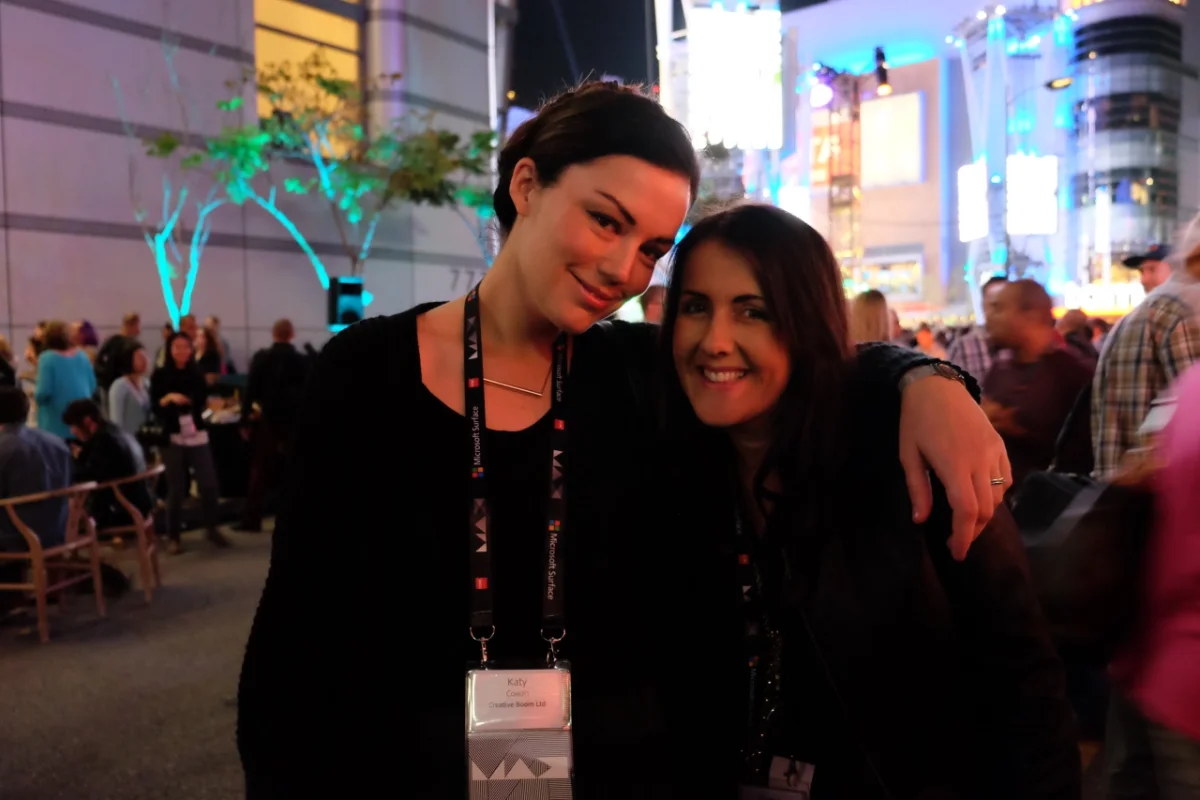
By Cowan’s next visit in 2015, MAX had grown into a festival, with keynotes, Sneaks and celebrity guests. She met Tom May, who has written for Creative Boom for more than a decade, along with former Design Week editor Tom Banks and technology journalist Ashleigh Allsopp. The experience left her expecting to return the following year.
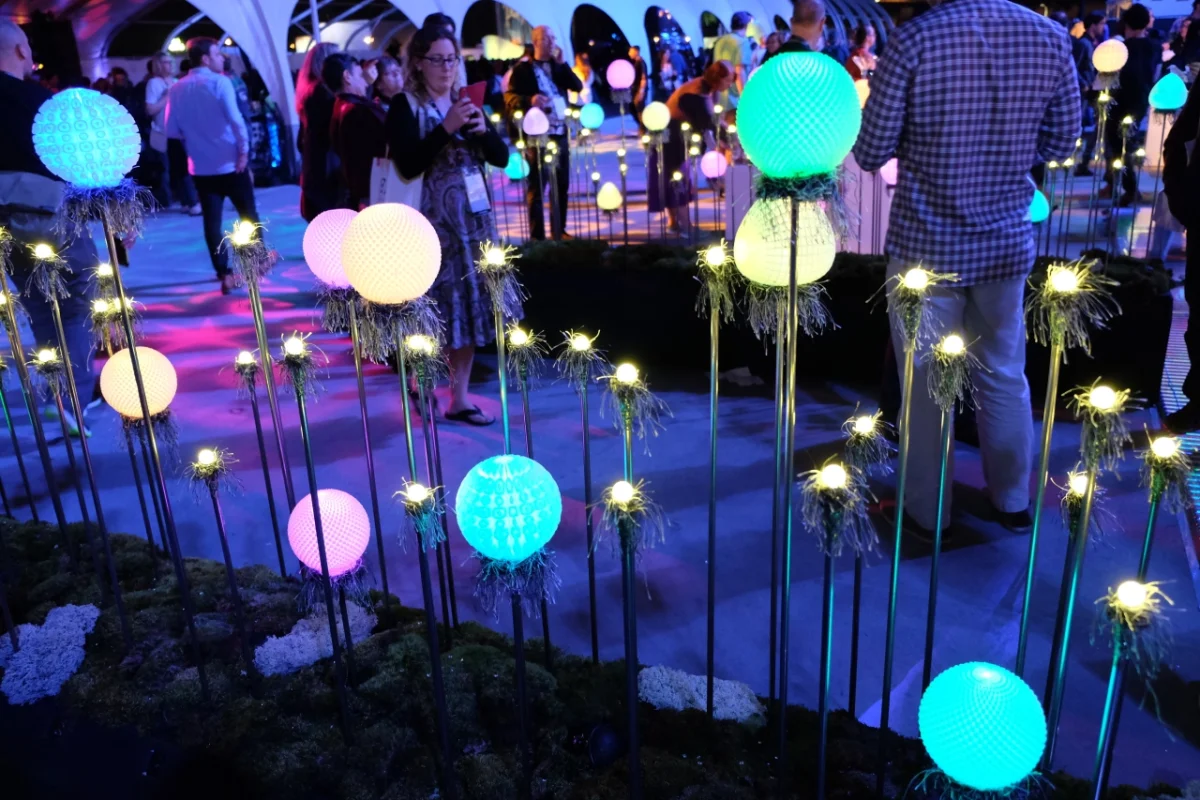
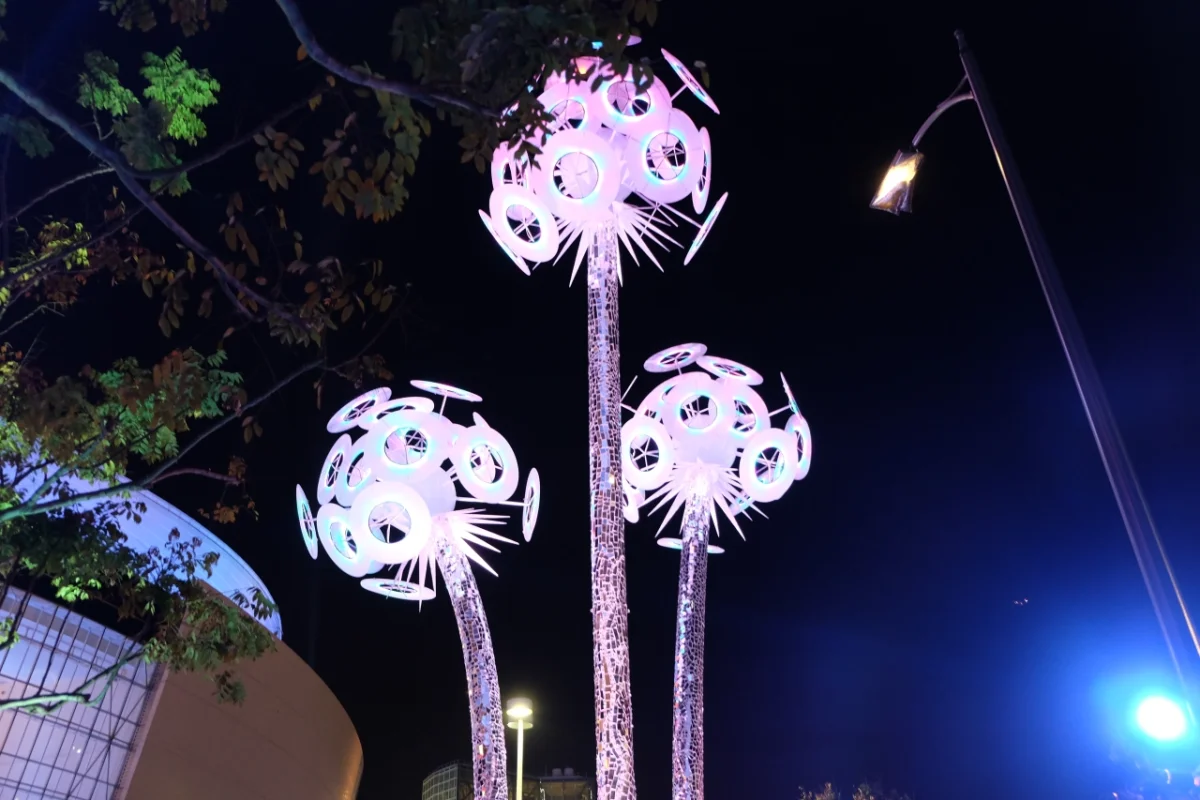
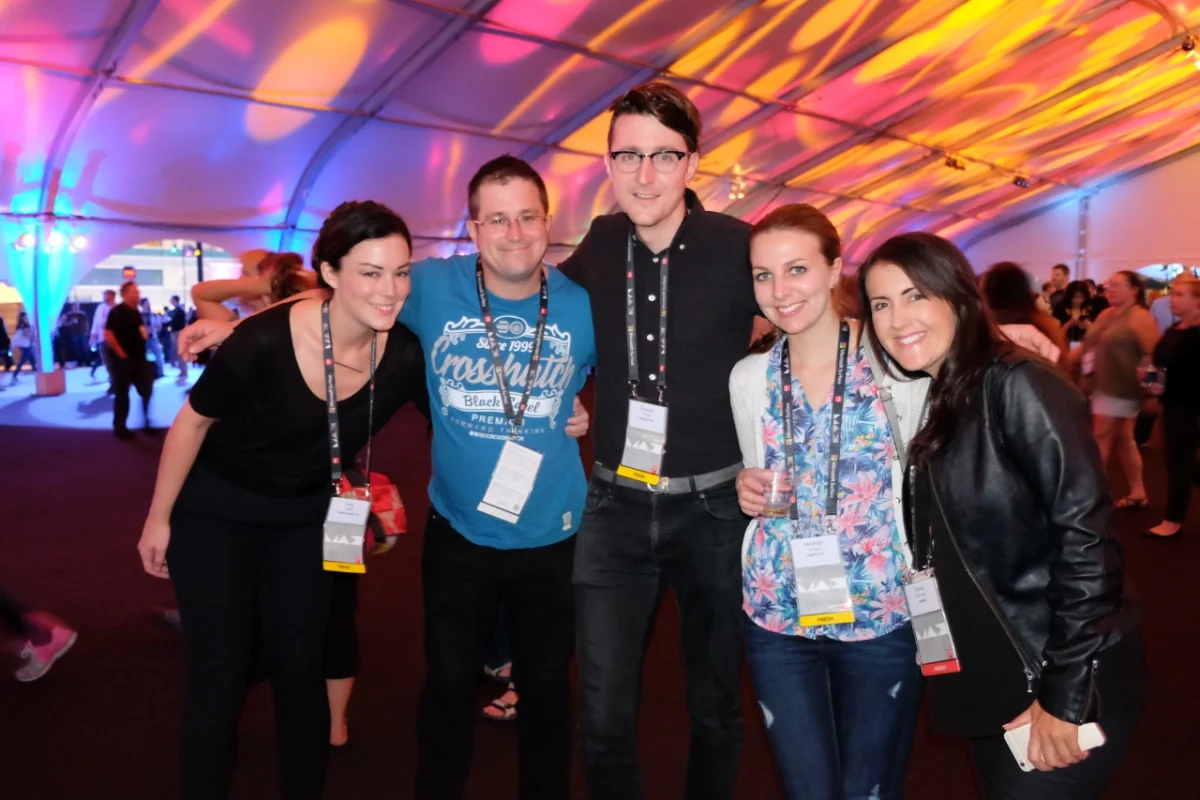
Why the invitations stopped
After 2015, the invitations didn’t continue. Cowan jokes about possible explanations, from dancing with a cardboard pig’s head to a fully clothed Baywatch re-enactment, but thinks the real reason was a shift in marketing strategy. At the time, Creative Boom had no Instagram, YouTube channel or podcast. It published words and pictures, while creators with large video audiences offered brands a different kind of reach.
By around 2016, companies such as Adobe were increasingly inviting creators. A creator could be briefed and guided towards particular topics; an independent journalist couldn’t be managed in the same way. Cowan understands why brands made that choice, even as it meant smaller publications had less access. For the next 11 years, she followed MAX online from Manchester.
The lack of contact gradually changed what Creative Boom covered. Cowan says the disappointment wasn’t directed at the Adobe staff she’d met; it came from the silence and the slow drift that follows when a working relationship goes quiet. The publication continued to feature Adobe, but its attention naturally moved elsewhere.
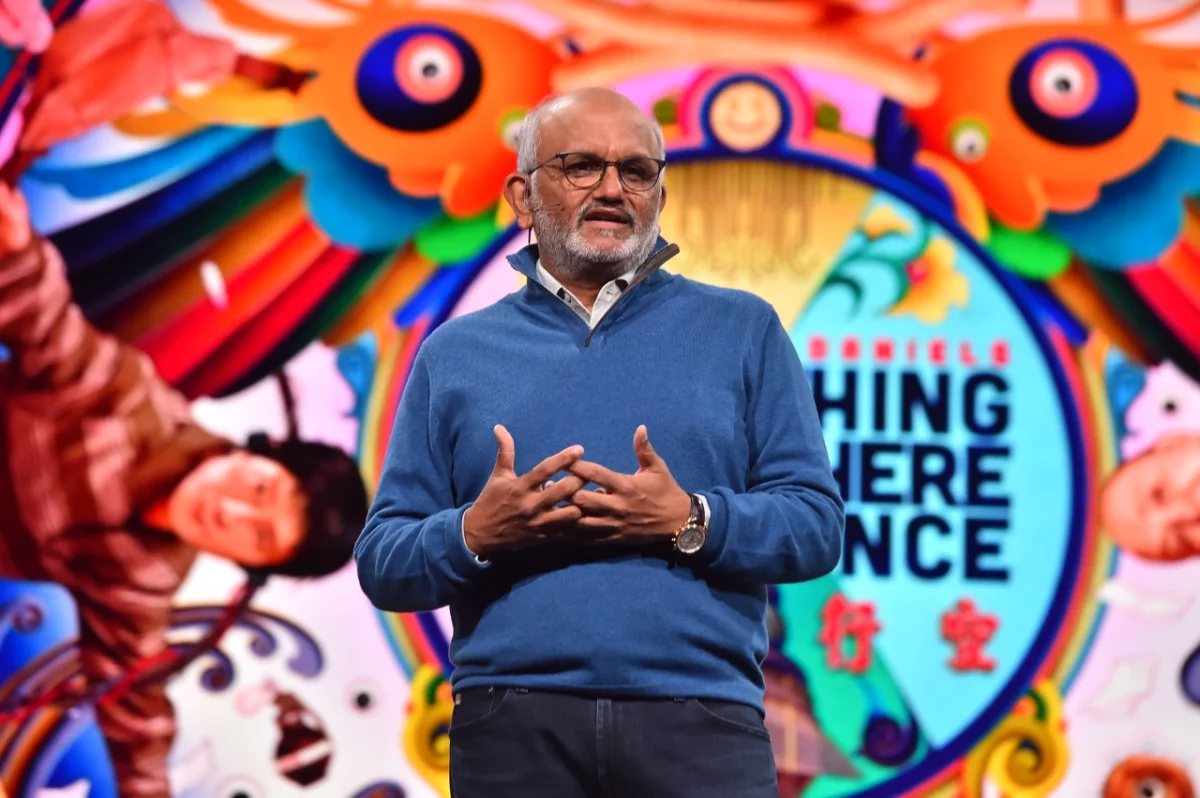
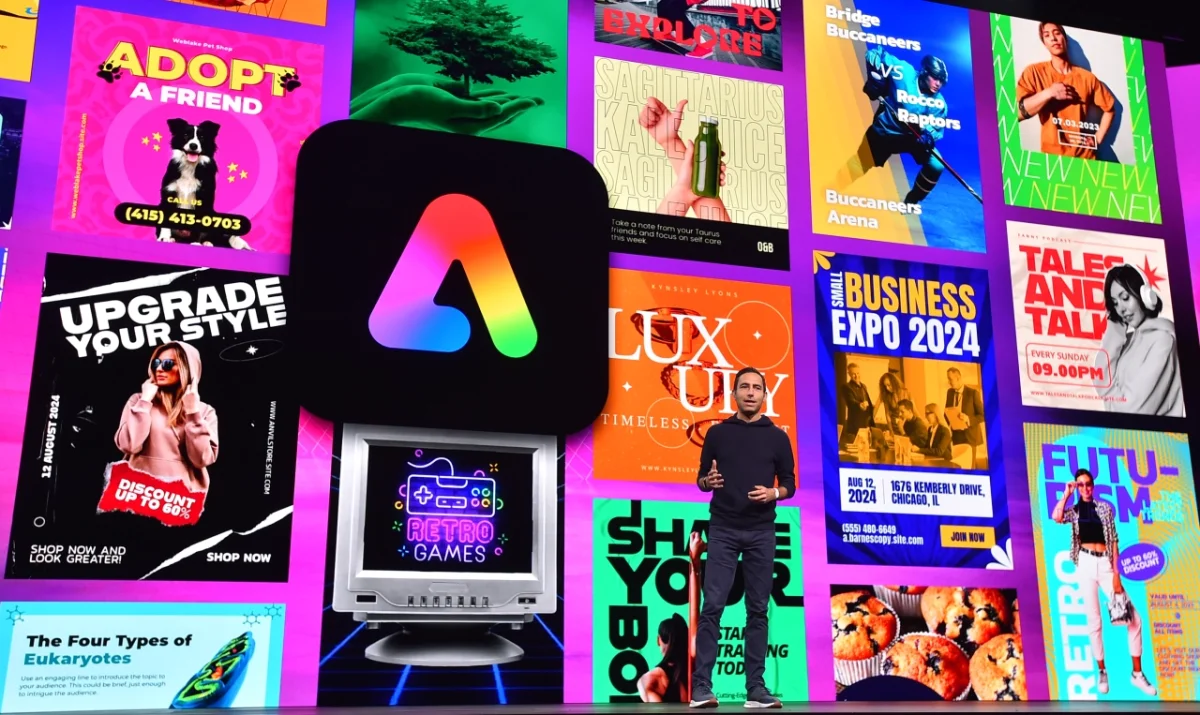
A return with questions
Creative Boom has changed since Cowan last attended. It now has a podcast and an active community, giving the publication a broader presence than its early web pages. That growth may help explain the renewed invitation, though she’s clear she doesn’t know Adobe’s reasoning. She also sees a moment when independent reporting could matter more: AI can reproduce software features, while credible coverage can help creative teams make sense of what tools do and how they affect the people who make them.
Cowan’s views on Adobe are considered rather than unconditional. She saw the move to subscriptions as a sensible response to the pace and expense of developing software, and considers Adobe’s products good value. She knows freelancers and other creatives disagree, which is one reason Creative Boom regularly covers alternatives.
She also values Adobe Stock’s clear licensing terms, which give an independent publisher confidence when sourcing images. And when AI was used to clone Adobe’s apps, her first thought was about the thousands of people employed by the company and what that change could mean for them. That concern doesn’t rule out criticism. Cowan has written about Canva and argued that Adobe benefits from healthy competition.
Her hope for Miami is straightforward: more access for journalists, occasional press breakfasts and opportunities to speak with people leading the work at Adobe. She’ll arrive ready to ask questions and to report critically where the facts call for it. The conference is a chance to understand what the company is making and how its choices matter to creative professionals, during a period Cowan describes as exciting, disruptive and uncertain.
She’s also curious about the people in the room. Alongside reporting, she plans to bring a microphone and camera, record short interviews and meet creatives from around the world. The return will combine the close observation of a reporter with the energy of an event that’s also a gathering place for the industry.
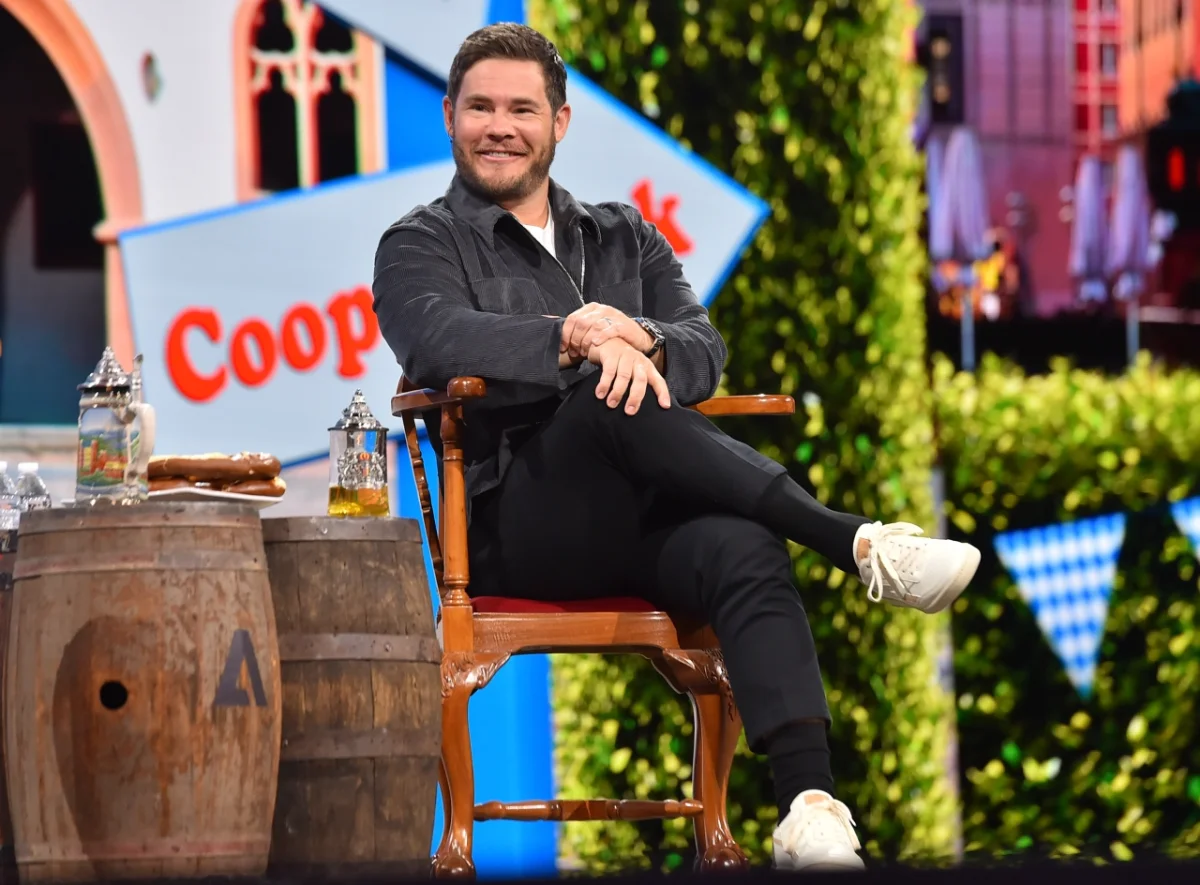
What to expect in Miami
Adobe MAX 2026 runs from 10 to 12 November at the Miami Beach Convention Center. Pre-conference training is scheduled for 8 and 9 November, with Sneaks on the evening of Wednesday 11 November. The programme is expected to include a keynote covering Firefly and other Adobe updates, the Creativity Awards ceremony and hundreds of sessions. Cowan is waiting to see the full schedule.
People who can’t travel to Miami can register to watch online for free. Keynotes and many sessions will stream on 10 and 11 November at max.adobe.com.
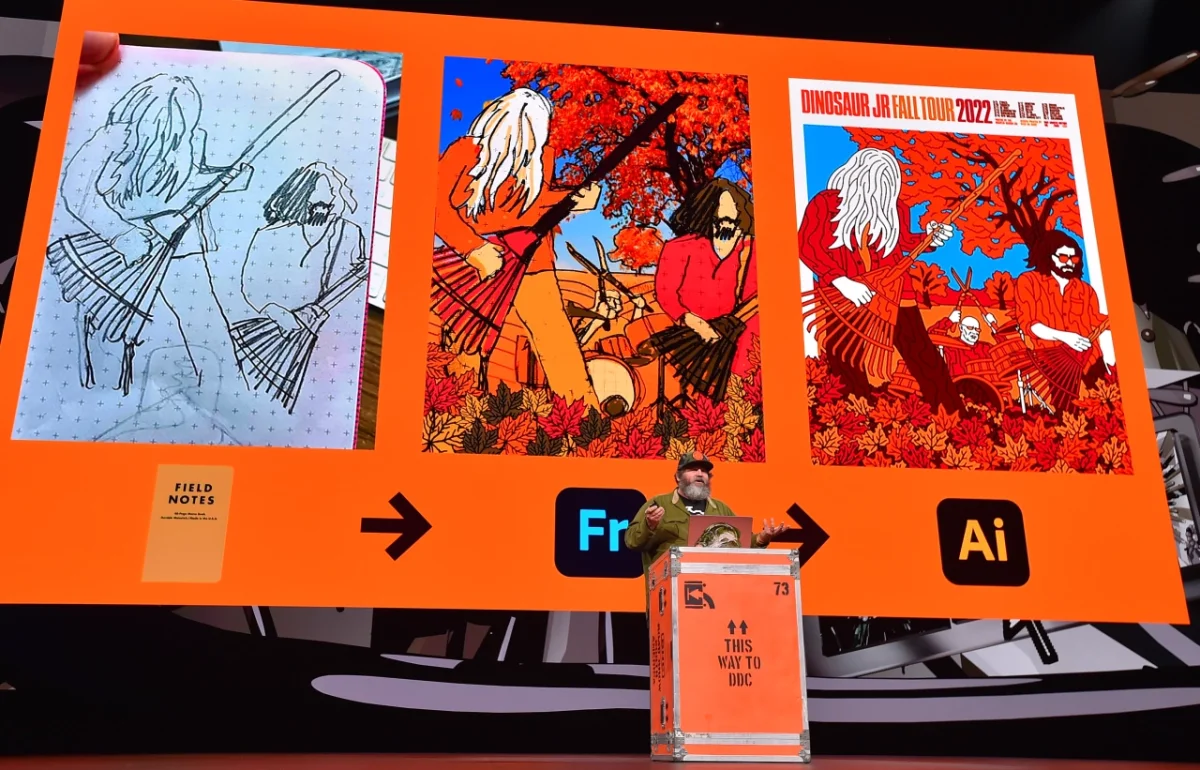
Creative Boom’s scale today is a long way from the side project Cowan took to Los Angeles in 2013. Its podcast has passed a million downloads, its online community meets every day, and its events include hundreds of meetups around the world, from New York to Hong Kong. The publication reaches more than a million creatives each month, after a decade of mistakes and difficult work building an independent operation.
Cowan returns to MAX with that experience behind her: open to inspiration, alert to the decisions Adobe makes, and ready to share what she learns. Miami offers the rare chance to replace remote viewing with conversations and reporting on site. She’s looking forward to seeing old colleagues, meeting new faces and, as she puts it, causing a little mischief.