Wednesday, October 21, 2026 · Graphic Design
SEA at 30: Bryan Edmondson on a small studio built for lasting design
Noted by Katy Cowan · 606 reads
SEA marks 30 years with a silver-edged book, long client relationships and a close-knit team still looking for what to make next.
SEA’s 30th anniversary offers a practical measure of what a design studio can sustain: a team of roughly a dozen people, client relationships that span decades and work its founder still wants to be part of. For Bryan Edmondson, the milestone is a moment to look back, but the appetite to make more work remains the stronger pull.
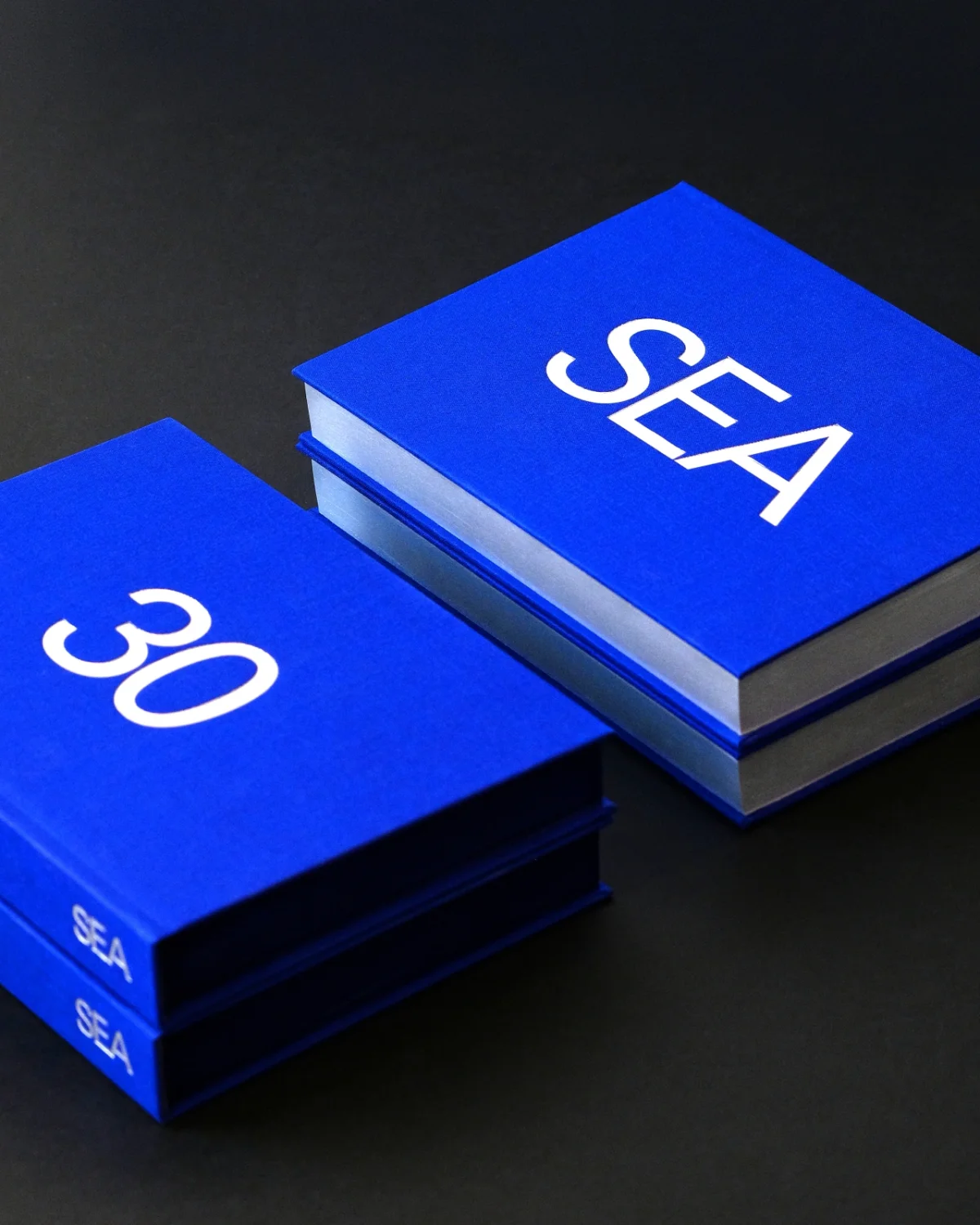
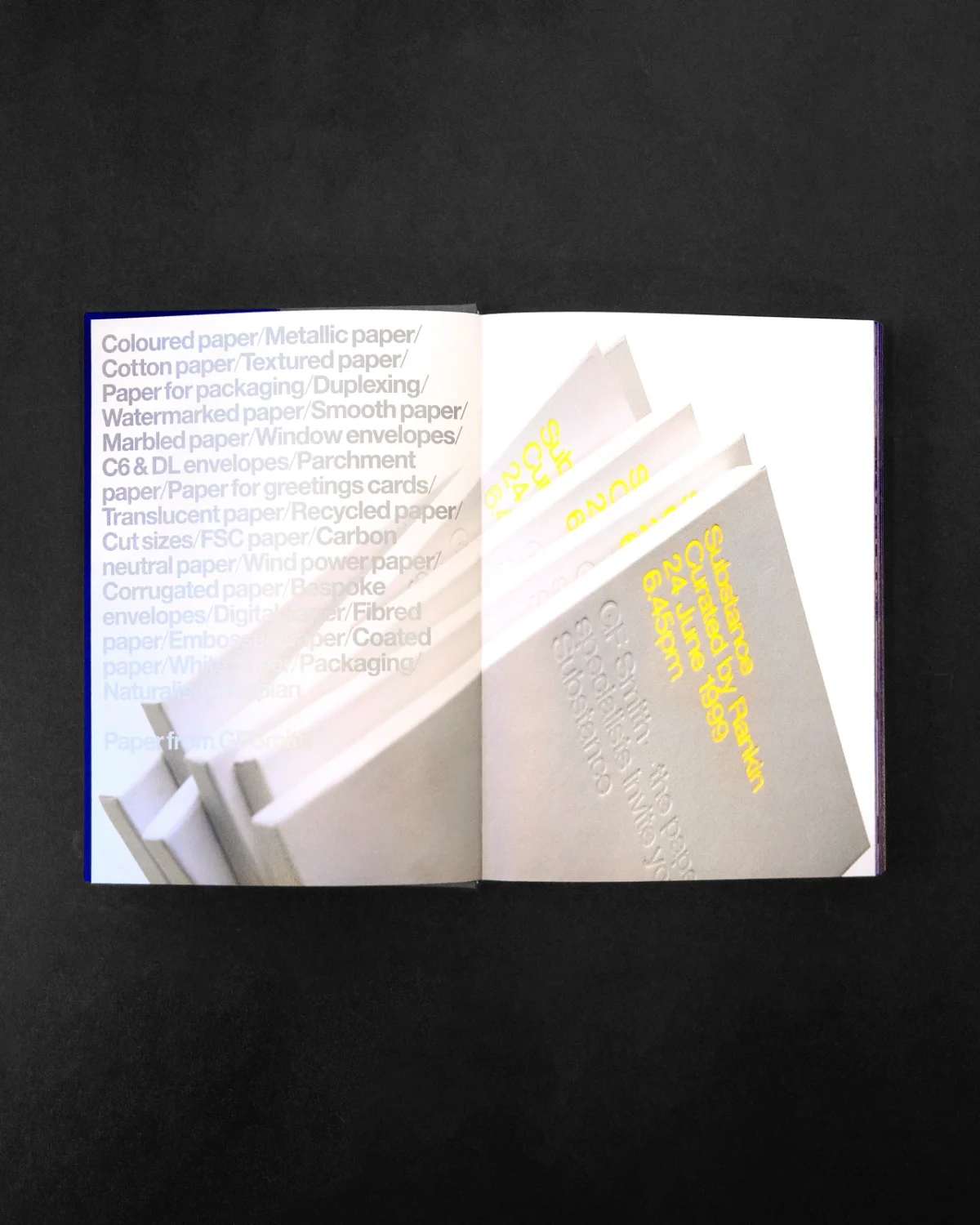
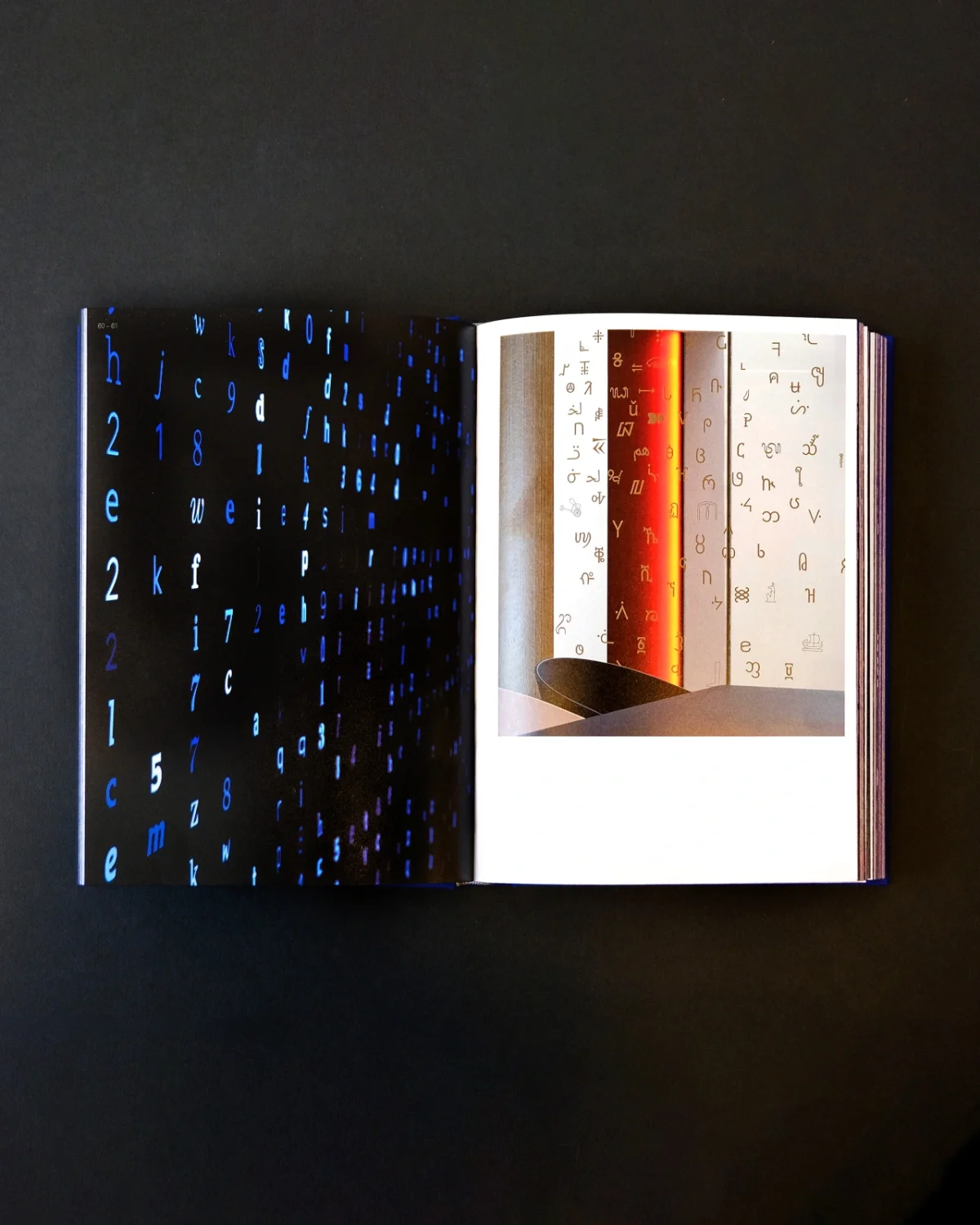
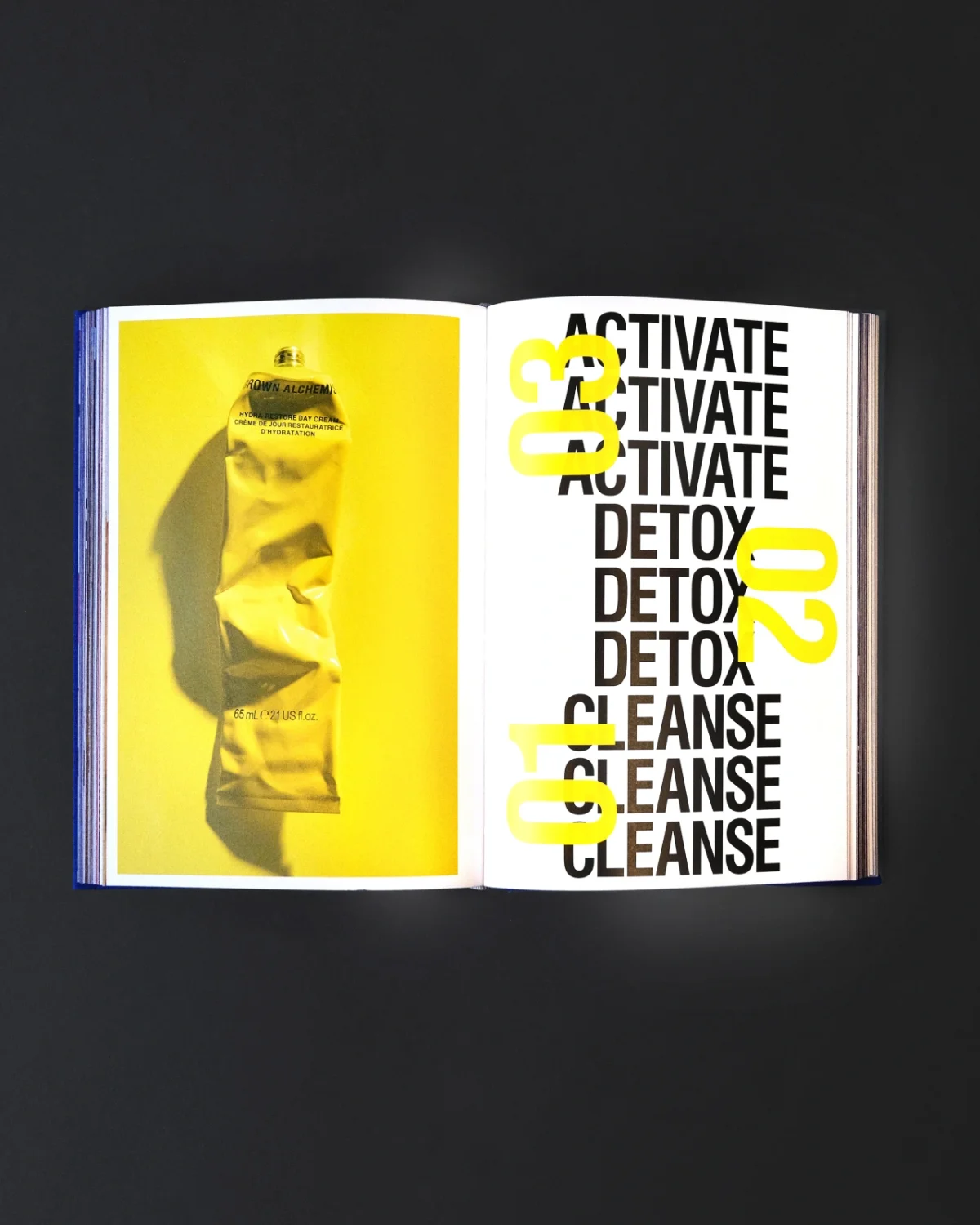
Edmondson founded the London studio in Bermondsey in 1996. Three decades later, SEA is marking the occasion with a 304-page hardback that collects highlights from its visual identity work. Designed and edited by SEA, printed by TEAM and case-bound by Diamond using paper from G.F. Smith, the book has silver-edged pages and comes in 300 numbered copies. It follows books made for the studio’s 10th and 20th anniversaries, extending a habit of taking stock every decade. The studio’s SEA 30 project shares more about the volume.
The book frames SEA’s approach around solving problems through strategy and carefully executed design. That description aligns with the studio’s longer record: the aim, Edmondson says, is to make work that keeps doing its job. One of the details he takes particular pride in is that none of SEA’s identity marks has been redesigned so far. The qualification comes with a grin: “Yet.”
A studio that keeps its scale close
SEA has kept its team at around 12 to 15 people for the past 20 years, and Edmondson stays involved in every project. He’s candid about the fact that colleagues have stronger skills in some areas. His role, as he sees it, is to remain close to the work and set an example through his own contribution. He compares that kind of leadership to David Beckham’s presence on the pitch: not especially vocal, but visible in the work itself.
A compact team won’t fit every brief. Some assignments need more people. But SEA’s size can also make its offer clear. Edmondson recalls a chief executive asking during a pitch whether the people in the room would personally do the work. His answer was that there weren’t many more people waiting behind him. The client agreed to proceed.
The studio’s continuity also shows up in its client relationships. Some have lasted 26 or 27 years, with Regatta among SEA’s oldest clients. Edmondson describes the approach as “for keeps.” Seeing the work in everyday use still gives him “a massive buzz”—especially when he encounters it during his commute and can see that it remains useful.

Relationships carry beyond the studio
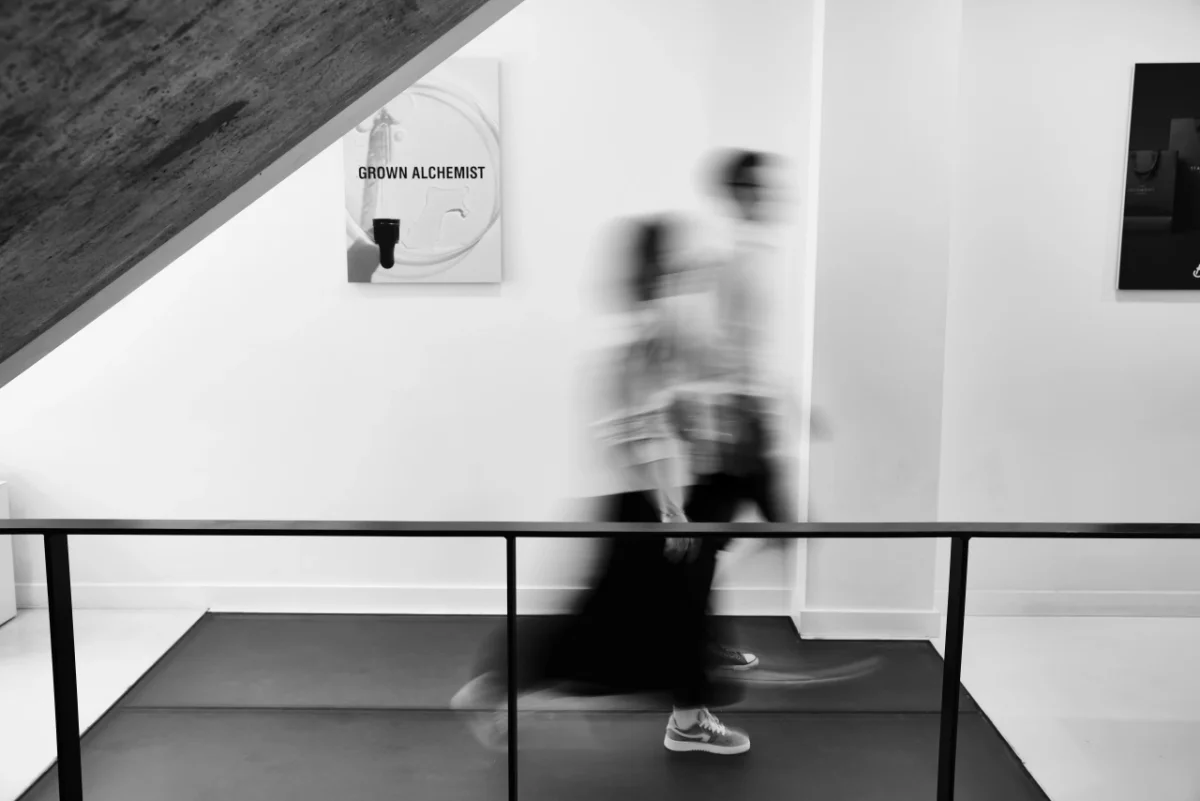
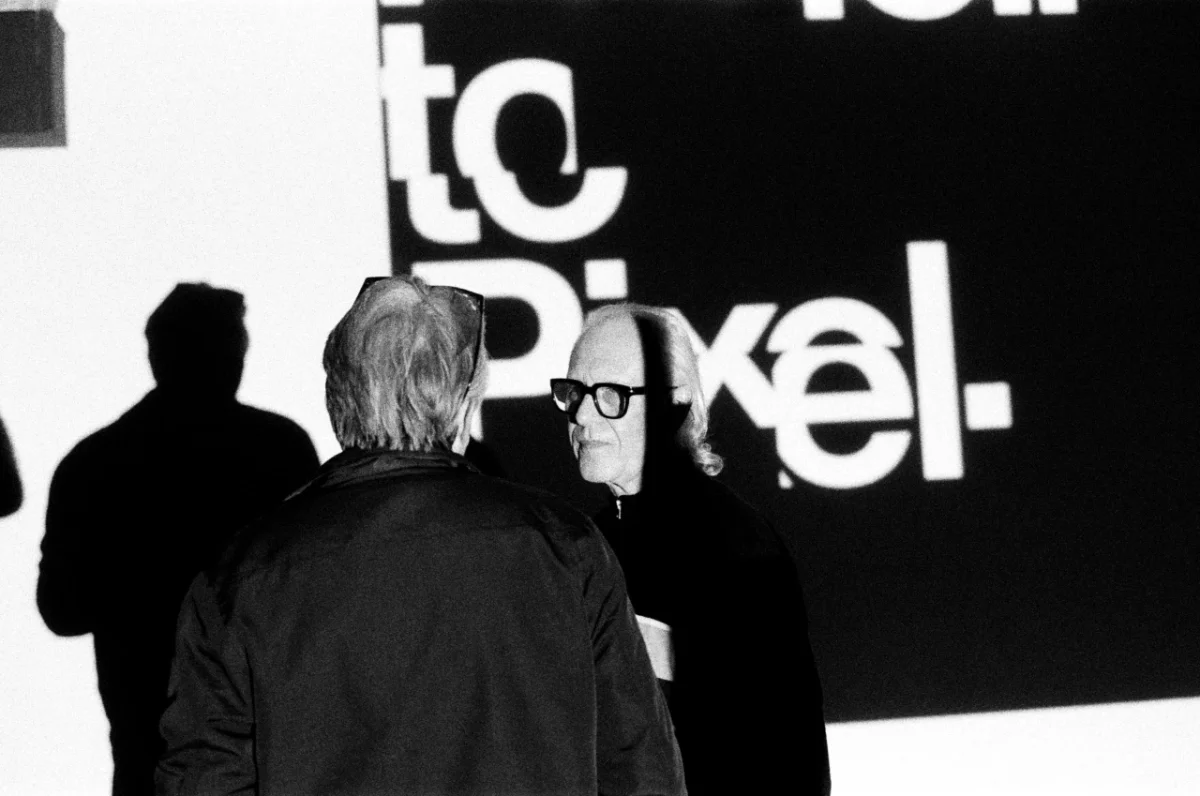
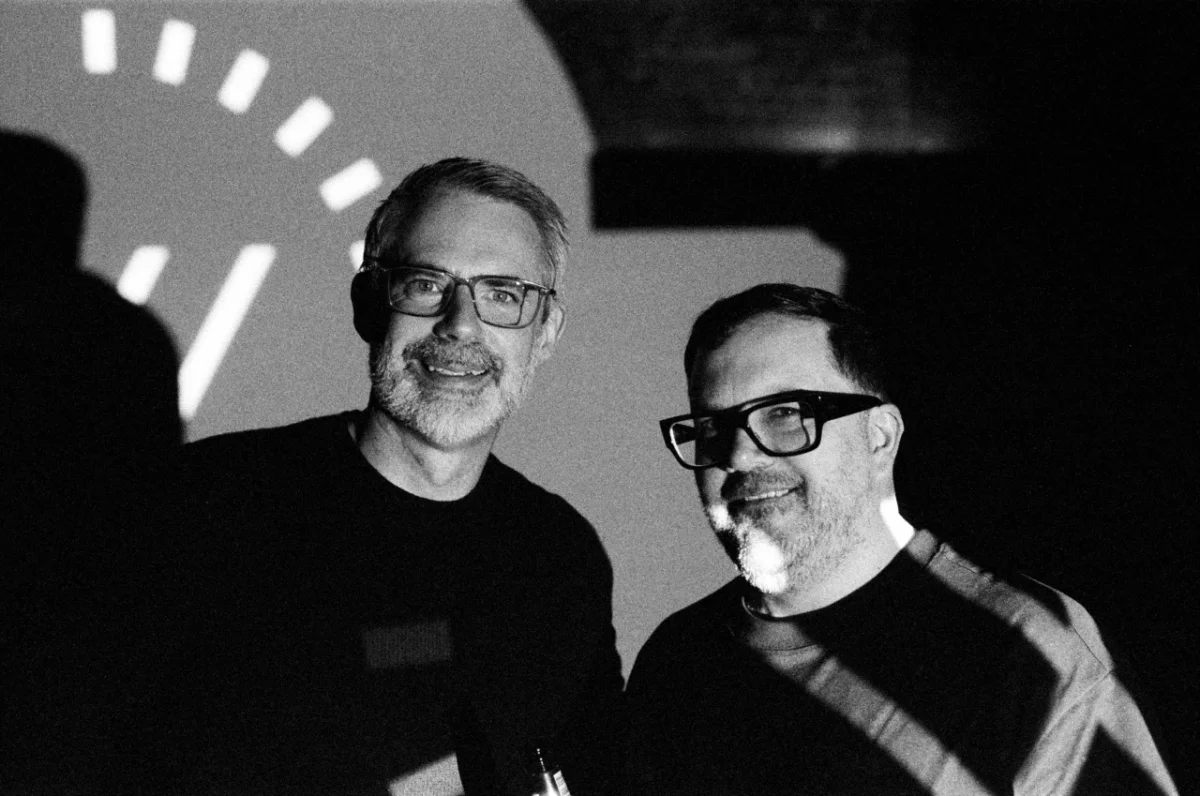
SEA’s anniversary gathering at The Crypt in Clerkenwell brought together past colleagues, collaborators and other designers. Edmondson recalls that some attendees had worked with the studio years earlier. Photographer Rankin gave a speech that Edmondson describes as “brutal”; the room wasn’t always sure whether to laugh. The night carried on at a nearby pub until closing.
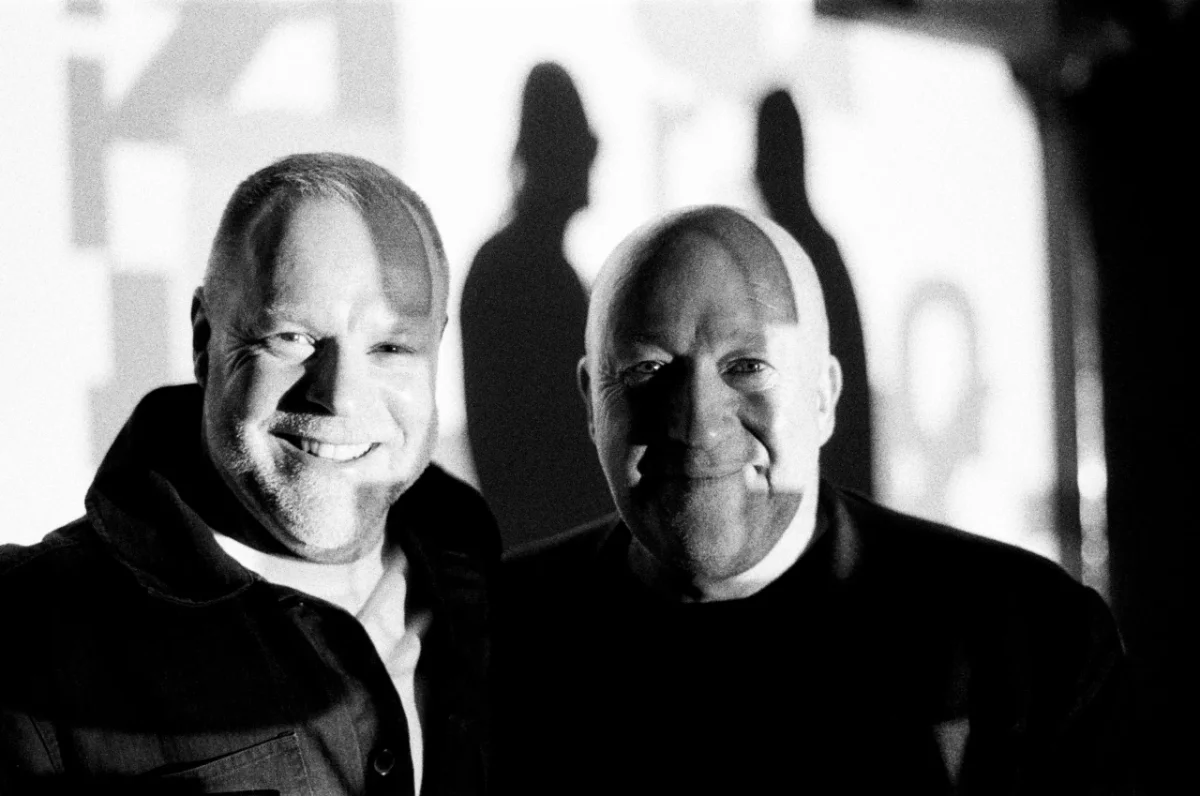
One of the people with a long view of Edmondson is Alan Dye of NB Studio. They met in 1992, when both had just joined Roundel Design Group. Dye remembers Edmondson greeting him with a cheeky “Hello chuck, what’s your name?” They’ve been friends since, starting their own studios around the same time, competing for work, sharing advice and marking each other’s successes. Dye says Edmondson’s work has “consistently shone” and his enthusiasm has never dimmed.

Variety, uncertainty and the next brief
Longevity hasn’t come from expecting smooth conditions. Asked what has helped SEA last, Edmondson points to luck and to working across different sectors, from finance to hospitality. A varied client base can soften the effect when one area slows. Virgin Atlantic had been one of the studio’s biggest clients before work stopped after the events of 2001. Edmondson’s conclusion is succinct: “There is always something.”
He isn’t talking as though the anniversary marks a finish line. He still draws every day and gets hands-on with projects. In fact, he says he’d like to start a studio now, with the tools and technology available to designers today. “I still don’t think we’ve done enough,” he says.
The silver edges make SEA 30 a tangible record of work already made; the studio’s scale and Edmondson’s continued involvement point to how it wants to make what comes next. For designers building a practice to last, SEA’s example is specific: stay close to the work, build relationships with care and keep enough range in the studio to adapt when a sector changes.