Wednesday, October 7, 2026 · Graphic Design
When Brand Mascots Turn Into a Liability: Design, Meaning and Backlash
Noted by Peter Makeshoff · 884 reads
A mascot’s value depends on what people see in it. Cultural conflict, aggressive brand protection and attention stunts can all change that meaning.
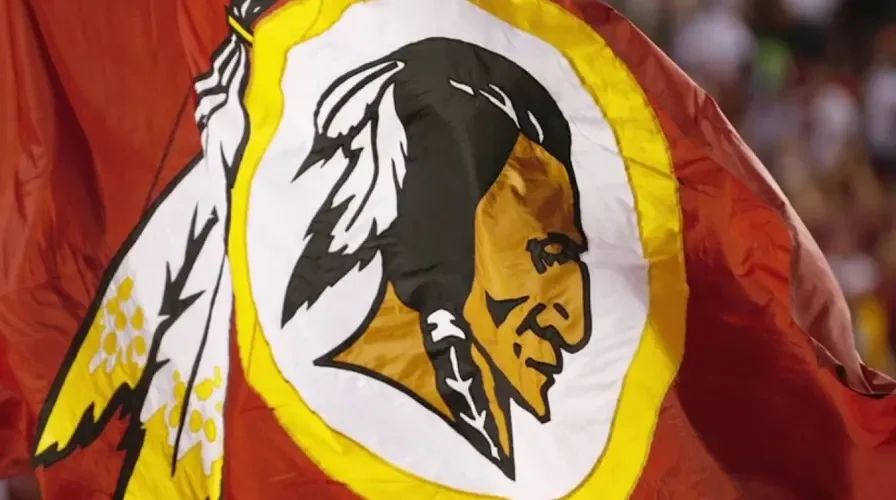
A mascot’s visual impact comes with a design challenge: people may read the same character very differently from the brand that owns it. A familiar face can build recognition and affection, but those qualities don’t guarantee that audiences will keep seeing it as welcoming. The trouble begins when a mascot’s meaning clashes with the experience people have of the brand.
That tension shows up in three ways: a character can carry cultural associations that alienate people; defending it can make a company look heavy-handed; and a stunt built around the mascot can fall flat if audiences aren’t invested. For designers, the lesson is practical: the character’s appearance matters, but so does the context that gives it meaning.
When a symbol divides its audience
Native American mascots in American sports show how a character meant to express pride can be experienced as an insult. Supporters have described such mascots as “a point of pride, something to rally around” (source). Many Native Americans and their allies, however, see some of the imagery as degrading racial stereotypes. Opponents of the “Redskins” mascot have called it a slur (source).
These interpretations aren’t a minor disagreement about illustration style. They concern who gets represented, who gets to decide what a character communicates, and whether its use shows respect. When that dispute lasts, the mascot can become a recurring source of division rather than a shared point of recognition. The debate has also brought pressure to change offensive mascots, including work involving Adidas and high schools (source).
Design teams can’t resolve every disagreement by refining a drawing. The underlying question is whether the character’s role and associations fit the people who encounter it. A brand that treats recognition as proof of affection may miss the possibility that people recognize the mascot precisely because it has become a point of contention.
When protection changes the story
Buc-ee’s, the Texas-based convenience store chain known for its buck-toothed beaver, illustrates a different risk: a company’s effort to defend a mascot can shape public perception as strongly as the mascot itself. The source describes earlier disputes involving cartoon animal logos, including moose, alligator and bear characters (source; source; source). The stated aim was to limit confusion around the company’s mascot (source).
The dispute that drew particular attention involved Beaver’s Mini Mart in Beavercreek, Ohio. Buc-ee’s filed a federal trademark lawsuit, arguing that the small shop’s smiling beaver logo was too similar to its own (source; source). The designs have visible differences: Buc-ee’s beaver has buck teeth and wears a red cap; Beaver’s is a full-body character without clothes (source).
That visual distinction didn’t settle the argument in the public eye. Reports described a sharp backlash and a public relations problem for Buc-ee’s (source). People donated tens of thousands of dollars toward the mini mart’s legal fees; a local bakery sold cookies bearing its logo; and a city council recognized the beaver as part of Beavercreek’s history (source; source; source).
Scale helped define the story. The source describes Buc-ee’s as a large national chain and notes that one new Ohio location measured 74,000 square feet and had 100 gas pumps, while Beaver’s was a family-run local shop (source). A line from an earlier dispute, “A moose is not a beaver,” captured the frustration (source). What Buc-ee’s could present as routine brand protection, many observers saw as a much larger company targeting a neighborhood business.
Why mascot stunts need an audience
Retiring a mascot for dramatic effect carries a different kind of risk. Planters killed off Mr. Peanut in 2020, and Duolingo did the same with Duo the Owl in 2025; both stunts generated considerable engagement (source). But the format depends on an audience already caring about the character and accepting the brand’s tone.
Without that attachment, a staged farewell can read as a bid for attention instead of a meaningful change. It may also weaken the character’s established role. One expert argued that Duo’s “legend” works because the owl already belongs to a larger pop culture conversation (source). The creative question is whether the audience has enough history with the character for the stunt to feel earned.
Design for the meaning people encounter
A mascot becomes a liability when its meaning to an audience diverges from its meaning to the brand. In Beavercreek, the company viewed its logo as a valuable asset to protect (source). Community members saw the local beaver as part of their own identity and history (source; source; source).
That gap is useful to keep in view at every stage of character design and brand stewardship. Ask who is likely to recognize the mascot, what associations they may bring to it, and how the brand’s actions will affect those readings. A mascot can earn recognition through a distinctive silhouette or expression; keeping that recognition positive depends on the relationships and choices that surround it.
The court case will be judged on its legal merits. Its broader design lesson is already clear: a character is never only an image once people attach their own histories to it. Protecting a mascot’s value means paying attention to those meanings, especially when the audience starts telling a different story.
The post The Mascot That Became a Liability appeared first on Designer Daily: graphic and web design blog.