Monday, November 2, 2026 · Graphic Design
Pack Expo 2026 Shows How Packaging Decisions Connect from Line to Consumer
Noted by Melissa Simmerman · 465 reads
Pack Expo 2026 put packaging’s many moving parts on display, from machinery and materials to producer responsibility and the choices that shape consumer use.
At Pack Expo 2026, packaging’s scale was visible in the space it took to walk: five days, thousands of exhibitors, hundreds of conversations and five full buildings of exhibits. But the bigger takeaway was how many linked decisions sit behind a single bottle, tube, can, carton or pouch. The show took place in Chicago, within sight of a Great Lake; its breadth made the connections between materials, machinery, design and consumer use hard to miss.
The recap, published by Kaleidoscope on November 3, 2026, describes an industry where individual steps depend on one another. A package moves through a network of suppliers, designers, manufacturers, brands and retailers. Each choice may solve an immediate production or business need, yet its effects can reach the next stage of the process. For design teams, that means a package concept has to be considered in context: what it’s made from, how it will be produced, and what happens after it leaves the line.
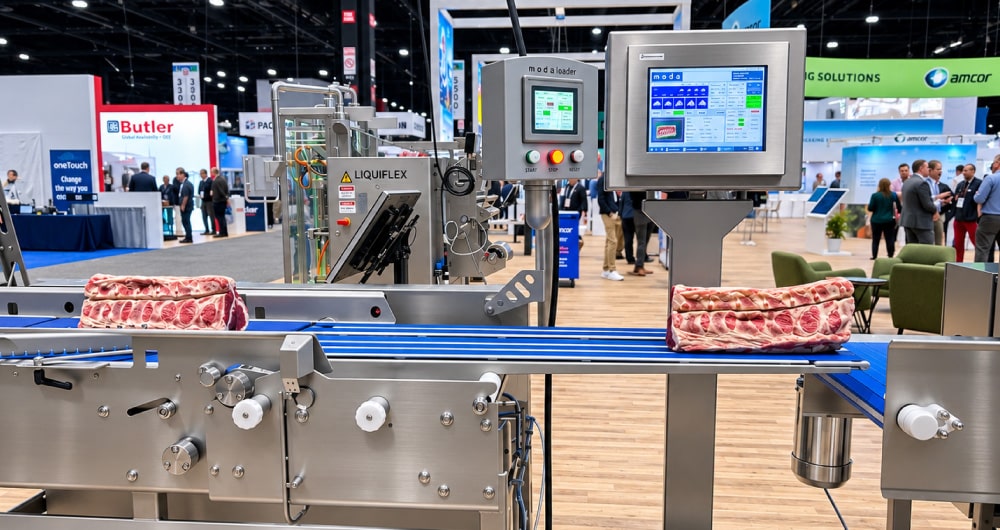
Every production choice affects the next
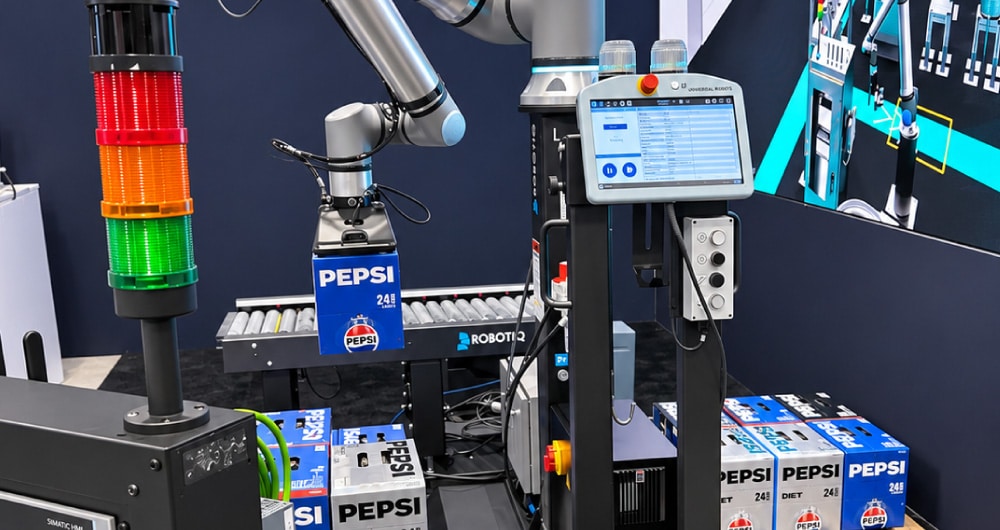
The event’s machinery offered a tangible version of that connected system: one action leads to another. A change in packaging material can affect equipment; a production constraint can shape a designer’s options; and a decision made for a brand may also matter to the manufacturer or retailer handling the finished pack. The recap doesn’t reduce those relationships to a single formula. Instead, it points to the practical challenge for teams: understand who needs to act, what each step requires, and where a decision could create consequences elsewhere.
Extended Producer Responsibility, or EPR, was a prominent subject, with sessions drawing standing-room-only audiences. As more states introduce packaging EPR requirements, producers face a growing mix of obligations and costs. The central design implication is straightforward: a package’s lifecycle matters beyond the factory. Teams considering materials and formats have to keep downstream handling in view, alongside how a pack performs during production and use.
Ideas need people who can build them
Pack Expo also brought together ideas in software, automation, robotics, materials and manufacturing processes. The recap’s key observation is that a promising concept needs a capable network to become a physical product. That work can call for strategy, foresight and careful choices about whom to involve and when. A team needs a shared goal, with people clear on their roles; inspiration alone can’t carry an idea through the steps between concept and production.
For design teams, that has a useful consequence: bring production knowledge into development early enough to inform the work. A prototype can make a concept tangible, but turning it into a manufacturable package depends on people who understand the relevant equipment, materials and processes. The source doesn’t name specific software versions, prices or product launches, so the show’s account is less a catalogue of tools than a view of the disciplines needed to put them to work.
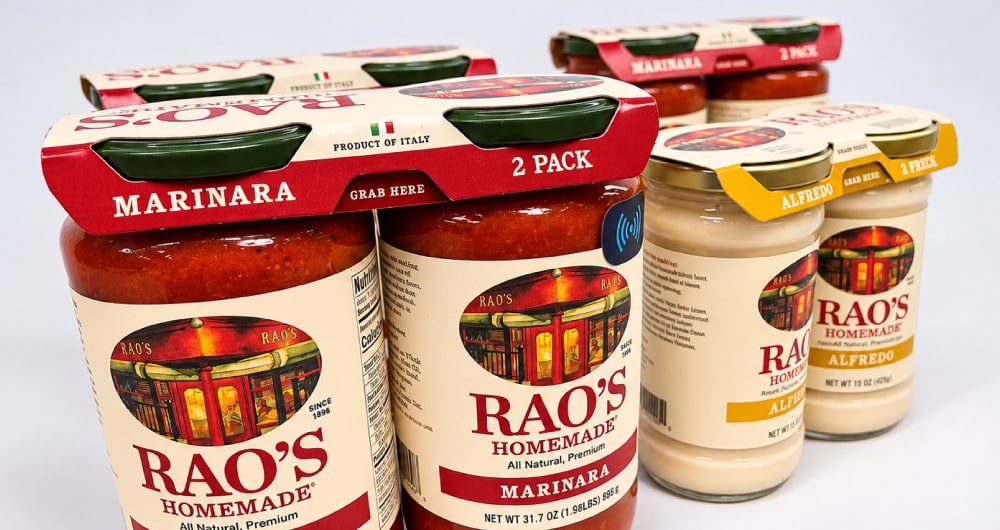
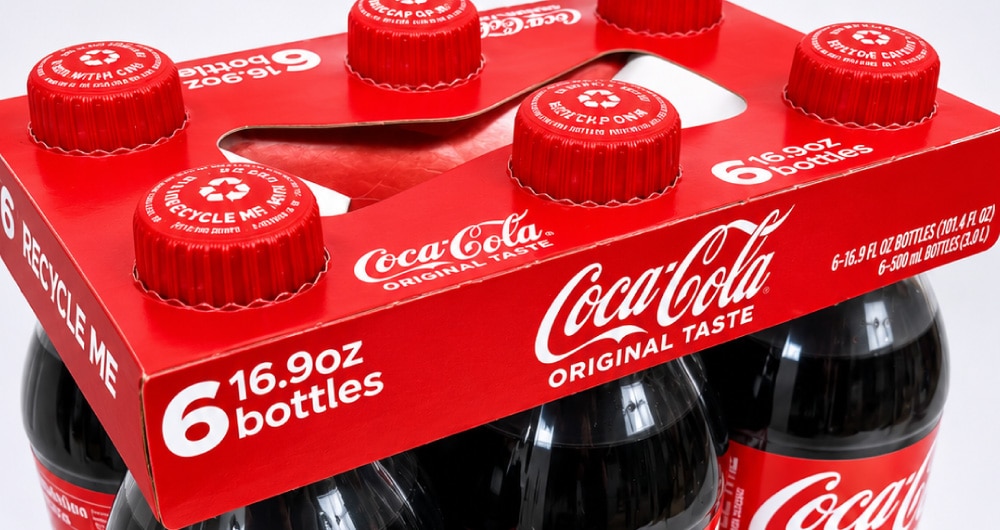
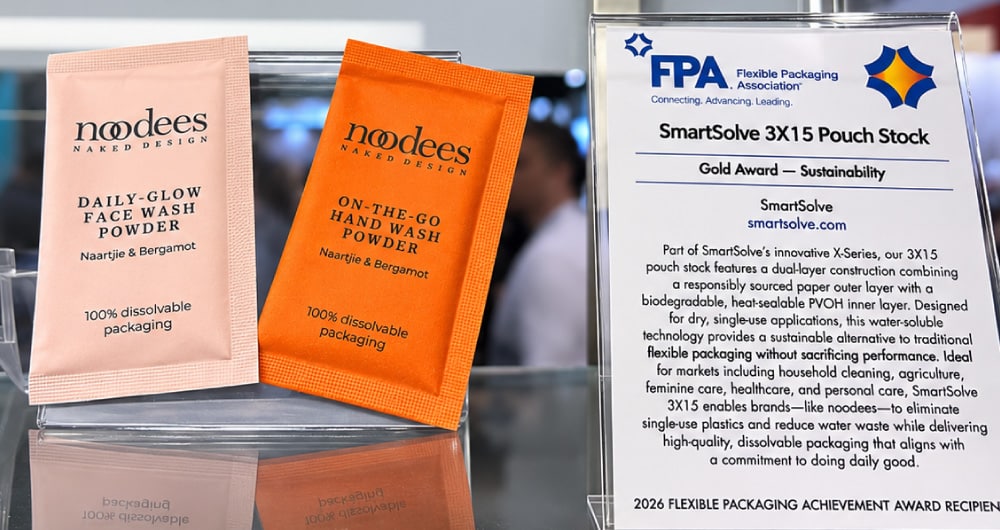
Start with the person using the package
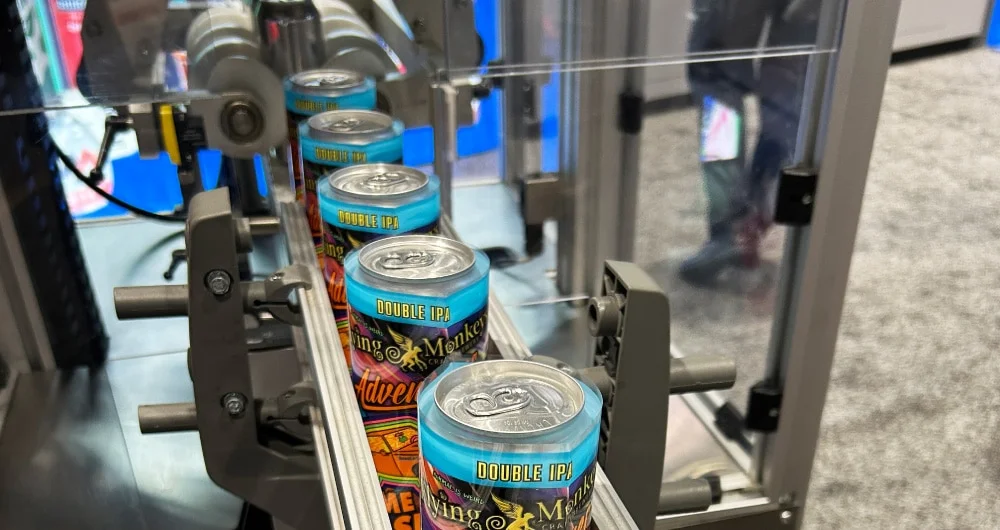
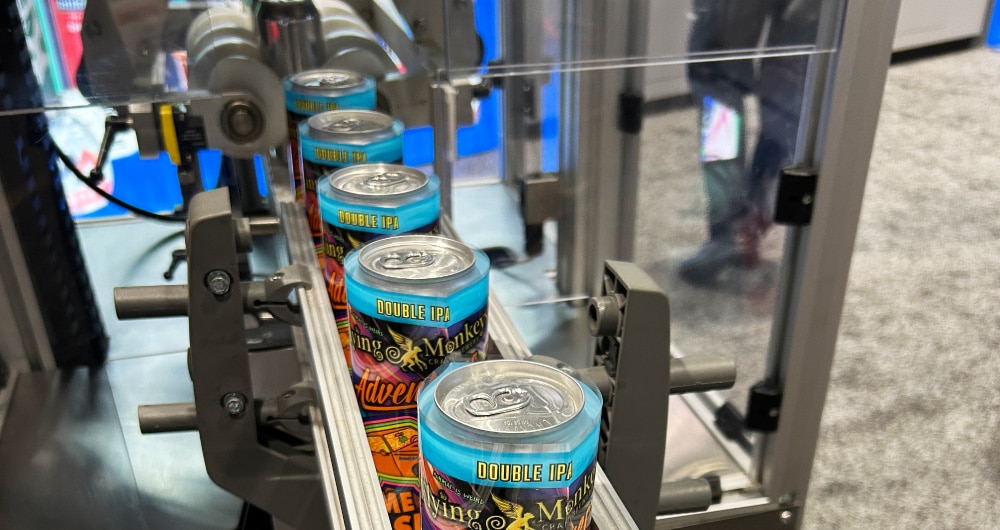
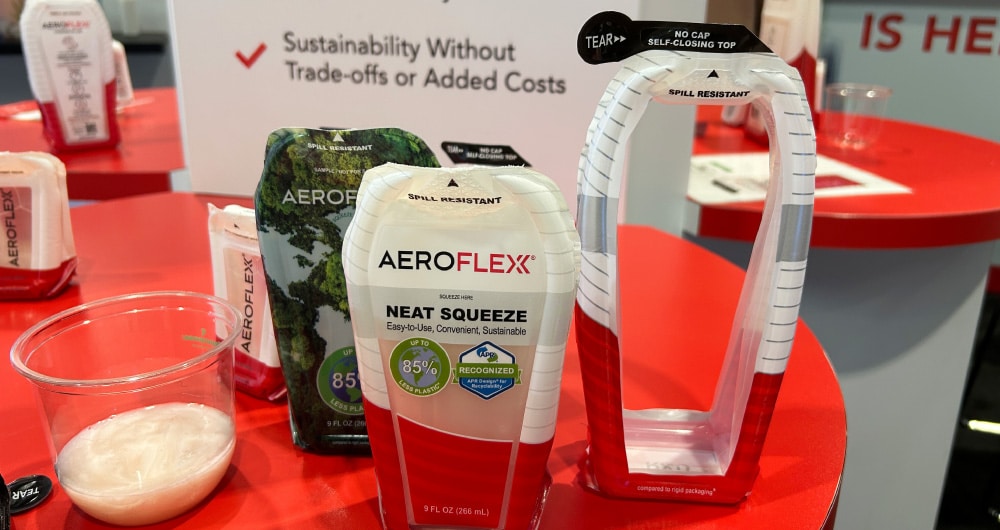
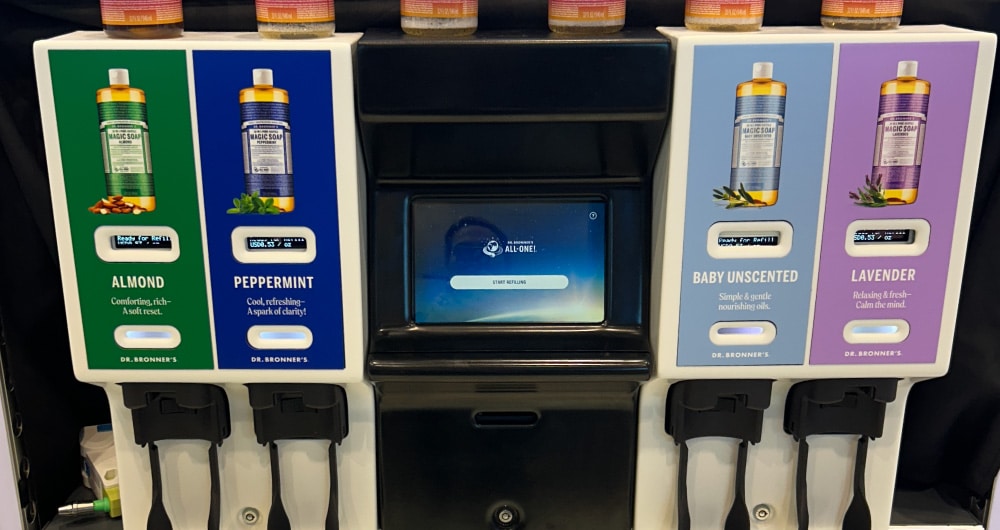
The chain ultimately reaches consumers, whose experience depends on what happened at each preceding step. The examples in the recap span a machine that applies can shrink sleeves faster, a safer way to package and process meat, and hand soap packaging that dissolves in water. They point to different kinds of aims: production speed, safer processing and a different relationship between a pack and its contents. In each case, the stated test is whether the change makes something better for people.
That test also calls for judgment. Higher efficiency doesn’t automatically mean better sustainability, and technical ingenuity doesn’t guarantee that a solution can work commercially. A concept may be possible to produce yet still raise questions about its practical value. Designers and their collaborators have to weigh those factors together, rather than treating a clever mechanism or material as proof that the whole package is successful.
Small choices have effects at scale
Some of the developments on view seemed ready for wider use; others appeared less likely to travel far. The recap doesn’t identify specific examples in either group, but its point is relevant to anyone developing a package: the same level of scrutiny applies to a modest adjustment and an ambitious new process. At industry scale, small decisions can have far-reaching effects because so many people and stages depend on them.
For creative teams, Pack Expo’s strongest takeaway is to treat packaging as a connected system from the start. Ask how a design will be made, who needs to make it work, what happens after production and how it serves the person using it. Those questions help turn a visual or material idea into something practical, and keep each decision tied to the larger product experience.