Monday, November 2, 2026 · UX & UI Design
Laika’s Wildwood Uses Handmade Sets and CG to Make Stop Motion Feel Vast
Noted by Tom May · 643 reads
Laika’s Wildwood pairs physical puppets and sets with digital effects, creating a richly textured world built to be seen on a cinema screen.
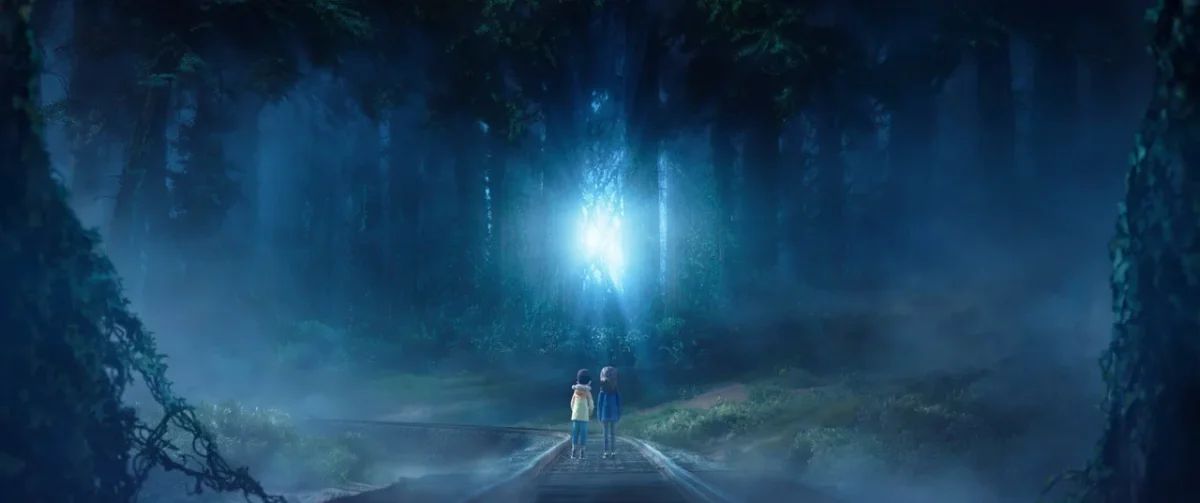
Laika’s Wildwood makes a persuasive case for keeping physical craft at the centre of animated filmmaking. Its forests, rooms and characters have a presence that comes from materials you can almost feel: wood grain, cloth, moss and carefully shaped light. Digital tools expand that world, but the handmade work gives it weight.
That combination matters most at cinema scale. I saw the film at a sold-out screening at Bristol’s Watershed arts centre, where the crowd filled the room. I’d already heard about the production’s technical ambition from art director Matthew Maldonado, whom I interviewed about Laika’s handmade approach. Still, knowing how much work went into a film doesn’t tell you whether the result will hold an audience. Wildwood had me absorbed within seconds, and its images stayed with me after the screening.
Physical craft, extended digitally
Wildwood is Laika’s sixth feature. The Oregon studio is known for Coraline, ParaNorman and Kubo and the Two Strings. Directed by Travis Knight, the film is based on Colin Meloy’s 2011 novel, illustrated by Carson Ellis. Its story follows a girl named Prue; the less said about the plot in advance, the better.
The production’s scale is striking: more than 1,000 artists worked on the film over six years. The crew built more than 230 puppets and 132 sets. Animating one second could take a day or longer. Those figures describe effort, but the useful design story is how the work moves between physical and digital processes.
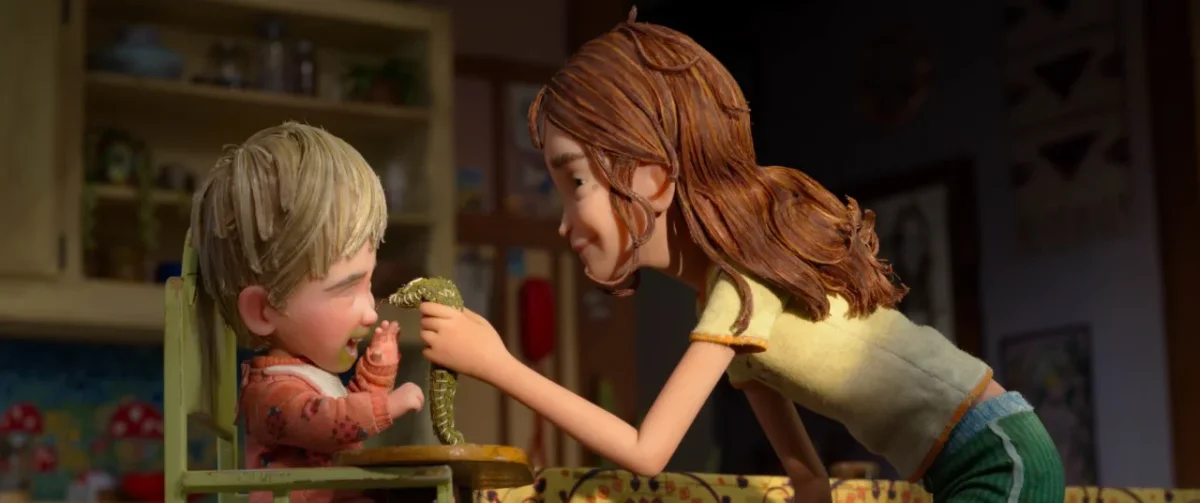
Character faces were animated on a computer, then 3D printed. A different face was made for every character in every frame, adding up to more than 140,000 faces. The visual effects team scanned the physical puppets and sets, then used those scans to extend locations and create larger crowds. Digital work grows what the crew built; the screen image remains anchored in objects with real surfaces and edges.
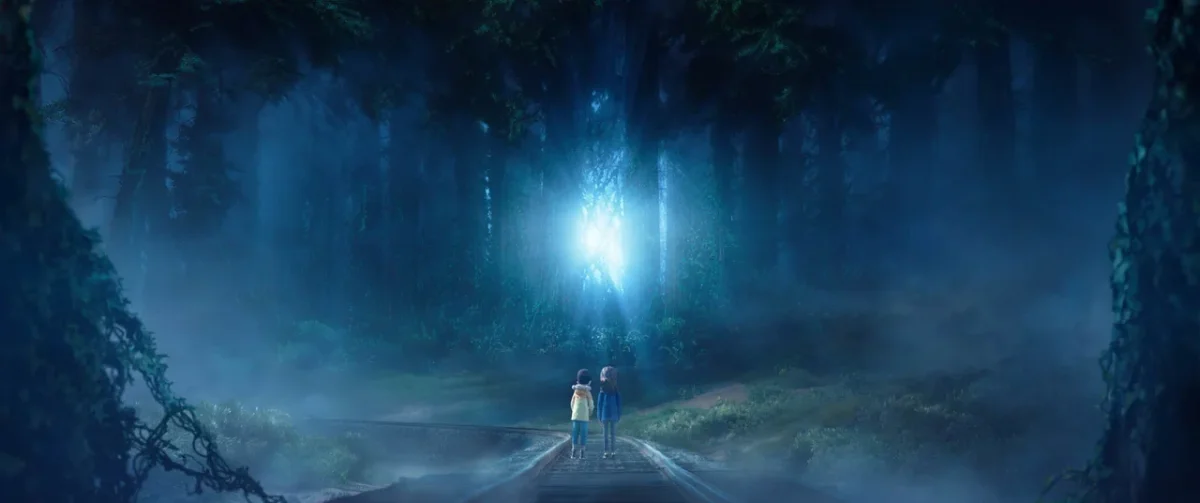
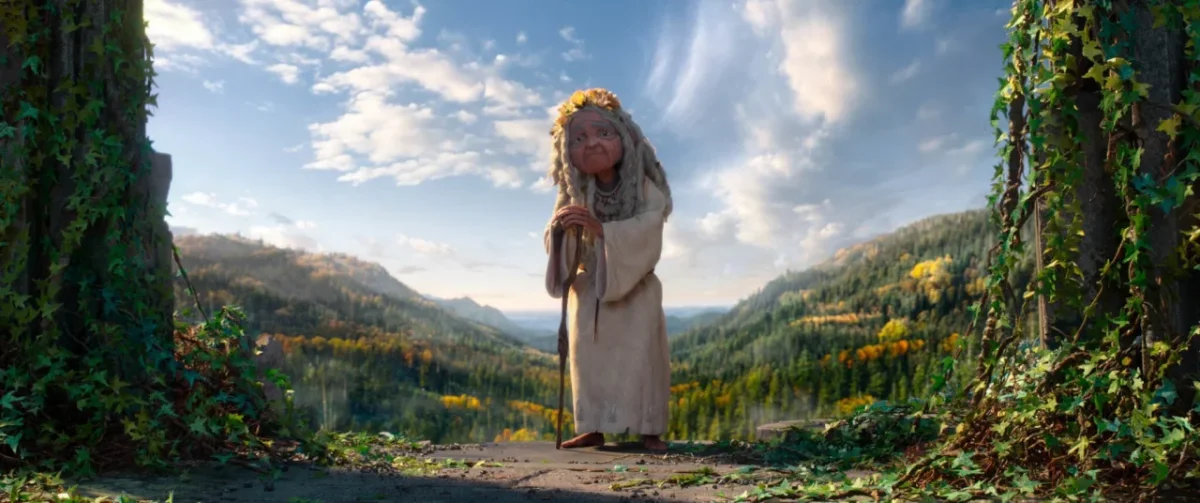
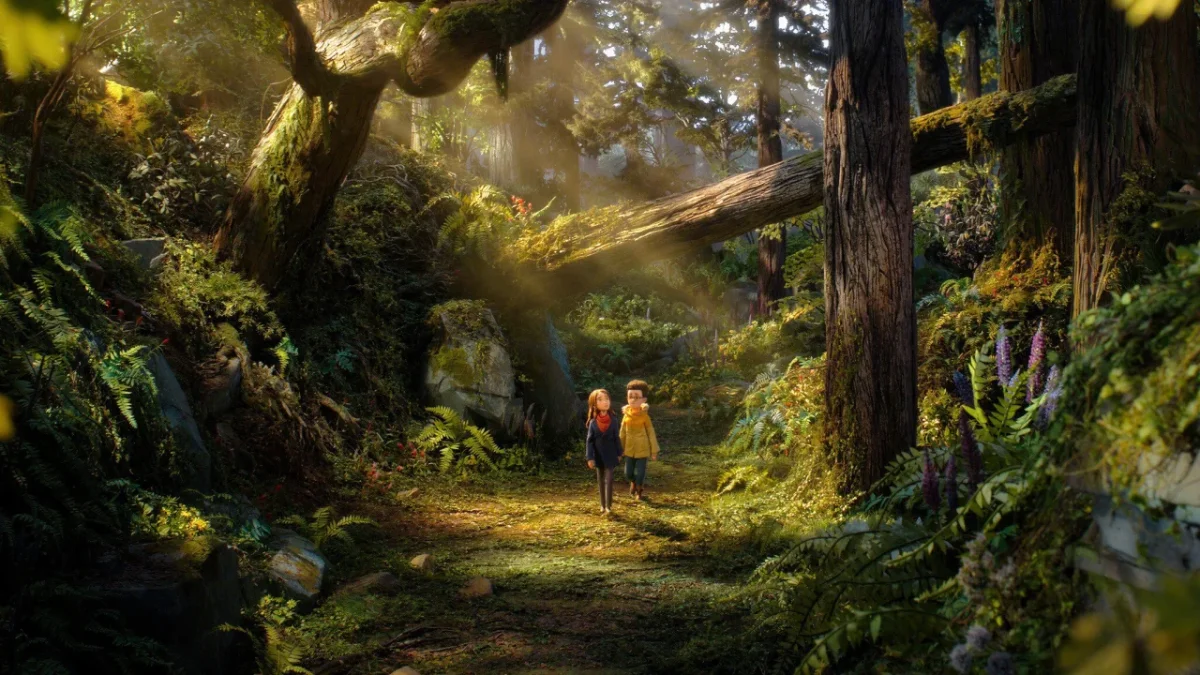
That workflow gives the finished images a particular kind of nuance. The computer isn’t asked to imitate every physical detail from scratch; it works from scanned forms and handcrafted surfaces. The result feels cohesive because the digital extensions belong to a world whose materials and lighting were first worked out in tangible form.
Texture that carries across the screen
Many contemporary films use extensive computer-generated imagery, including productions presented as live action. Wildwood offers a different kind of visual presence. Its built world gives the eye small cues to follow: fabric that hangs with apparent weight, wood with visible grain, and light filtering through trees. Each detail may be subtle, but together they make the setting feel inhabitable.
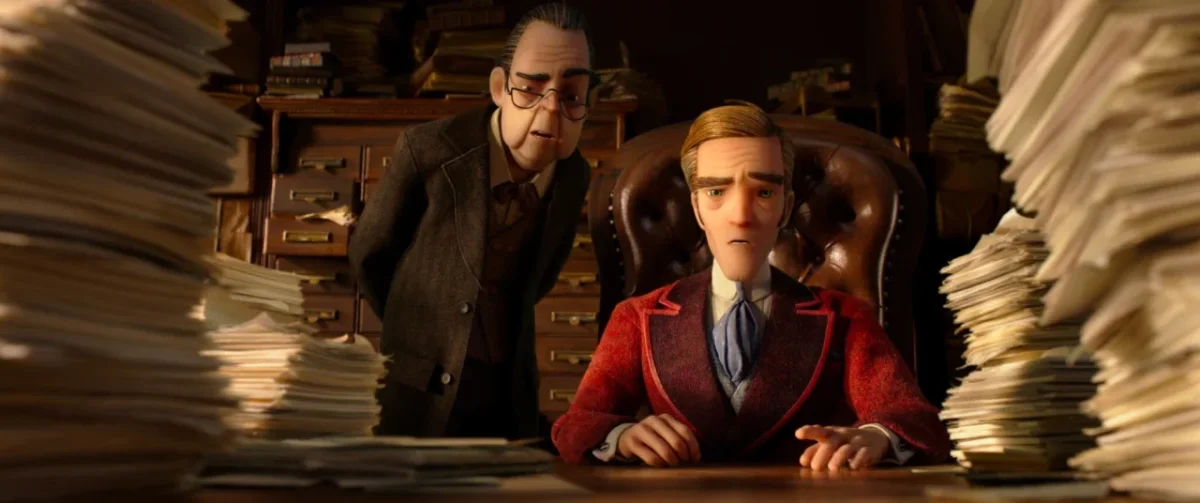
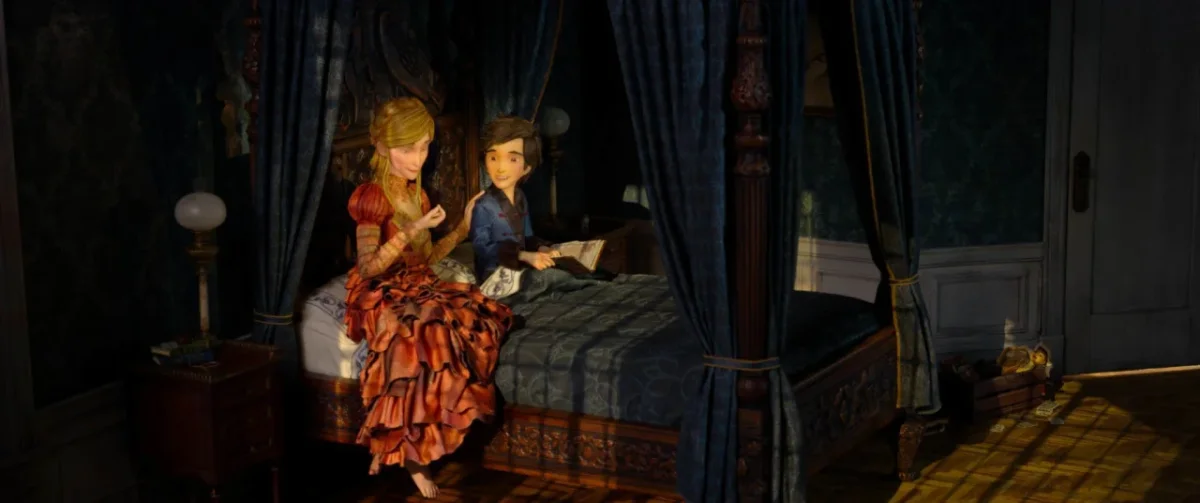
The physical sets also give the digital effects team a clear visual foundation. Scanning those objects lets the crew extend a location while keeping its surfaces and proportions connected to the original build. For designers, that’s the central lesson in the film’s blend of methods: the value of a digital tool depends partly on the material decisions it can carry forward.
None of that craft would hold attention on its own. The characters are intriguing, and the story has enough turns to keep the film moving. There are echoes of Alice in Wonderland, The Wizard of Oz, Labyrinth, The Dark Crystal and The Lion, the Witch and the Wardrobe, but the experience still feels unpredictable. Familiar influences don’t settle the question of what comes next.
A film designed for a large image
I sometimes wanted the story to pause so I could study a costume, prop or set in detail. Instead, the narrative kept carrying me into the next scene. That tension says something about the production’s visual density: the work rewards close looking, while the film’s pace makes it hard to linger.
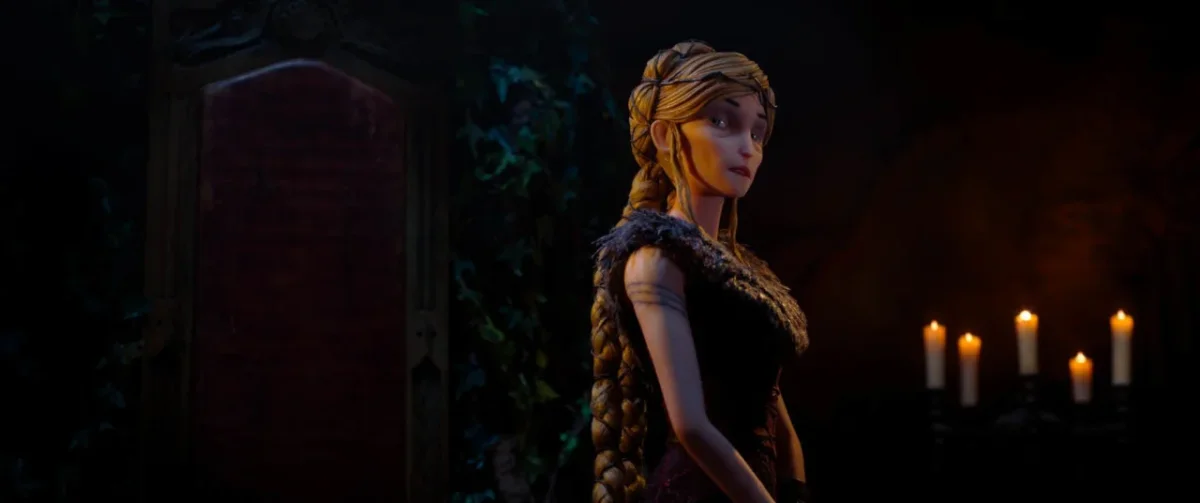
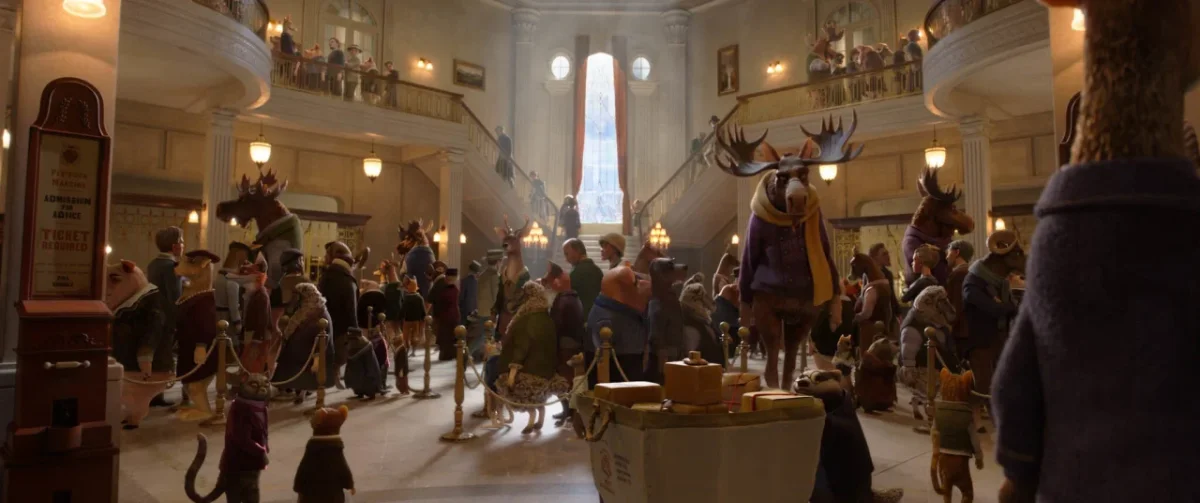
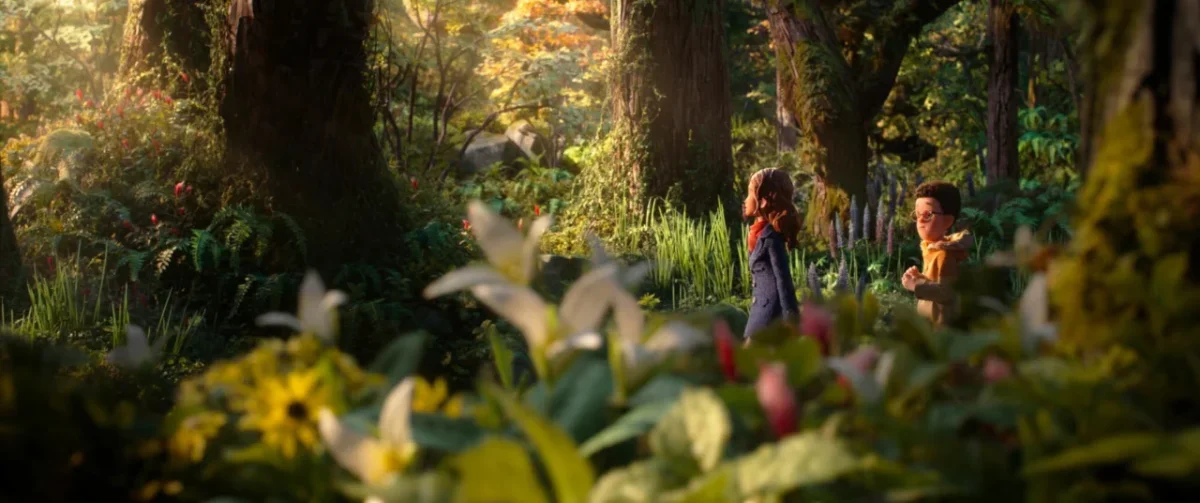
A large screen makes those layers easier to read. On a smaller display, the same composition can lose fine texture and depth, especially when a frame is packed with foliage, architecture and figures. For a creative audience, seeing Wildwood in a cinema offers a clearer view of how the sets, puppets and effects fit together.
There’s also a practical question for the animation industry: whether audiences will show up for work made through such a labour-intensive process. A film’s technique only has a lasting effect if people see it, respond to it and tell others about it. Laika’s achievement here is visible in the frame, but the strongest recommendation is direct: experience the film on a big screen, where its handcrafted surfaces and expansive compositions can do their full work.