Monday, October 12, 2026 · UX & UI Design
Further Ther’s Lisbon Home Turns Furniture and Craft into a Living Showroom
Noted by Rosie Flanagan · 428 reads
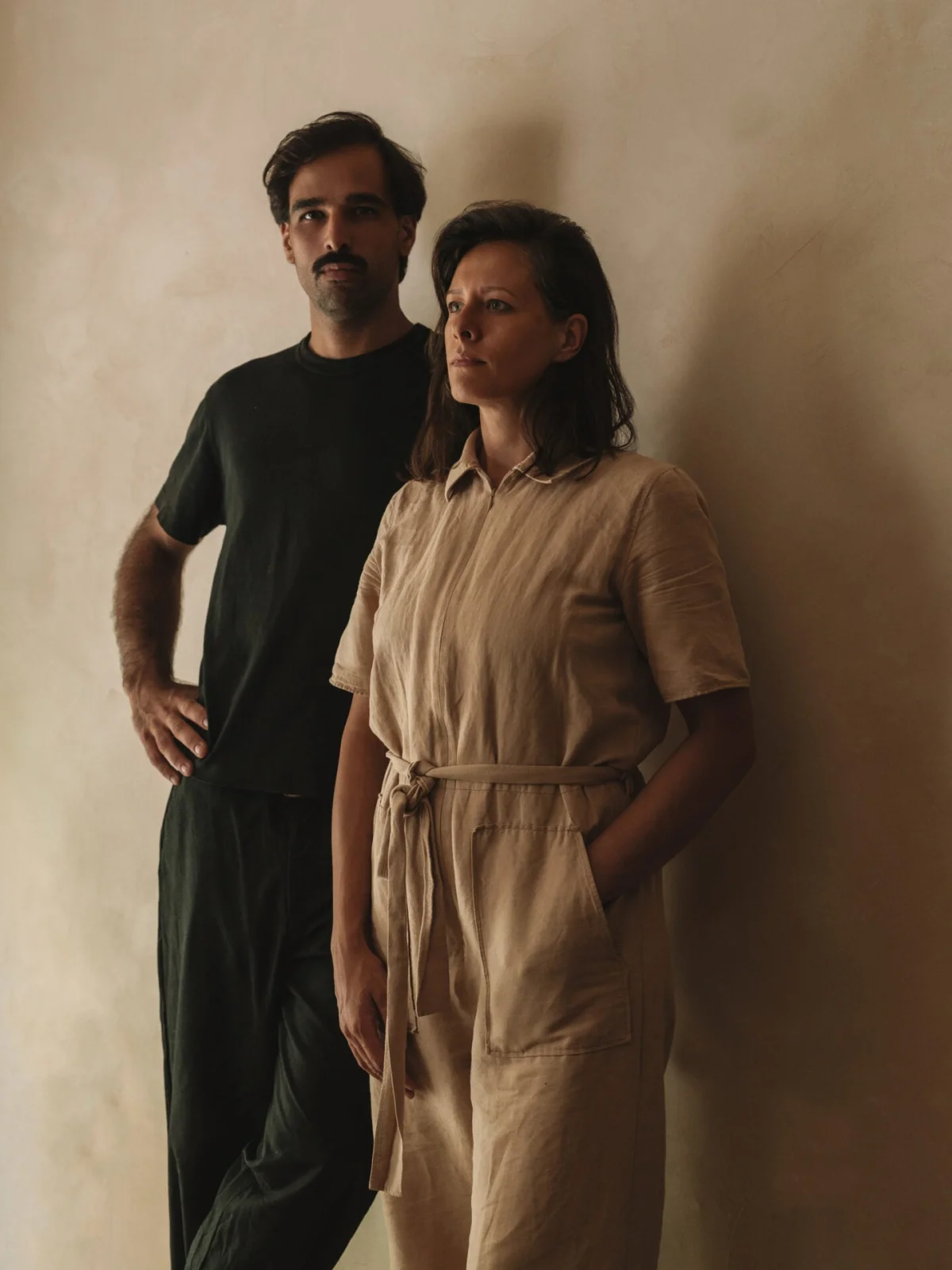
Tomás Fernandes and Natasza Grzeskiewicz bring stone, ceramics and furniture into a Lisbon home that lets visitors experience design in use.
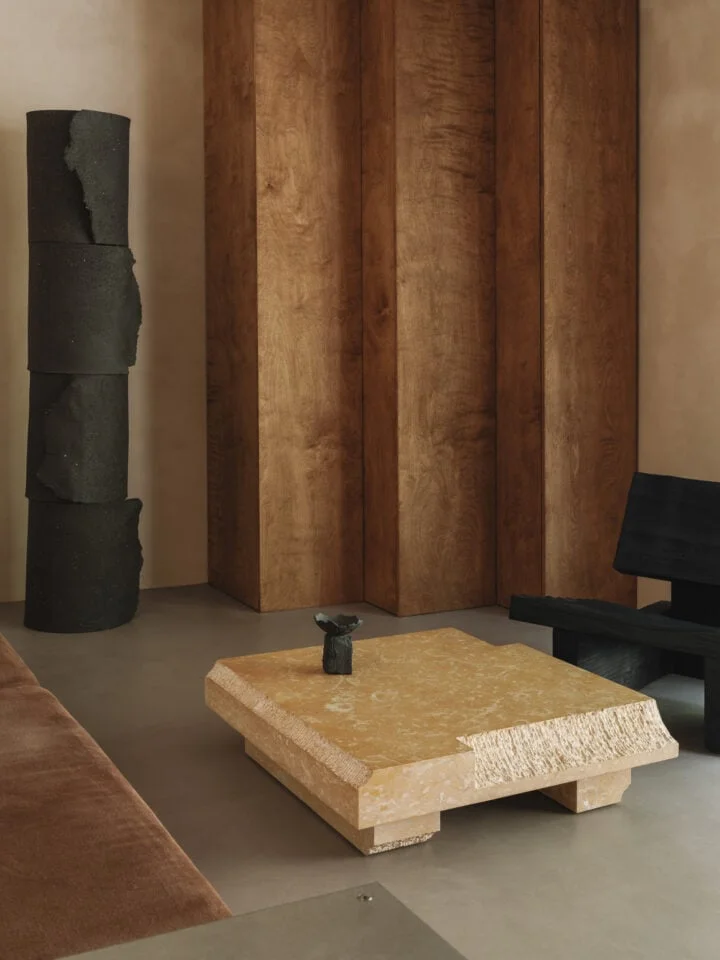
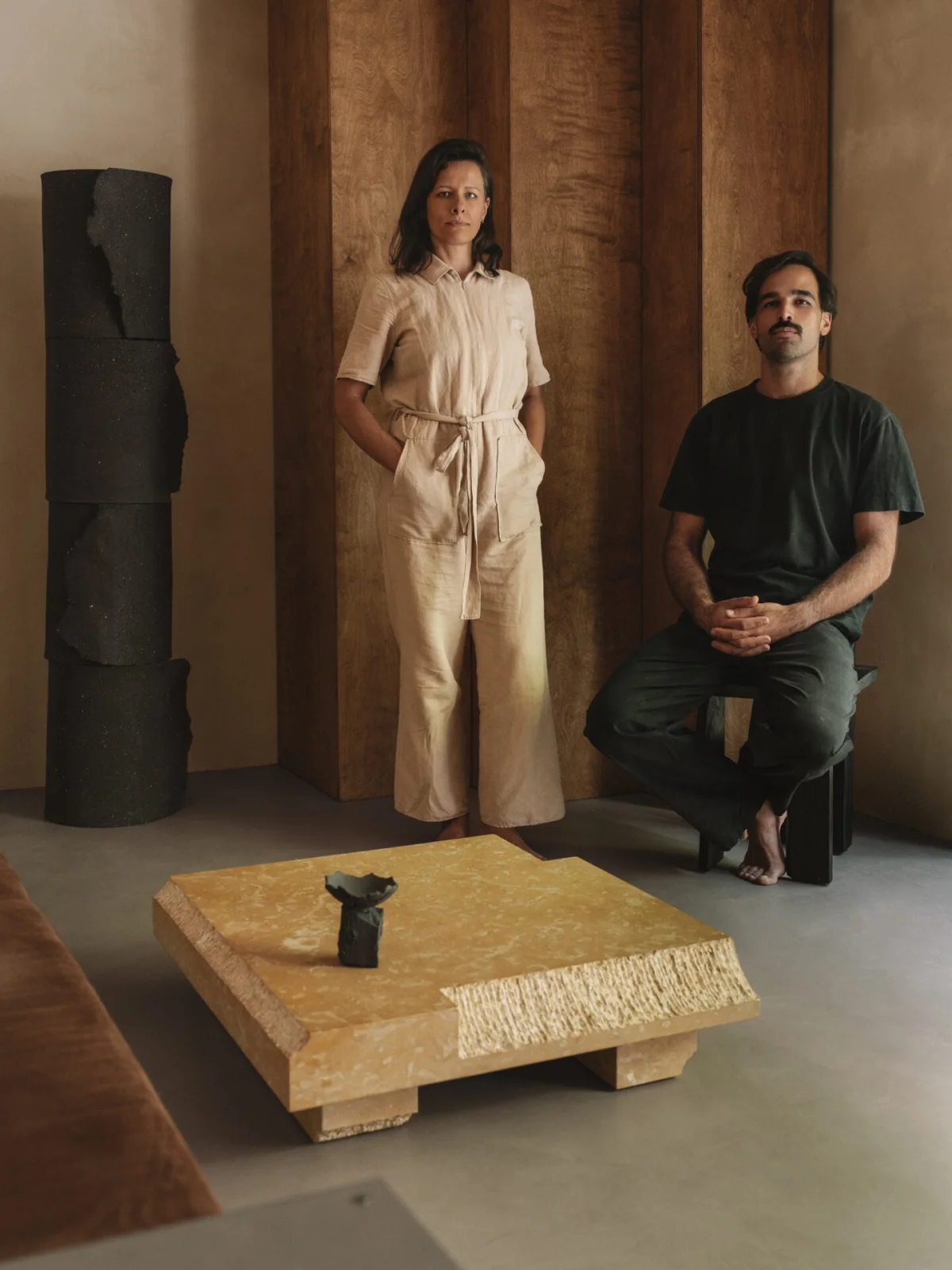
At Further Ther’s Lisbon space, design is something visitors can sit on, handle and live alongside. Designers Tomás Fernandes and Natasza Grzeskiewicz bring their home, studio and showroom together in a building completed in 2019 on the historic Rua de São Bento. The arrangement makes their furniture and collectible objects part of a lived interior, giving visitors a direct sense of how materials and forms meet in daily use.
Further Ther grew from the designers’ shared interest in making. They met at Domaine de Boisbuchet, a cultural project based in a château and woodland in southern France, where architects and designers have gathered for summer workshops since the 1990s. Fernandes, from Portugal, trained in engineering; Grzeskiewicz, from Poland, studied fine arts. Their different backgrounds, they say, were matched by an immediate sense of aesthetic alignment. Fernandes recalls that they quickly understood how they could work together.
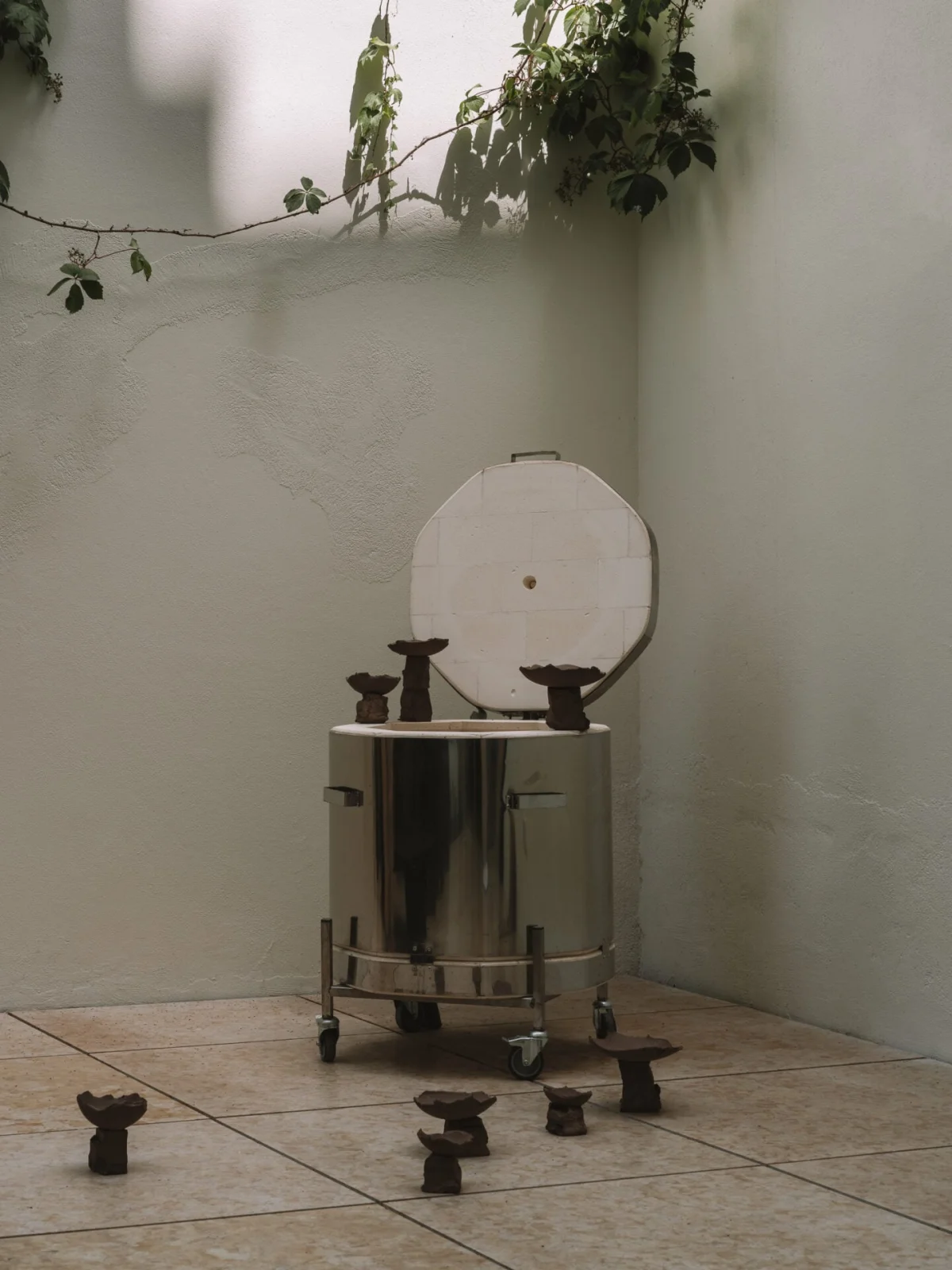
After France, the pair spent three years in Stavanger, Norway. Fernandes made furniture, while Grzeskiewicz produced custom ceramics and tableware. Though they worked at separate studios, both were involved in a restaurant project. That collaboration clarified that they had the skills to start an atelier of their own. They moved to Lisbon and established Further Ther, focusing on collectible objects, furniture and interiors.
Local materials, personal production
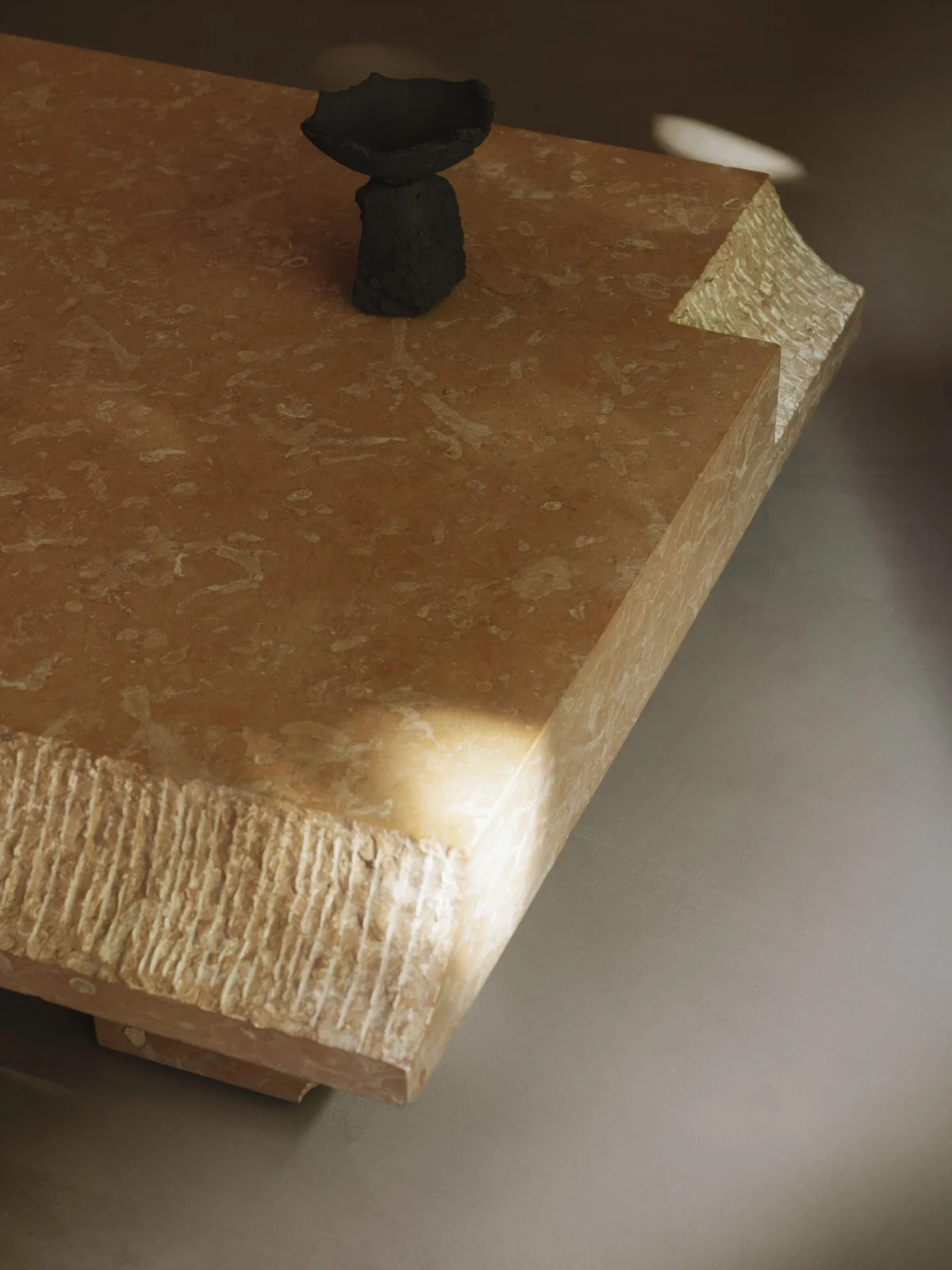
Portugal offered access to small workshops and makers able to take on one-off commissions. For a studio interested in specific forms and material experiments, that scale makes a custom approach practical. The region around Lisbon also supplies a broad range of stone: Fernandes names three kinds of limestone, along with granite and basalt, available within 20 kilometres of the city. The designers were drawn to the material’s long history in Portugal and to the craftspeople who work with it.
“Stone has been used here for many many years, so we felt very drawn to work with it and its craftspeople.”
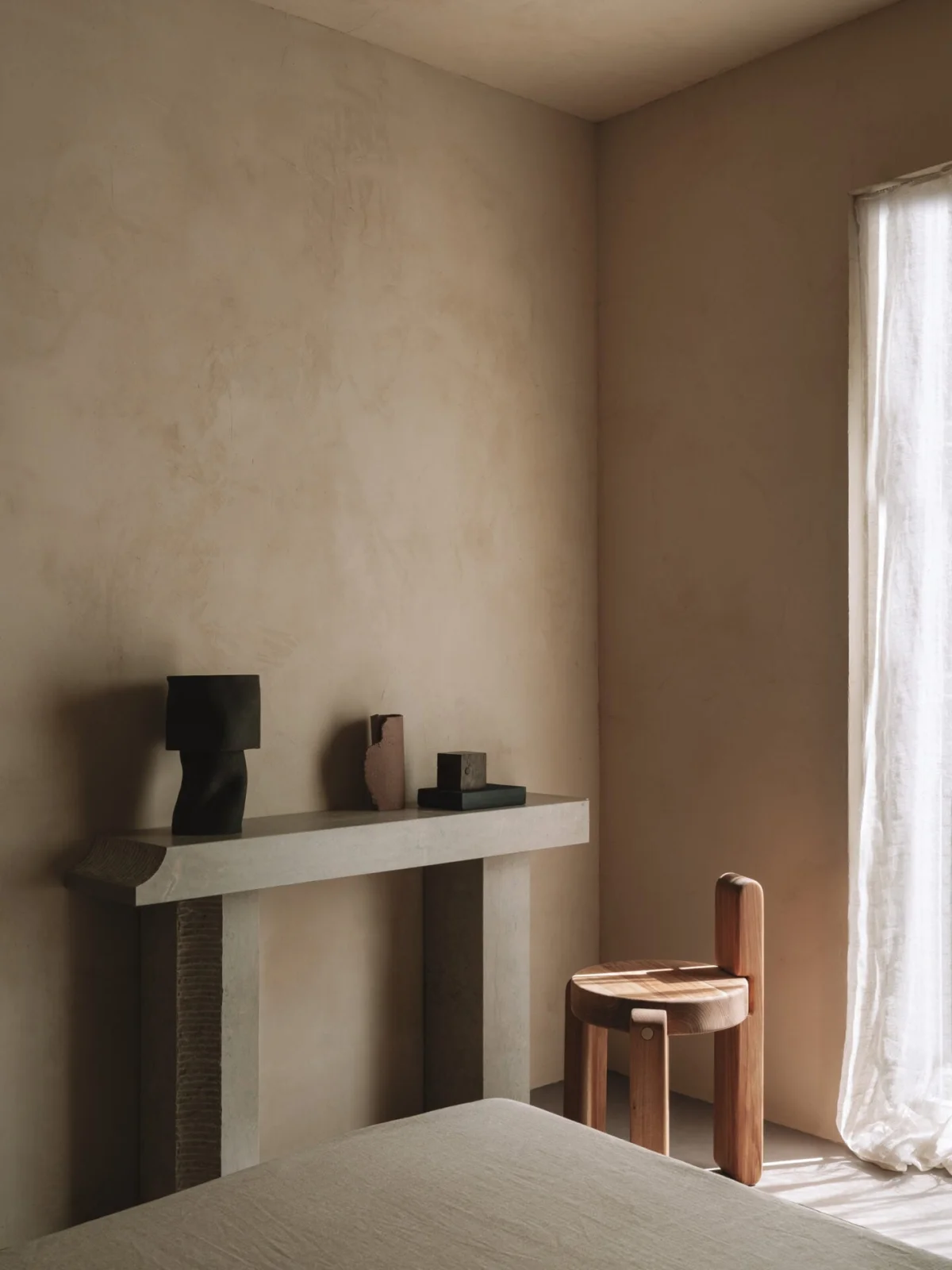
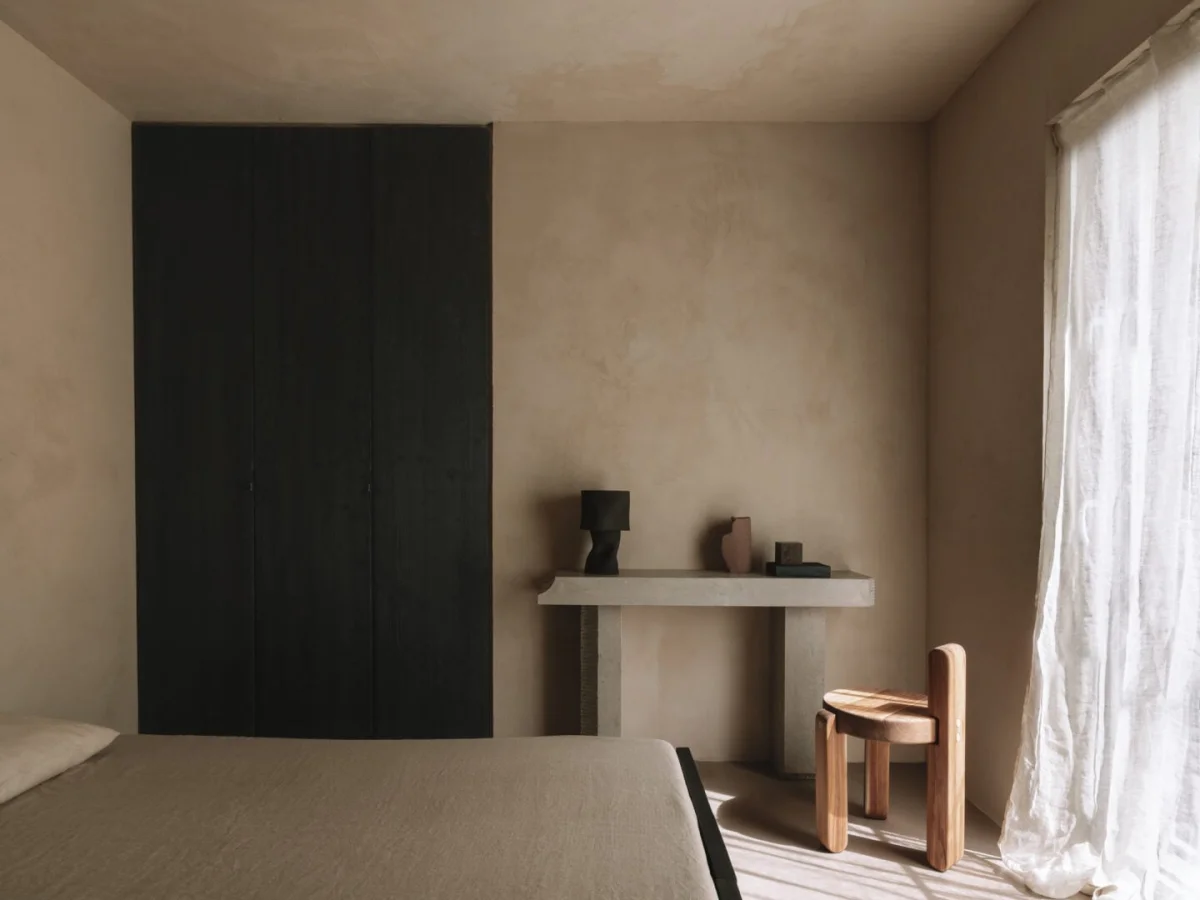
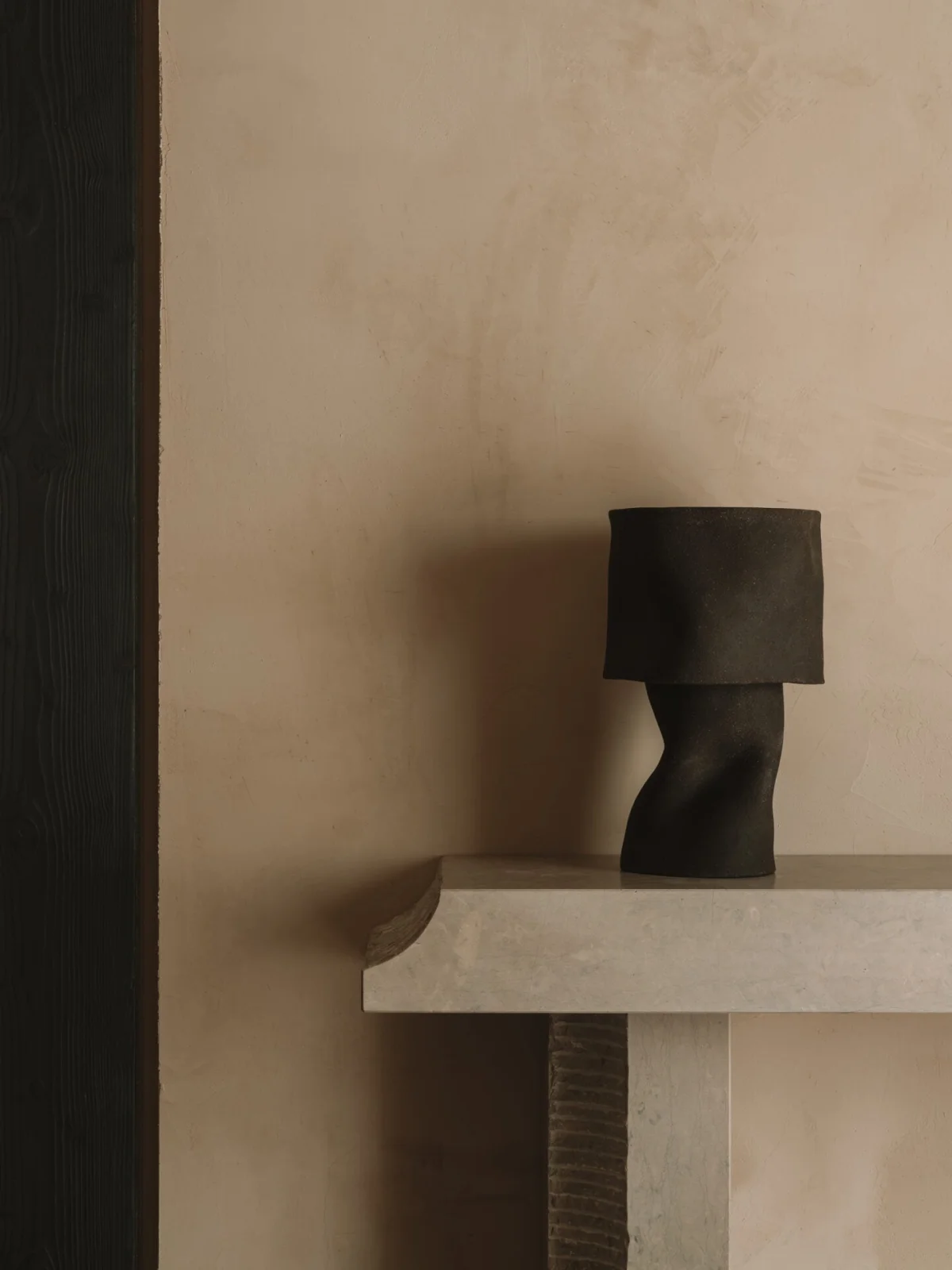
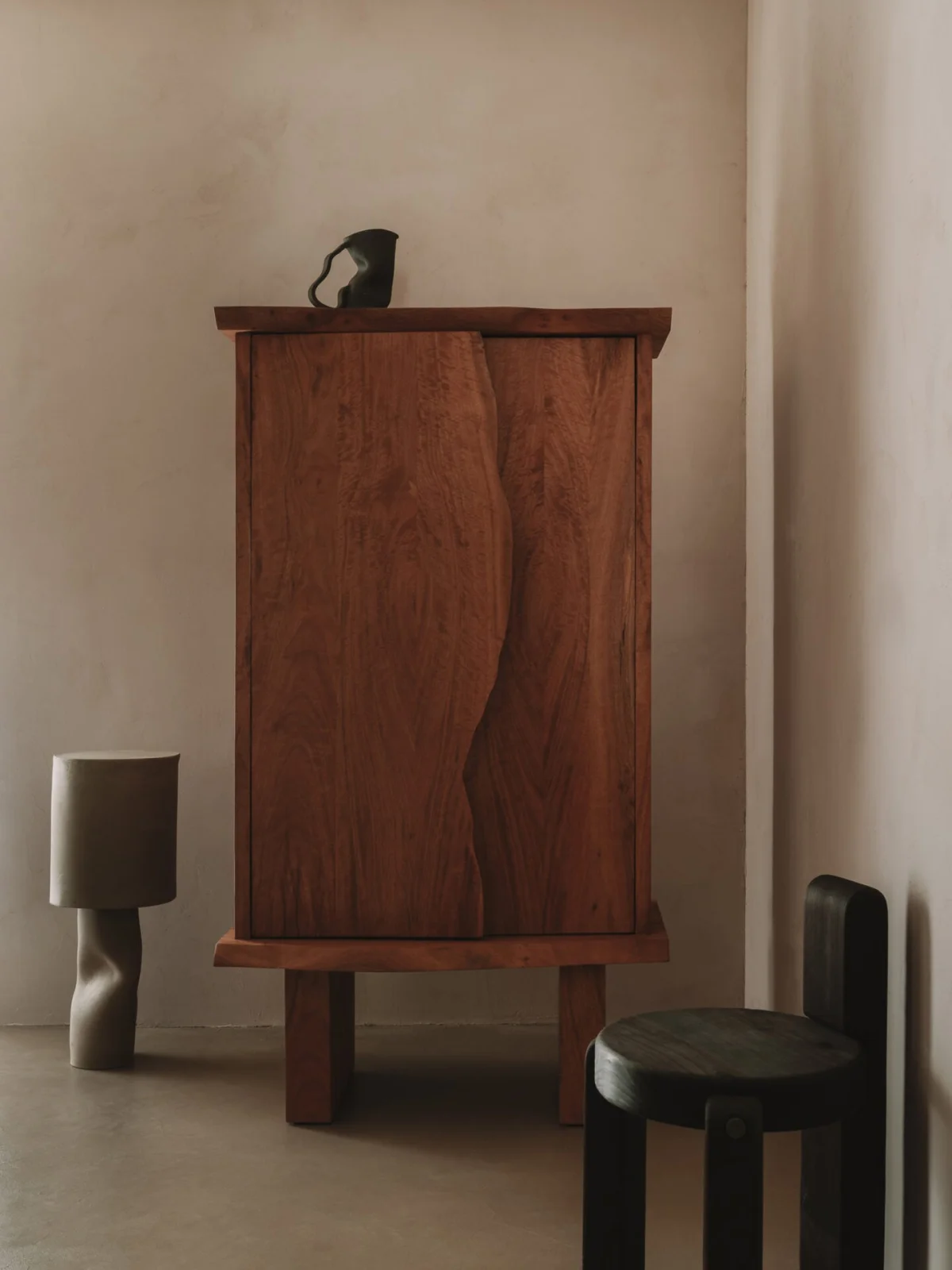
Their relationships with local suppliers shape the work as much as material availability does. Fernandes describes the studio’s stone supplier as a mentor, someone who has taught them about the material while also taking on their challenges and ideas. He calls the working relationship close and grounded in trust: a conversation can begin with a question or a new thought, and the maker’s experience helps turn it into a viable piece. For Further Ther, this exchange is part of the design process, not simply a production handoff.
A showroom arranged around everyday use
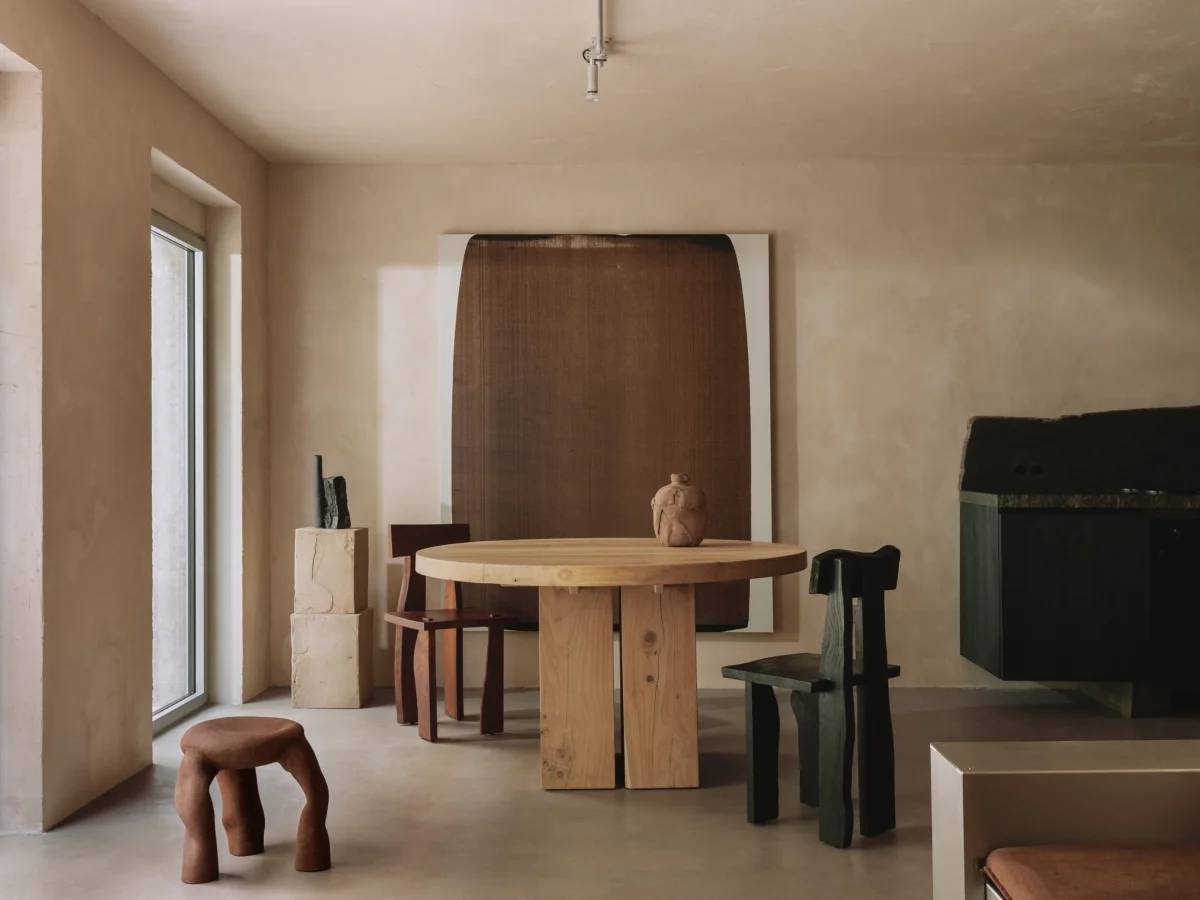
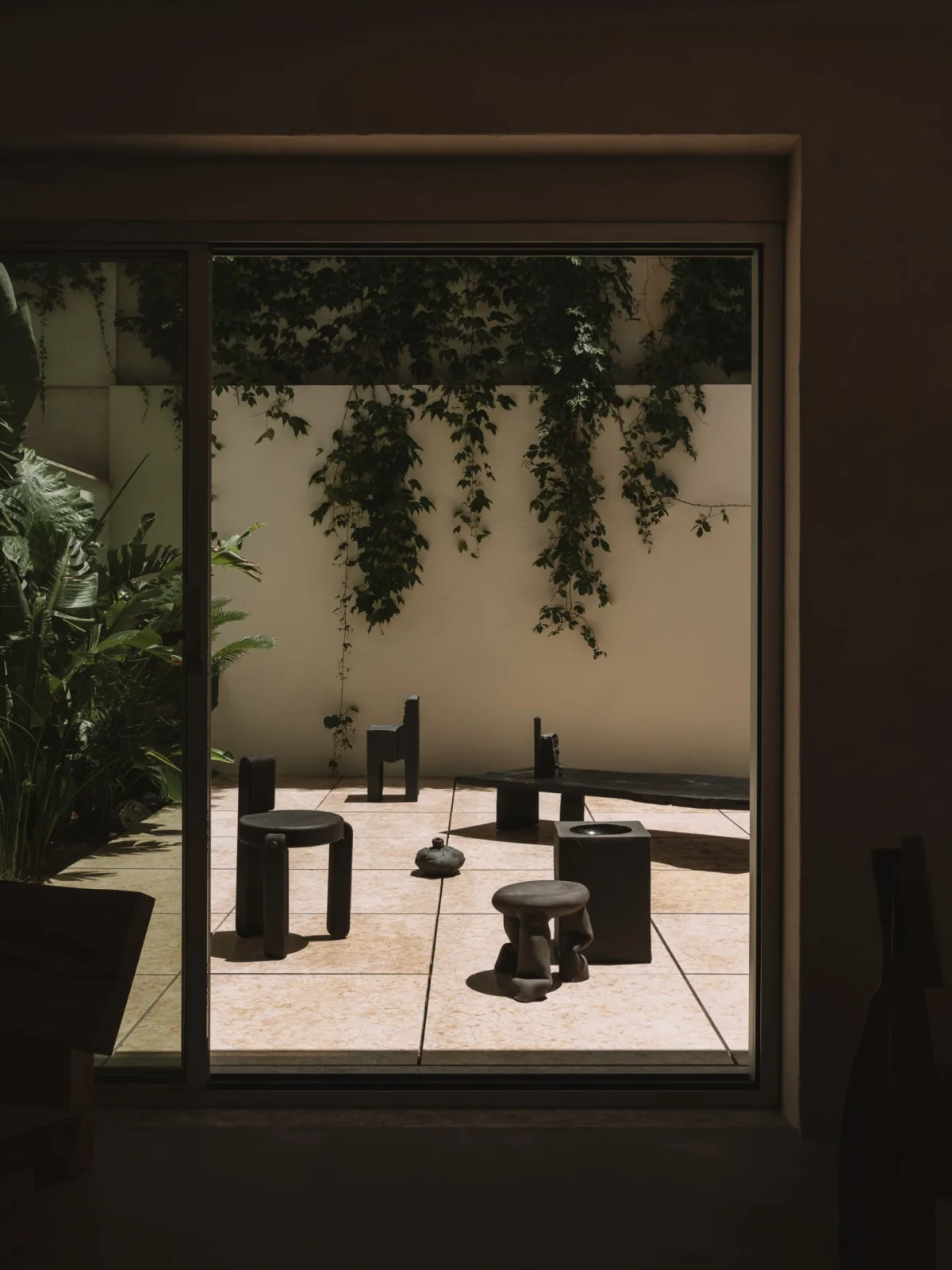
The Lisbon building has conventional architectural dimensions, but Fernandes and Grzeskiewicz spent five years living there before settling on an arrangement that could support both family life and a growing practice. It runs across two levels: the ceramic studio on the first floor opens directly onto the street, while the family’s open-plan living and kitchen space sits below. The west side faces the activity of Rua de São Bento; the east looks onto a quieter courtyard.
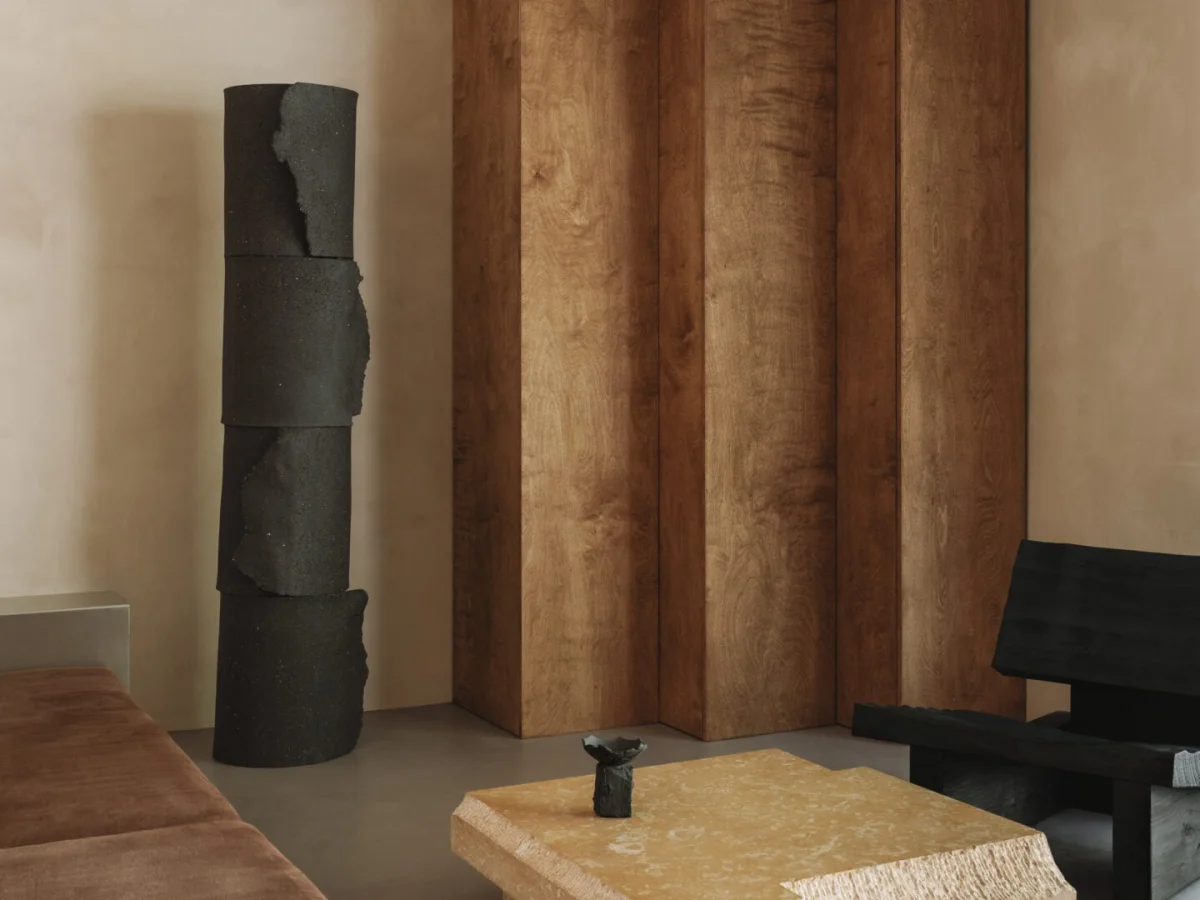
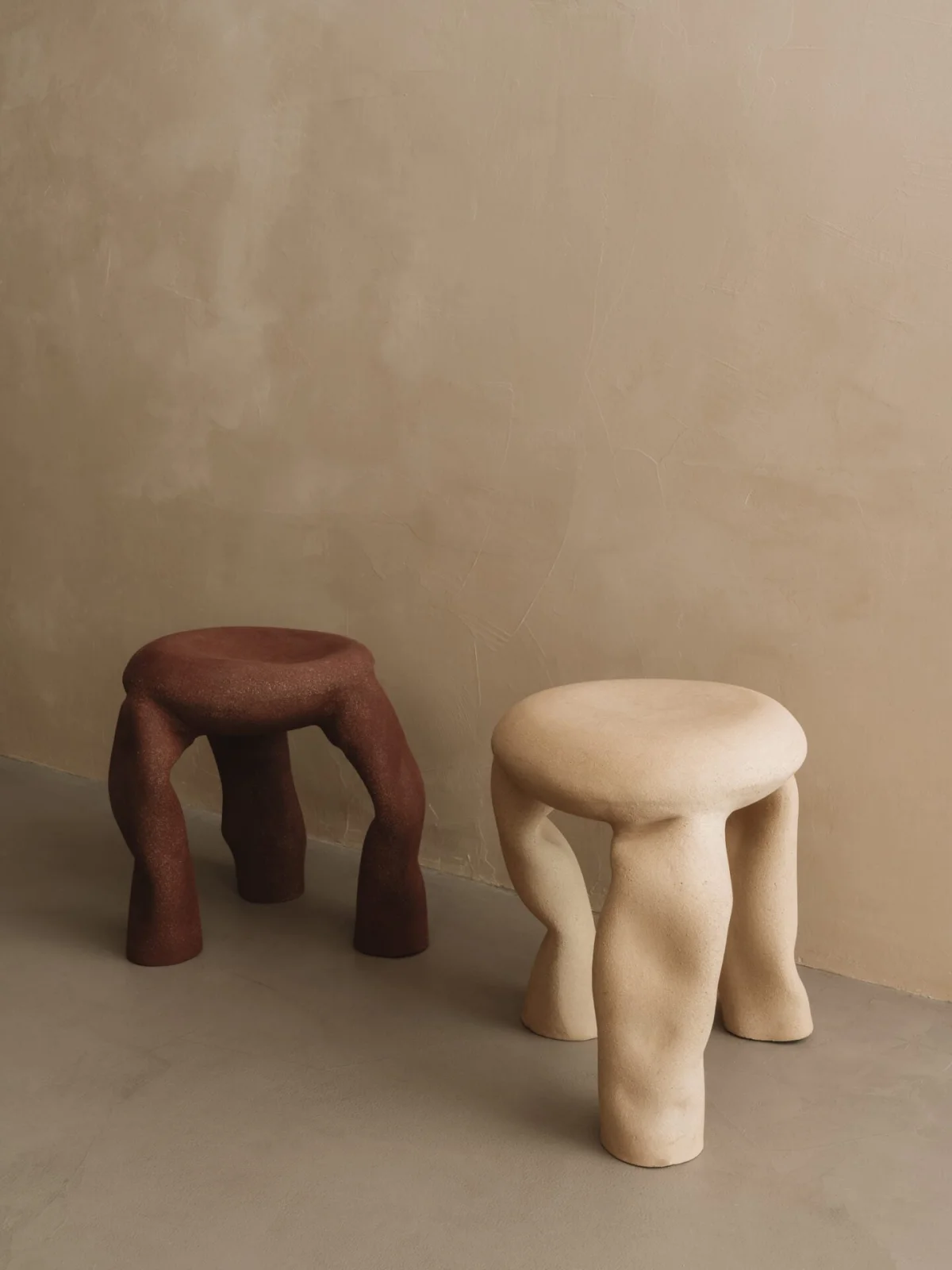
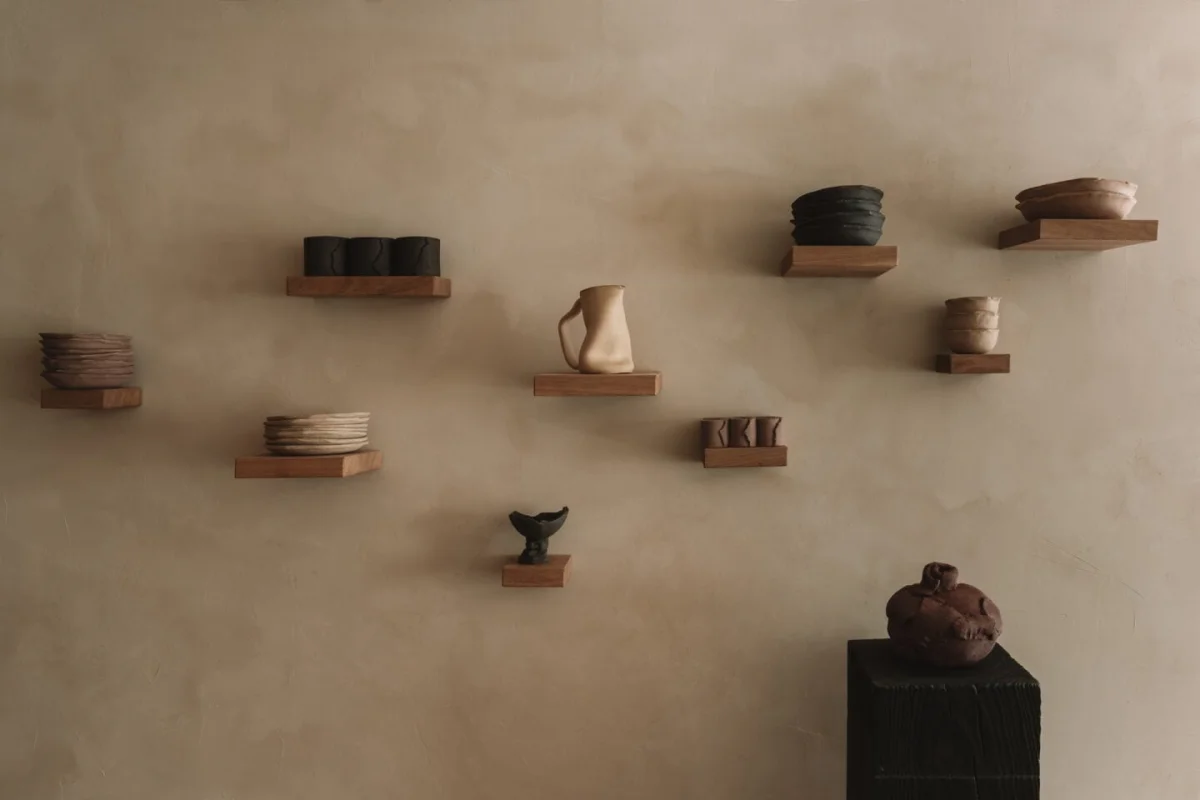
Instead of isolating objects on display, the interior lets them function as part of the home. Visitors can move through different textures, materials and ceramic forms, seeing how the pieces sit together and how they are used. Grzeskiewicz says the aim is to show how the work might live with its owners. That experience gives the showroom a different rhythm from a room of objects arranged only to be viewed: people can sit, open drawers and share tea.
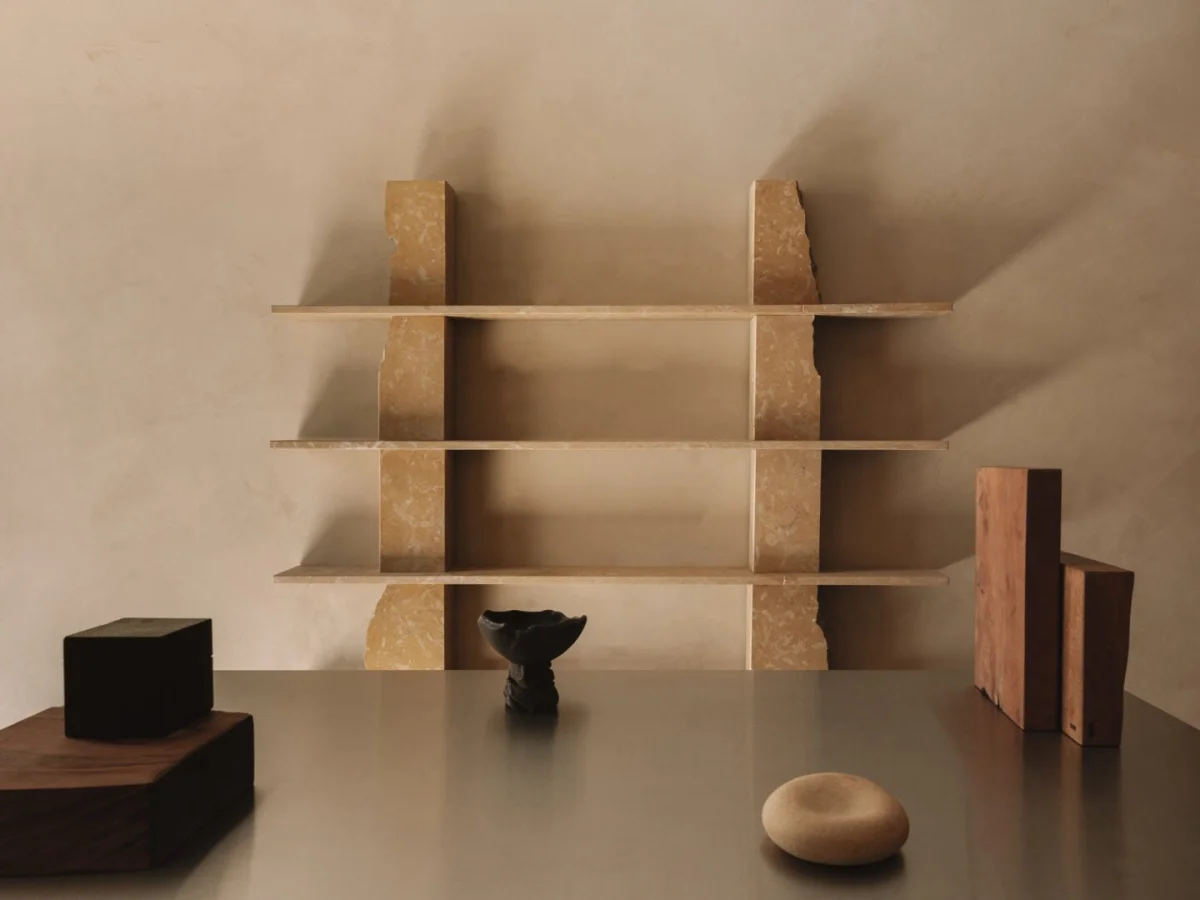
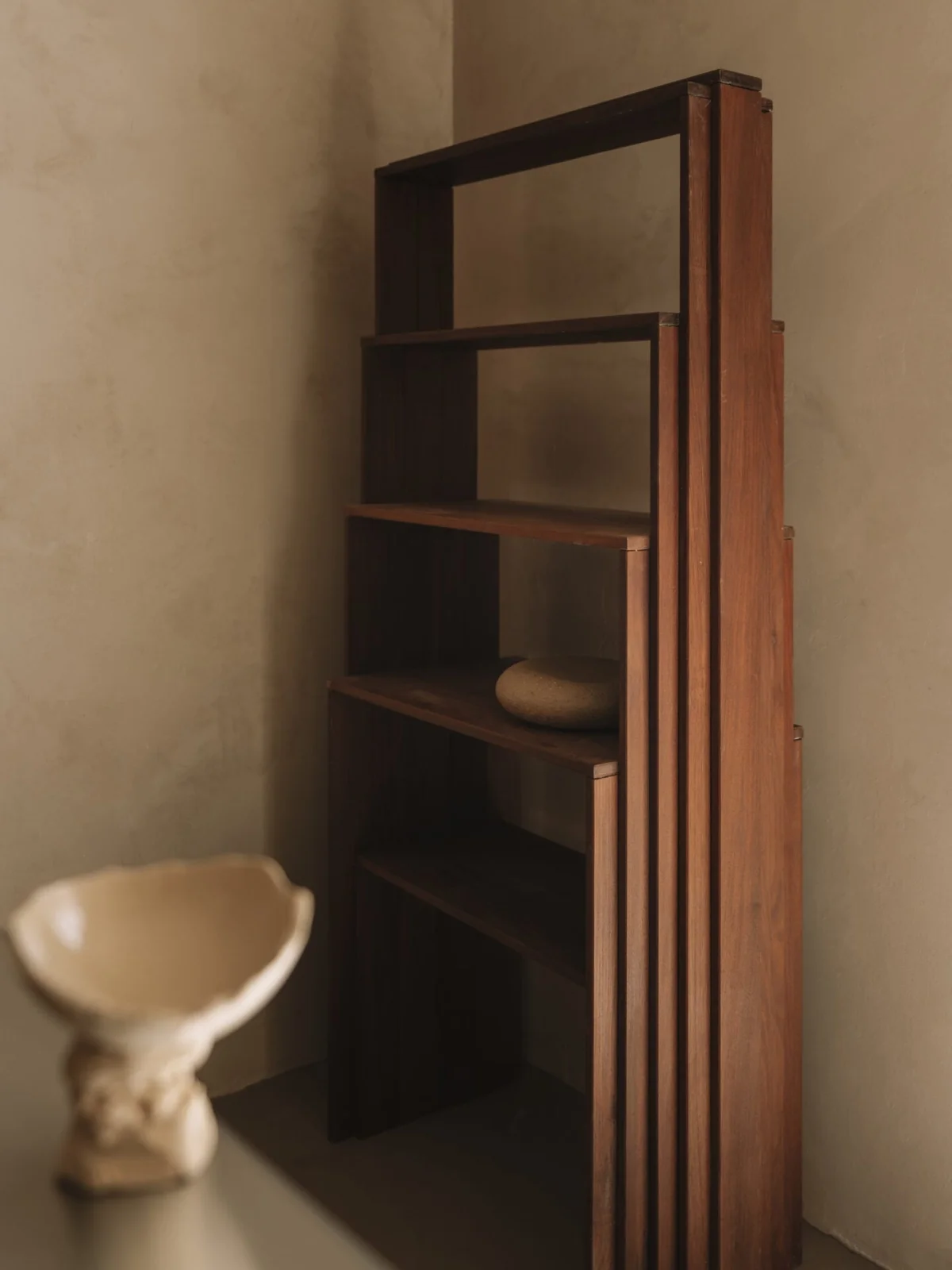
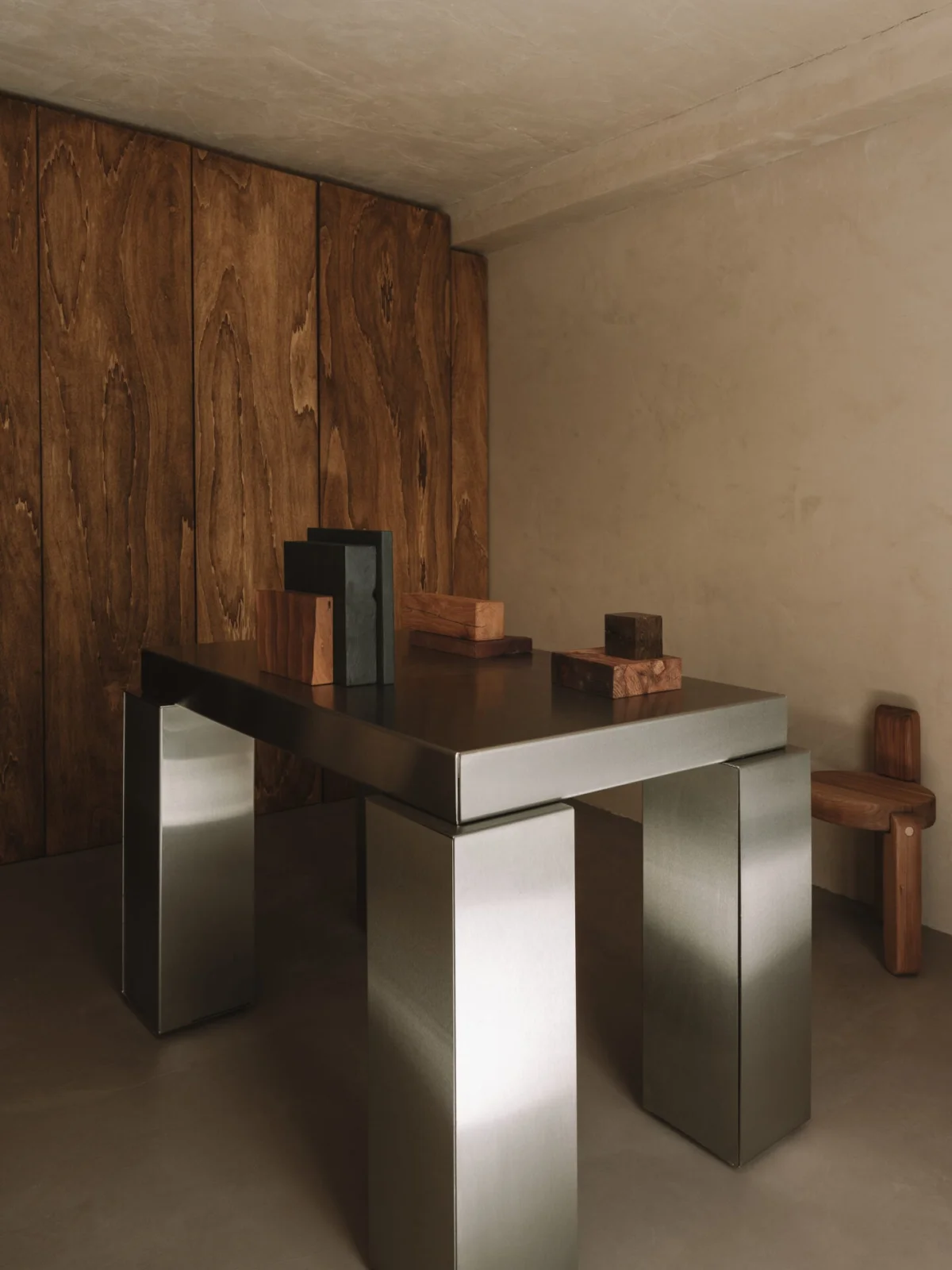
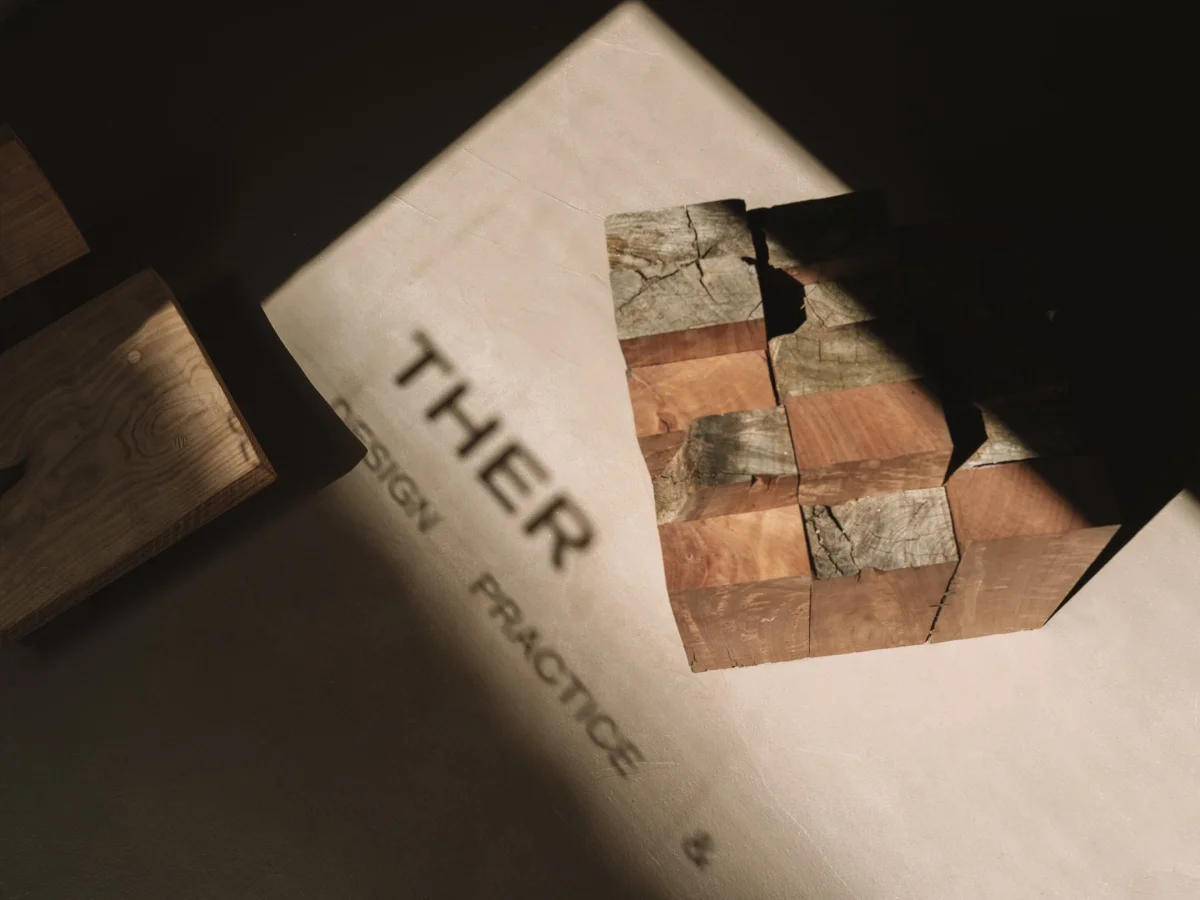
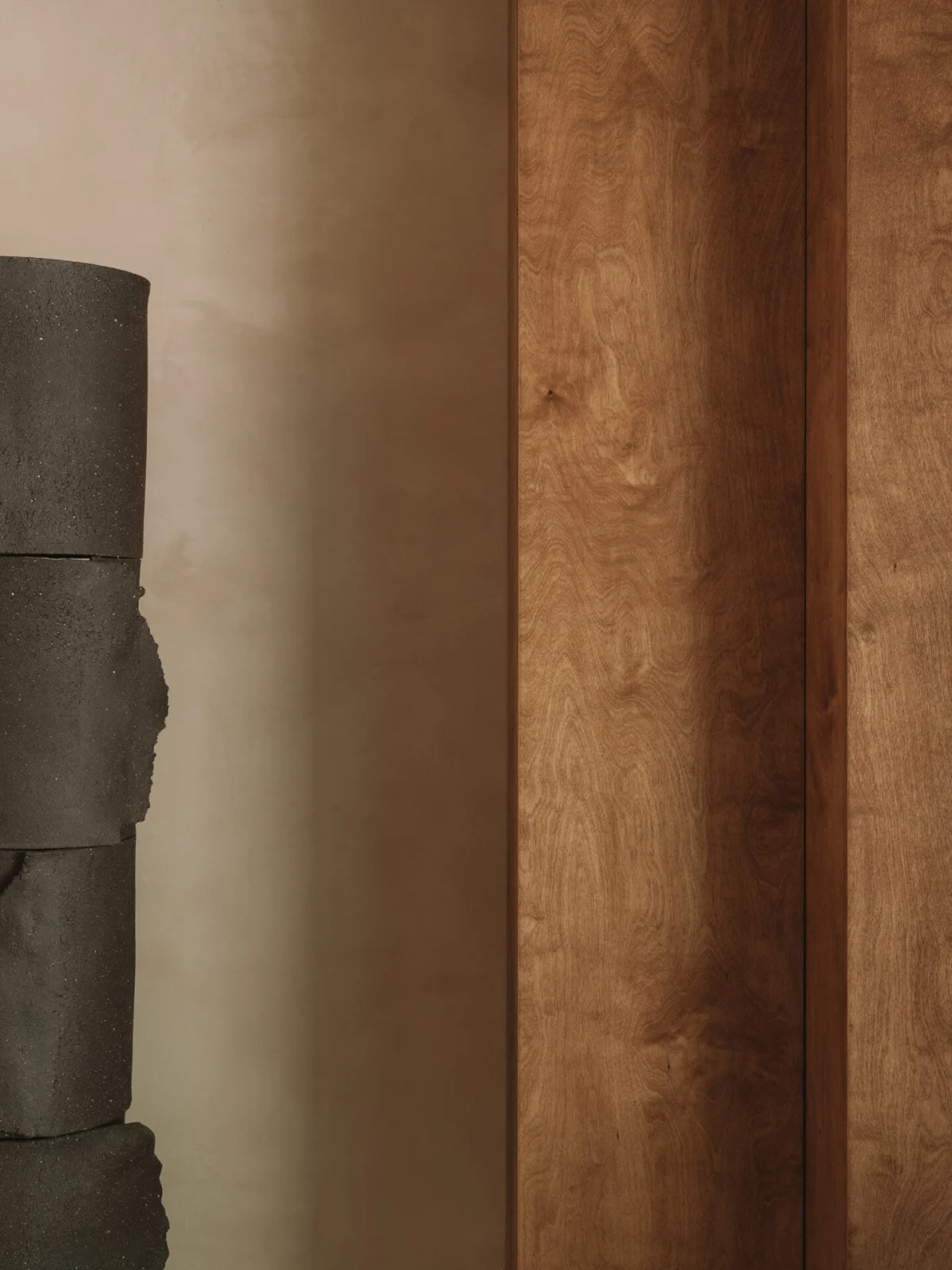
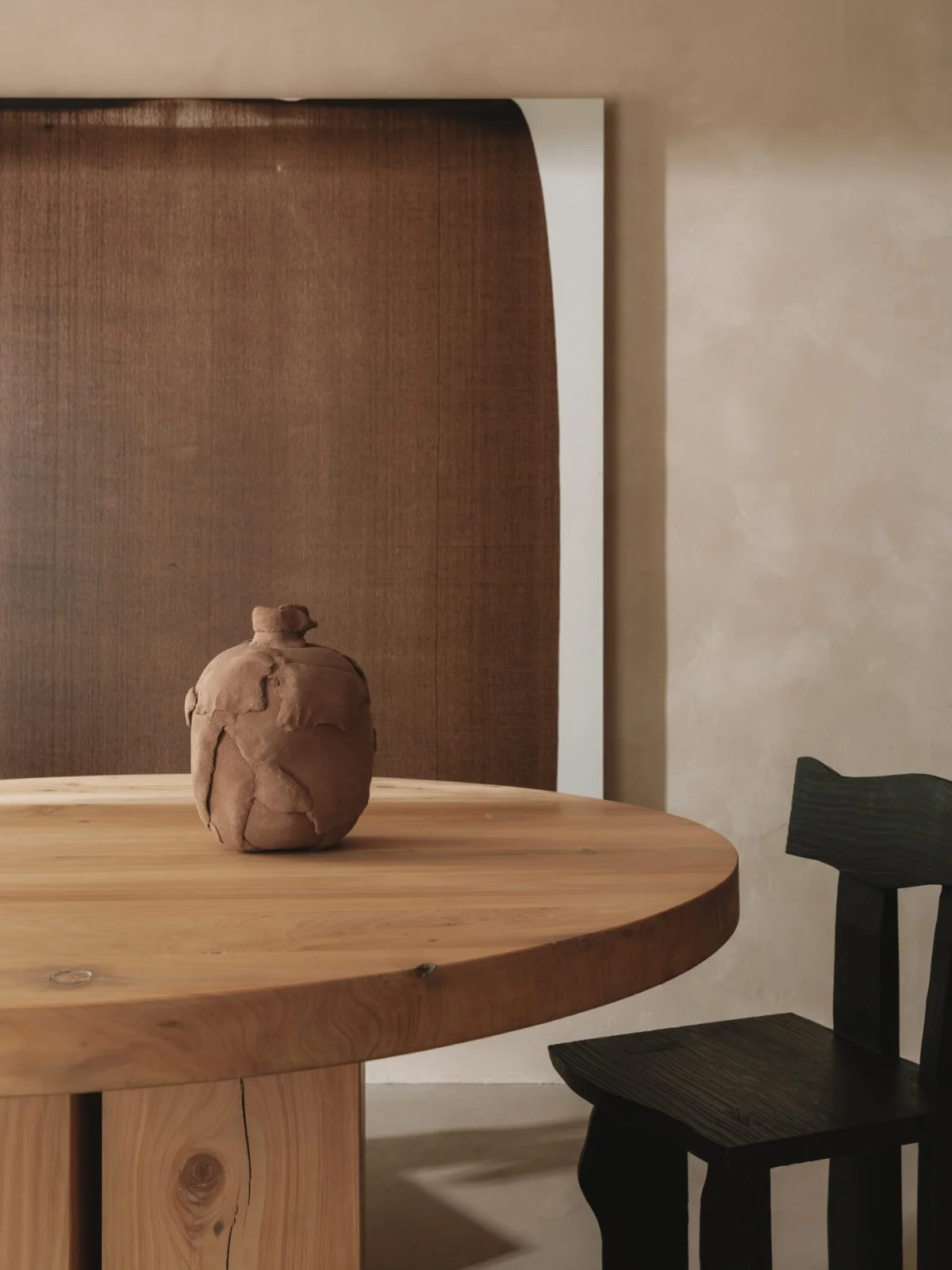
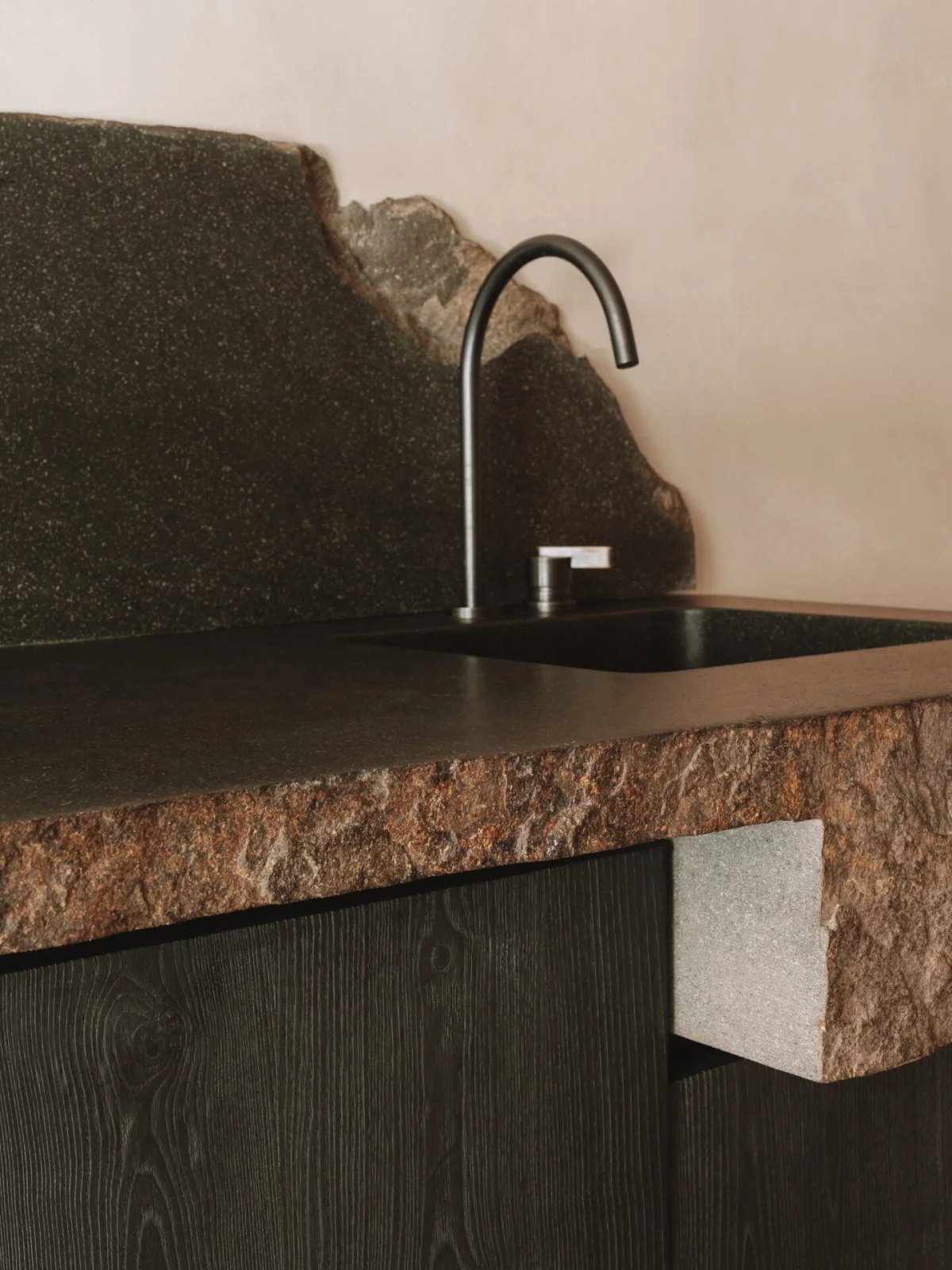
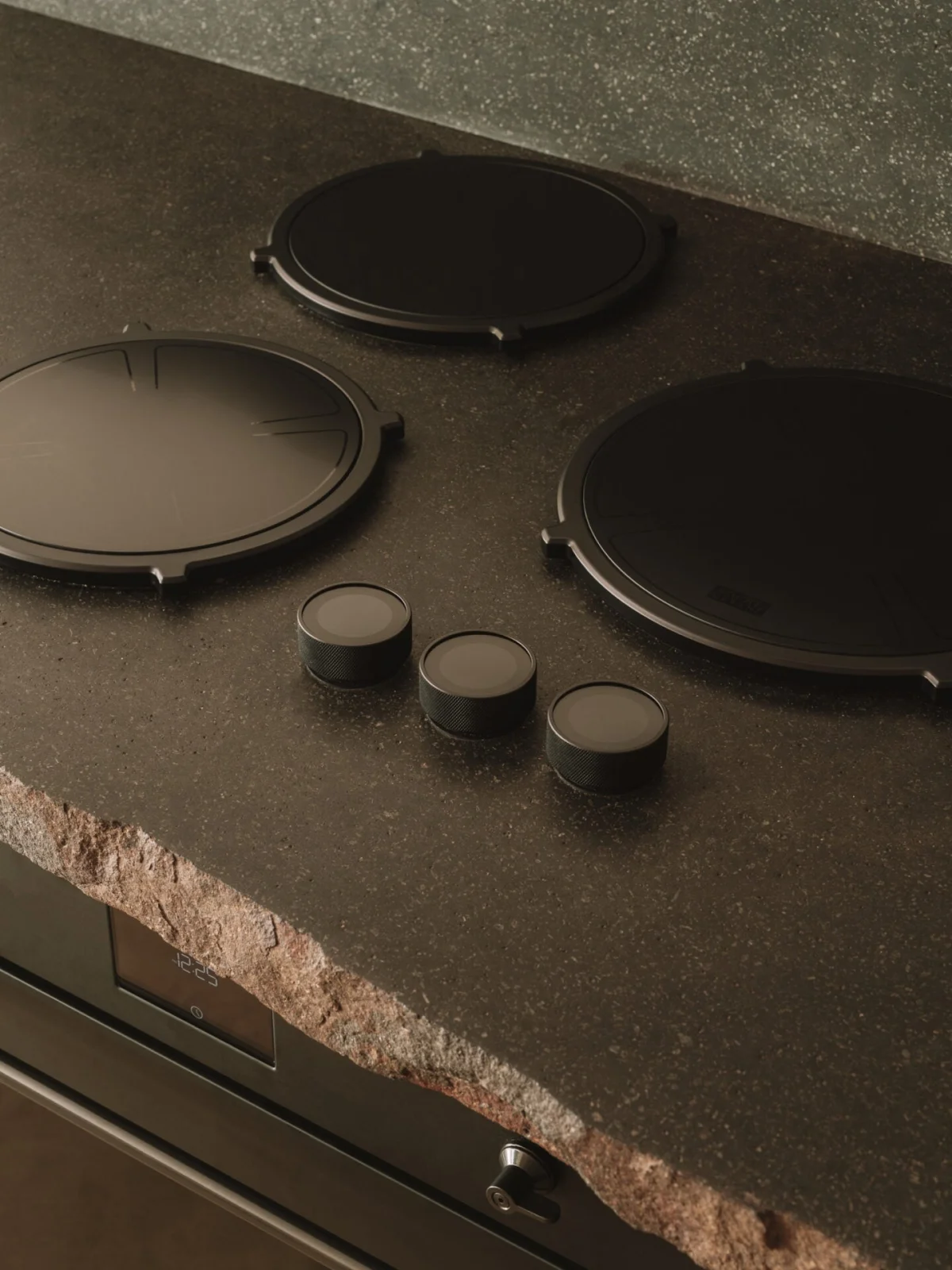
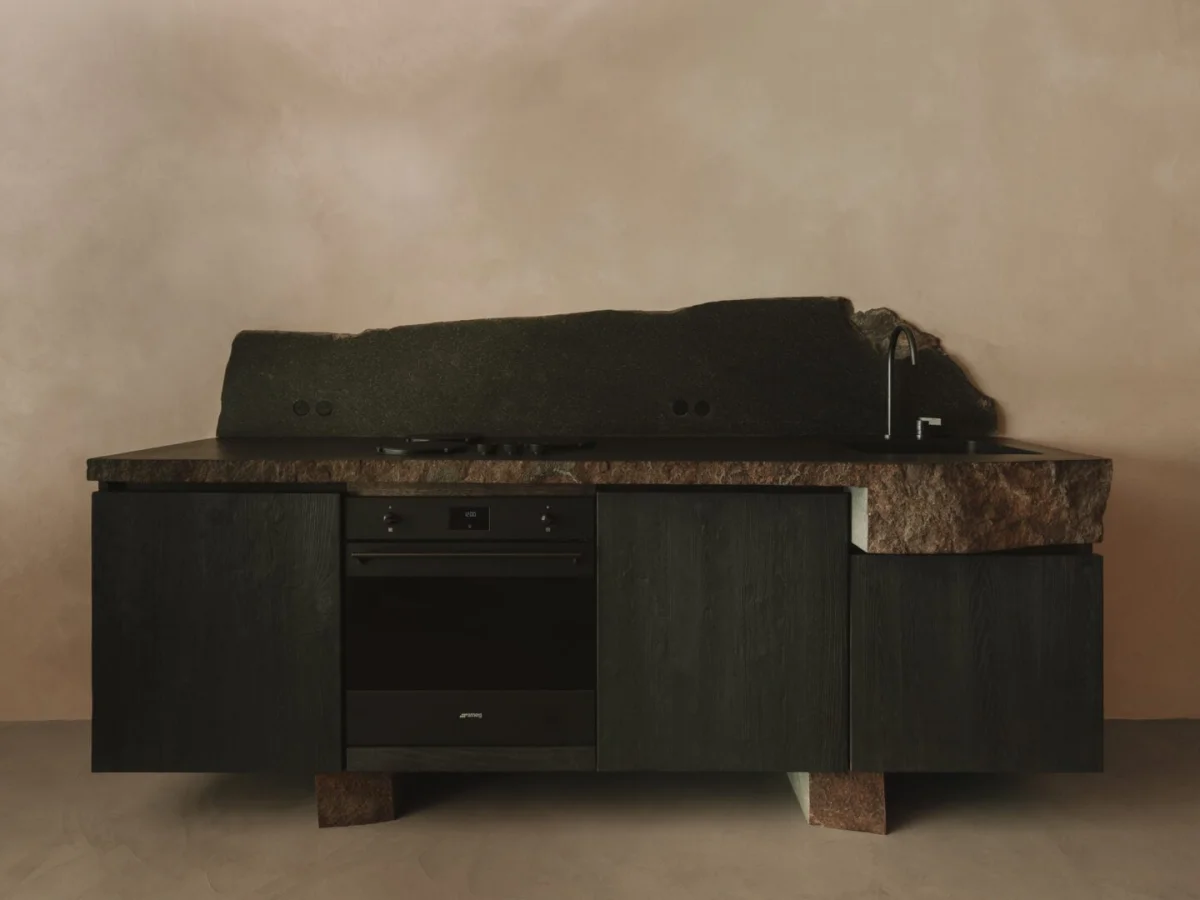
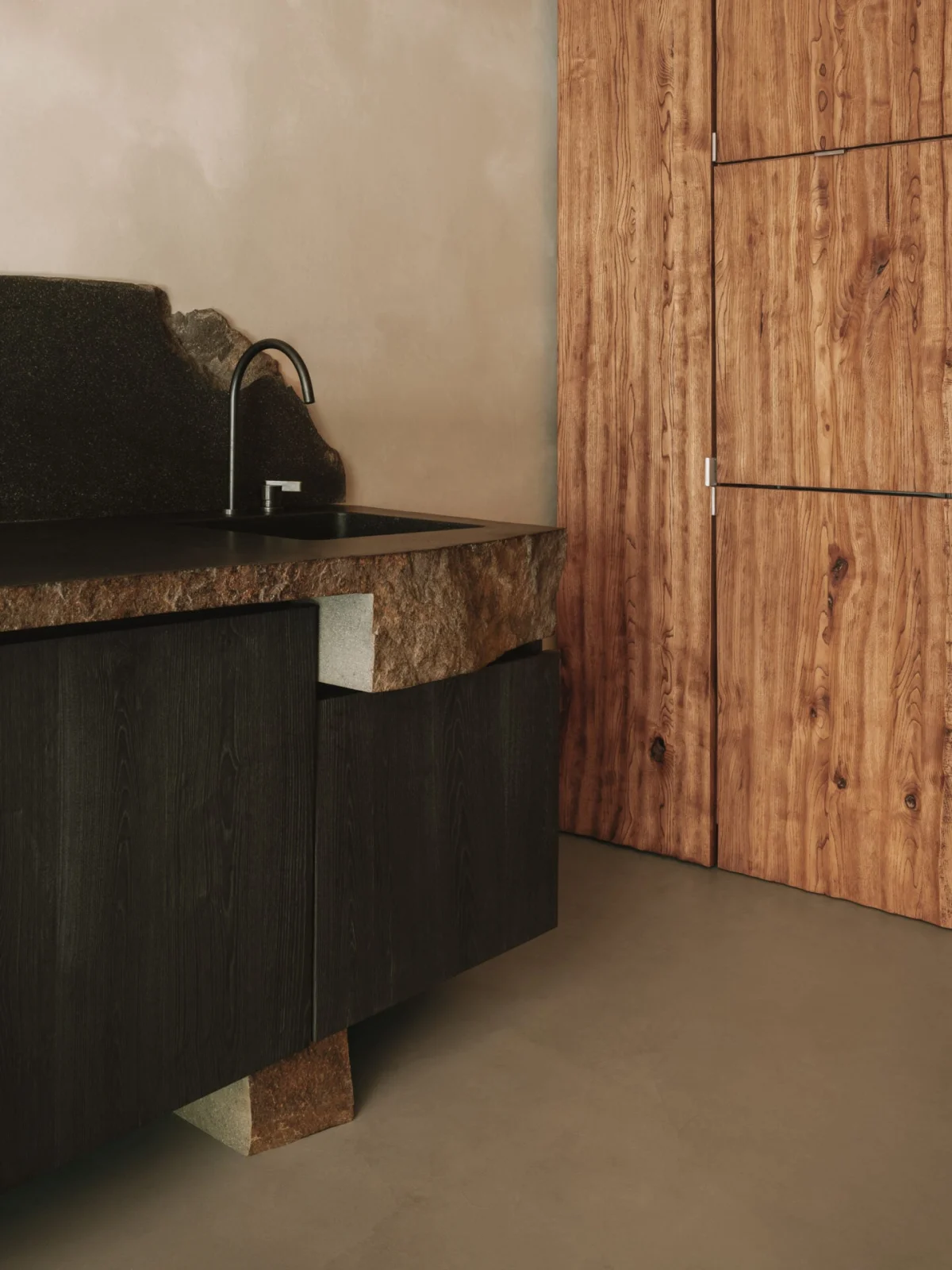
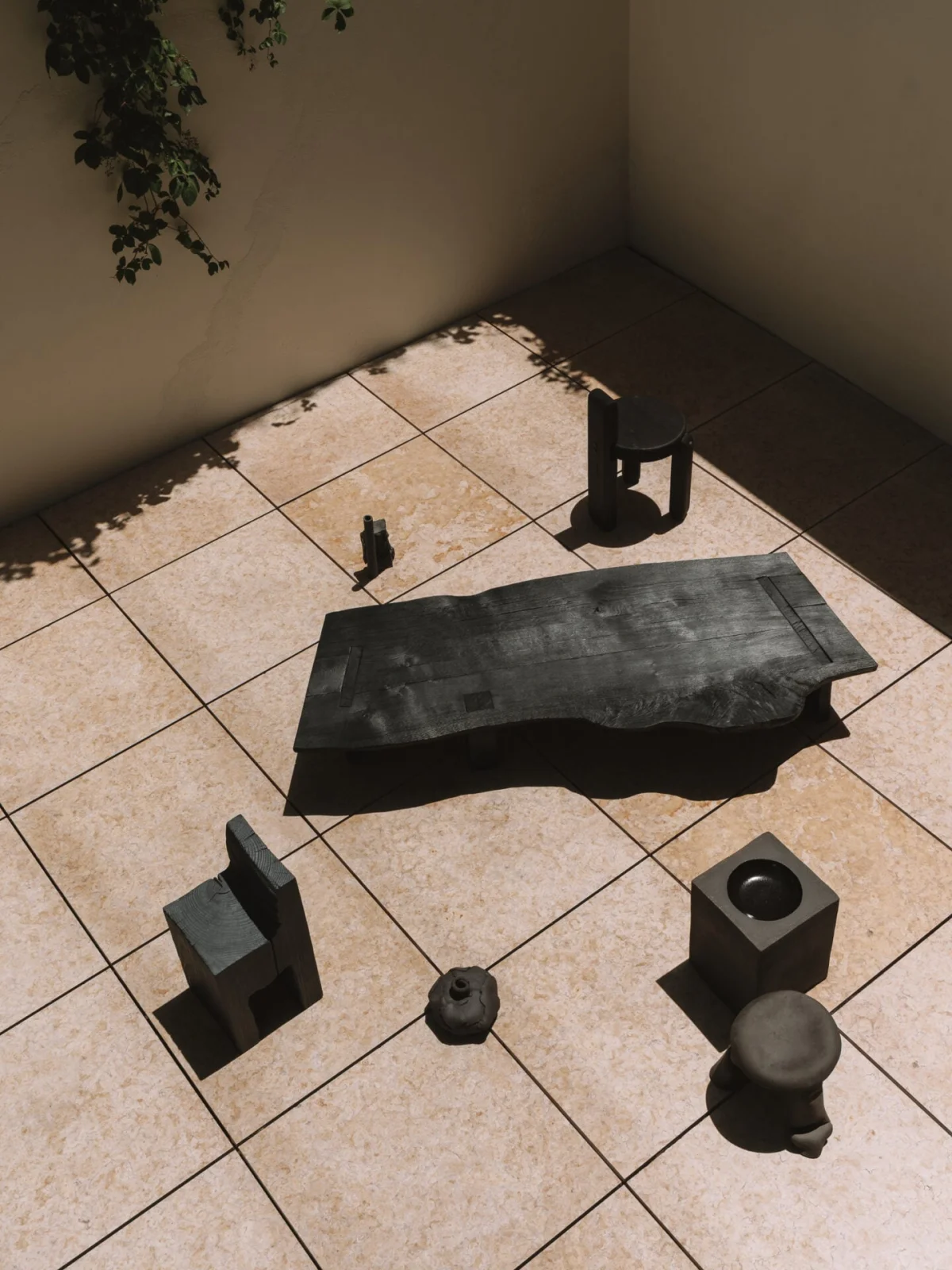
The collection brings together ceramics, timber, stone and metal. The Bend Sofa pairs a sculptural stainless-steel frame with chocolate-coloured linen cushions. A large basalt kitchen unit makes the weight and character of stone part of the room’s daily routine, with drawers visitors can open. At the dining table, the Askew Chair’s timber has been charred using shou-sugi-ban, while Grzeskiewicz’s stoneware cups offer another point of contact with the studio’s material practice.
Objects that ask for attention
Further Ther’s pieces don’t aim to disappear into effortless utility. Grzeskiewicz likes that users need to be mindful when handling them. Fernandes sees their practice within an exchange between art and design: functional objects have their place, but the studio wants its work to do something beyond making a task easier. The objects ask people to notice their materials, weight and form.
Grzeskiewicz describes the studio’s philosophy as “we are what we explore,” a phrase that connects making with the way people encounter objects. The Lisbon space turns that idea into a spatial experience: visitors don’t just look at a chair or cup, but meet it in the setting where it might be used. For designers, the useful lesson is in that close relationship between production, interior and display. Further Ther makes the showroom itself part of the work, and lets everyday contact complete the design.
Images © Clemens Poloczek | Text: Rosie Flanagan