Tuesday, October 6, 2026 · UX & UI Design
DAR.WIN’s Wi-Fi Smart Plugs Turned Everyday Movement Into Aging-in-Place Signals
Noted by Erin Young · 716 reads
Frank McDermott explains how DAR.WIN used Wi-Fi sensing to track home activity, and why adoption depended on privacy, ease of use and customer research.
DAR.WIN’s approach to aging in place began with a practical design question: could a home signal that something had changed without asking an older adult to wear, charge or operate another device? Founder and CEO Frank McDermott built the company around an answer hidden in ordinary smart plugs. The system read changes in Wi-Fi signals to detect movement between rooms, without cameras or wearable sensors.
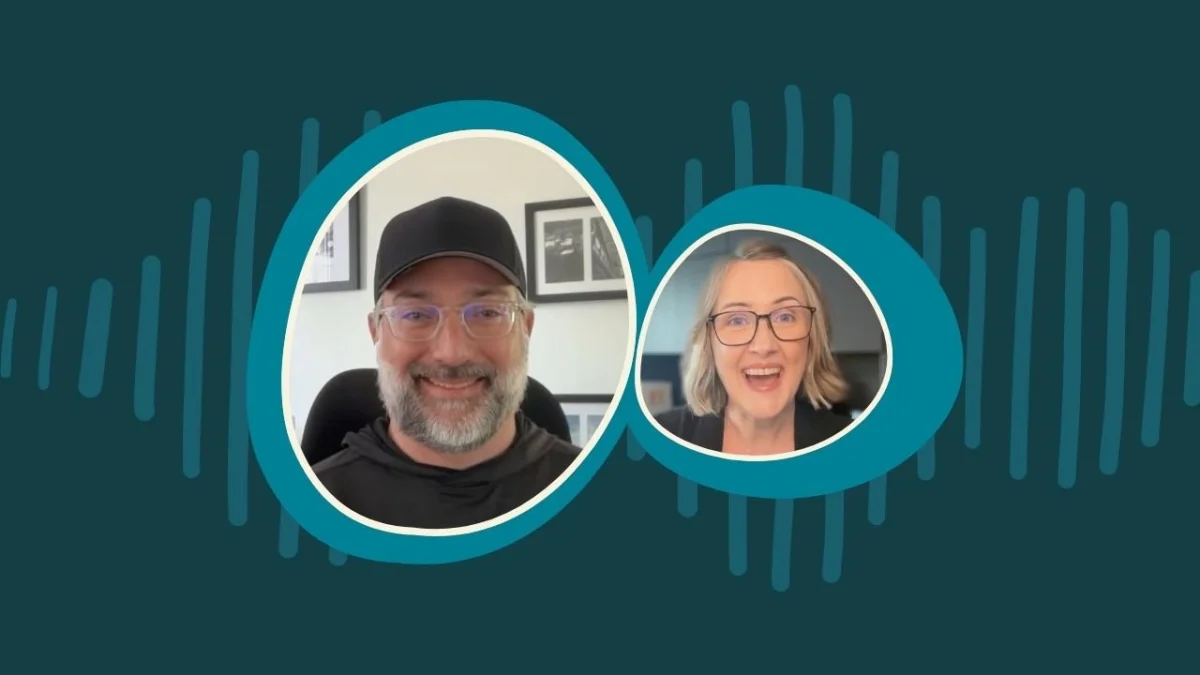
McDermott discussed the product and the decisions behind it with Erin Young, founder of Slide UX, on the Designing for Dignity podcast. The conversation was recorded before DAR.WIN closed in August 2026, after its core hardware provider entered the same market as a direct competitor. The company’s closure gives the episode a second frame: it’s a look at a product concept shaped by everyday care needs, and at the business and supplier choices that can determine whether that concept lasts.
A small kit built around familiar objects
DAR.WIN’s kit used four smart plugs, placed in the bedroom, bathroom, kitchen and living room. Setup through a phone app took about 15 minutes, according to McDermott. Once installed, the plugs used Wi-Fi signals to register movement around the home. The person being monitored didn’t need to remember a routine or interact with a dedicated sensor.
That distinction responds to a common design problem in home safety products: a device can only help if someone is willing and able to use it. A medical alert pendant depends on its wearer putting it on and pressing it when needed. Frank’s 97-year-old uncle-in-law was given one for free after moving into independent living, but it remained in its box. McDermott sees stigma as part of that gap between a product’s intended use and its everyday use.
Other approaches bring different burdens. Installed sensors need to go in specific locations, and their batteries need attention. Home automation can be difficult to configure; McDermott describes it as requiring “a PhD in computer science to figure it all out.” Cameras raise a more fundamental privacy concern in intimate spaces such as bathrooms. DAR.WIN’s design tried to reduce these points of friction by using familiar household hardware and sensing activity without recording images.
From daily signals to useful questions
The system translated movement into updates for a family member or neighbor. It sent an email each morning when the person woke up, and a text after roughly four hours without daytime movement. Over time, seven-day and 30-day views helped show changes in routine, including shifts in nighttime bathroom visits.
Those patterns weren’t presented as a diagnosis. A change in nighttime visits could have several explanations, such as drinking more water before bed or having a urinary tract infection. It could also signal something more serious. The value of a trend, in McDermott’s account, is that it can give someone a reason to raise a question with a care provider or family member. “I don’t need to diagnose myself,” he says. The design’s role is to make a change visible, while leaving interpretation to people who can investigate it.
For relatives who live hours away, the morning message also offers a simple point of contact with the day: the person appears to have started moving around. That signal can’t explain everything happening at home, and the system’s activity data is not a substitute for direct conversation or care. It can, however, help distant family notice a break from a familiar pattern without requiring the older adult to make a check-in call each morning.
Designing for the person using the product
One small product change came from a customer who asked for larger text. McDermott says a font-size toggle was built and shipped in seven minutes. The example is modest, but it shows how a direct request can expose a concrete barrier in an interface. A control for text size can make information easier to read without changing the system’s core function.
McDermott also set a high threshold for identifying whether a caregiver was in a room: 99% confidence across thousands of tests. The example points to a broader product question around inference. When a system interprets activity as belonging to a particular person, a mistake can weaken trust in the information it sends. The threshold he describes reflects the care needed before presenting an attribution as reliable.
His customer research extended beyond product sessions. He says he visited one of the 600 senior care communities near his home each week, bringing coffee and donuts and talking with residents. Those visits surfaced practical objections, including a reluctance to have someone enter the home every three months to change batteries. That kind of feedback tests whether an installation and maintenance plan fits into someone’s life, not just whether the device works in a demonstration.
Customer discovery and the limits of building fast
McDermott frames the difference between inventing a product and building a business as the number of customers a founder talks to: “The difference between the two is how many customers you talk to.” His advice is to establish that a problem is shared and that someone will pay to have it addressed before committing to the solution.
That discipline matters in hardware, where product decisions depend on components and suppliers as well as software and service design. DAR.WIN spent four years developing its system, but its core hardware provider later moved into the same market. The episode doesn’t provide further detail about the business’s closure, yet the sequence makes supplier dependence part of the story. A product team’s design work can be affected by who controls the components it relies on.
McDermott has worked in software for more than 25 years. He co-founded Caravan Interactive in 2010, describing it as one of New York’s first iPhone app companies; it now builds AI products and systems for organizations. Earlier, at age 26, he brought an energy drink to market and sold 100,000 cases in 18 months. His father’s heart attack in rural upstate New York, followed by a nearly two-hour trip to a hospital, led him to start DAR.WIN. McDermott is based in Atlanta.
Episode details
The 62-minute episode is hosted by Erin Young and features Frank McDermott, founder and CEO of DAR.WIN. Its subjects include aging in place, passive monitoring, privacy at home, care across distance, hardware distribution and customer discovery. Watch the episode on YouTube.
McDermott also co-founded Caravan Interactive. More information about DAR.WIN’s closure is available in McDermott’s post, and his professional profile is on LinkedIn.
Designing for Dignity is a Slide UX podcast hosted by Young. It looks at how design affects autonomy, connection and quality of life for people navigating aging, brain change and care. Episodes feature innovators, care partners, researchers and people with lived experience. Subscribe to Slide UX on YouTube.