Wednesday, November 25, 2026 · Graphic Design
Father’s Can You Hear This? Turns Kent Coast Sounds Into a Studio Statement
Noted by Tom May · 973 reads
Father’s short film turns recordings from Dungeness into music, showing how sound can shape a studio’s identity and design work.
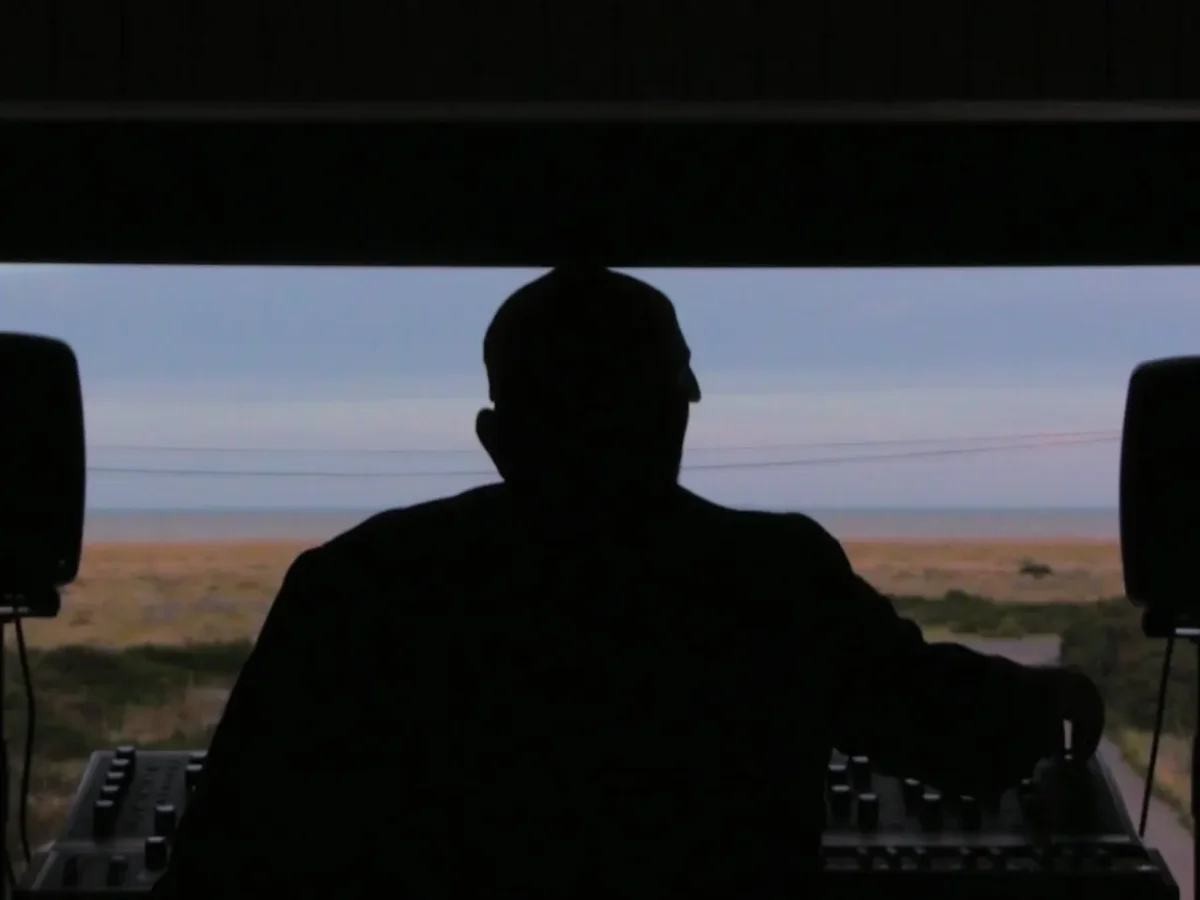
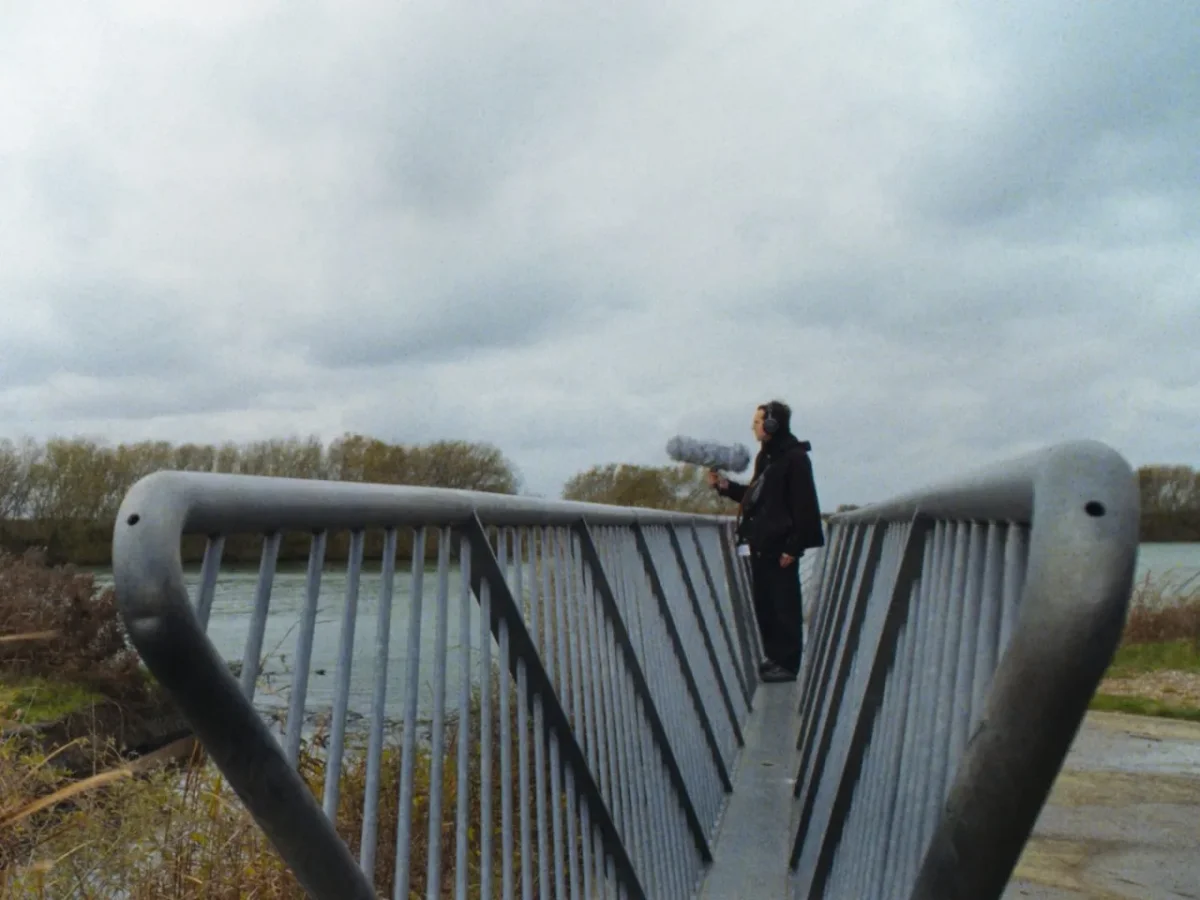
Father introduces its sound practice through listening. In Can You Hear This?, the London creative studio takes hydrophones and contact microphones to Dungeness, records the coastal environment, then builds music from what it finds. The film makes the process itself the message: sound isn’t an extra layer applied after the visual work, but a material the team can shape from the start.
That choice gives the project a clear design idea. Instead of explaining the studio’s approach through a string of claims, Father lets the location, recording equipment and music carry it. For creative teams, the film offers a useful reminder: when a practice is hard to describe, showing how it works can communicate more than a polished list of services.
Recording the place, then composing with it
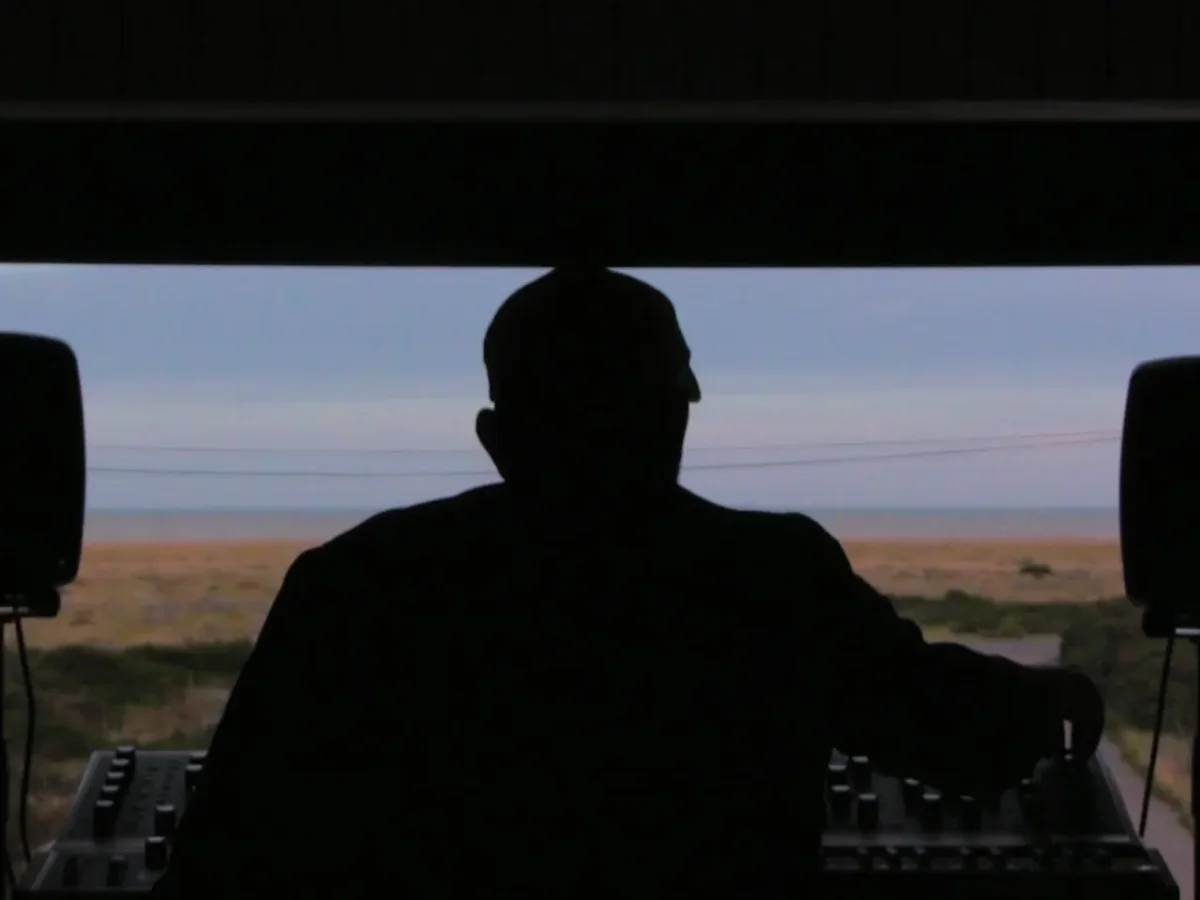
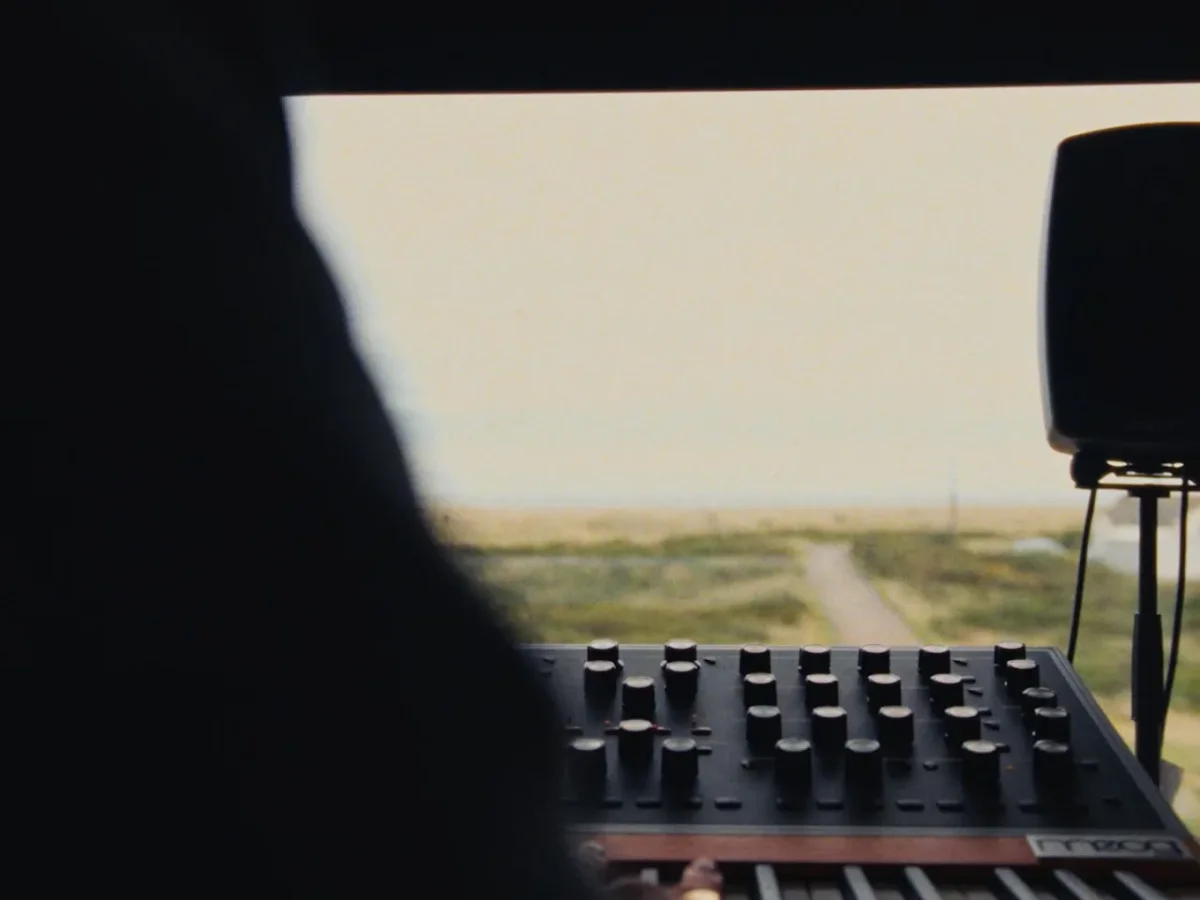
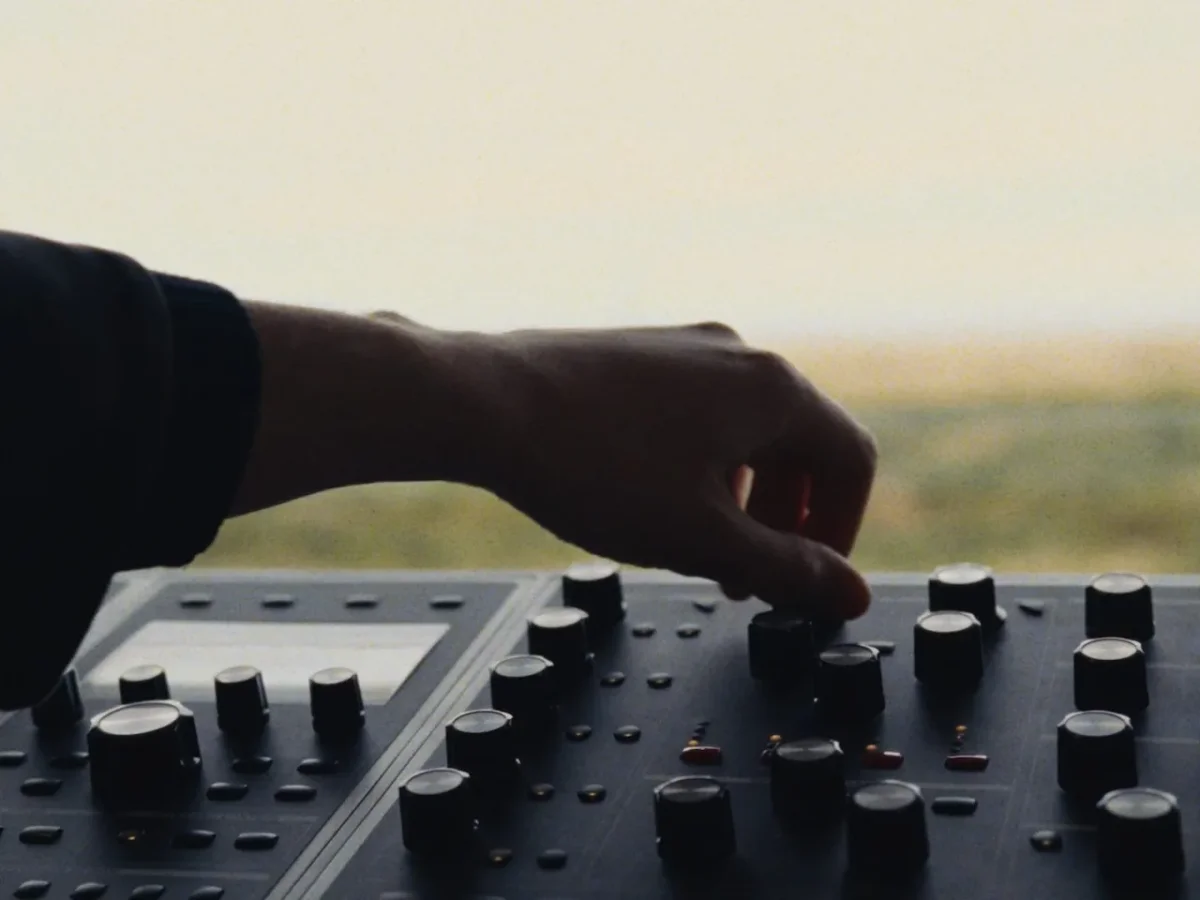
Father’s team worked across Dungeness’s shingle terrain with hydrophones and contact microphones, capturing sounds from the landscape. They then brought a mobile studio to the coast and spent several days transforming those recordings into music. The sequence connects field recording to composition in a direct, legible way: the environment supplies the source material, and the studio work makes its transformation visible.
The film moves between windblown marshland and the illuminated controls of analogue synthesizers. Its measured pace gives the viewer time to notice both the setting and the equipment; there’s no voiceover explaining what to think. Father co-founder Joe Farley calls it “an unspoken manifesto”, saying that some aspects of the studio’s work are difficult to put into words and are better felt.
That restraint is a considered communication decision. A fast montage or explanatory narration could have made the film feel like a conventional agency reel. Here, the quiet rhythm reflects the studio’s stated interest in tone, texture and silence, while the repeated return to the recording setup keeps the creative process in view. The result asks the audience to listen as well as look.
A studio shaped by music and design
Composers Joe and Freddie Webb began their working relationship as runners in Soho and played in a band together. A director later asked them to write music for the British Fashion Council, an early project that helped turn their musical collaboration into a creative practice. More than a decade on, Father brings musical craft together with design thinking and strategy.
The film sits within a wider identity project described as Chapter 01. Father’s managing director, Aifric Lennon, says the studio wanted to show that craft and artistry remain central as its work has grown. She points to a range that includes an exhibition at the V&A and a sonic identity for O2, with ideas explored in one project informing the next.
The launch also includes an evolved visual identity by branding agency Further and a collection of designed objects. In December, the programme continues with a limited vinyl release created with Tom Hingston, founder of Hingston Studio, and a listening session at Space Talk, a hi-fi listening bar on St John Street, between Farringdon and Clerkenwell in London.
Sound as part of the design system
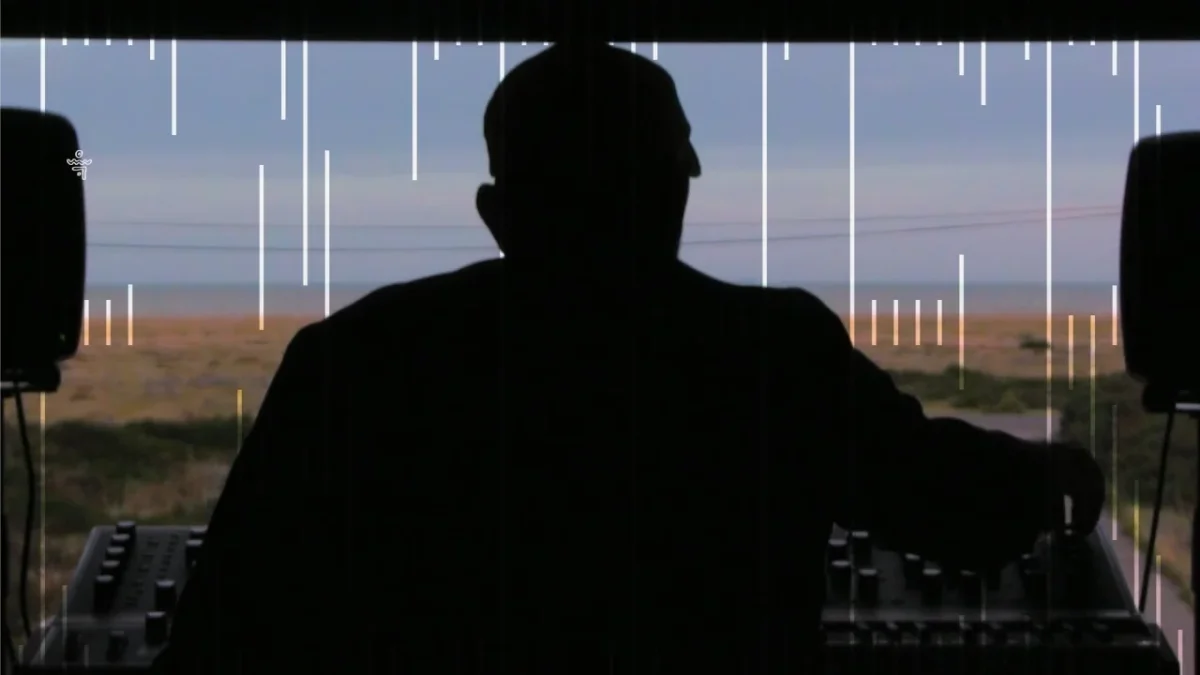
Father’s position is that sound belongs in the design process from the beginning. Freddie Webb describes it as something treated with the same intention as light, colour, material, texture, movement and space. Rhythm and tone can guide how an experience feels; silence can shape its function. This framing gives sound designers and art directors a practical way to discuss audio alongside familiar visual decisions, rather than leaving it until a project is nearly finished.
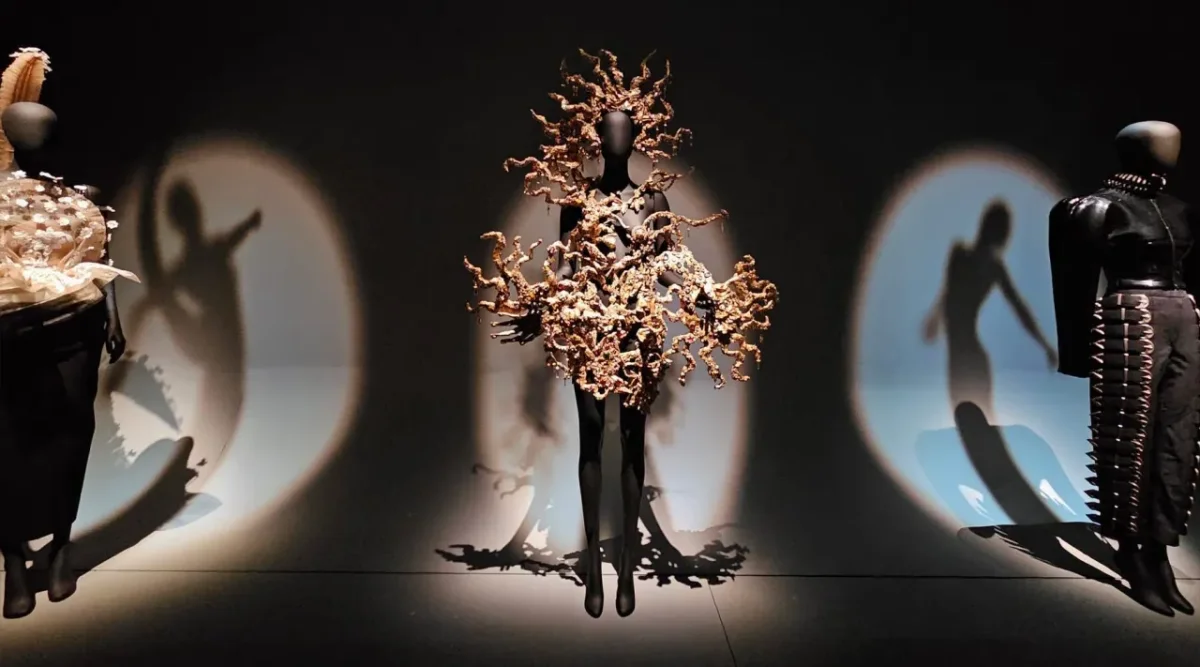
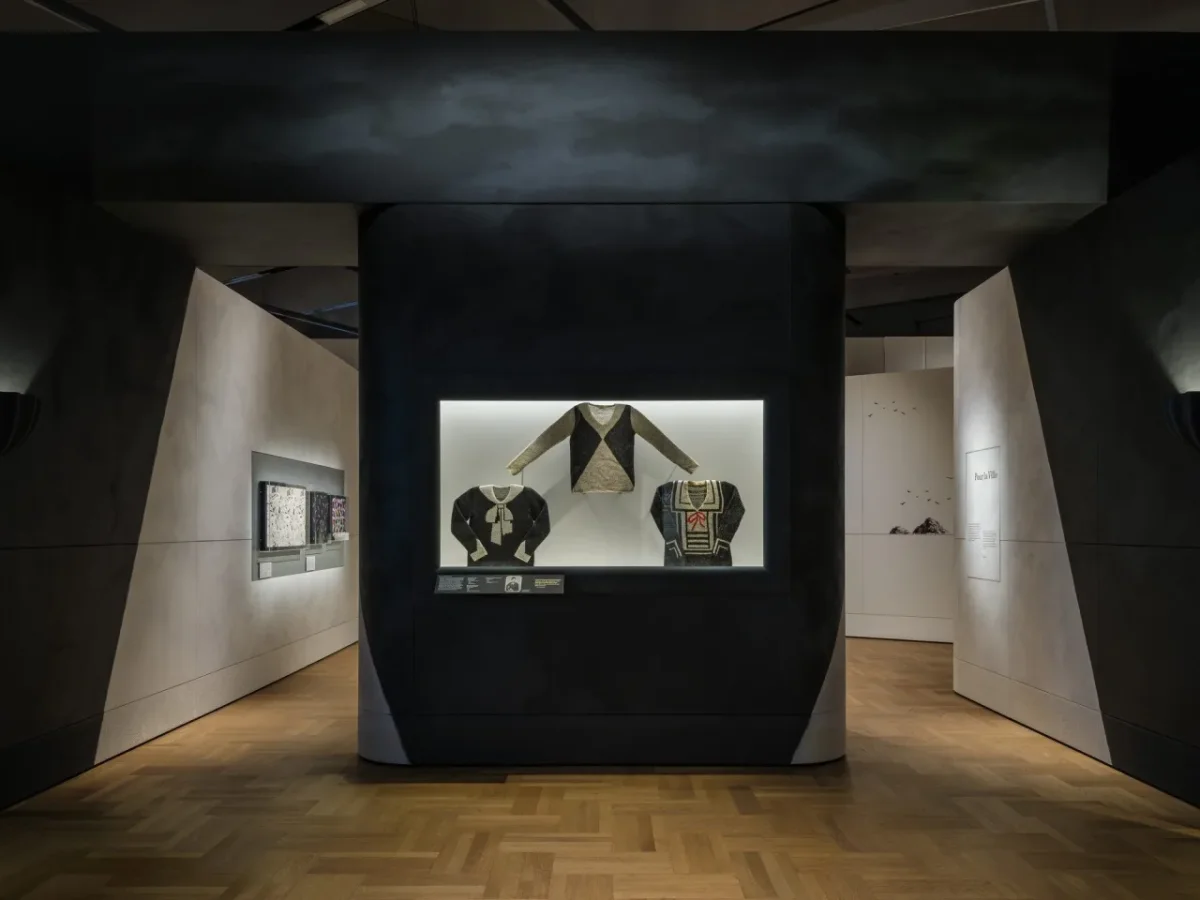
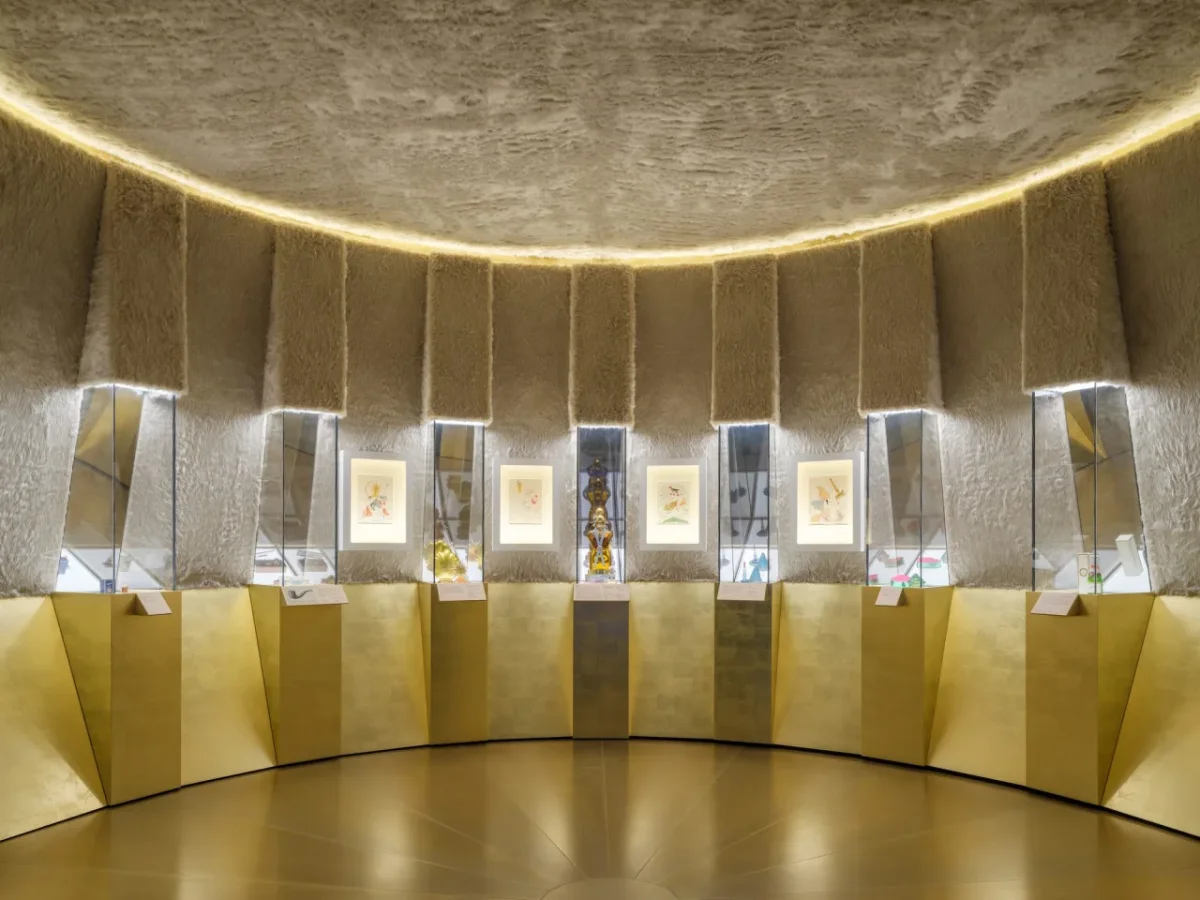
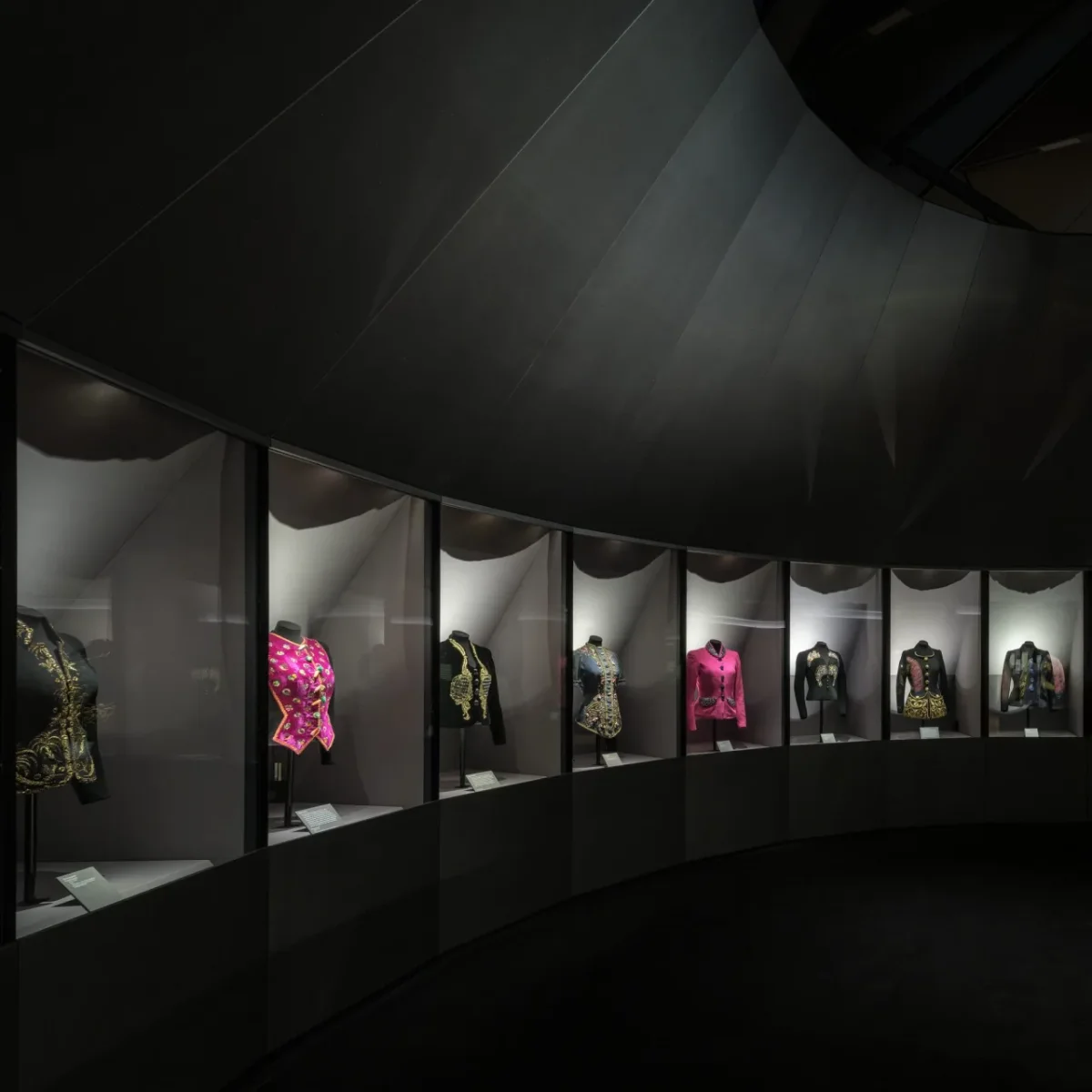
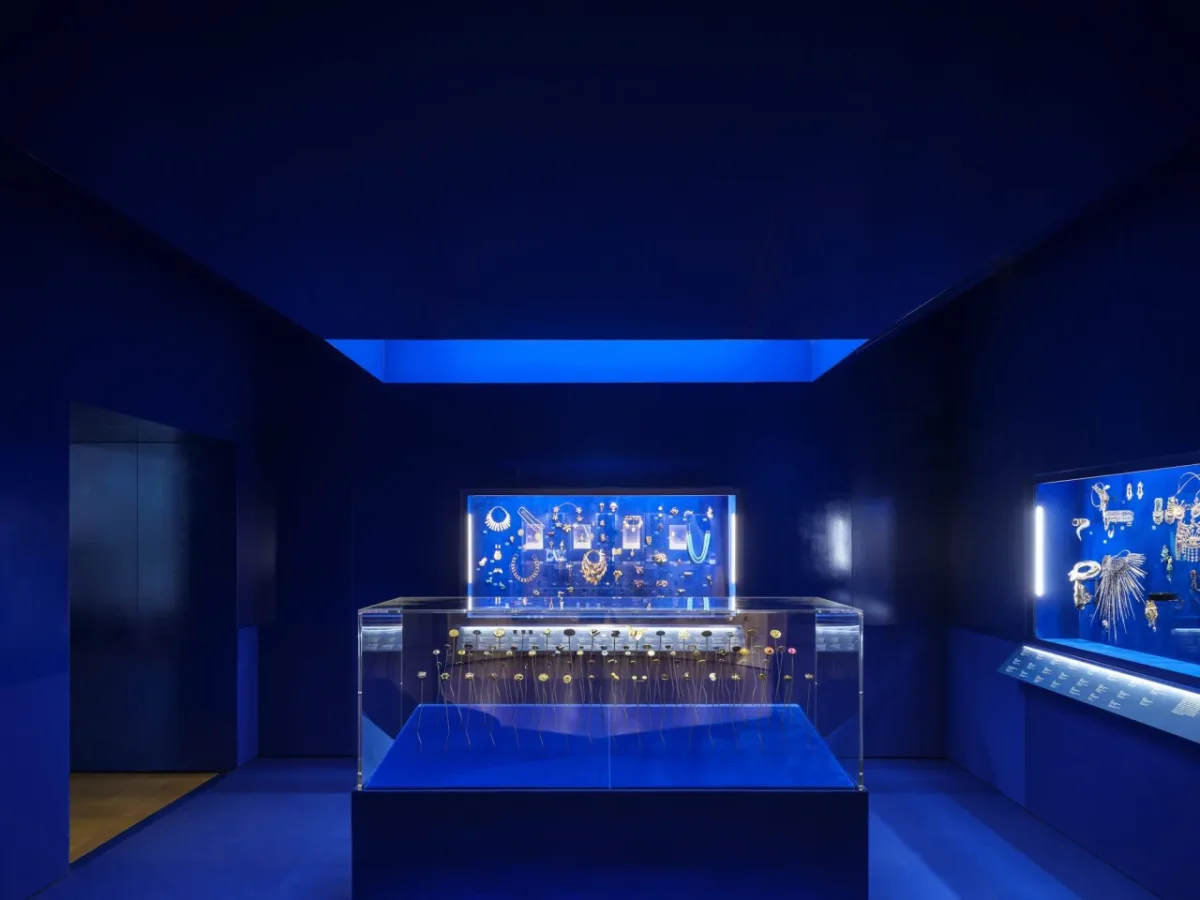
The studio’s work for the V&A exhibition Schiaparelli: Fashion Becomes Art puts that approach into an exhibition setting. Working with architecture and design studio Nebbia, Father made a series of scores from recordings of materials and processes. A fragment of Debussy recurs through the compositions, creating a sense of recognition without making the reference immediately obvious.
For O2, a recording session focused on human breath became the starting point for a sonic identity and brand track. For cycling clothing and accessory brand Rapha, Father composed interconnected original tracks that give the brand’s films a shared musical language. Each project starts with a different source, but the method is consistent: identify a sound with meaning, then develop it into a designed system.

Can You Hear This? makes that method tangible without turning it into a sales pitch. Its strongest idea is also its most useful for other teams: let the chosen material do real work. Recording a place, object or process can give a project a distinctive starting point, while considered editing and repetition can carry that source across different formats. Father’s film leaves the viewer with a straightforward prompt for the next brief: before adding another explanation, decide what the audience could hear.