Thursday, November 26, 2026 · Graphic Design
Réka Mátyás Builds Playful Illustration Worlds from Everyday Details
Noted by Ayla Angelos · 500 reads
Budapest-based illustrator Réka Mátyás turns small observations into warm, patterned scenes, using rough sketches and layered visual storytelling.
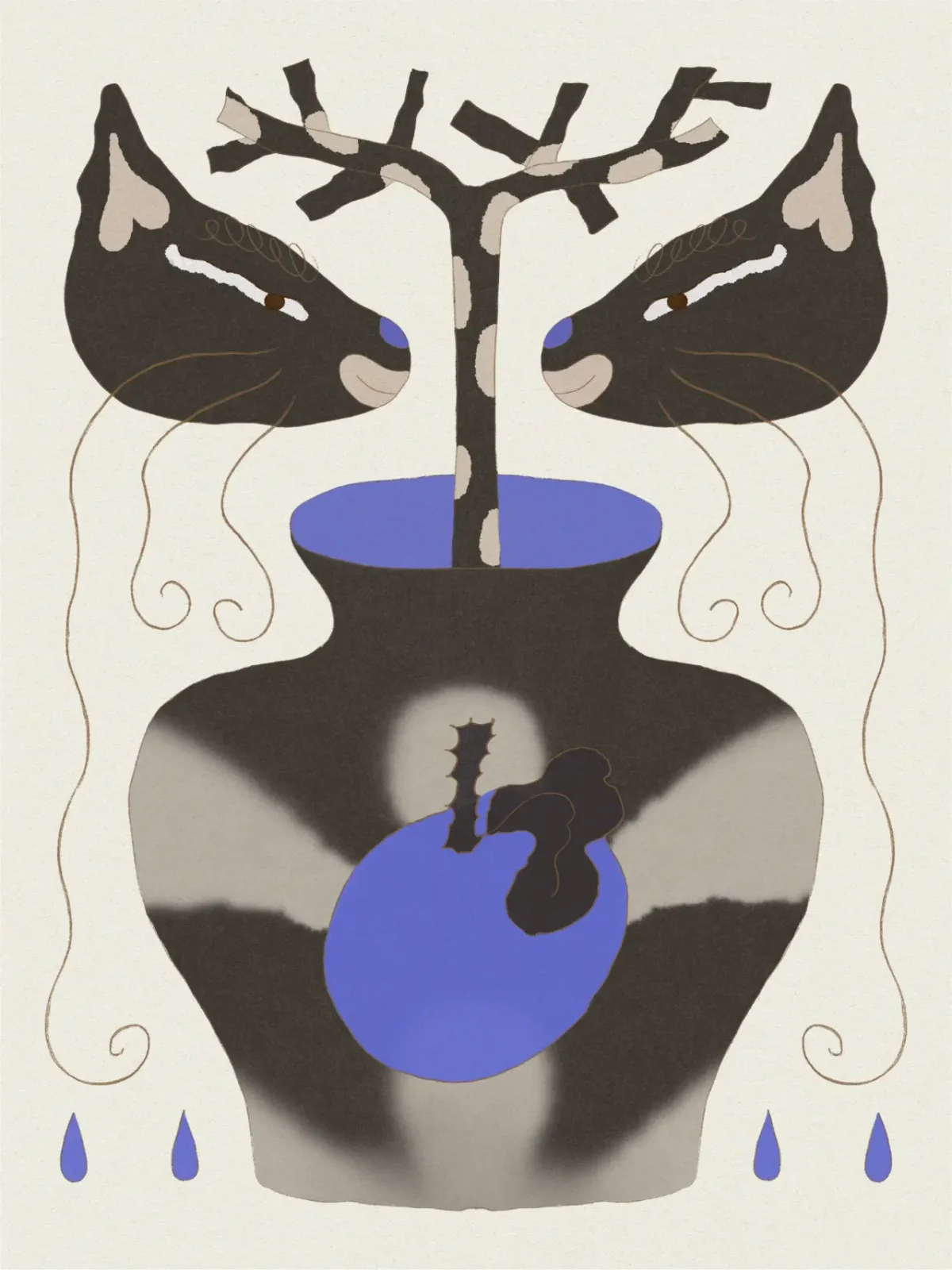
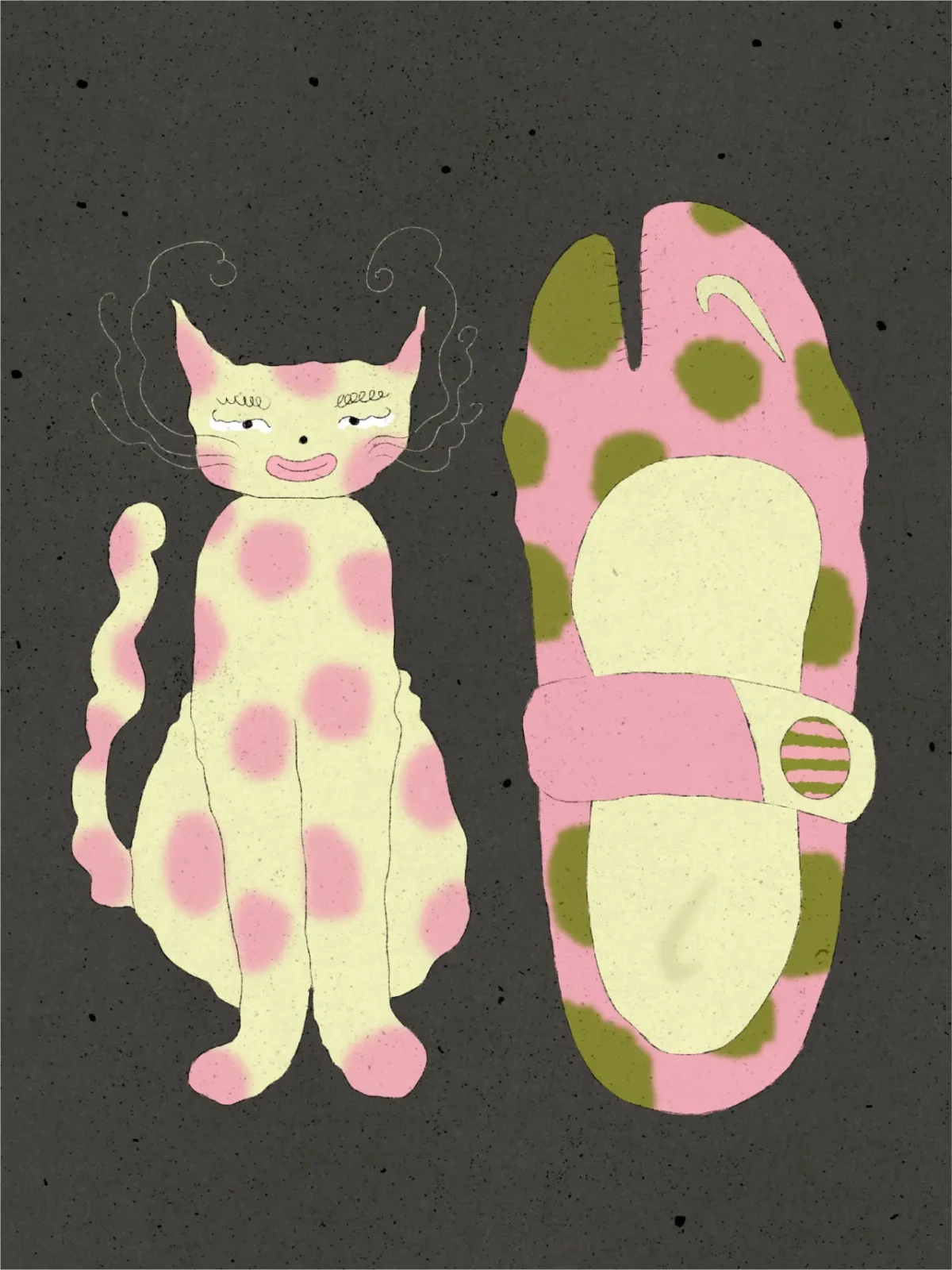
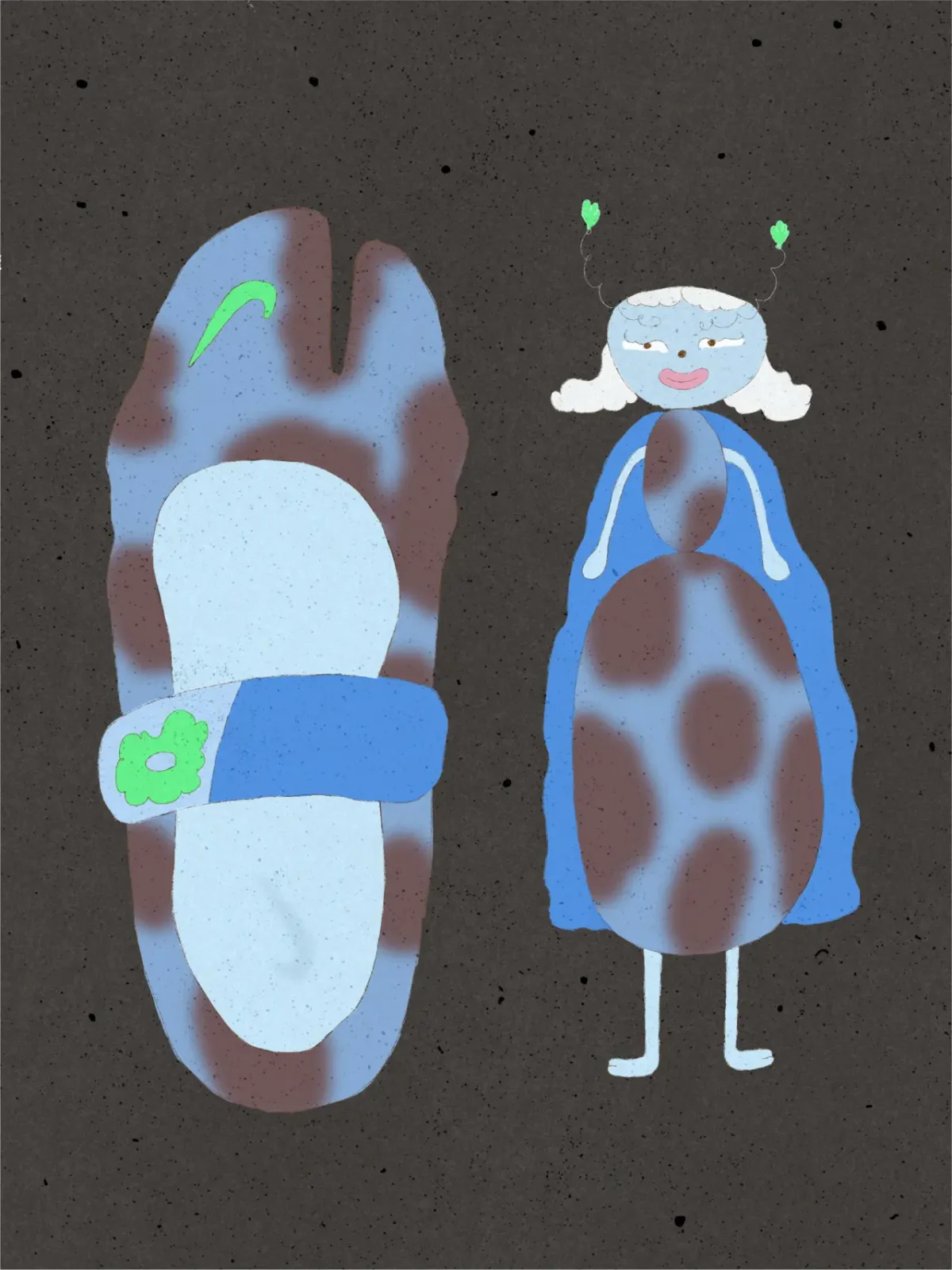
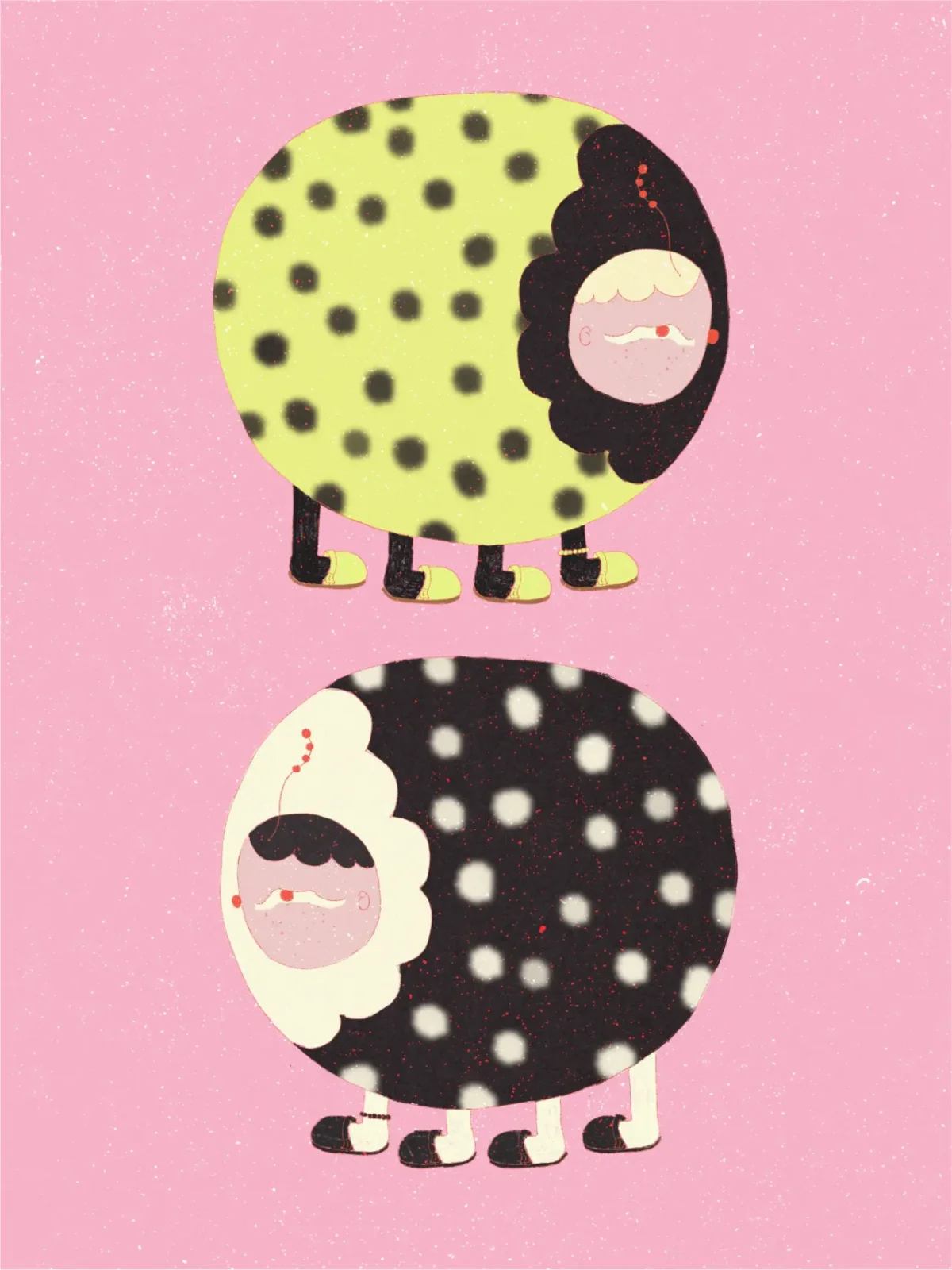
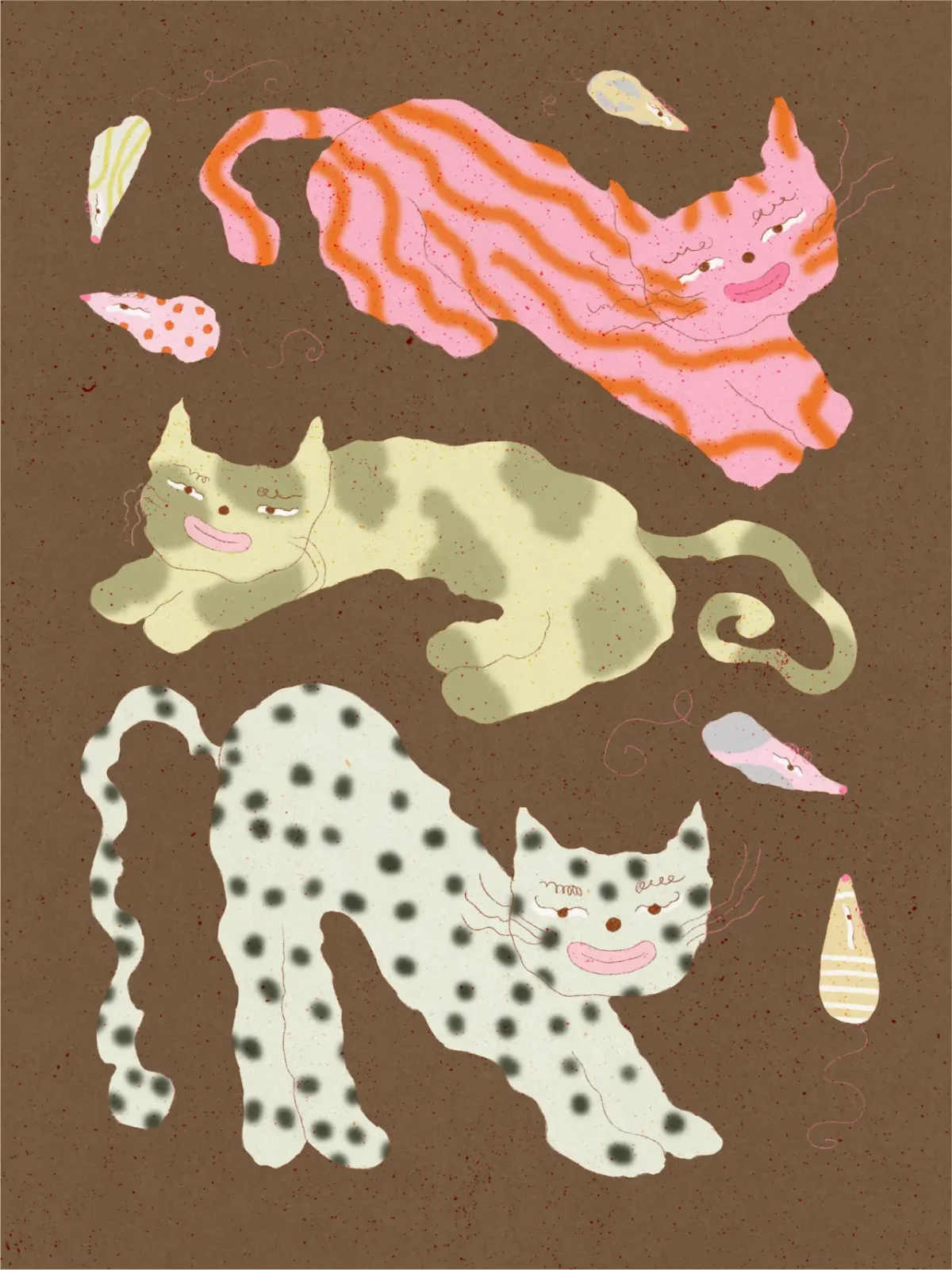
Réka Mátyás’s illustrations reward a second look. A cat shares its polka dots with a tabi shoe; ladybugs crawl through a woman’s yellow hair; a pair of older figures sit inside a scene threaded with small, symbolic objects. Her worlds feel gentle and playful, but their charm comes from careful observation and the details she chooses to make visible.
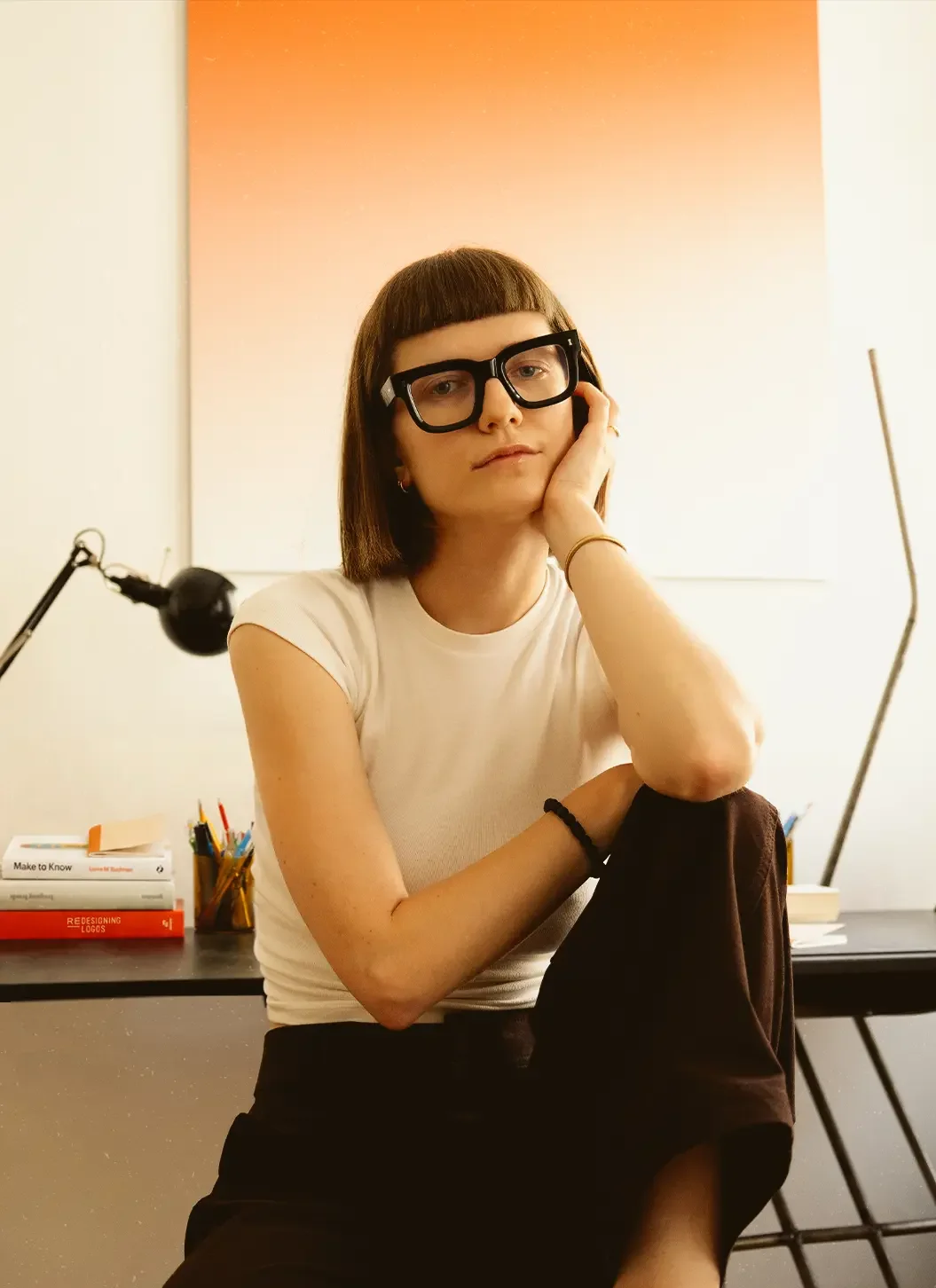
Mátyás is an illustrator and motion designer based in Budapest, originally from Transylvania, Romania. She studied Fine Arts at university and graduated with a BA in 2022. Pencil sketches and realistic drawing were early favourites, but she was still searching for a direction by the end of her degree. Rather than force a single style, she took a year away from study and joined a small creative studio as a motion designer. There, she learned software, explored graphic design and began to see how different disciplines could inform one another.

That experience led her to Budapest for a master’s in Graphic Design, which she completed in 2025. She now works full-time as a motion designer at Artbinary, while illustration occupies her free time. She also takes on occasional graphic design projects when the subject resonates. For a while, holding these three practices together felt like a problem to solve. Now, she sees the shifts between them as a source of energy: each offers a different perspective, and returning to one after time spent in another can open up new approaches.
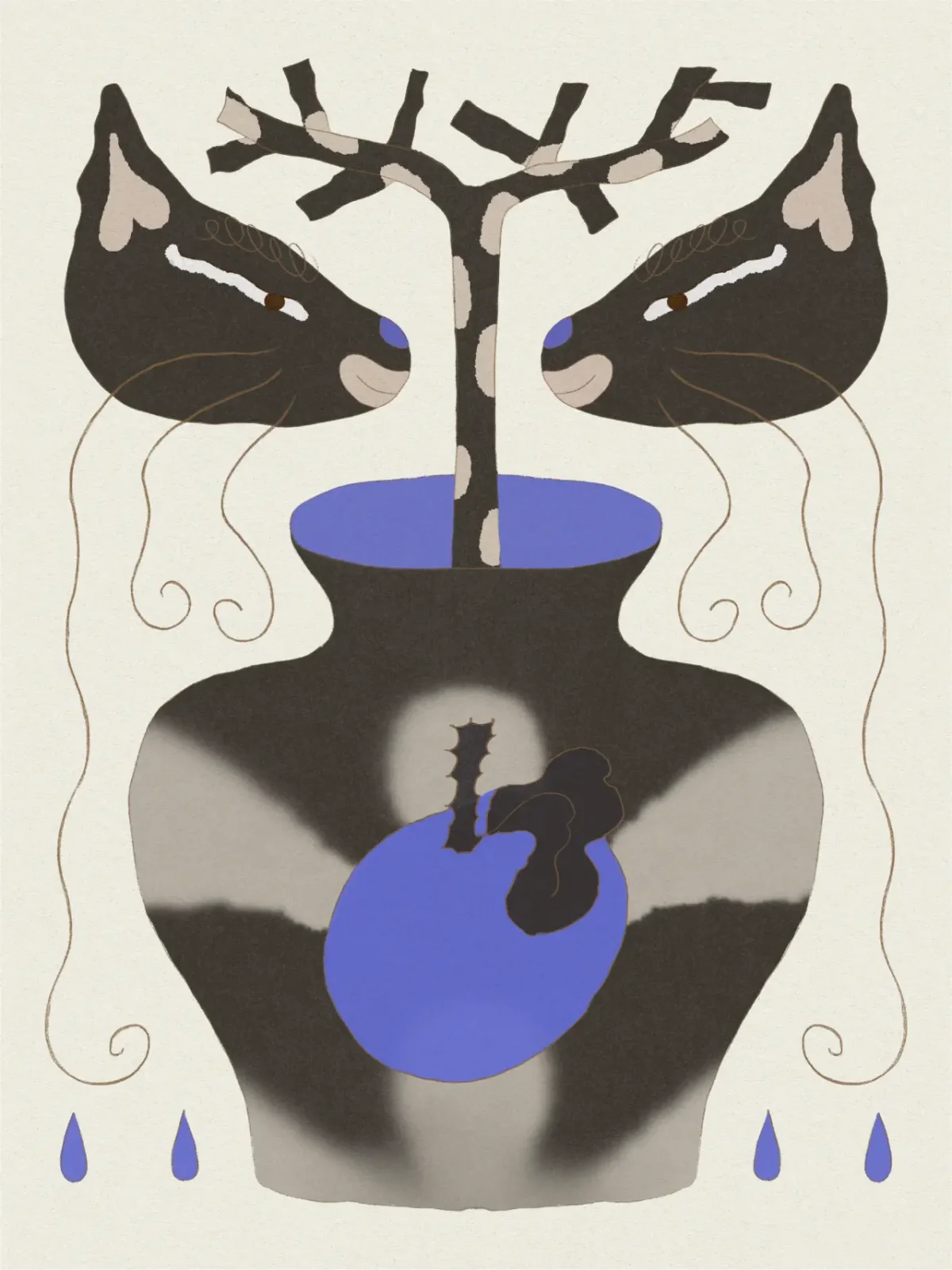
That exchange is visible in the range of her images. Some compositions are symmetrical and tightly arranged; others leave room for an isolated figure, an open background or a cluster of small visual clues. Her palette often pairs bubblegum pink with grassy green or buttery yellow, while darker brown and black grounds give certain scenes a more enclosed, theatrical quality. Across these variations, dots, patterned bodies and curious characters create a recognisable visual thread without making every image feel alike.
Her ideas tend to begin away from the drawing surface. Mátyás watches people and notices moments that can seem insignificant at first. She records them in a notebook through brief notes or quick sketches, sometimes leaving an idea there for months before returning to it. Nature, music, films and whatever book she is reading can also feed into the work. Her advice to herself is simple: “you just have to pay attention and stay curious”.

From loose sketches to layered scenes
When she is ready to develop an idea, Mátyás begins by sitting quietly and imagining a small scenario around its theme. Then she fills pages with rough pencil or coloured-pen sketches. The drawings are deliberately exploratory; she says she often dislikes them at first. But this imperfect stage gives her room to follow a concept as it changes, sometimes toward an image far from her starting point.
Once a direction emerges, she tests the composition, mood and colour. Moving to her iPad is usually the quickest part of the process. The sequence matters: the digital drawing comes after she has worked through the scene and its visual relationships by hand. For illustrators, that approach offers a practical reminder that rough studies can do more than prepare a polished image. They can reveal what the image is actually about.
One of her favourite projects was her first editorial assignment, an illustration for ZEITmagazine commissioned by art director Viola Hasse. Mátyás had not drawn older people before, so she began with the central couple, meeting each other’s eyes, then built a broader story around them. The image includes a bird with a broken wing to suggest the woman’s gradual loss of independence, as well as pills, glasses, a water droplet and a distant figure looking away.

Rather than explain the story through one literal symbol, the composition distributes its clues. Viewers can find them at their own pace, and the small objects add meaning without overwhelming the couple at the centre. Mátyás describes her aim as making the storytelling subtle, with elements that become apparent as someone spends more time with the image. That balance between a readable scene and less immediate details is a useful way to build narrative into editorial illustration without turning the artwork into a diagram.
Details that invite a closer look
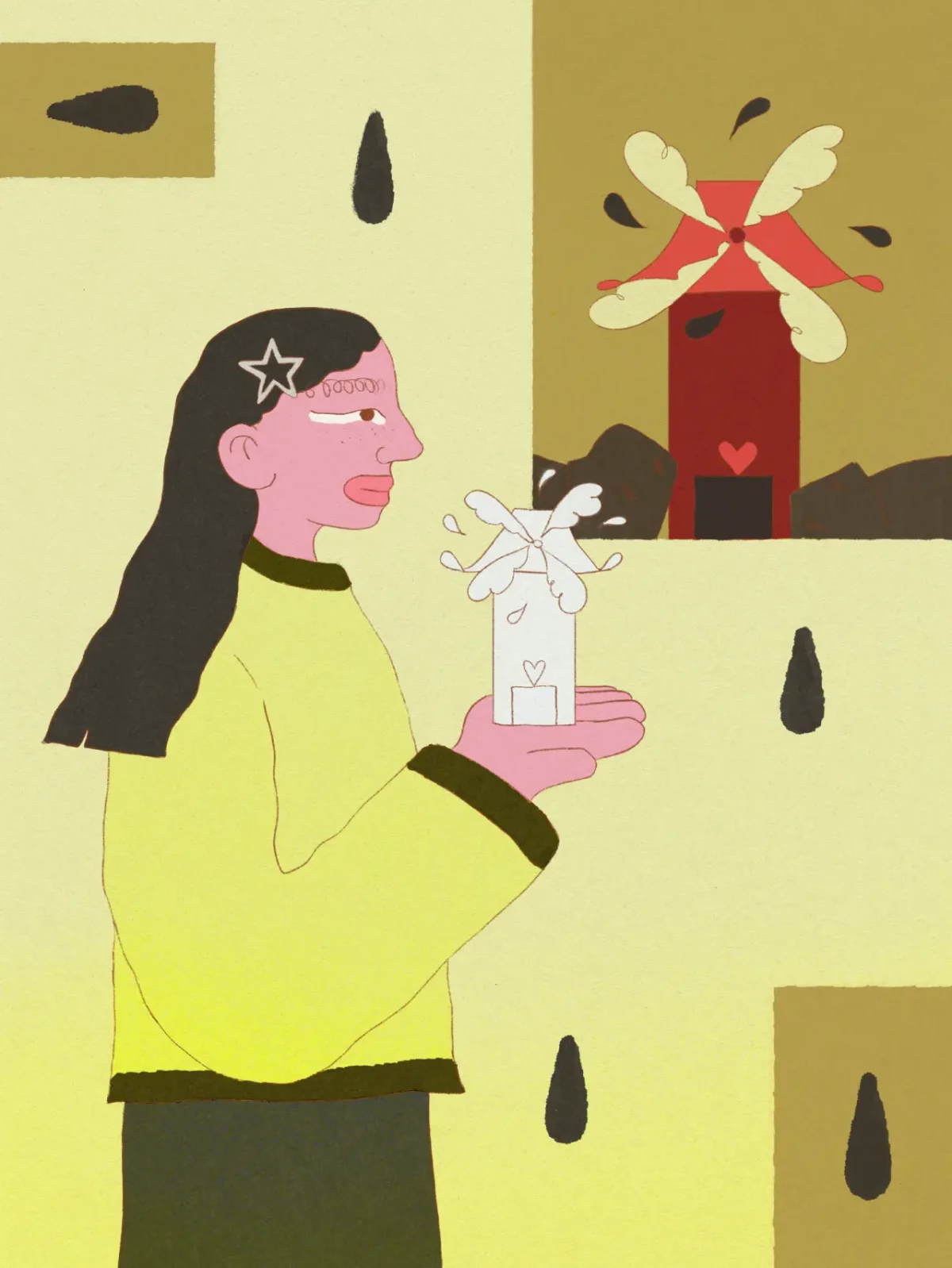
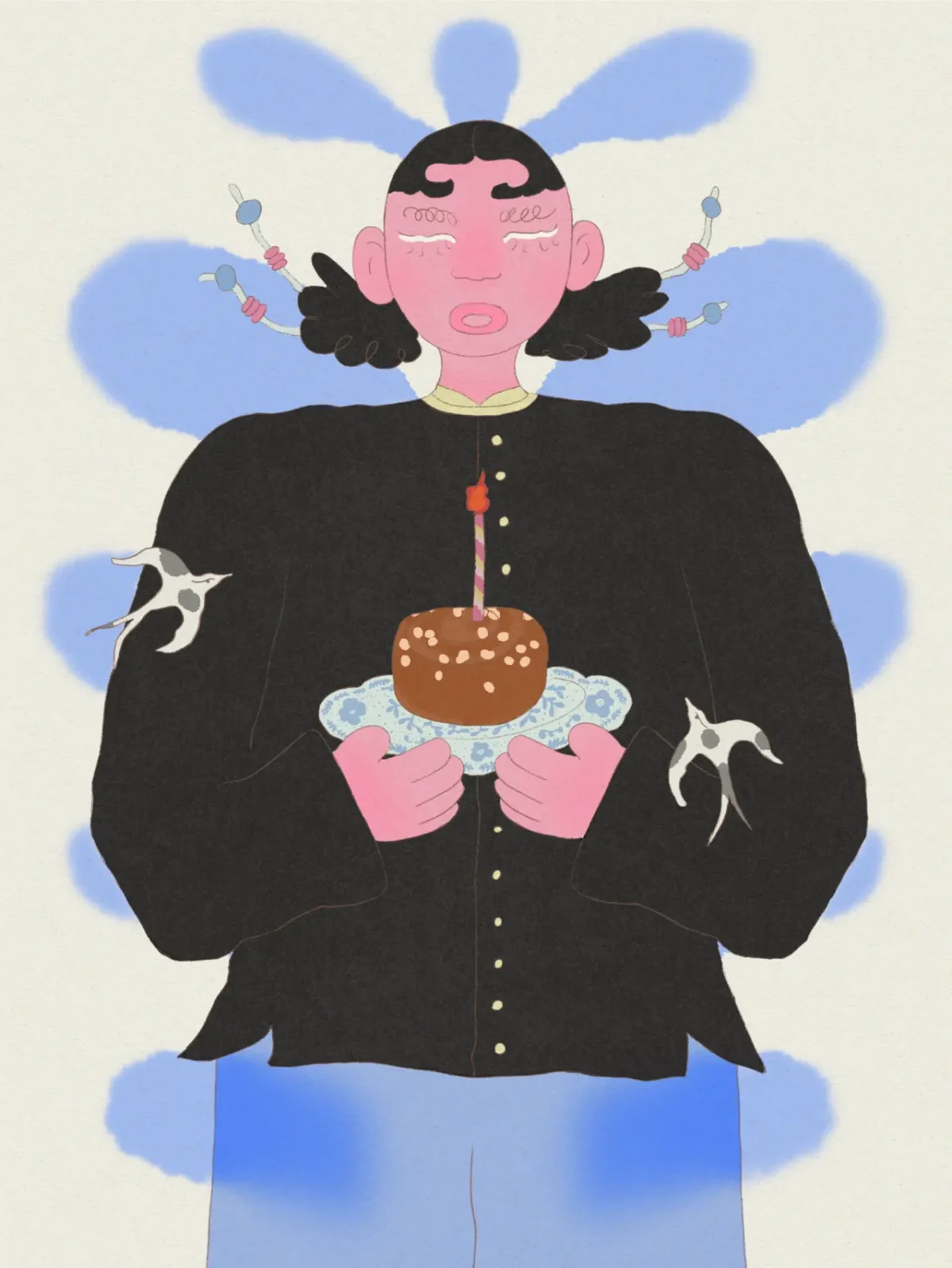
Across her portfolio, Mátyás treats illustration as a way to make familiar things feel newly noticed. A birthday cake, a shoe, a group of cats or a pair of people can anchor an image, while an unexpected pattern or object shifts its mood. She aims to include a small surprise that might make viewers look twice, and to let each scene disclose a little more with time.
That doesn’t mean every piece needs to carry a large message. For Mátyás, a smile or a small change in how someone sees an ordinary moment can be enough. Her process begins with attention, takes shape through rough drawing, and leaves space for the viewer to make discoveries. The practical takeaway is to keep those early observations close: a note that sits untouched for months may eventually become the detail that gives an illustration its own little world.