Thursday, November 26, 2026 · Graphic Design
Pattern Coffee’s packaging turns each roast into a distinct part of a Belfast brand
Noted by Katy Cowan · 703 reads
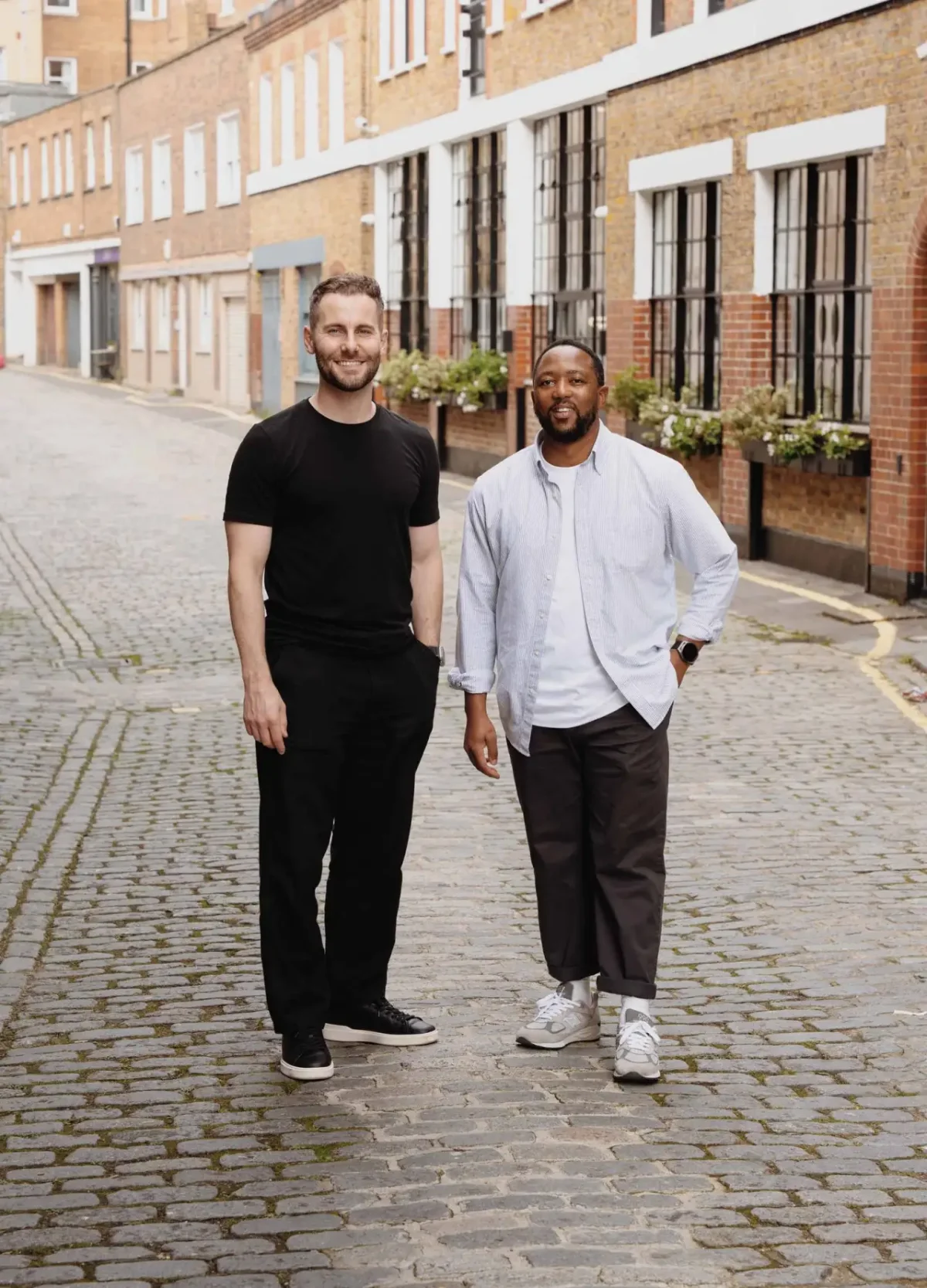
Fluent Format’s David Lewis and Andile Cebekhulu built Pattern Coffee around daily ritual, flexible packaging and local pop-ups.
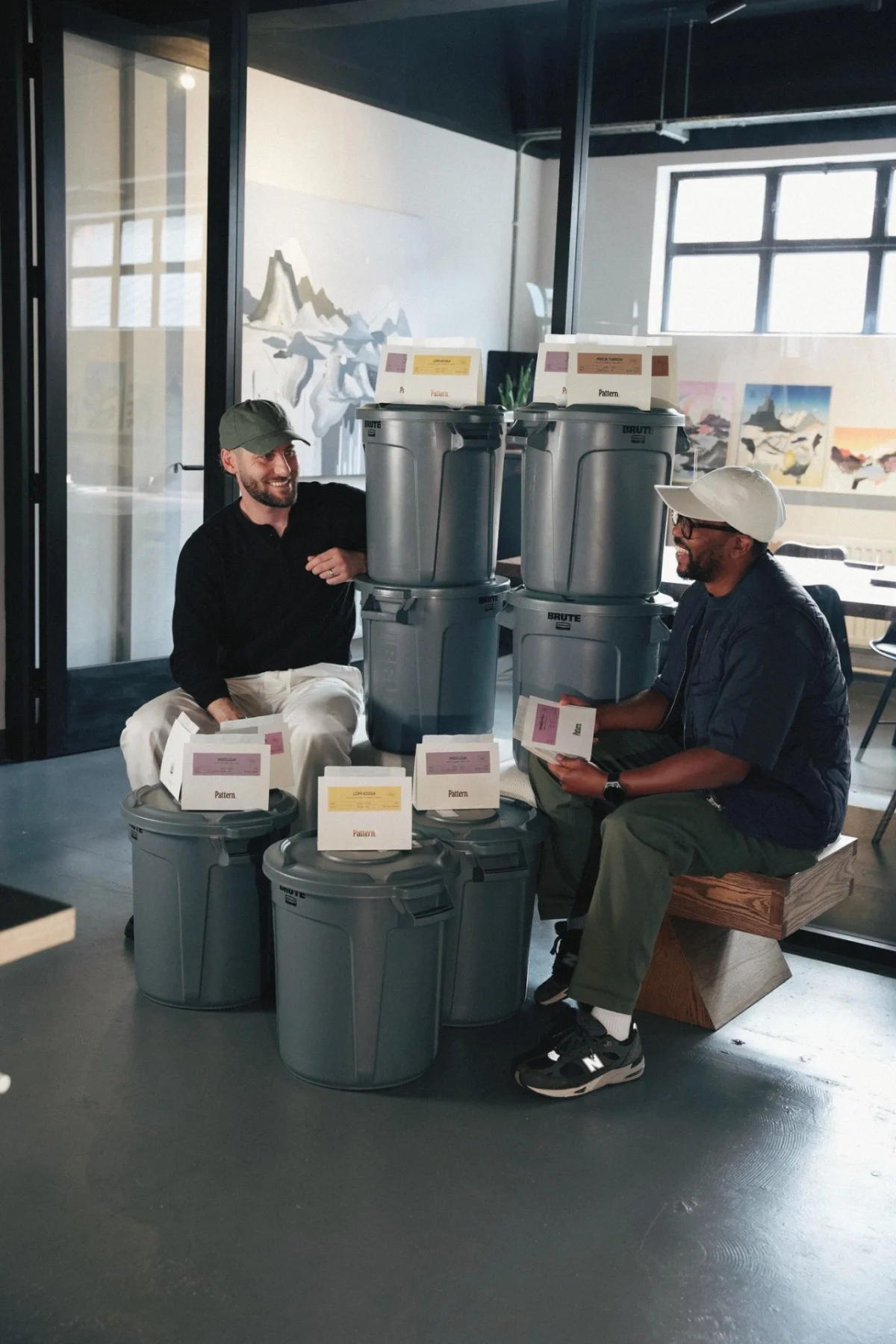
Pattern Coffee gives Belfast design studio Fluent Format a working brief of its own: build a speciality coffee brand that feels at home on a shop shelf and on a kitchen counter. Founder and creative director David Lewis and lead developer Andile Cebekhulu have made the project a place to test branding decisions while learning what it takes to run a small product business.
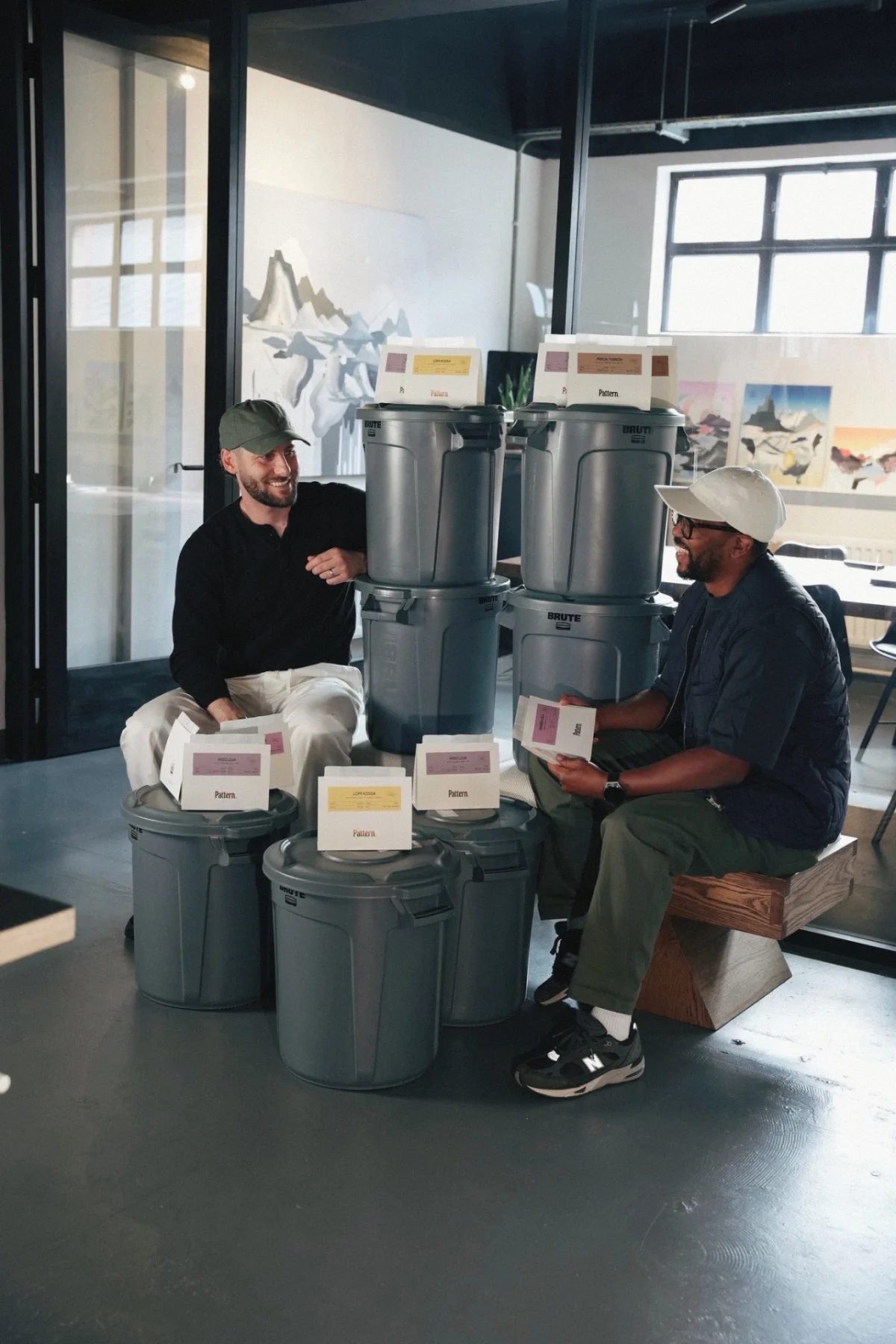
The pair began by sourcing and tasting coffees from around the world for nine months. They weren’t initially aiming to start a business. Coffee was already part of their daily routine, shared by two friends balancing young families and demanding jobs. A conversation after work about that ritual led to the name Pattern and the phrase “Your daily sweet spot”.
One package shape, several coffee identities
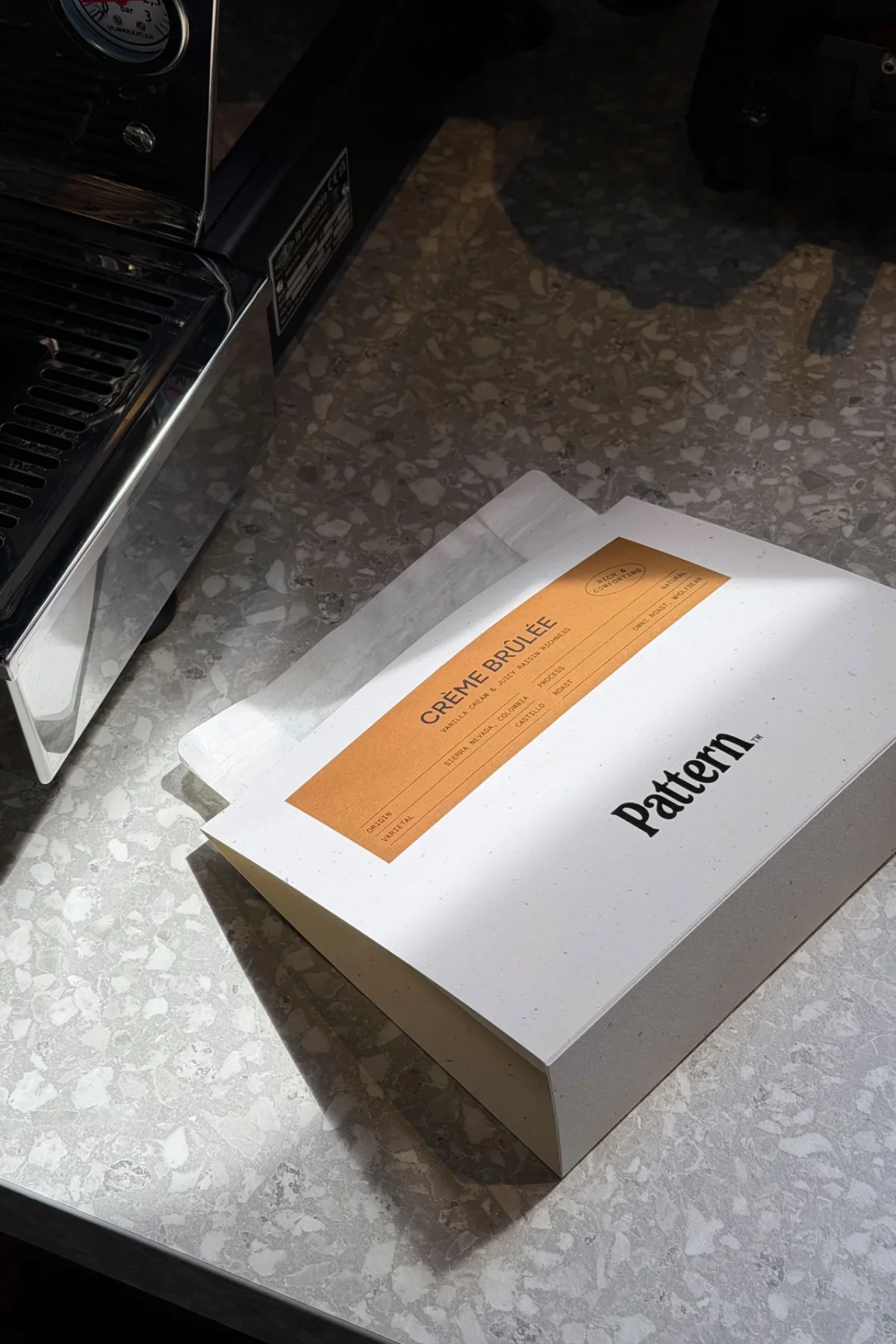
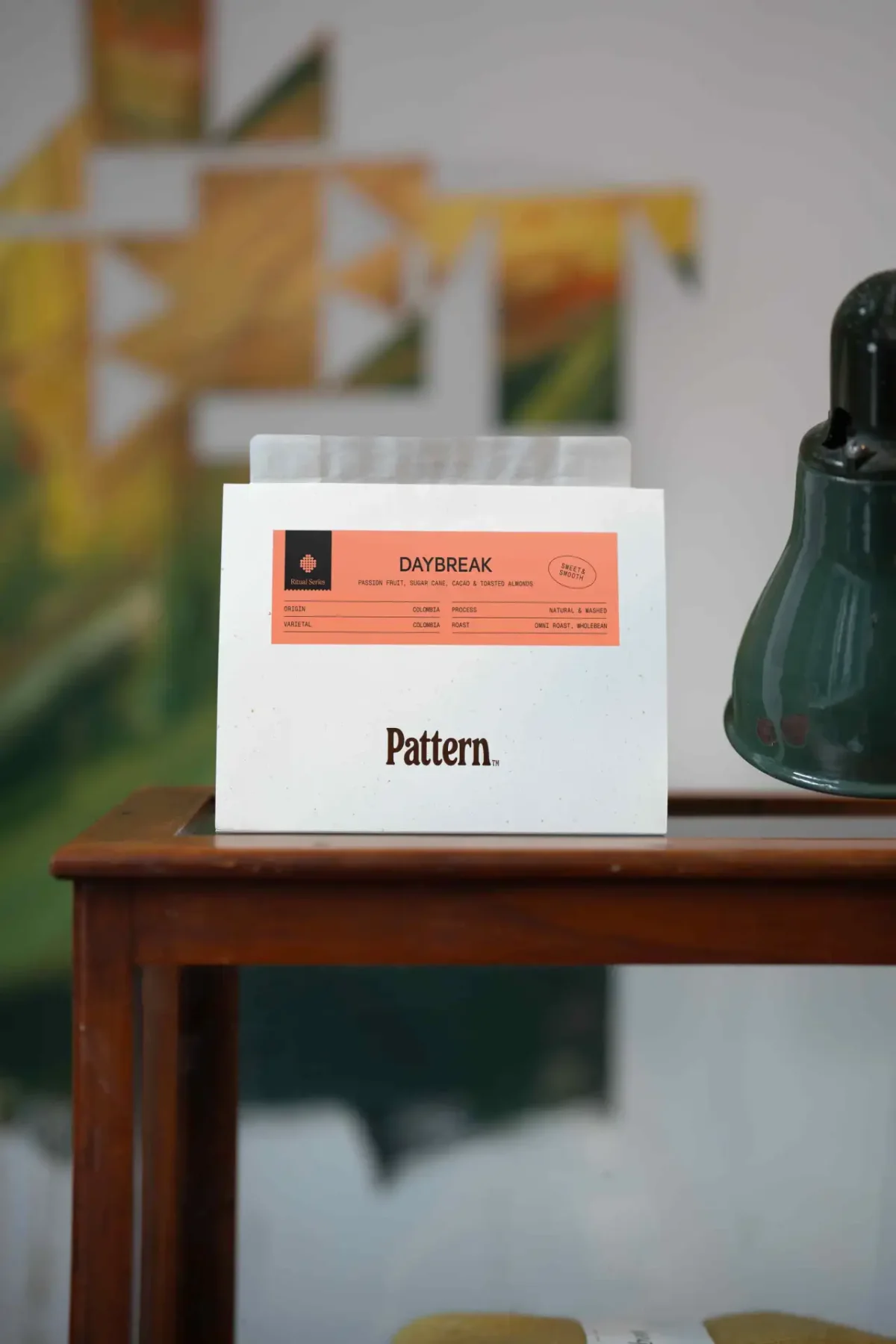
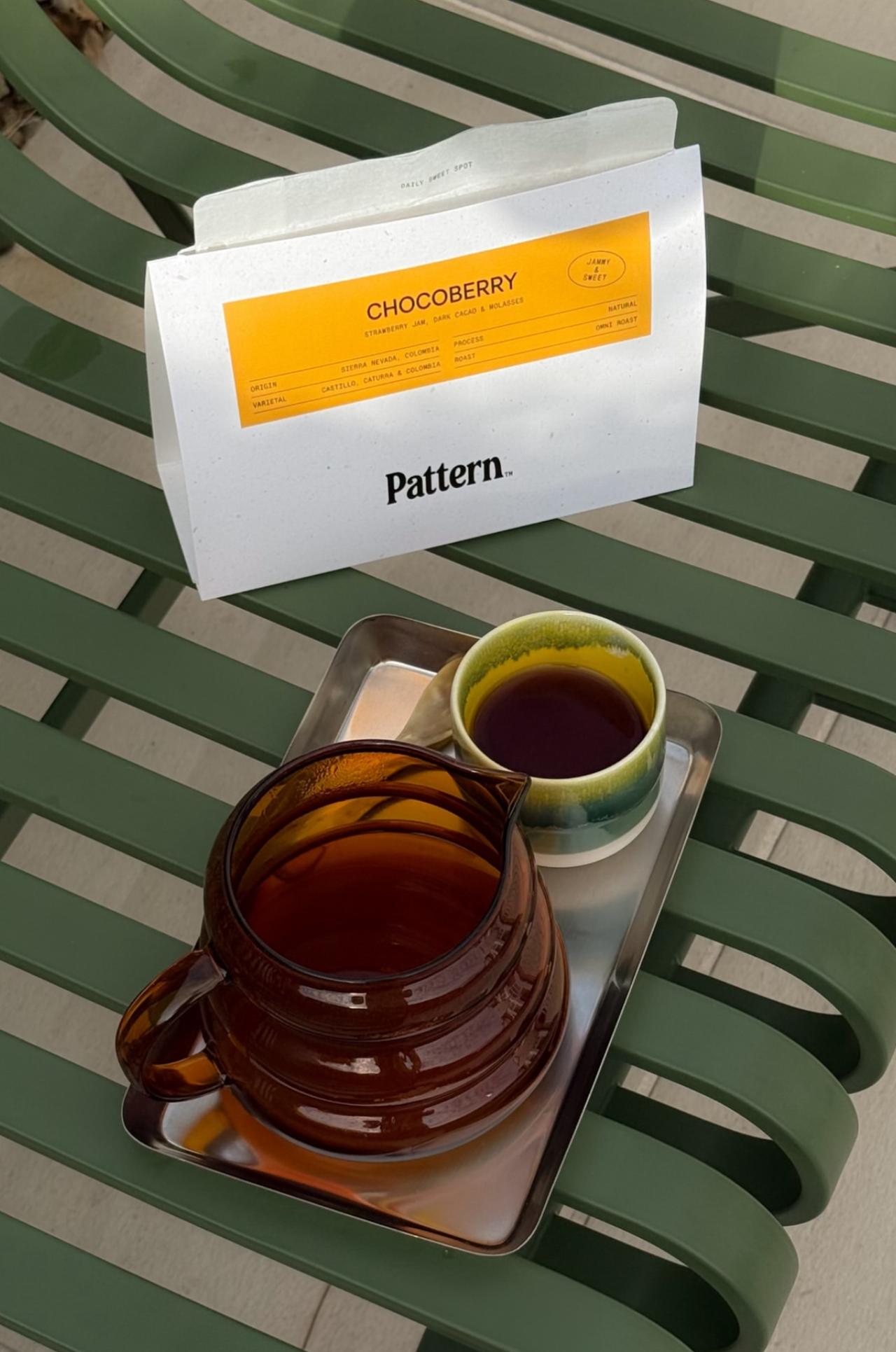
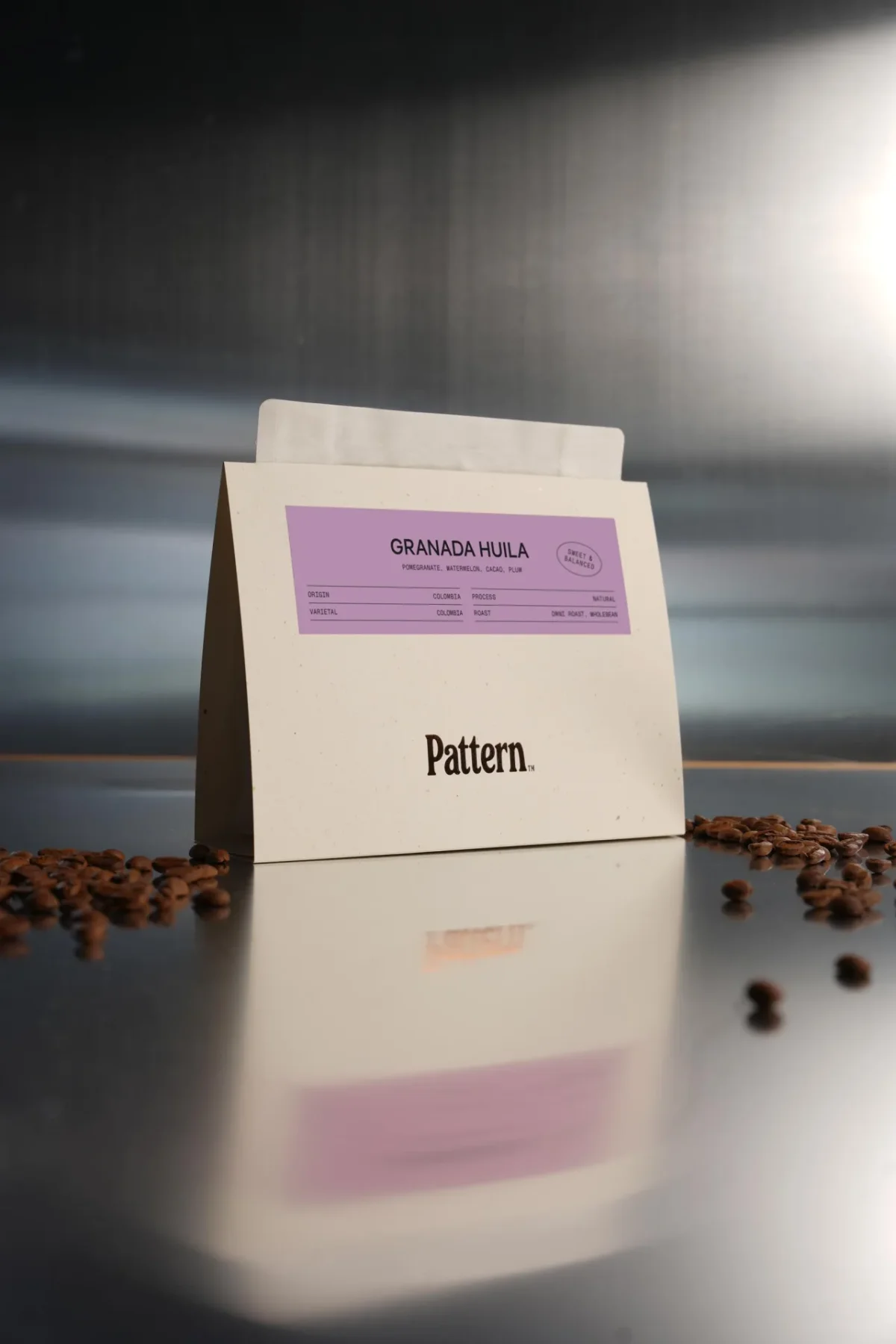
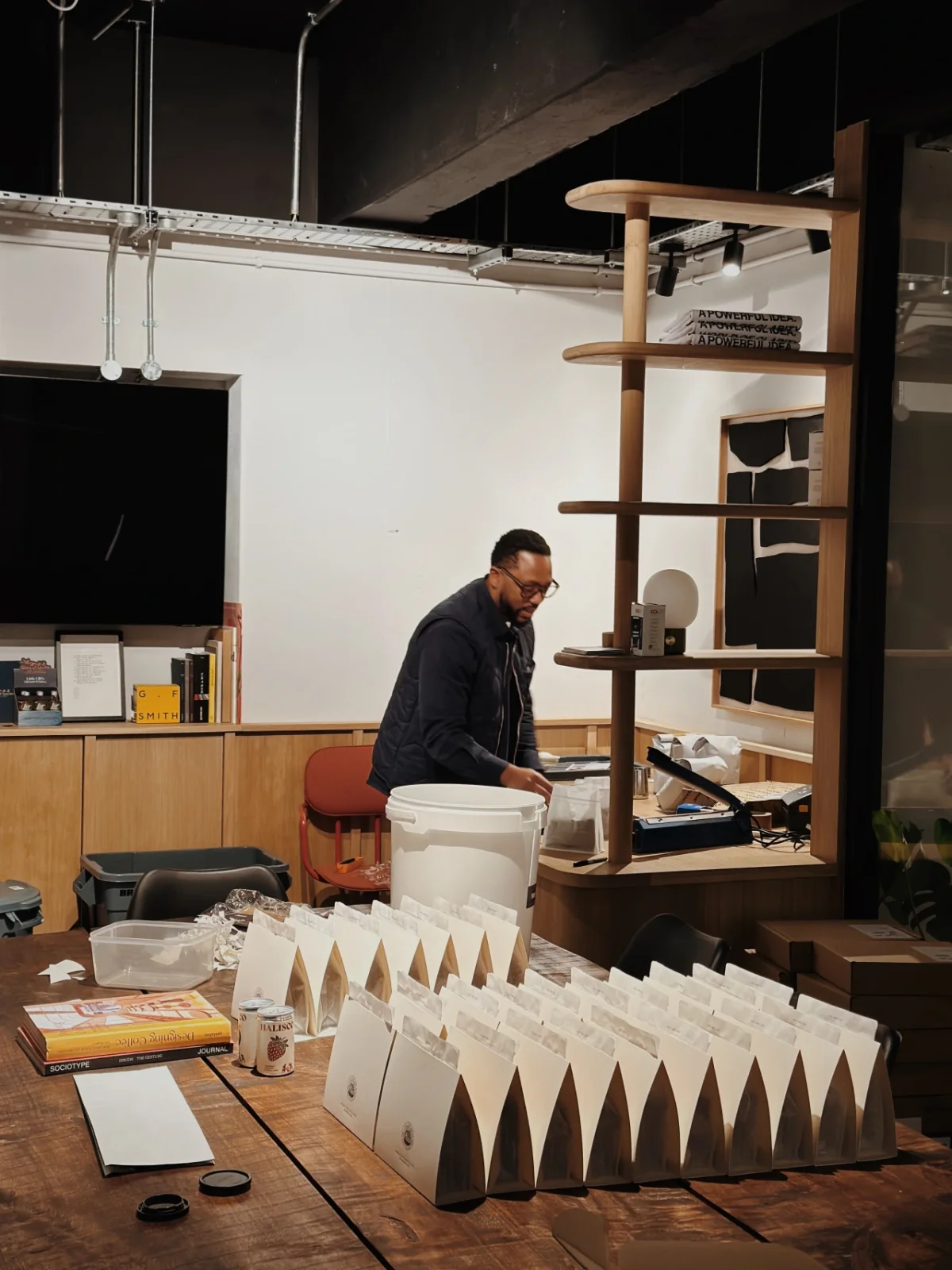
The packaging makes the brand’s system tangible. Instead of defaulting to a coffee tin, Lewis and Cebekhulu developed a sleeve that follows the silhouette of the coffee bag. That keeps the overall form consistent while giving each batch its own visual identity. The Crème Brûlée, Daybreak and Chocoberry labels, for example, use distinct colour cues within the shared package structure.
That balance matters for a product people encounter in different settings. Pattern wanted its bags to read clearly on a shop shelf, then remain pleasant to keep out on a kitchen counter. The sleeve gives the packaging a more considered presence without requiring a different basic shape for every coffee.
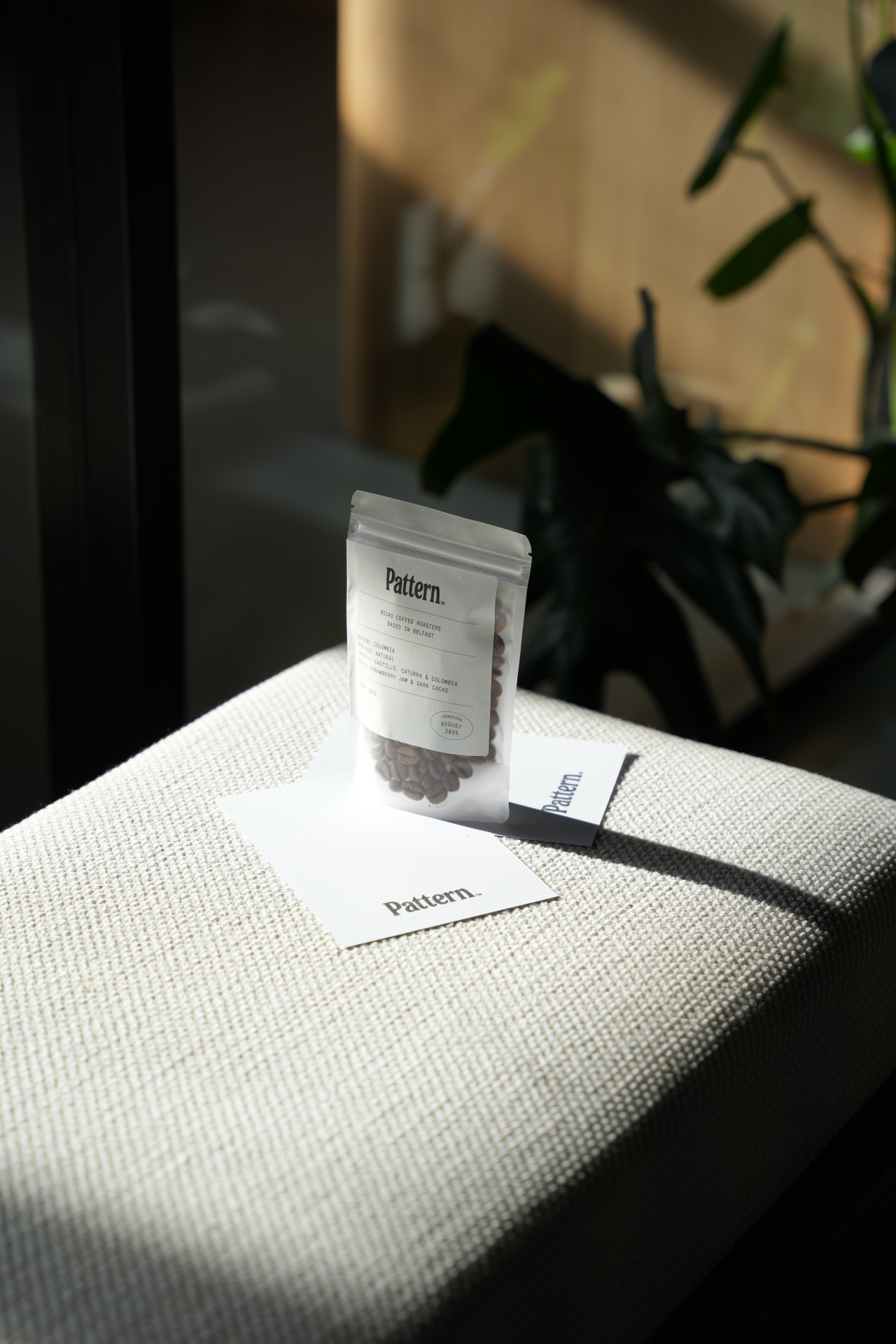
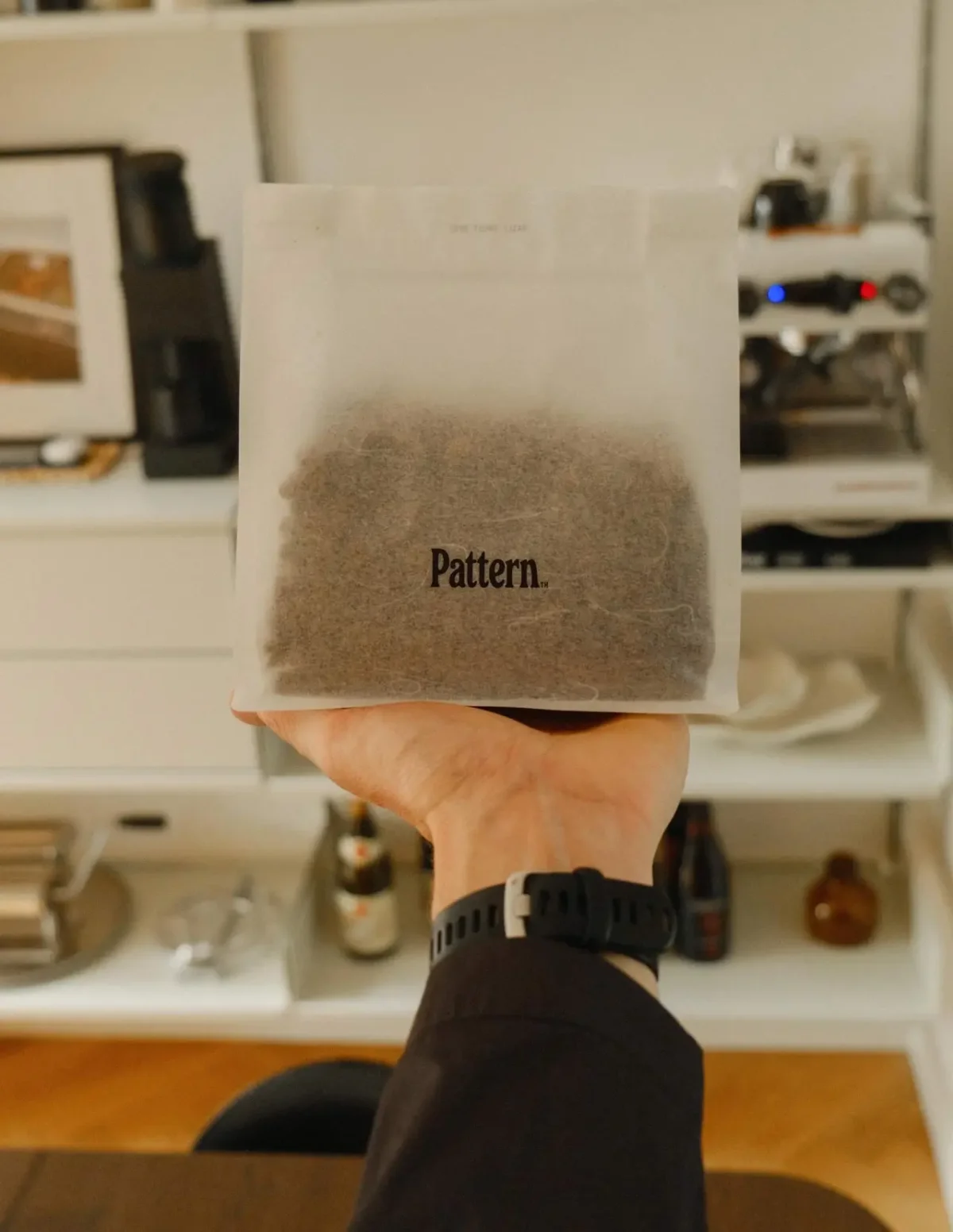
For a studio accustomed to shaping brands for clients, creating its own meant making those decisions with personal money and an operational stake attached. Lewis’s view is that branding has to reach beyond a logo or a good-looking pack: it should give people something they can recognise, connect with and choose to be part of. Pattern offered the founders room to explore that idea from the start, with no client brief to narrow the creative direction.
Building reach through local encounters
Pattern has grown without traditional marketing. Its founders have instead taken the coffee into existing communities through small activations: collaborations with running clubs and gyms, pop-ups at chicken wing shops, and sponsorship of grassroots rugby. Their support has included women’s sports events, schools, universities and Cancer Fund for Children.
These activities put the product in front of people in places where they already gather. A collaboration can introduce someone to the coffee, who may then pass it on to a friend; Lewis describes the resulting growth as a “snowball effect”. The approach has helped the pair build a community around the brand without trying to force one through a conventional campaign.
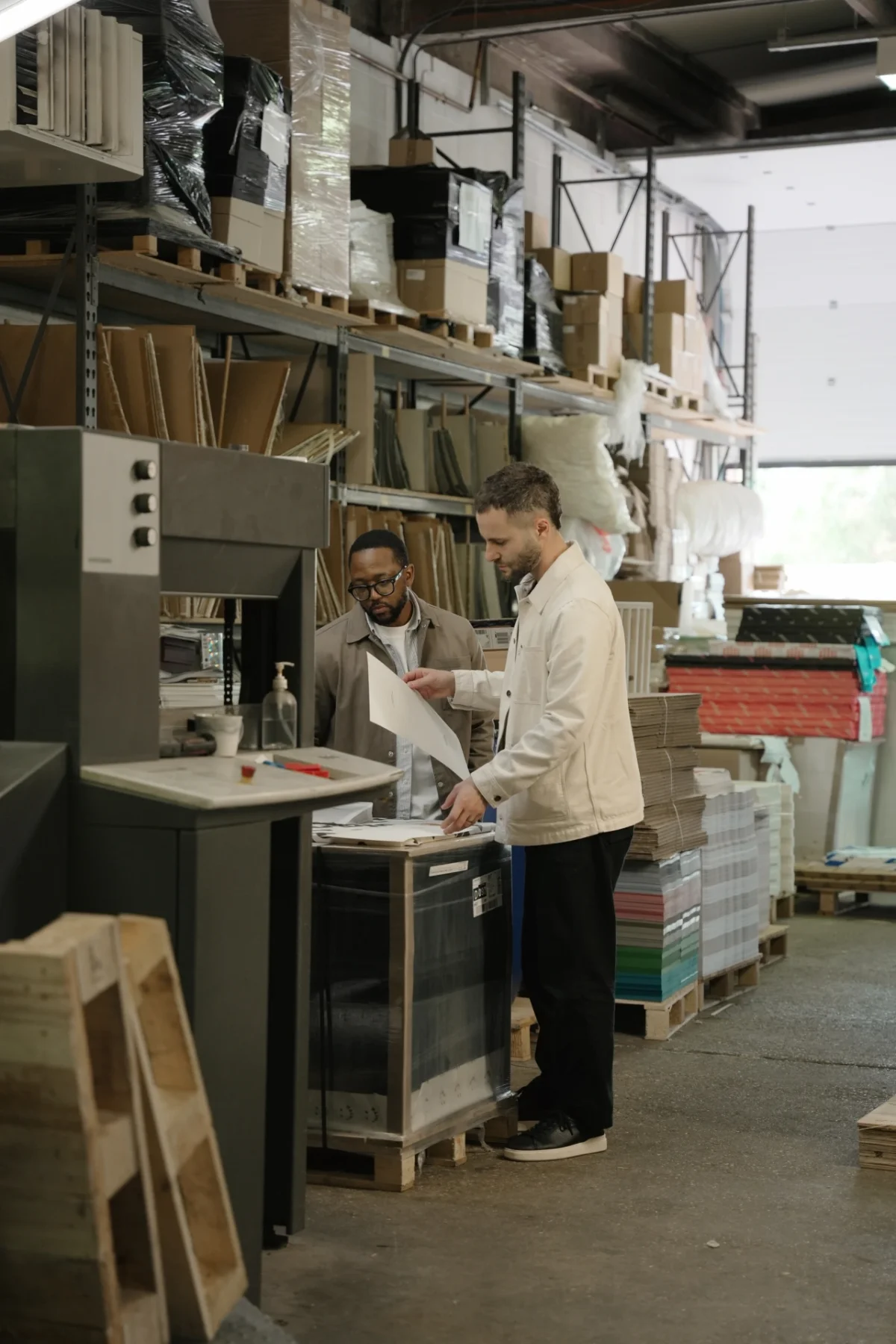
The brand’s tone also steers away from making speciality coffee feel like a test. Tasting notes and brew ratios can be part of the experience, but Pattern’s stated aim is to welcome people who simply want to enjoy a good cup. That makes the brand promise easier to understand: coffee can be part of a daily pause without requiring specialist knowledge.
A studio learns the founder’s workload
Running Pattern has changed how Lewis and Cebekhulu think about the founders they serve through Fluent Format. Sourcing coffee, packing orders and putting their own money into the business have given them a direct view of the work behind a product launch. Lewis calls getting the brand off the ground “a proper hustle”.
The founders currently take no money out of the business, putting its resources back into Pattern. One purchase has become part of the brand’s public life: a La Marzocco Linea Mini that travels around Belfast to serve coffee at pop-up events. It gives the team a practical way to bring the product into the same community settings that have helped it find customers.
They describe Pattern as a “creative sandpit”: a place to experiment with packaging and photography while learning through the day-to-day demands of the business. That combination is the useful lesson for other studios considering a project of their own. A self-initiated brand can test creative ideas, but it also makes the consequences of production, fulfilment and reinvestment impossible to ignore.
For Lewis and Cebekhulu, Pattern remains a passion project, with its next direction still open. Its strongest design decisions already connect the visual system to the way people encounter the coffee: a consistent package form, labels that distinguish individual batches, and local events that make the brand approachable in person.
===