Monday, November 23, 2026 · Graphic Design
Luke McConkey’s Bright Illustrations Turn Liverpool Stories into Uniqlo Artwork
Noted by Dom Carter · 681 reads
Illustrator Luke McConkey pairs playful lettering and local stories with a practical approach to collaboration, self-promotion and freelance work.
Playful lettering, cartoon birds and flowers give Luke McConkey’s illustrations an unmistakable lift. Behind that bright surface is a working method built on repetition, a clear portfolio and an openness to other people’s ideas. That approach helped the Liverpool artist work with Uniqlo on the launch of its Liverpool store.
From agency design to illustration
McConkey’s route began with a childhood habit of drawing. He spent afternoons with How to Draw Comics the Marvel Way, then tried out what he’d learned at school. Later, IT and history took priority, followed by music, video games and time with friends. Drawing stayed in the background, though, as a hobby he never entirely left behind.
After graduating from an Interactive Media Design course at LJMU, he joined a design agency. Over six years he became a lead designer, working mainly on logos and visual identities. Around 2016, he says, Aaron Draplin was a major influence on his work.
McConkey went freelance as a graphic designer in 2017. He found that the illustrative vignettes he made along the way were the work he most enjoyed, and shifted to illustration during the pandemic, from 2020 to 2021. He drew frequently and tried different styles until the images began to cohere into the approach he uses now. His goal was to make the process familiar enough that it wouldn’t interrupt the act of creating.
An InkyGoodness course helped him develop a portfolio and understand the illustration industry. It also introduced him to the role of agents. In 2022 he approached Handsome Frank, eventually joining the agency after some persuasion.
Making joy part of the brief
Joy is the through line in McConkey’s work. His compositions use lively colour, rounded lettering and friendly characters to make an upbeat first impression. He sees that feeling as something to work at deliberately: a small gesture, like a smile, can pass quickly from one person to another.
That outlook isn’t a claim that people should always feel cheerful. McConkey acknowledges that it’s easy to be sad, frustrated or ready to complain, and that those feelings have their place. His aim is narrower and more practical: if an illustration makes someone smile, he considers it successful. He’s also comfortable being silly or a little embarrassing in service of that goal.
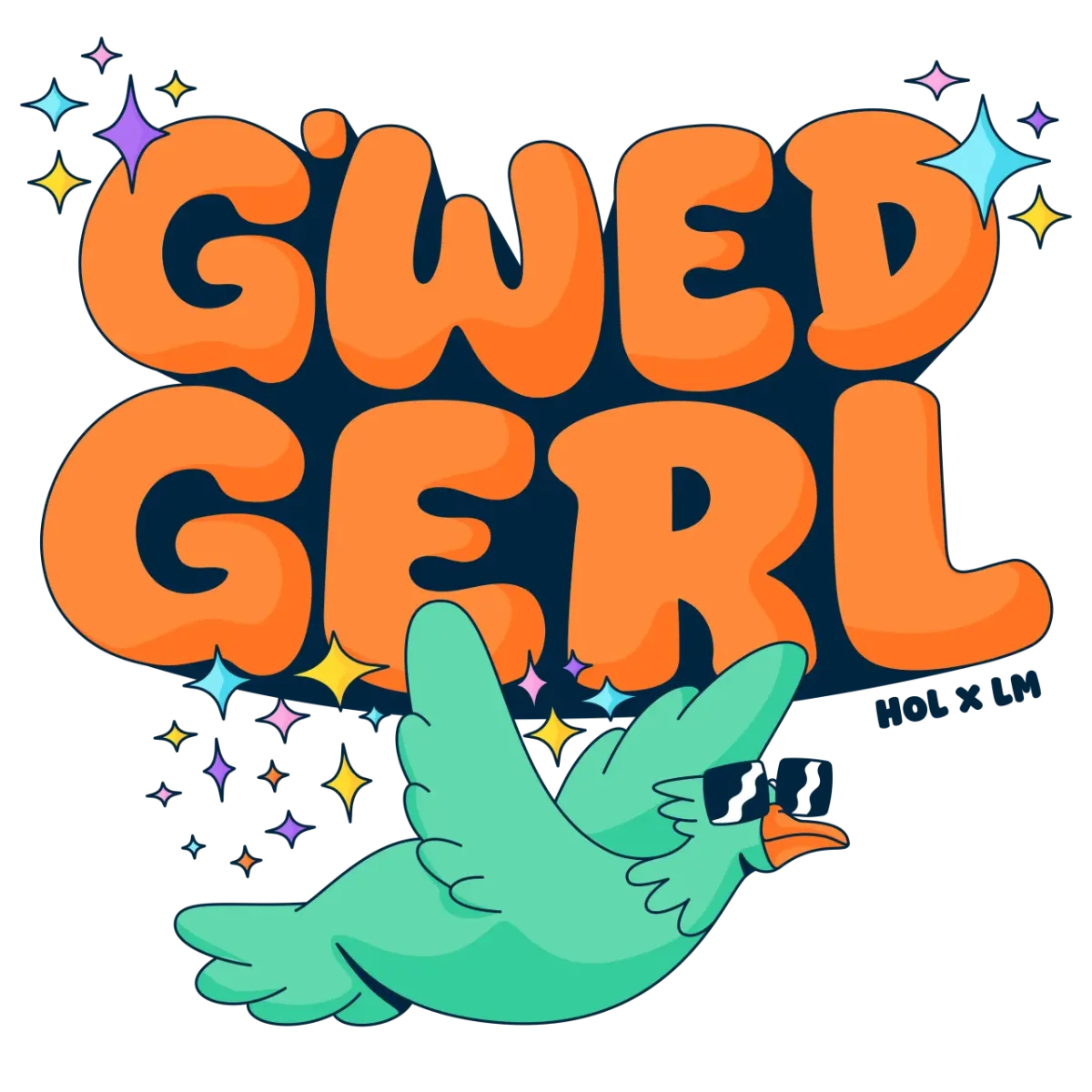
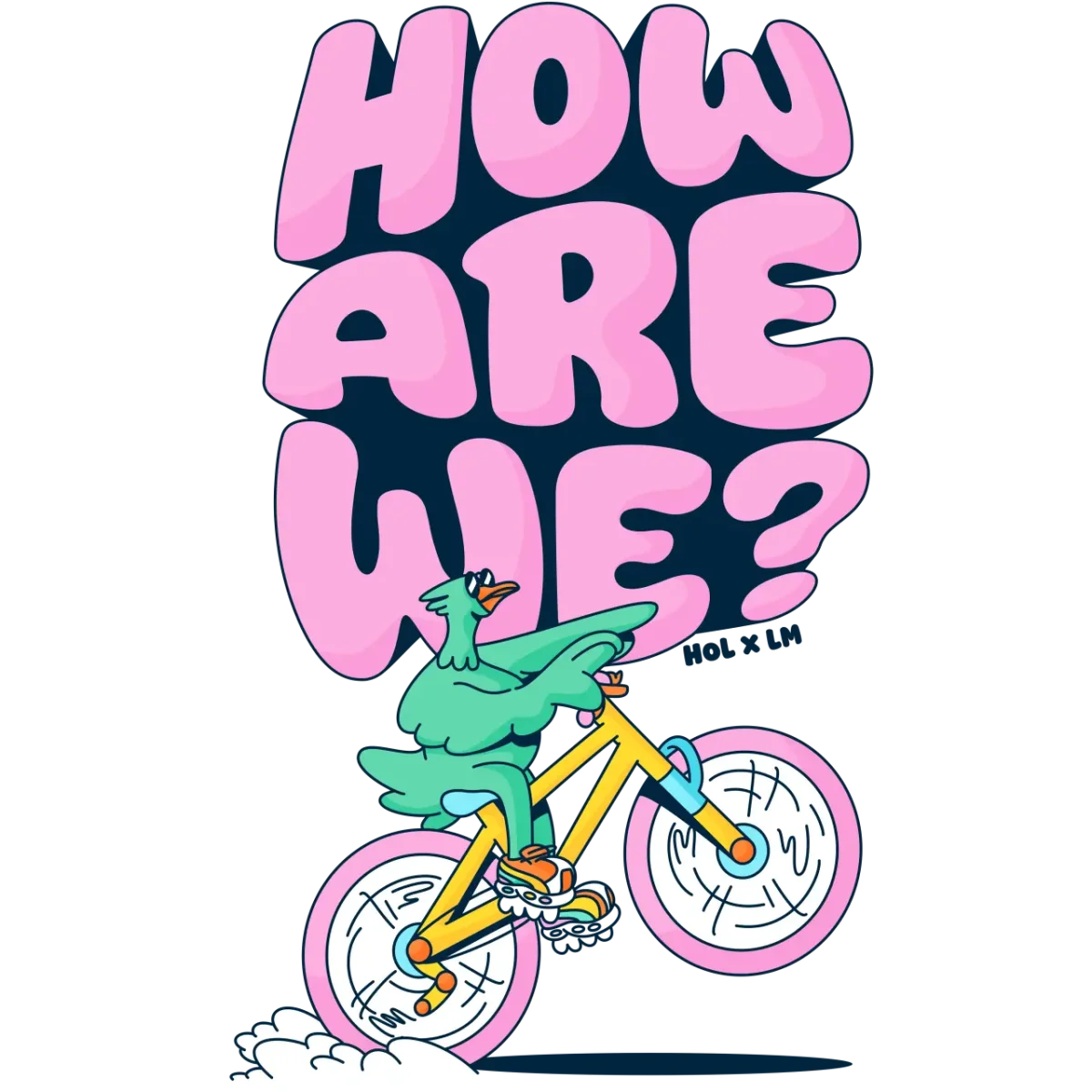
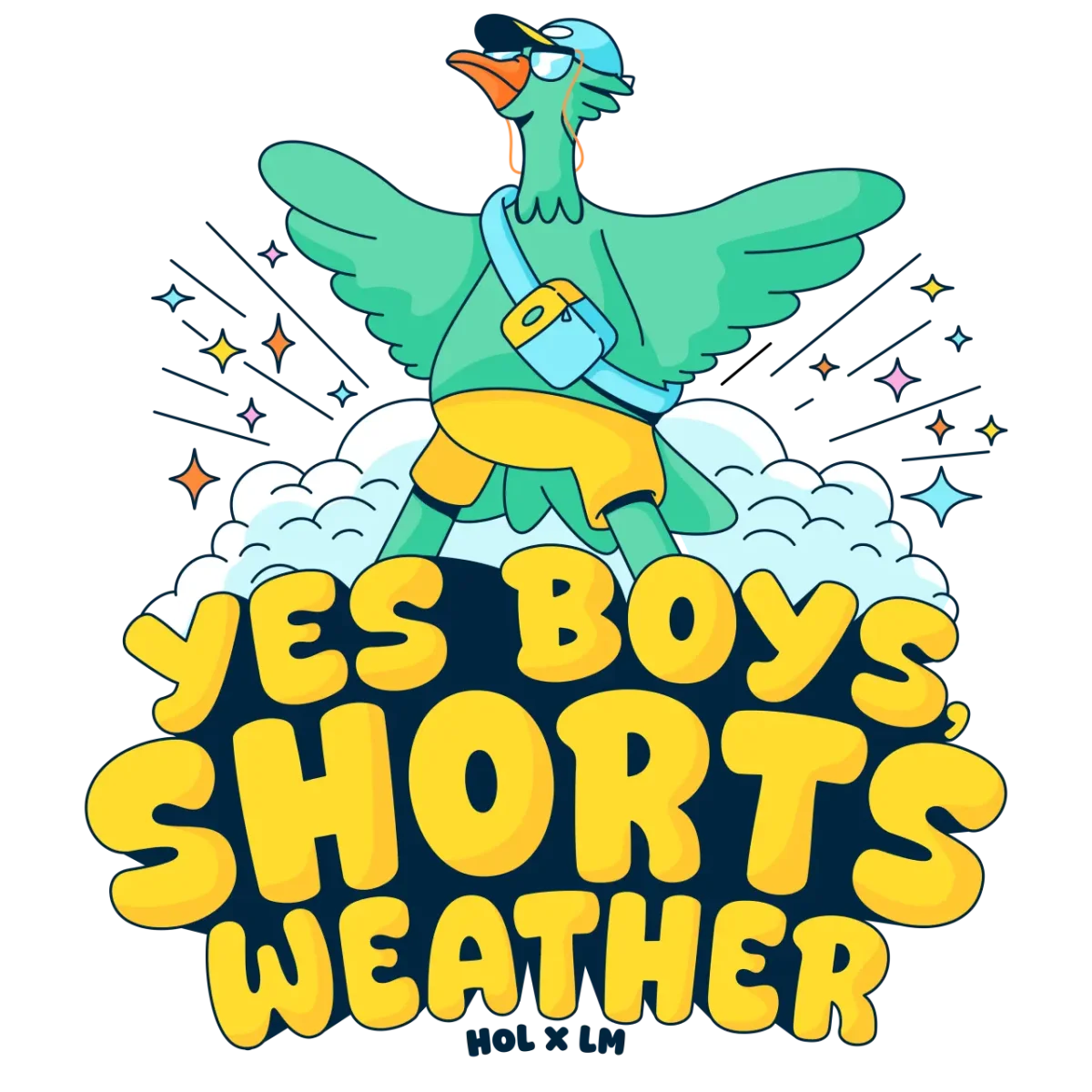
A Liverpool collaboration with Uniqlo
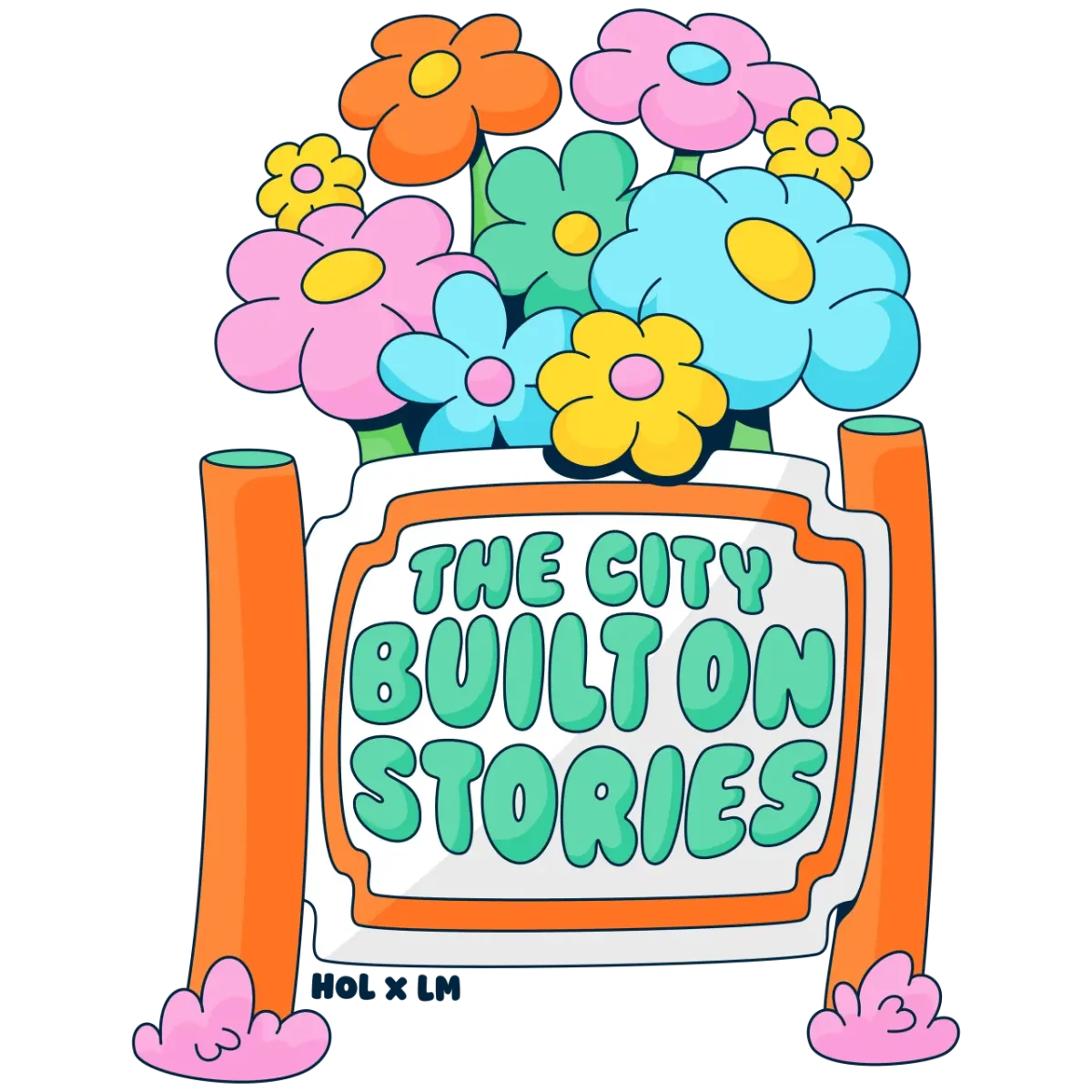
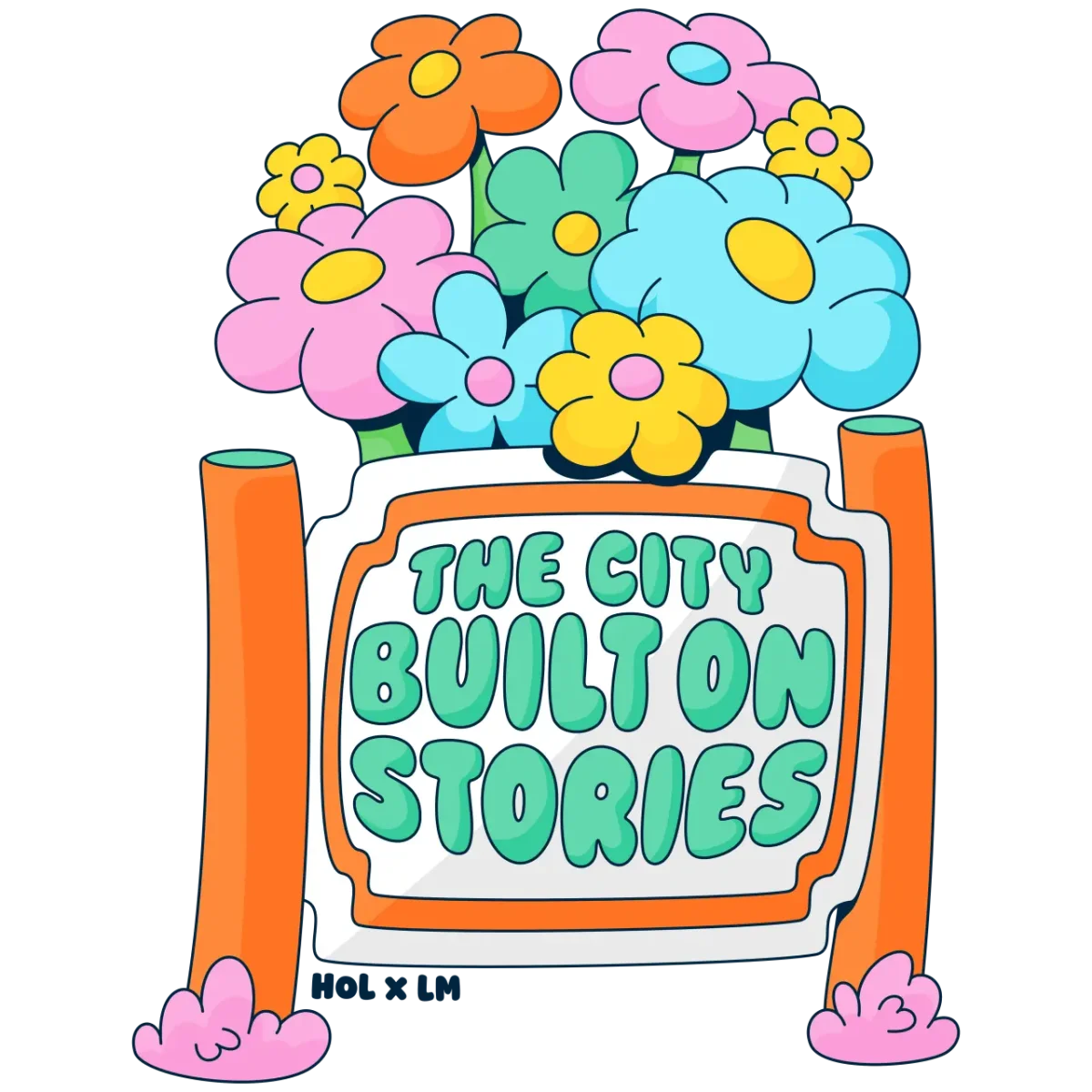
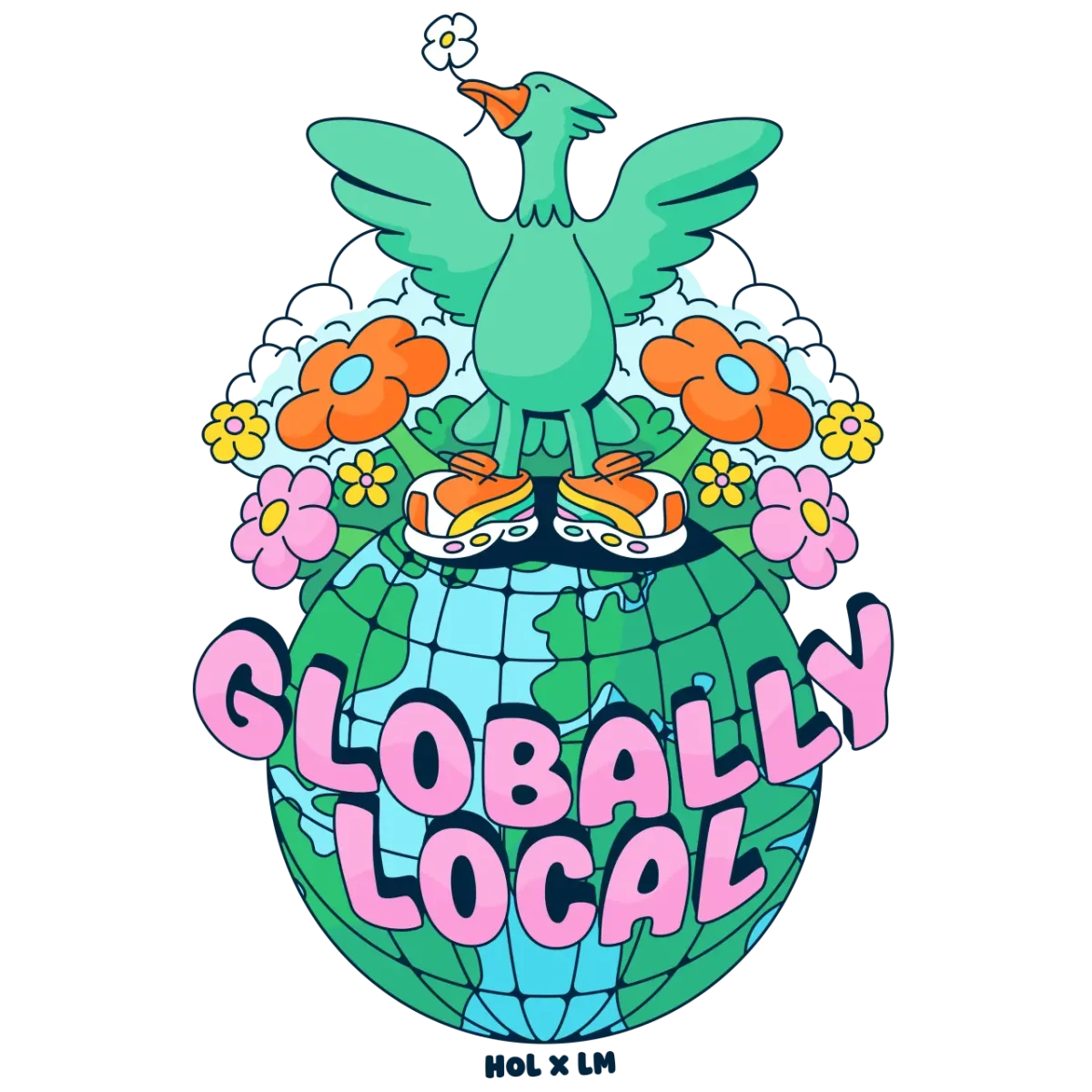
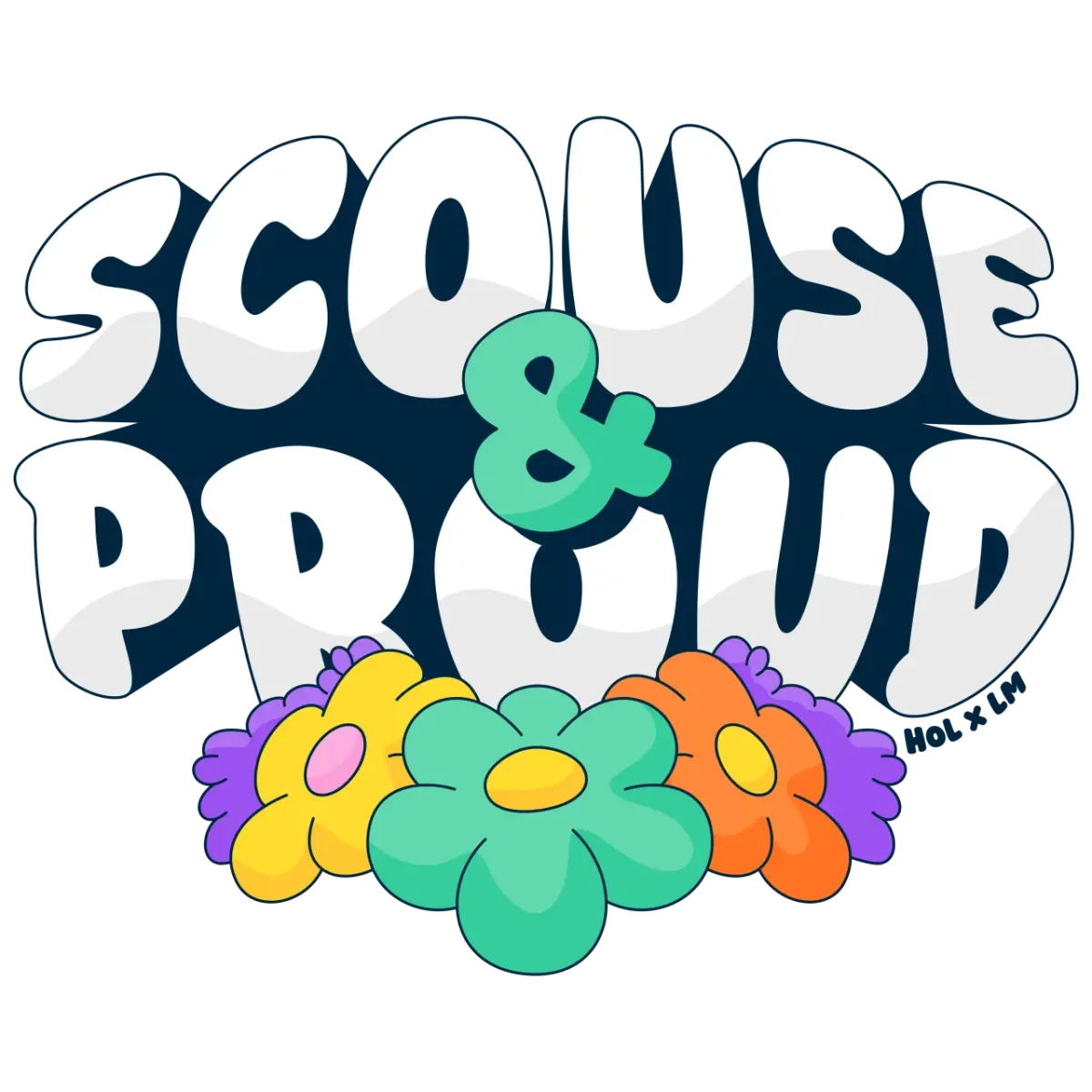
McConkey’s work with Uniqlo grew from connections in the city. He collaborated with Adam at Humans of Liverpool, a social media account that celebrates people from Liverpool, on designs for the launch of the retailer’s Liverpool store. The project drew on interviews and the themes that emerged from them.
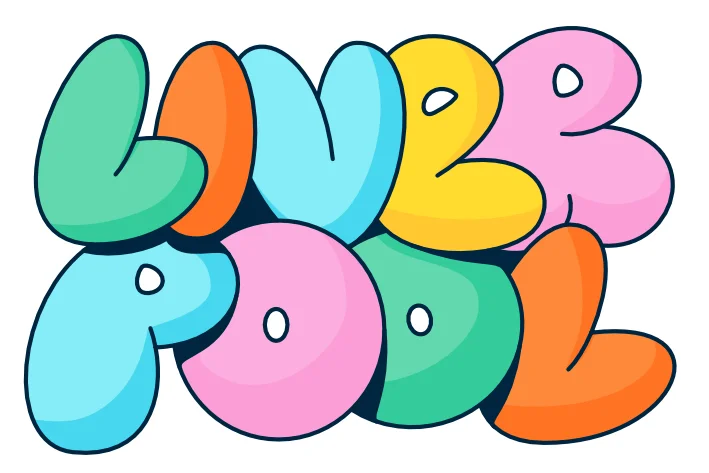
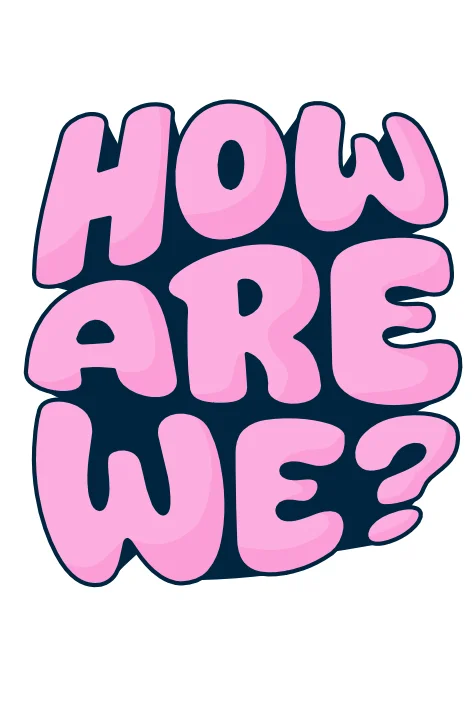
He describes the concept development and interviews as both enjoyable and moving. The work also carried personal meaning: seeing a project rooted in Liverpool make his family proud mattered to him. The resulting imagery includes local references such as “Scouse Positivity Society” and “Liverpool M62,” alongside his characteristic bright colours and graphic lettering.
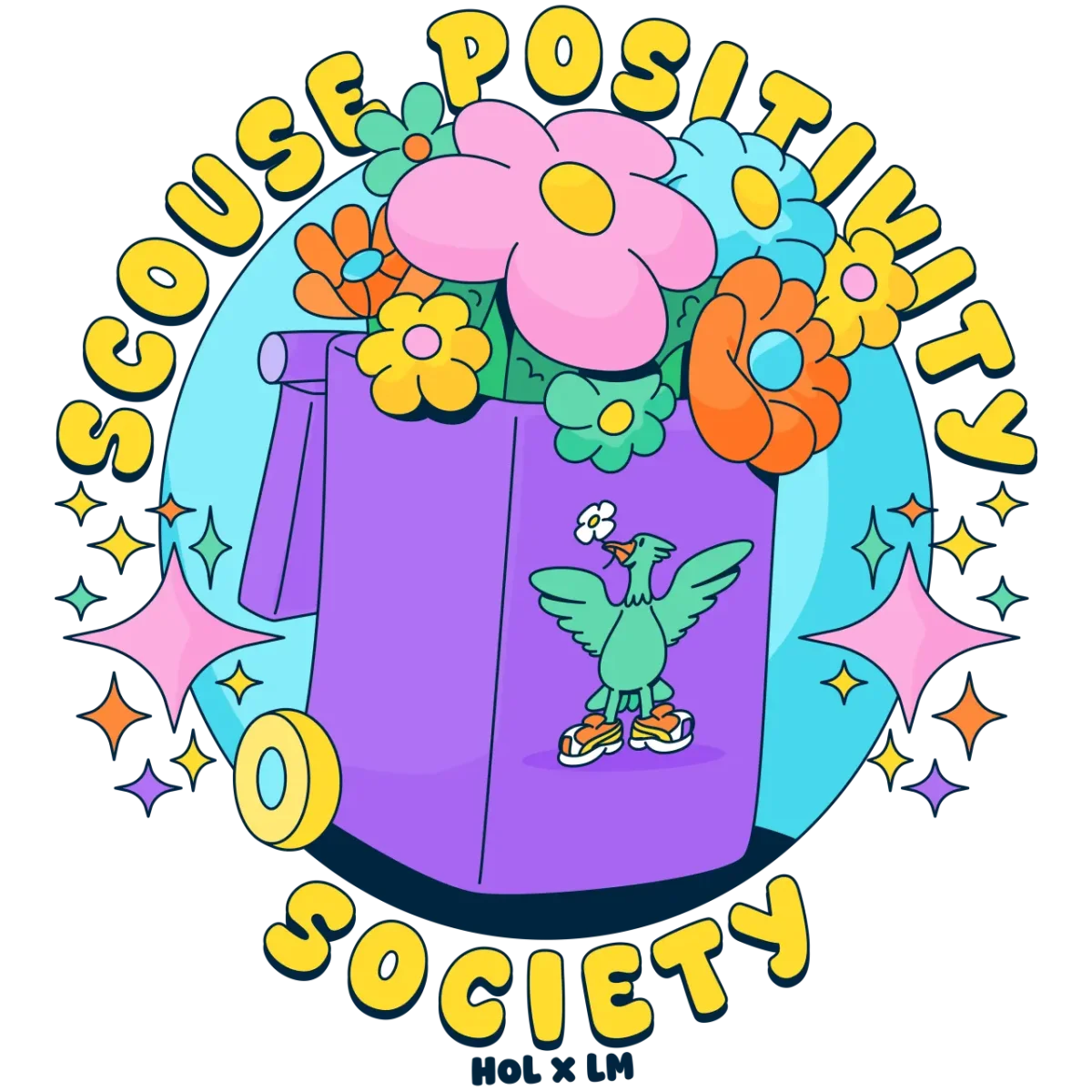
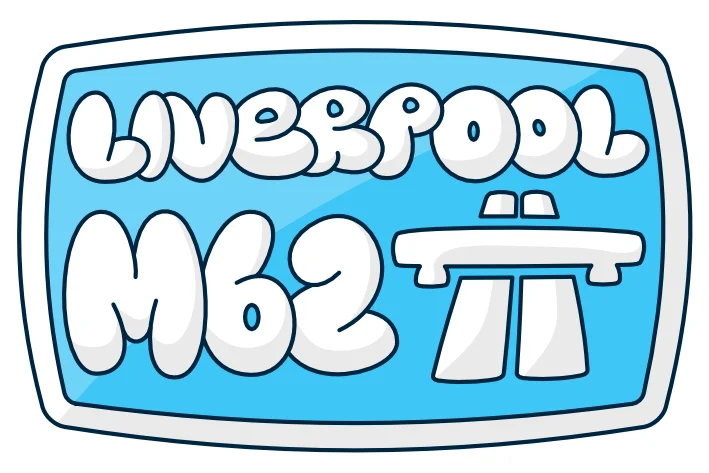
For McConkey, collaboration depends on being open to feedback. Clients and agency teams bring their own creative ideas and need an illustrator to help turn them into finished work. A sketch can come back with many requested changes, but he’s learned to read those notes as people trying to serve the project, rather than as a personal judgement.
That exchange suits him. He likes getting a starting idea from a creative team and developing it together. The ability to respond well, as well as to make distinctive work, can shape whether someone recommends you for another project.
Keeping a freelance practice visible
McConkey’s advice for illustrators starts with the work people can see. He keeps his website updated and recommends showing the kind of projects he wants to be hired for. Including work he doesn’t enjoy can send the wrong signal and make it harder to move toward a more satisfying practice.
Personal projects matter, too. They take energy, especially alongside paid work, but McConkey says his own illustrations have been mentioned repeatedly in client enquiries. A portfolio is therefore not just a record of past assignments; it can show a potential client what you’d bring to a new brief.
He also encourages freelancers to reach out and pitch ideas, even when the timing feels uncertain. A conversation can lead to a referral or a project later on. The work can arrive in waves, he says, and a difficult spell doesn’t mean there’s no place for illustrators.
McConkey had completed several projects he was pleased with and had more in view when he spoke about his plans. He wanted to pitch more proactively and develop other sources of income, including returning to his print shop after leaving it untouched for a year or two. For illustrators building a practice, his example points to a useful combination: keep the work visible, make room for self-initiated ideas and treat collaboration as part of the craft.